While Waiting Your Turn at the Station: Etiquette for Public Charging
Share This Page
Public charging station etiquette means waiting in line properly, vacating your spot in time once charging reaches 80%, not touching someone else's plug, and ending your session properly via the app. In other words, it is not just a few soft suggestions but operating rules that distribute the station's real capacity equally among everyone. A vehicle connected to a unit means a lost resource for every driver not using that unit.
Highlights
- On DC fast charging, from 10% to 80% usually takes about 20 minutes; the last 20% can add another half of that time.
- In the United Kingdom, idle fees are £0.20-0.40 per minute; on some ultra-fast networks up to £1 per minute.
- Tesla has a 5-minute grace period before the idle fee applies.
- In Germany, fines of 170 euros have been applied in examples of parking without charging.
- EPDK (the Turkish energy regulator) fined 3 charging network operators that failed to meet their obligations a total of 24.6 million TL .
Why Is the 80% Rule at the Center of Station Etiquette?
Charging speed on a DC fast charging unit is not constant; it changes along the vehicle's charging curve. Due to battery protection and the constant-voltage phase, power drops significantly after 80%. To go through a concrete example: a Volkswagen ID.3reaches from 10% to 80% in about 30 minutes, while it may wait another 20-30 minutes for the final 20%. In other words, the first 70-point range takes less time than the final 20-point range.
This asymmetry forms the technical basis of the etiquette debate. Every minute you spend at the unit after 80% adds almost no energy for you, but imposes a 20-30 minute delay on the driver waiting behind. Waiting for 100% while a vehicle is waiting behind you is the most inefficient use of the station in terms of range gained per minute. In daily use, finishing at 80-85% is sufficient for most scenarios; situations where you truly need 100% are limited to long, unplanned distances.
Charging Is Done But the Vehicle Is Still There: Idle Fees
Moving your vehicle immediately after the charging session ends is the clearest rule of this space. Operators do not merely put this rule in writing; they tie it directly to an economic penalty. An idle fee is charged for every minute you fail to move your vehicle after charging is complete, and it works per minute.
- In the United Kingdom, the typical idle fee is £0.20-0.40 per minute; on some ultra-fast networks it can reach £1 per minute and the overstay can exceed £20.
- Tesla has a 5-minute grace period; additionally, at busy stations an extra congestion fee is applied while the battery is above 80%.
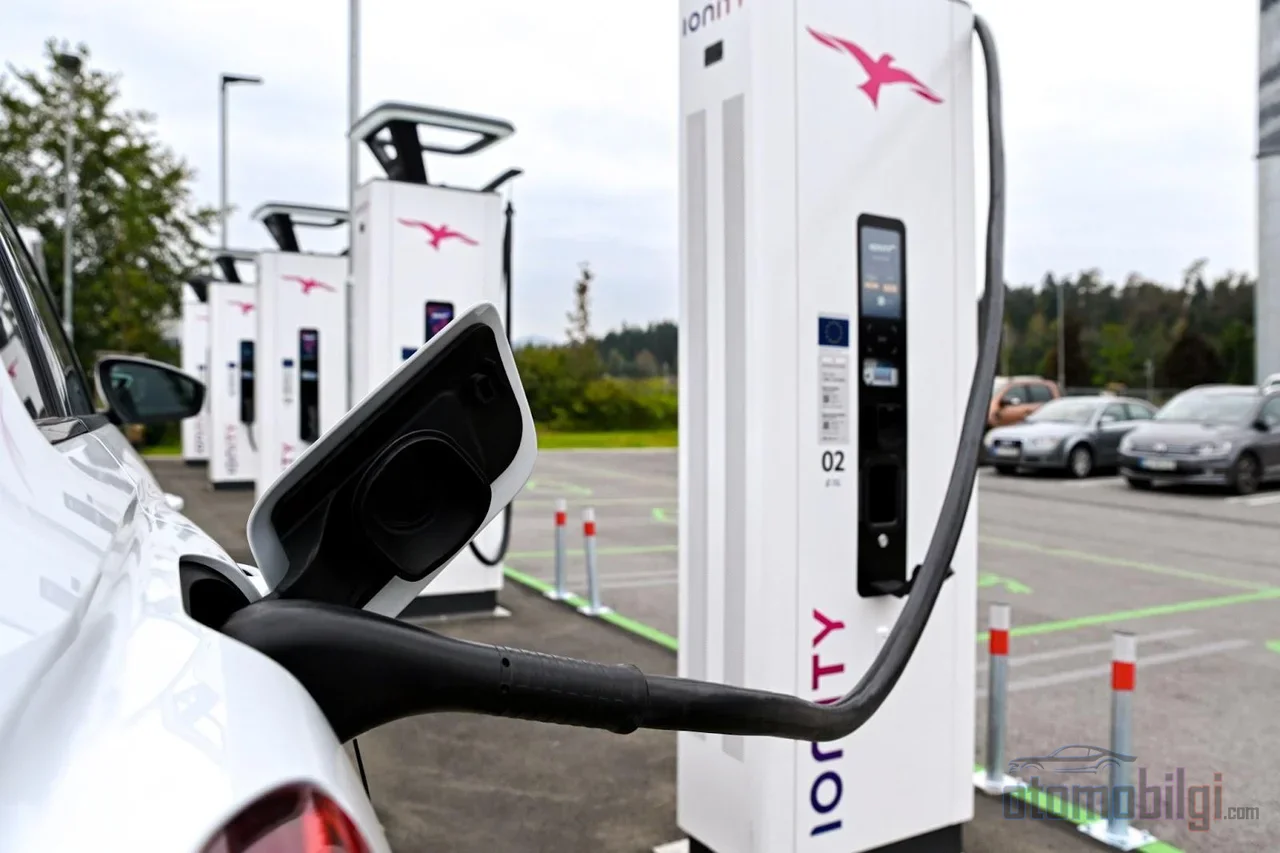
- In Europe, networks such as IONITY and Fastned have also started applying idle fees.
Not every charging point applies this fee. So before plugging in, checking the sign on the unit and the conditions on the app screen protects you from an unexpected bill. The recommended habit in practice is simple: unplug your car within 10 minutes of finishing charging. It is enough to set a session alert via your phone or the vehicle app; even in a 20-minute DC session, the notification saves you from waiting in vain.
Can We Unplug Someone Else's Plug?
Technical Fact: The Locking Mechanism
Most modern electric vehicles and charging points lock the cable during a session. This locking mechanism is standard on Type 2 connector vehicles; on some Type 1 vehicles, however, the plug can still be pulled out. So the first thing you are likely to encounter when trying to unplug a vehicle that has been sitting there a long time is probably a locked socket.
The Legal Field: No Clear Rule
The legal picture regarding unplugging is unclear. According to one view, unplugging someone without permission is not illegal, merely a breach of etiquette; another approach emphasizes that an attempt to force it out can damage the equipment and may fall under interference or criminal damage. The socket and cable can be damaged by force; moreover, the driver of the vehicle you unplug may genuinely need the extra range. In this contentious area, rather than intervening directly, the right course is to report the situation to the network operator and, if necessary, call the unit's support line.
How to Wait Your Turn?
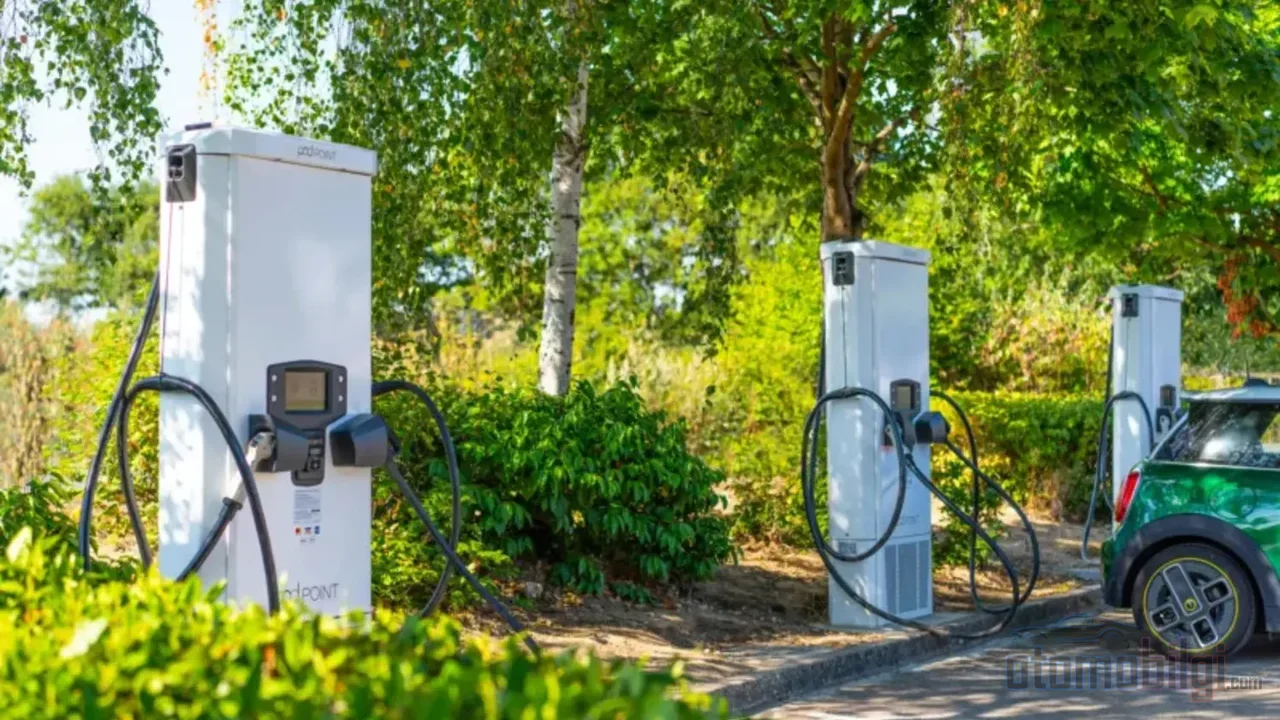
There are no marked queue lanes at charging stations like at gas stations, and this is the point where first-time waiters struggle most. If all units are occupied, the method to follow is clear: park in a proper parking spot or off to the side, do not block the exit route, and clearly indicate that you are in the queue. At large stations, such as Tesla Supercharger areas, a queue usually forms by itself; at smaller points, the informal queue system common in Europe applies - if you are unsure, asking those who arrived earlier is both a quick and graceful solution.
If the wait has grown long, the solution is not to wait but to spread out. Finding an alternative station via apps like PlugShare and Chargemap eases both your own time and the local network. Knowing how demand is distributed also helps: the UK has more than 86,000 public charging points, and demand peaks especially on Friday afternoons and at motorway rapid charging hubs.
Which Unit for Which Vehicle?
A little-discussed but measurable dimension of station etiquette is matching the vehicle to the unit's power. A vehicle that charges at 3.6 or 7 kW AC should not occupy a fast charging unit above 50 kW except in emergencies; for this unit, it means denying the right of vehicles that transfer several times more energy within minutes. The same logic applies to vehicles with small batteries: for a Porsche Taycan that draws an average of 213 kW, a 350 kW unit is ideal, while for a Chevrolet Bolt is wasteful. During peak hours, choosing AC or L2 units for low-power vehicles directly increases the overall efficiency of the network.
The classic form of misusing a unit is occupying a plug-in parking spot without charging the vehicle. Internal combustion vehicles occupying these spaces is called "ICE'ing" in international literature; EV owners waiting after charging is complete is also a waste of resources in the same category. Misuse carries a direct fine in some countries:
| Country / Practice | Sanction |
|---|---|
| Germany | Example of a 170 euro fine for parking without charging |
| Australia (Victoria) | 2 penalty units = 418.20 AUD for misuse (2026-27 fiscal year) |
| Australia (ACT) | Up to 3,200 AUD for misuse; 128 AUD for EV owners |
| Türkiye | Occupation sanctions are being discussed at EPDK; no definitive rules have been published yet |
What Is the Situation in Türkiye?
The regulatory framework for public charging in Türkiye was established with the Charging Service Regulation published by EPDK on April 2, 2022, and stations are required to be built in compliance with safety standards. Regulation is tightening: EPDK fined 3 charging network operators that failed to meet their obligations toward consumers and engaged in anti-competitive behavior a total of 24.6 million TL. Oversight has also become stricter on the residential side; in an example case regarding unauthorized or illegal wallbox use, a fine of 840 thousand TL came up.
Turkish sources agree with international practice with the same recommendation: since charging speed drops after 80% at public DC stations, you should not wait for 100% while others are waiting behind you; if possible, finish at 80% and leave the station for the next user. However, a definitive, primary-source-based picture of operators' idle fees and session reservation policies in Türkiye has not yet formed; you need to follow this information from the current tariffs of the network you will use. Since new regulations regarding occupation sanctions are still under discussion, the safest way is to follow the legislative side from EPDK's official announcements.
Frequently Asked Questions
- Should I wait until 100%? No; 80-85% is sufficient in most cases, and the final portion is noticeably slower.
- Can a vehicle that is not charging park in an EV parking spot? No. Charging points are only for plug-in vehicles that are actively charging.
- Can a slow-charging vehicle use fast charging? No, except in emergencies; vehicles charging with 3.6 or 7 kW AC should not occupy units above 50 kW.
- Can you sit inside the vehicle while it is charging? Yes. A study published in the European Society of Cardiology journal found no evidence that staying inside the vehicle during charging interferes with medical devices.
- The plug is locked but the vehicle has been parked for a long time, what should I do? Do not intervene directly; report the situation to the network operator.
Conclusion: Etiquette as a Matter of Timing
We can sum up public charging etiquette in a single frame: the station resource is time-dependent, and the correct behavior is time-respectful behavior. Finish at 80%, unplug within 10 minutes once done, report an issue rather than touching the plug, wait for your turn visibly and in an orderly way, and choose a unit that matches your power needs. None of these requires technical knowledge; they are all small, measurable habits that ensure a shared resource is distributed fairly to everyone.
Resources
- Public EV charging rules and etiquette explained
- 10 Tips to Master the EV Charging Etiquette
- Electric Vehicle Charging Etiquette
- Public Charging Etiquette: 5 Tips For EV Drivers
- EV Charging Etiquette UK: Public Charging Rules 2026
- Is it illegal to unplug an EV that is charging?
- Why EV charging slows down after 80% - Paua
- The 80% rule - WiTricity
- Charging Station Etiquette - e-aracsarj
- Rules of Etiquette at Electric Vehicle Charging Stations - bataryakafa
- Charging Service Regulation - mevzuat.gov.tr
- EPDK fines 3 charging network operators 24.6 million TL
- 840 thousand TL fine for installing a charging station at home
- EV charging etiquette dos and don'ts - ActewAGL