2026 Peugeot 308: Who Is It a Good Choice For?
Share This Page
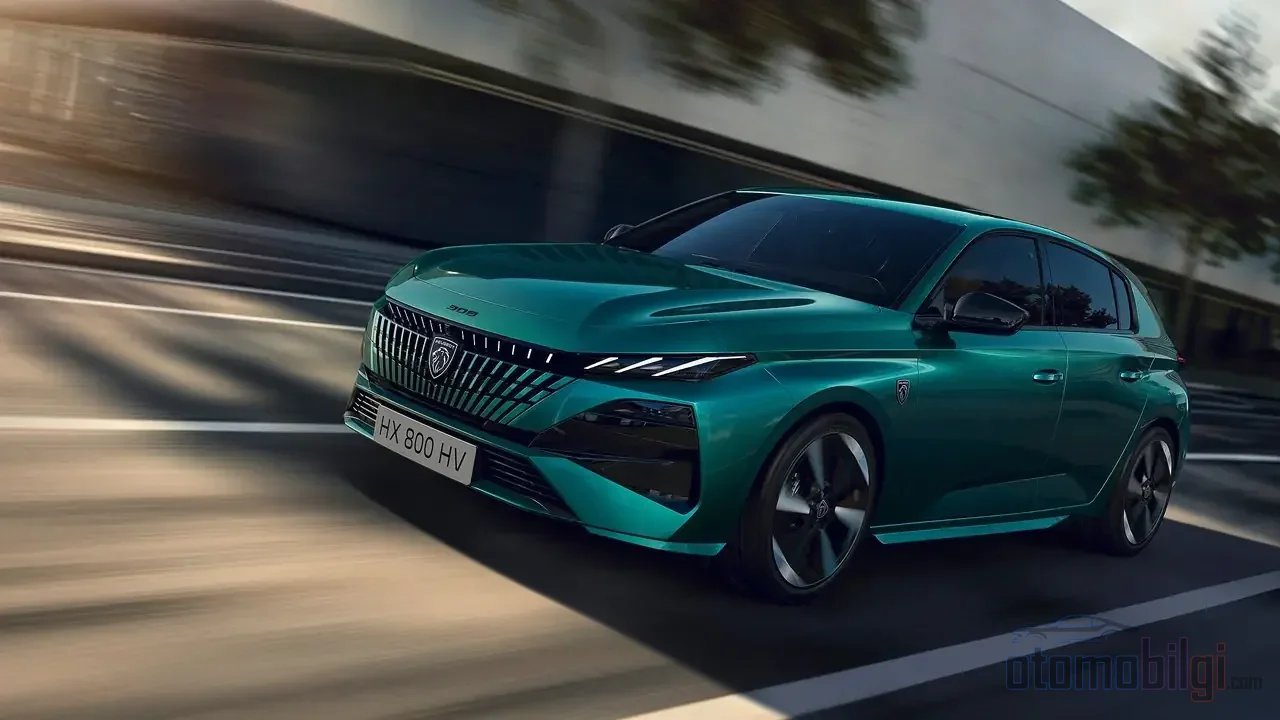
The petrol-powered Peugeot 308 continues Europe's compact hatchback tradition in the C segment, and in Türkiye it is sold mainly with the 1.2 PureTech turbo petrol engine. With 130 horsepower and 230 Nm of torque, this car strikes a good balance between city and long-distance driving, and its high-quality interior and generous luggage capacity keep it on the radar of family-oriented buyers. It stands out from long-established rivals like the Golf, Focus and Astra with its design language and equipment philosophy.
Highlights
- The third generation of the Peugeot 308 hit the roads in 2021; facelifted version sales in Türkiye begin in the second half of 2026.
- Petrol option 1,199 cc three-cylinder turbo: 130 HP at 5,500 rpm, 230 Nm from 1,750 rpm.
- Hatchback luggage capacity is officially 412 liters; in the SW sibling, this figure rises to 608 liters. comes out.
- i-Cockpit concept: 10-inch digital instrument cluster and 10-inch touchscreen multimedia as the standard setup.
- Plug-in hybrid versions never came to Türkiye; the market consists largely of the 1.2 PureTech.
What Segment Is the 308 In and Whose Needs Does It Answer?
The C segment is the compact class that could be called the heart of the European market: where the Golf, Focus, Astra and 308 have competed in the same arena for many years. The 308 is one of the key players in this segment; its third generation was introduced in 2021 and draws attention with its modern design and interior quality above its class. Its dimensions (new-generation hatchback): 4,367 mm length, 1,852 mm width, 1,441 mm height: within compact proportions but with a wide track, meaning a body type whose connection with the road inspires confidence.
So who is this car held as a preference for? Three profiles stand out. First, users seeking near-premium material quality in a compact size; the 308's cabin budget and surface selection meet this expectation. Second, families who drive in the city on weekdays and long distances on weekends; the 412-liter luggage capacity is above the segment average. Third, drivers accustomed to automatic gearboxes like DSG or tiptronic who want to experience something with a different driving character; the 308's i-Cockpit philosophy offers an unconventional cabin experience.
The picture on the safety front is not clear-cut but is readable: among Peugeot C-segment models awarded 5 stars by Euro NCAP, the 308 is counted; in contrast, the pre-facelift generation received an average of four stars in ANCAP's 2022 test. Since these are measurements made by two different institutions, in different regions and with different protocols, putting these two results side by side would be misleading; the Euro NCAP data is the reference closer to the European specification.
The 1.2 PureTech Engine: Is 130 HP Three Cylinders Enough?
The heart of the petrol 308 in Türkiye is the 1.2 PureTech: a turbocharged unit with a displacement of 1,199 cc, in-line 3 cylinders., a turbocharged unit. It produces 130 HP at 5,500 rpm while delivering its torque of 230 Nm from 1,750 rpm is delivered. This torque curve is critical for a three-cylinder displacement: since maximum torque is fully in effect from a low point such as 1,750 rpm, the engine is expected to do its work without straining in the situations where the car needs to feel lively in daily use - at launches and during overtaking.
Real-world performance can be read slightly more optimistically than the official zero-to-hundred figures: with the EAT8 automatic, in real life 0-100 km/h comes in just under 10 seconds, while average consumption is around 7.4 lt/100 km. When you compare it with rivals, the picture is meaningful: Golf's 116 HP eTSI completes 0-100 in 9.9 seconds, while the 130 HP versions of the 308 and Astra measure around 10.6 seconds. So the 308 is not at the summit in the pure acceleration championship; that is not its purpose either. The torque-centered, comfort-oriented tuning and a character focused on efficient consumption are a wholly consistent engineering choice.
Transmission Options: Manual BVM6, Automatic EAT8
The transmission range consists of two main options: 6-speed manual (BVM6) and on the automatic side, 8-speed EAT8. The previous generation offered the EAT6 automatic; with the new generation the number of gears increased to eight, and this makes a tangible difference in driving character. With the EAT8, the 1.2 PureTech revs extremely enjoyably and willingly; the long gear ratios turn both consumption and the rev-sound balance in its favor. The criticisms of slow gear changes and delayed throttle response observed in early EAT6 generations are dated; they should not be confused with the new-generation EAT8 experience.
So where is the plug-in hybrid? In Europe, the 308 SW is sold HYBRID 225 (180 HP PureTech + 81 kW electric motor, 59 km of electric range) and HYBRID 180 (150 HP + 81 kW, 60 km of range) options. However, the plug-in hybrid 308 did not come to Türkiye for financial reasons. Therefore, when the petrol 308 is mentioned in Türkiye, the only real power source to be understood in practice is the 1.2 PureTech; the vast majority of the market also chooses this engine.
Interior and Luggage Practicality: Is 412 Liters Really Enough?
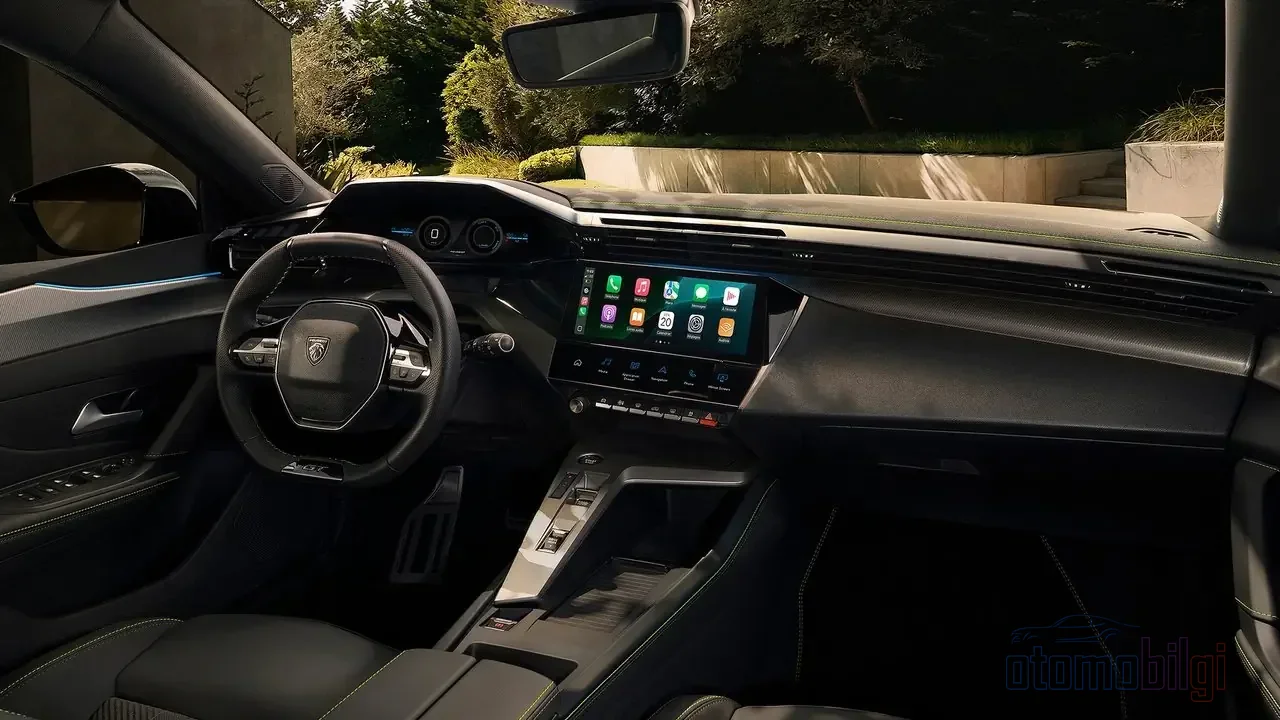
The cabin is one of the 308's strongest assets. Peugeot's i-Cockpit concept - a small-diameter steering wheel with a measurement panel rising above the gauge line - combines in the new generation with a 10-inch digital instrument cluster and a 10-inch touchscreen multimedia display. Wireless CarPlay and Android Auto connectivity, i-Toggles touchscreen shortcut keys, and 3D navigation are found on top trim levels. The small steering wheel idea may seem unusual at first sitting; but most users soon notice that they respond positively to this setup's maneuvering precision. The number of controls is simpler compared to Golf's top trim's 18-button steering wheel - a shortcoming for some, an advantage of simplicity for others.
Material quality and sound insulation are among the most praised aspects of the user experience. The surface choices and seating quality inside the cabin are above the segment's average offering. The insulation side also earns praise: cabin quietness on long journeys is one of the elements contributing most to the 308's identity as a family car.
The official value for the trunk is 412 liters. This volume leaves most of its hatchback rivals behind; while some sources cite values like 420 liters, the difference is a small detail stemming from measurement method. The loading sill is somewhat high, meaning your shoulders work a bit when lifting heavy suitcases. Peugeot's answer to those wanting more volume is the SW body style: 608-1,634 liters of trunk, 40/20/40 folding rear seats, 55 mm longer wheelbase than the hatchback (2,732 mm) and 129 mm of extra knee room in the second row. With a length of 4.64 meters, the SW pushes the practicality ceiling of the compact class.
Driving Character: Comfort or Dynamism?
The 308's suspension setup is, frankly, comfort-focused rather than dynamic. Compared with the Leon, Focus and Astra, the softer-working suspension provides long-distance comfort on flat surfaces; however, it transmits potholes to the body to some extent. In other words, there is a setup balance that is soft on one hand yet fails to isolate on rough surfaces - this is the typical engineering dilemma of comfort-oriented setups, and in the 308 it can be read as an insulation left unfinished despite the comfort preference.
On the driver assistance side, the new generation is ambitious: Drive Assist 2.0, together with the EAT8, offers adaptive cruise control and lane keeping; semi-autonomous lane changing on dual-carriageway roads, early speed suggestions and cornering speed adaptation are functions reserved for top hardware packages. With these packages, the 308 meets the segment's current expectations not only mechanically but also on the software side. Higher trims also offer comfort items such as Nappa leather and a panoramic sunroof.
On the reliability front, there are isolated complaint records: peeling steering wheels, timing chain slack above 100,000 km in older generations, and reports of a metallic noise during cold starts. These are isolated reports in platform data; there is not enough of a sample to diagnose a systemic chronic issue, but it makes sense for used-car buyers to check these two points on high-mileage examples.
Trim Levels and the Current Situation in Türkiye
At the new generation's launch in Türkiye, it arrived with the Active Prime, Allure and GT trim levels; the current lineup consists of Allure, GT and GT Exclusive . In the French market, the Style, Allure, GT, GT Exclusive and Business grades are listed. As you move up the trim ladder, items such as the light signature, diamond-cut alloy wheels, driver assistance packages and leather upholstery come into play.
The critical development for 2026 is this: it has been officially announced that the facelifted New 308 will go on sale in Türkiye in the second half of 2026 . The facelift brings a new light signature, wheel designs, and the efficient 1.5 BlueHDi the diesel (130 HP / 300 Nm + 8-speed EAT8) and the E-308 with a larger battery arrived. So the technical identity of the petrol 1.2 PureTech we describe on this page largely still applies; however, it would be sensible for readers planning a purchase to follow the facelifted version's entry into Türkiye and check the current price list at the start of sales - we deliberately do not move the pricing data onto this page.
| Feature | 308 Hatchback | 308 SW |
|---|---|---|
| Length | 4,367 mm | 4,640 mm (4.64 m) |
| Wheelbase | 2,677 mm | 2,732 mm (+55 mm) |
| Cargo capacity | 412 liters | 608-1,634 liters |
| Rear seat | Standard | 40/20/40 folding |
| Extra knee room on the second armrest | - | 129 mm |
What Makes the 308 Different from the Golf, Focus and Astra?
In the C segment, the three main rivals the 308 is constantly compared against are the Golf, Focus and Astra. In terms of performance the differences are small - among the 130 HP trio, 0-100 differences are on the order of tenths of a second; the Golf's 116 HP eTSI remains in the same league at 9.9 seconds. In user discussions the Golf is generally positioned a step ahead; the 308 is seen a notch above the Leon and half a notch behind the Golf. These assessments carry subjective weight, starting with mechanical refinement and above all driving dynamism.
Where the 308 truly sets itself apart lies elsewhere: first, i-Cockpit the cabin experience that comes with it - the small steering wheel, gauge position and overall architecture break away from the classic segment template. Second, material quality and sound insulation; these two headings are the most frequently praised aspects of the 308 against its rivals. Third, the cargo area: 412 liters surpassing most of its hatchback rivals. Fourth, design: sharp lines and a distinctive front face make the 308 one of the most easily recognizable silhouettes in the segment.
The future perspective is also interesting: it is stated that the next-generation 308 and Astra will share the same Stellantis platform. The platform partnership will increase mechanical closeness; differentiation will then occur even more in design, cabin experience and equipment philosophy. Today's buying logic should be built on this axis as well.
Conclusion: For Whom Is the Petrol 308 a Sensible Choice?
The summary engineering balance is as follows: the 1.2 PureTech + EAT8 combination, with 130 HP and 230 Nm, is not the absolute performance leader; but with its mid-range torque, 8-speed transmission and ~7.4 lt/100 km consumption, it is a balanced package for daily use. Cabin quality, sound insulation and luggage volume are above the class average; the suspension is comfort-oriented, not fully flawless in bump isolation; reliability complaints are isolated cases. The design and i-Cockpit are the reasons of choice for drivers who prefer a different style.
The 308 petrol has been a deliberate choice for these three profiles: the family user who wants a quality cabin, the weekend traveler who needs 412 liters, and the driver looking for an unconventional driving position. For candidates who want maximum dynamism or semi-autonomous extremes, the Golf and rival alternatives are still valid answers; but for the user who consciously chooses the 308's own balance, what is sacrificed is little and what is gained is tangible.
Sources
- New 308
- NEW PEUGEOT 308 IN TÜRKIYE IN THE SECOND HALF OF 2026
- PEUGEOT's New Face: 308 SW!
- Peugeot 308 Driving, Comfort, Engine and Transmission
- Peugeot 308 Interior, Volume and Practicality
- Peugeot 308 Renewed: Here Are the Engine Options and Features
- 308 renewed, gained an 8-speed automatic gearbox
- Peugeot C-Segment Car Models and Reviews
- Peugeot 308