2026 Opel Frontera Hybrid: Could It Be the New B-SUV Option for Families?
Share This Page
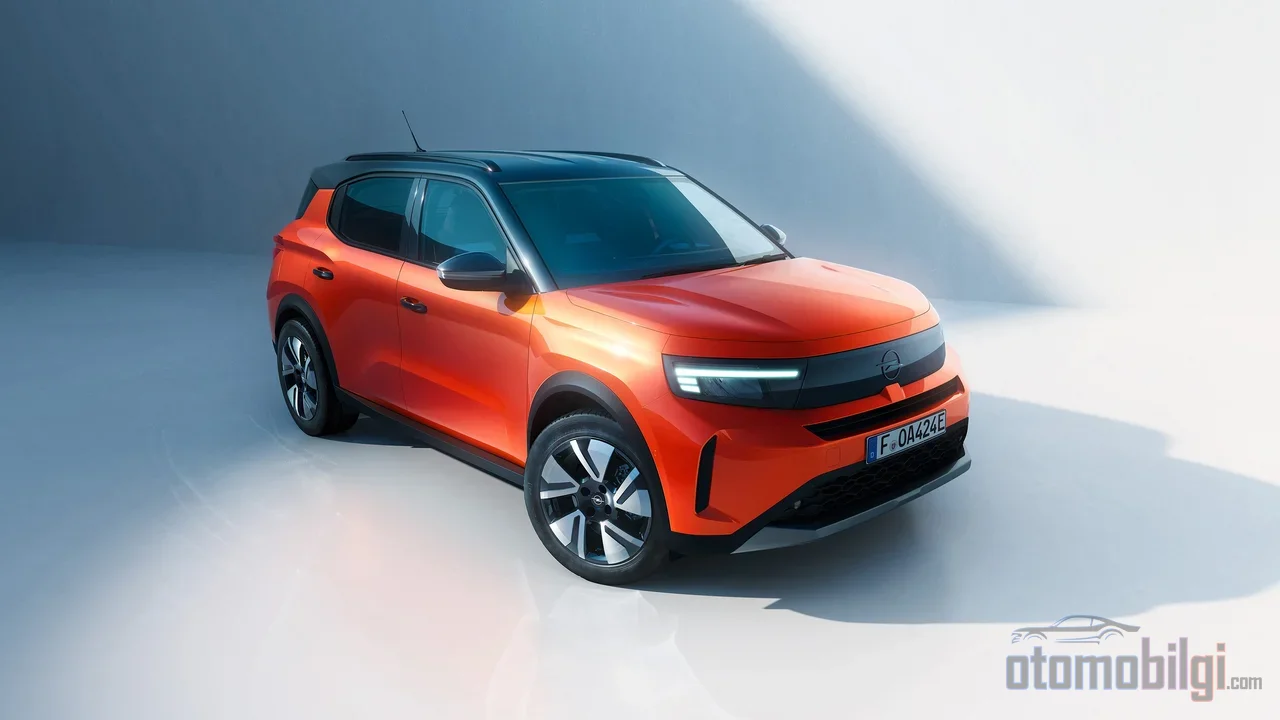
The Opel Frontera is one of the physically largest models in the B-SUV segment: with dimensions of 4,380 mm length and a 2,670 mm wheelbase that approach the C-SUV class, a cargo capacity of over 460 liters, and an accessible price positioning, it appears on the radar of those looking for a spacious family car in compact size. The model, sold in Türkiye with hybrid and electric options, has the petrol-hybrid identity as its main subject on this page: with a 48V mild hybrid system that requires no charging, a dual-clutch automatic transmission, and consumption figures close to real-world use, what does the Frontera promise in daily use, and where does it push the limits?
Highlights
- 1,199 cc three-cylinder turbo petrol + 48V mild hybrid; total system output 145 HP and 230 Nm of torque
- 6-speed e-DCT6 dual-clutch automatic transmission, front-wheel drive
- Cargo capacity 460 liters and more; when the rear seats are folded up to 1,600 liters
- WLTP combined consumption 5.3 lt/100 km; in an independent test, with a full tank 586 km
- 0-100 km/h 9.0 seconds, top speed 194 km/h
The Frontera Takes on a New Identity: Old Name, New Mission
The Frontera name lives in the memory of the older generation alongside its rugged body strength and 4x4 capability. The new model moves in exactly the opposite direction of that mold: not an off-road-focused SUV, but a B-SUV calibrated for urban and family use. Between the old Frontera B generation versions such as the 2.2 diesel 4x4 or 3.2 V6 and the new model, there is no mechanical kinship; only the name is shared.
The technical foundation is also familiar: the vehicle sits on Stellantis's CMP platform; the same base is shared by the Peugeot 2008 and Opel Mokka . This shows that the Frontera is not an experimental product, but is built on a proven architecture. On the other hand, its dimensions set it apart from its platform siblings: 1,795 mm width, 1,627 mm height, and 4,380 mm length position it at the physical limit of the segment. On the price side, the B-SUV perception is maintained; the 100 HP turbo petrol engine with a 6-speed manual transmission in the entry-level trim, added to the lineup later, reinforces this accessibility.
How Does the Petrol Hybrid System Work, and Is It Enough?
At the heart of the hybrid version is a 1,199 cc three-cylinder turbo petrol engine. This engine alone produces 136 HP ; combined with the 48V mild hybrid system, the total system output rises to 145 HP and 230 Nm of torque. To clarify: this is not a full hybrid, but a mild hybrid setup. The electric motor does not move the vehicle on its own; it supports the internal combustion engine especially in stop-and-go traffic and improves efficiency.
The most practical aspect of the system is that it eliminates the charging problem. The battery charges automatically during braking; there is no need for a socket or charging station. For a user who has no charging option at home or is not yet ready for the idea of an electric vehicle, this is the lowest-friction form of hybrid transition.
Transmission: How Good Is the e-DCT6?
The power goes through a 6-speed e-DCT6 is transferred to the front wheels through a dual-clutch automatic transmission. Compared to classic torque-converter automatics, the dual-clutch setup offers a more direct and efficient gear change; the 0-100 km/h acceleration is, per factory data, 9.0 seconds, and top speed 194 km/h. There is no unexpected sluggishness in city use; the engine-transmission match delivers the fluid pace family use requires.
On the consumption side, the official figure is 5.3 lt/100 km (WLTP combined). In an independent long-distance test, 586 km of driving on one tank of fuel and an average 6 lt/100 km consumption were measured; so real-world use runs roughly half a liter above the catalog value. For the electric version of the same car, user reviews complain that torque feels lacking on steep hills; the 230 Nm of torque in the hybrid version shows that this criticism should not be transferred one-to-one to the mild hybrid, yet it is still worth knowing the character of a three-cylinder engine when loaded and on inclines.
Interior and Luggage: Is It Enough for a Family?
The Frontera's strongest card is here. Luggage capacity exceeds 460 liters ; with the rear seats folded it goes up to 1,600 liters . This is a figure above the typical values of the B-SUV segment, and it is clearly the reason Stellantis positions the model for families seeking a spacious, functional SUV. Typical family loads, from shopping to suitcases, from a baby stroller to weekend gear, can be carried in this volume without any trouble.
| Measurement / Data | Value |
|---|---|
| Length | 4,380 mm |
| Width | 1,795 mm |
| Height | 1,627 mm |
| Wheelbase | 2,670 mm |
| Luggage capacity | over 460 lt / 1,600 lt (folded) |
| Curb weight | ~1,400 kg |
| Suspension | MacPherson front, torsion beam rear |
| Tires | 215/60 R17 |
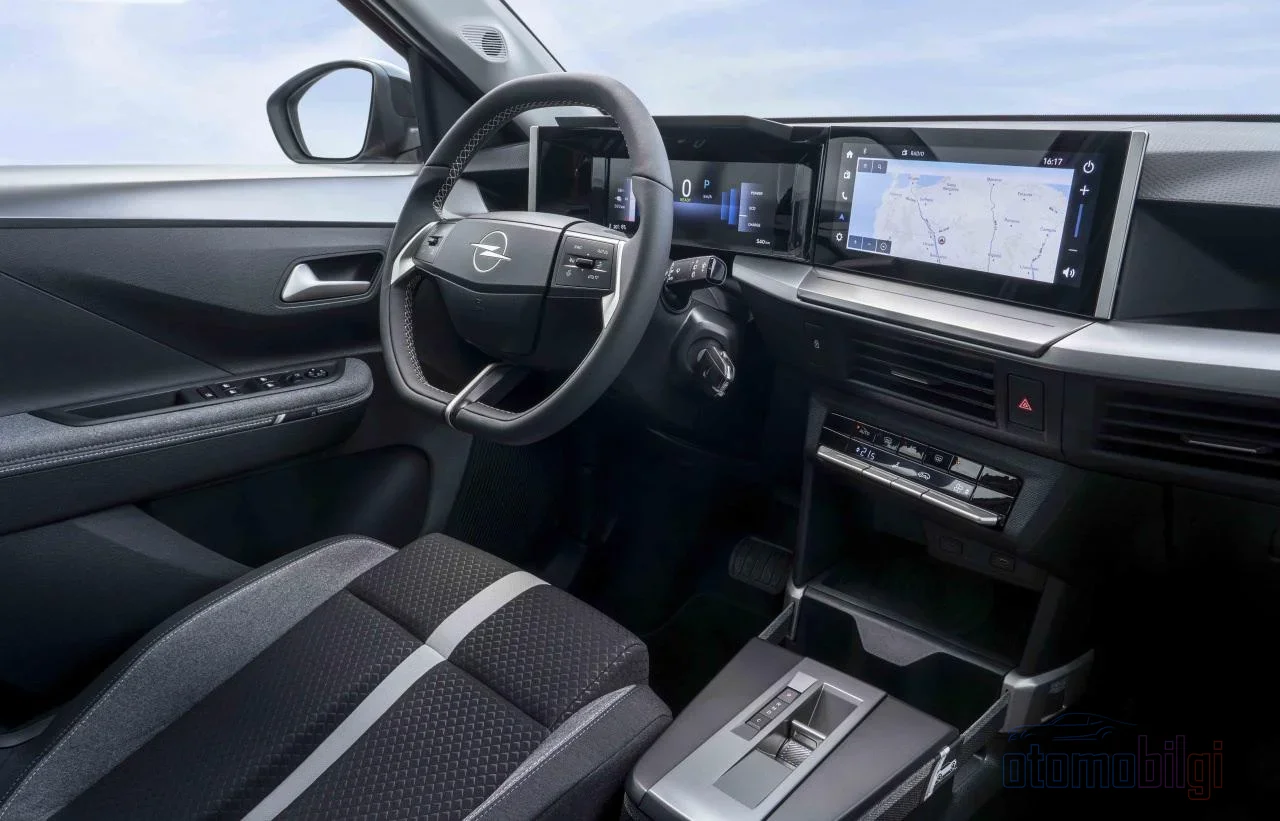
Inside the cabin, Opel's Pure Panel digital cockpit stands out: the digital instrument panel and the touchscreen multimedia display are gathered on a single surface. The 10-inch multimedia screen, ergonomic seats, and generous storage areas make daily use easier. The high seating position and large glass surfaces enlarge the field of view; on the connectivity side, there is wireless charging up front and two Type-C ports in the back - the number of charging points in the rear row makes more of a difference in family cars than one might expect.
To be fair: the rear living space is generally found to be adequate in reviews, but not exceptionally roomy. Although the wheelbase is long, the share of the 4.38-meter body allocated to the rear row is limited; for tall adults, headroom is good, while legroom is mid-level.
Trim Options in Türkiye: Edition or GS?
In the Türkiye market, the Frontera is sold in two trim levels, Edition and GS . The difference between the two is directly meaningful in a family car decision: the GS package includes a blind spot warning system, front parking sensors and keyless entry-start available. The Edition trim does not have these features; however, heated seats and a heated steering wheel are not standard on either trim and come with the Comfort Package. One point worth noting: a glass roof is not offered on any trim; this detail may influence the decision of buyers who consider the roof concept an important criterion.
On the pricing side, dealer discounts through current campaigns are decisive; rather than giving a price list on this page, this observation suffices: the Frontera arrives with a positioning that starts at a price point far below its size, and during campaign periods it remains one of the most accessible wide-bodied options in the B-SUV class. It is essential to speak with authorized dealers for current figures, as both the campaigns and the trim-price combinations are changing rapidly.
Strengths, Weaknesses and Things to Know
Where Does It Stand Out?
- Cargo volume above its class: over 460 liters, up to 1,600 liters with the seats folded
- An accessible price position at B-SUV level despite its large body
- A mild hybrid system requiring no charging, with WLTP consumption of 5.3 lt/100 km
- A spacious cabin, high seating position, and functional storage solutions
- The proven CMP platform, with technical kinship to the Peugeot 2008 and Mokka
Where Are Its Limits?
- Rear-row spaciousness is adequate, but not the most spacious cabin in the segment
- A glass roof is not offered on any trim; heated seats/steering wheel depend on the package
- Complaint platforms report issues with rattling and parts supply times; the model is new and the data pool is still small
- On the electric version, user reviews are cautious about torque feel on steep hills and winter range
Scale matters when reading complaint data: a low complaint count on a relatively new model may reflect a small sample rather than trouble-free ownership. Rattling and parts waiting are individual user experiences; however, when read together with the torsion-beam rear suspension geometry, they provide an extra reason to try the car on the road and measure rear comfort expectations during a test drive.
Where Does the Frontera Stand Against Its Rivals?
The B-SUV segment in Türkiye is crowded: Renault Captur, Peugeot 2008, Opel Mokka, Nissan Juke, Hyundai Bayon, Kia Stonic and Volkswagen T-Cross are the established players in this class. Three parameters set the Frontera apart in this crowd. First is size: a body longer than the 2008 and Mokka, which share the same platform, means usable space above the segment's typical dimensions. Second is cargo: the 460/1,600 liter combination is a clear advantage by segment standards. Third is price access: a significantly lower entry point compared to C-SUVs offering a similar body volume.
On the other hand, the established rivals' brand awareness, dealer network depth, and second-hand liquidity are variables that need to be measured in the long run against the Frontera. On the engineering side, platform kinship reduces risk; on the market side, the model needs time to prove itself.
Hybrid or Electric: Which One for Which User?
The Frontera lineup offers two different energy logics: the 1.2 Hybrid 145 e-DCT6 that requires no charging, and electric versions with two battery options (44 kWh and 54 kWh long range). The decision criterion is simple: annual mileage and long-distance frequency. For a family driving 10-12 thousand km a year and taking a few 400-600 km long trips annually, the hybrid version is the pragmatic option that offers low consumption without the hassle of charging infrastructure. The electric versions make sense primarily for users with predominantly city use and home/work charging availability; the WLTP range of the 44 kWh variant is 301 km, while in the long-range variant it is at the 408 km level. Range loss in winter conditions is a known fact on the electric side, so it is natural for users who frequently take long trips to go for the hybrid or the long-range variant.
Conclusion: Is the Frontera a Sensible B-SUV for Families?
From an engineering standpoint, the Frontera establishes a clear equation: a body close to a C-SUV, a price at B-SUV level, and hybrid efficiency that requires no charging. A cargo volume of over 460 liters and folding capacity extending to 1,600 liters are a decisive advantage in this class. In return, you are met with a vehicle that takes a step back in rear-seat comfort and equipment details (no glass roof, package-dependent heating).
Who is it for? For families who need a large trunk, a high seating position, and low fuel costs, and who want to grow their body size without growing their budget, the Frontera is one of the most serious new options in the segment. The healthiest step before making a decision: take a test drive with your family load and test the rear seat and trunk usage in your own scenario.
Sources
- Opel Frontera
- The New Opel Frontera, Ready for Everyday Adventure, Is Now in Türkiye!
- The New Opel Frontera Arrives in Türkiye in Spring!
- The New Opel Frontera with Family-Friendly Solutions and Affordable Prices
- Opel Frontera Hybrid 1.2 136 HP Edition
- Opel Frontera Hybrid Test
- Pros and Cons of the New Opel Frontera
- Should You Buy the Opel Frontera?
- Opel Frontera Electric Review
- B-Segment SUV Cars