2026 Suzuki Vitara: Why Is It Still a Sensible Choice for Small Families?
Share This Page
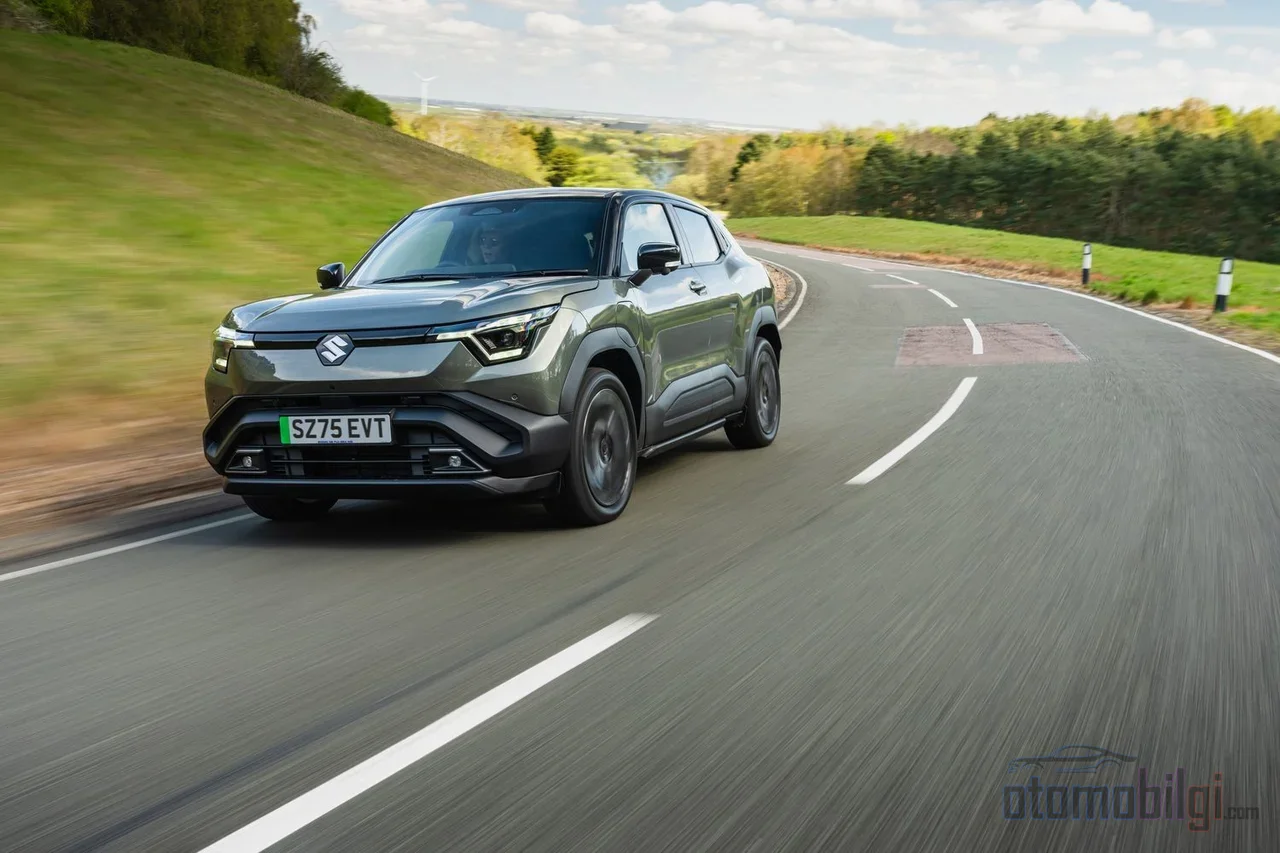
The Suzuki Vitara remains a sensible choice for small families because it is one of the few gasoline B-SUVs sold new in Türkiye; with its 1.4 Boosterjet mild hybrid engine, 6-speed full automatic transmission, optional AllGrip 4x4 system and official combined consumption of 5.7-5.8 liters, it directly answers the needs of four-person families who want to combine city use with long trips and light off-road driving. While most of its rivals turn to full hybrids or plug-in systems, the Vitara continues to be one of the rare models that preserves its mechanical simplicity.
Highlights
- 1.4 Boosterjet mild hybrid: 109 PS @ 4,500 rpm, 235 Nm torque @ 2,000-2,500 rpm
- Dimensions: 4,185 mm length, 2,500 mm wheelbase, 175 mm ground clearance
- Trunk: 362 lt (upright seats), up to 1,119 liters when folded
- Official combined consumption 5.7-5.8 lt/100 km; real-world city use can run around 7-8.5 liters
- Single gasoline option 6-speed full automatic; 4x2 front-wheel drive or AllGrip 4x4
Which segment is the Vitara in and who is it for?
The Vitara is positioned in the B-SUV segment; in other words, in the same class as the raised-riding-position, roomier-cabin variants of compact hatchbacks like the Clio and Corsa. At 4,185 mm in length, it is one of the most compact dimensions in this class. There is an interesting distinction in the Turkish market: while the Renault Captur is classified in the C segment in some listings, the Vitara is shown in the B segment. This label debate changes little in practice; the real difference lies in the two vehicles' solution philosophy.
The user profile the Vitara targets is clear: families of three or four with children, living in the city but unwilling to give up hitting the road on weekends. The high seating position does not strain your back while placing a child in the rear seat; the 175 mm ground clearance and 5.2 m turning radius make a tangible difference in tight apartment parking lots and on broken asphalt. In densely populated cities, maneuverability counts for more than engine power - and the Vitara holds the advantage in this balance.
To summarize its position in the segment with a table:
| Measure | Suzuki Vitara | Toyota Yaris Cross | Renault Captur |
|---|---|---|---|
| Length | 4,185 mm | 4,180 mm | - |
| Hybrid type | Mild hybrid (48V SHVS) | Full hybrid | Non-hybrid gasoline options |
| Transmission | 6-speed full automatic | e-CVT | Dual-clutch (EDC) |
| 4x4 option | Available (AllGrip) | None | None |
1.5 hybrid or 1.4 hybrid? The character of the engine and transmission
First, let's clear up a naming confusion. In some tables and price list headers, the Vitara is referred to as a "1.5 hybrid"; the official technical data says otherwise: the engine is a 1.4 Boosterjet 48V SHVS mild hybrid unit. This 1,373 cc, four-cylinder, direct-injection gasoline engine produces 109 PS at 4,500 rpm and 235 Nm of torque in the 2,000-2,500 rpm band. In other words, speaking in the language of numbers, the power is modest but the torque is available at low revs and across a wide band - which means a more tangible feel in everyday use.
The SHVS system works differently from a classic full hybrid: during braking and deceleration, energy is recovered, stored in a lithium-ion battery, and returned to the engine as assistance during acceleration. Requiring no external charging is the system's most practical aspect; it demands no plug-in discipline. This 48-volt architecture reduces consumption noticeably but within limits - the official combined figure is 5.7-5.8 lt/100 km.
On the transmission side there is a single option: a 6-speed fully automatic. That is now an unusual choice in the segment. While rivals use dual-clutch (like the EDC in the Captur) or CVT (Yaris Cross), the Vitara keeps a classic torque-converter automatic. From an engineering standpoint, this has two consequences: gear changes feel more natural in traffic, and in the long run, clutch/software-related failure risks present a different and generally milder picture than dual-clutch systems. The trade-off is slightly less sharpness in gear changes.
Performance figures: 0-100 km/h in 10.1 seconds for the 4x2 version, 11 seconds for the AllGrip 4x4; maximum speed 180 km/h. Don't expect a dynamic character in highway overtaking; the Vitara's claim is not speed but predictability. The 47-liter fuel tank offers a range of about 800 km when calculated with the official consumption figure - in family use, that means one less fuel stop.
How high does real-world consumption go?
The official 5.7-5.8 lt/100 km figure is a product of the homologation cycle; in real life, the number shifts depending on the usage profile. In mixed use, user reports cluster in the 6.0-7.0 lt band. In heavy stop-and-go traffic, consumption can climb up to 9-9.5 liters; on the other hand, there are reports of 5 liters on open roads and long distances. With a calm driving style, there are also users getting around 8 lt in Istanbul. So the Vitara shows the savings brought by mild hybridity mostly on the road; in congested city use, a full-hybrid rival (for example, the Yaris Cross's city consumption of around 4.8 lt) is clearly ahead.
This difference is the most critical variable in the purchasing decision. If your usage is heavily urban, a full hybrid makes more sense; if you do one or two long trips a week, the Vitara's 47-liter tank and low average will do the job.
Interior and cargo: is it enough for a small family?
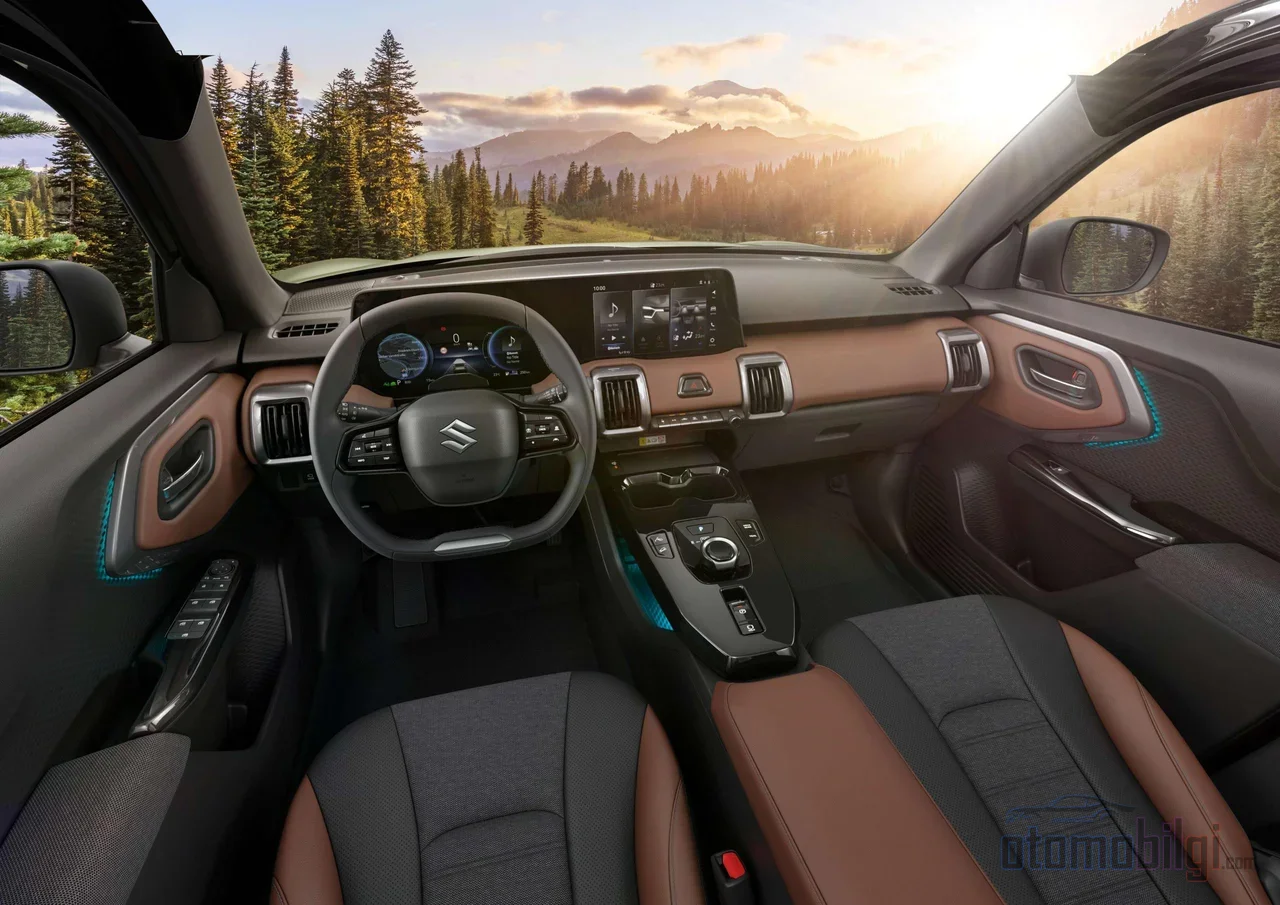
The Vitara's cabin philosophy is built on spaciousness: low curb weight (1,205-1,315 kg depending on the version) and 1,600 mm height provide more head and shoulder room than expected inside. The low weight also has a share on the driving side; the car's lightness is felt on hills and sudden maneuvers. The cabin technology is current: a 9-inch touchscreen, wireless Apple CarPlay and Android Auto, a 4.2-inch TFT display, and dual-zone climate control are offered as standard. The equipment level is simplified into two packages: GL Elegance and the more richly equipped GLX Black Edition - the latter adding a sunroof, heated front seats, and black design details.
The trunk picture is two-sided. With seats upright, 362 liters is reasonable for this class but behind the class's large-trunk models; when the 60/40 split-folding rear seats come into play, volume rises to 642 liters, and 1,119 liters with the seats fully flat. The low and wide loading mouth works in real family scenarios like a stroller or a suitcase on the way back from a trip. For daily use it is sufficient for a family of four; a family of five with lots of luggage would be better off looking in the C segment.
What do safety and driving assistants offer?
The Vitara's assistant package is above the segment average. The main equipment:
- DSBS II active emergency braking: day and night, with pedestrian and motorcycle recognition
- Adaptive cruise control (ACC) and traffic sign recognition
- Lane departure warning (LDP), active above 60 km/h
- Blind spot monitoring (BSM) active above 15 km/h and rear cross traffic alert (RCTA)
- eCall emergency call system and automatic headlights
On 4x4 versions, the AllGrip SELECT system offers four driving modes: Auto, Sport, Snow and Lock. User feedback highlights that this system works well on loose surfaces such as snow and mud and causes no trouble on light terrain. The number of models in the B-SUV class offering a factory 4x4 option has declined; this is the Vitara's clearest differentiating feature. If winter conditions are severe in your region, the Vitara is almost the only true 4x4 alternative in its class.
A note of criticism is also warranted: some users report warning light malfunctions with the LDP system; the warranty covers 3 years / 100,000 km, an important assurance for having such issues resolved at your door.
Where does the Vitara stand against the Yaris Cross and Captur?
The Toyota Yaris Cross and the Vitara represent two different philosophies in the same class: full hybrid + CVT versus turbo petrol + mild hybrid + classic automatic. The Yaris Cross is clearly ahead, especially in city consumption. The Vitara's answer lies in three points: the AllGrip 4x4 option, a simpler mechanical structure with low maintenance costs, and a larger trunk volume (with seats fully folded). Length is practically the same; the difference is in character.
As for the Renault Captur: while the Captur's dual-clutch transmission and highway performance are appreciated by users, the Vitara offers a more comfortable rhythm in traffic with its classic automatic. In user comparisons, the points highlighted in the Vitara's favor: good engine performance, strong heating and cooling, low consumption and a high seating position. Low service and parts costs and a strong perception of resale value are also frequently repeated pluses. Let us add: it should be known that the Suzuki brand is not as widespread in Türkiye as its competitors' networks; before buying, it would be wise to check the service coverage in your province.
An honest balance sheet of strengths and weaknesses
The Vitara's strengths are clear: low kerb weight and a spacious cabin, a 4x4 option that genuinely works on loose surfaces, good road holding, comfort on long journeys, low service and parts costs, and up-to-date safety equipment. On the downside, the following stand out: the boot volume in its unstacked state being found small for the class, rising consumption in heavy traffic, criticisms of sound insulation and interior design from some users, and divided opinions around the price-value balance - while some users find the car classic and mechanical, others read that same simplicity as a plus in terms of price/performance.
This dual picture also summarizes the car's identity: the Vitara is a car sold not on a stack of technology but on proven mechanical solutions. Do you prioritize "the newest screen and the lowest city consumption" for your family, or "the most predictable mechanics and 4x4 capability"? That's the question. The answer to the former is the Yaris Cross, the answer to the latter is the Vitara.
Conclusion: decision criteria for a small family
The summary is this: For a family of four living a city + long-distance balance, especially seeking traction safety in winter conditions, the Vitara remains one of the few direct candidates in the B-SUV class. Its 109 PS engine does not promise dynamic driving; but the 235 Nm of low-end torque, the natural behavior of the 6-speed automatic, and the light body meet everyday use with adequate comfort. Set your consumption expectations realistically - not the official 5.7-5.8 lt, but likely a 6.5-8 lt band for your profile - and evaluate it together with the warranty terms. Within that framework, the Vitara is one of the most vivid examples in Türkiye of the claim that "mechanical simplicity is still worth buying."
Sources
- Suzuki Vitara Hybrid, Suzuki Vitara SUV | Suzuki Otomobil
- Suzuki Vitara Technical Specifications and Equipment Review
- Vitara Hybrid User Manual (PDF) - Suzuki
- Suzuki Vitara 1.4 Hybrid Review: Should You Buy It, What Does It Consume?
- Suzuki Vitara Hybrid Test Drive
- Toyota Yaris Cross vs Suzuki Vitara Comparison
- Suzuki Vitara vs Toyota Yaris Cross
- Suzuki Vitara vs. Toyota Yaris Cross
- A Closer Look: Suzuki Vitara Hybrid Review
- Suzuki Vitara Hybrid - Suzuki Tuğmaner Otomotiv