2026 Honda Civic: The Sporting Standard of the C Segment
Share This Page
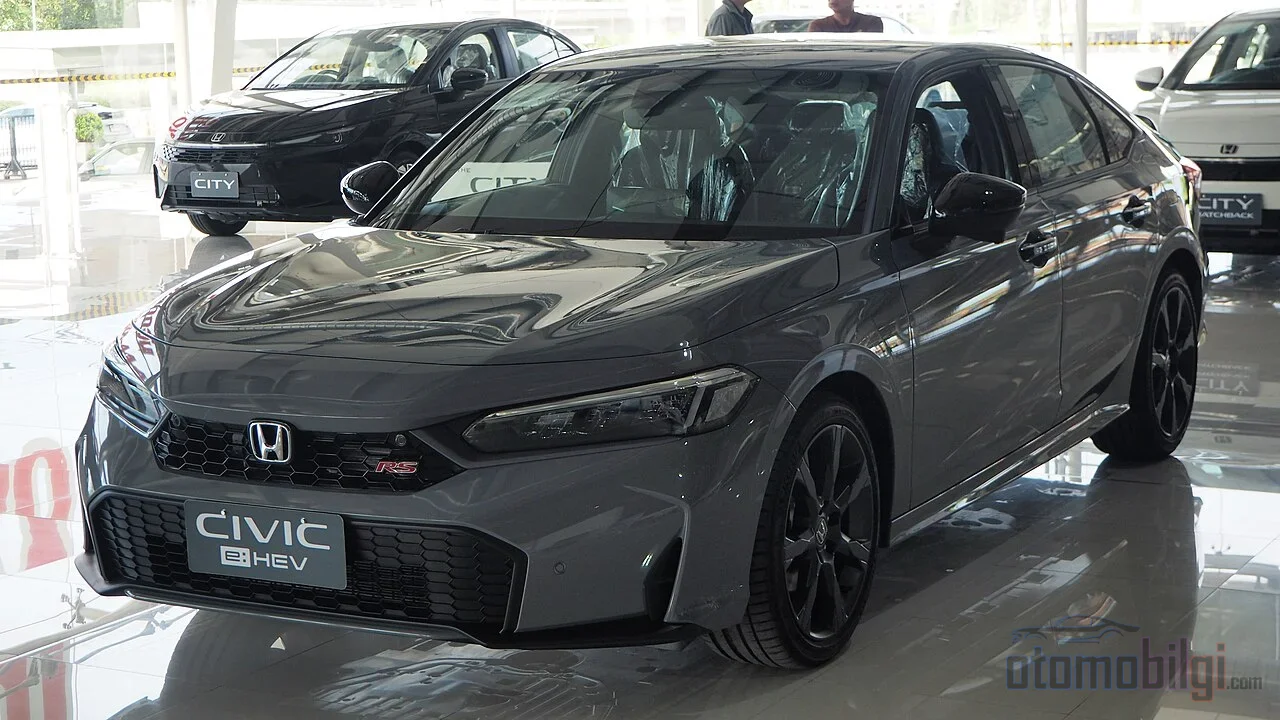
Honda Civic, the sporty face of the C segment positioned as, with its 182 hp 1.5 VTEC Turbo petrol engine and dynamic driving character, stands out as a compact automobile. Produced since 1972, today the model, with its sedan body, spacious cabin and 519-liter trunk capacity, answers both family use and driving pleasure.
Highlights
- The Civic, produced since 1972, is one of the best-known models of the C segment.
- In the current version, with the 1.5 VTEC Turbo, with 182 HP of power is offered.
- Trunk capacity is 519 liters; clearly above the Astra Sedan's 420 liters.
- The transmission option is a CVT automatic; the manual gearbox was dropped in the sedan body.
- Its difference from the Corolla is sporty driving and power; its difference from the Astra is engine character and design.
Should You Buy the Honda Civic? The Model's Place in the C Segment and the Needs It Meets
The cleanest way to define the Civic is to start with the segment definition. The C segment, in the Türkiye market with its sedan, hatchback, liftback and C-SUV bodies, is the class that addresses the widest range of needs; it is the first category that comes to mind when you say family car. Most of this class is positioned on the comfort and economy axis. The Civic, however, stands on the same axis but a bit further ahead, on the side of driving dynamism.
From a technical standpoint, this positioning is no coincidence. The Honda Civic, with a production history of over 50 years, is the brand's flagship compact model and one of the most preferred names in the segment. In Türkiye, the current generation stands apart in the C segment with its sporty design and dynamic driving; sources describe it directly as "the sporty face of the C segment" and "one of the most dynamic options in the sedan segment." In other words, the Civic answers the same need the Corolla answers, but does so with a more agile chassis, a more powerful engine and a more assertive design language. In return, you accept somewhat less forgiveness on the side of maintenance and acquisition costs.
The Character of the 1.5 VTEC Turbo Engine: What Does 182 HP Mean?
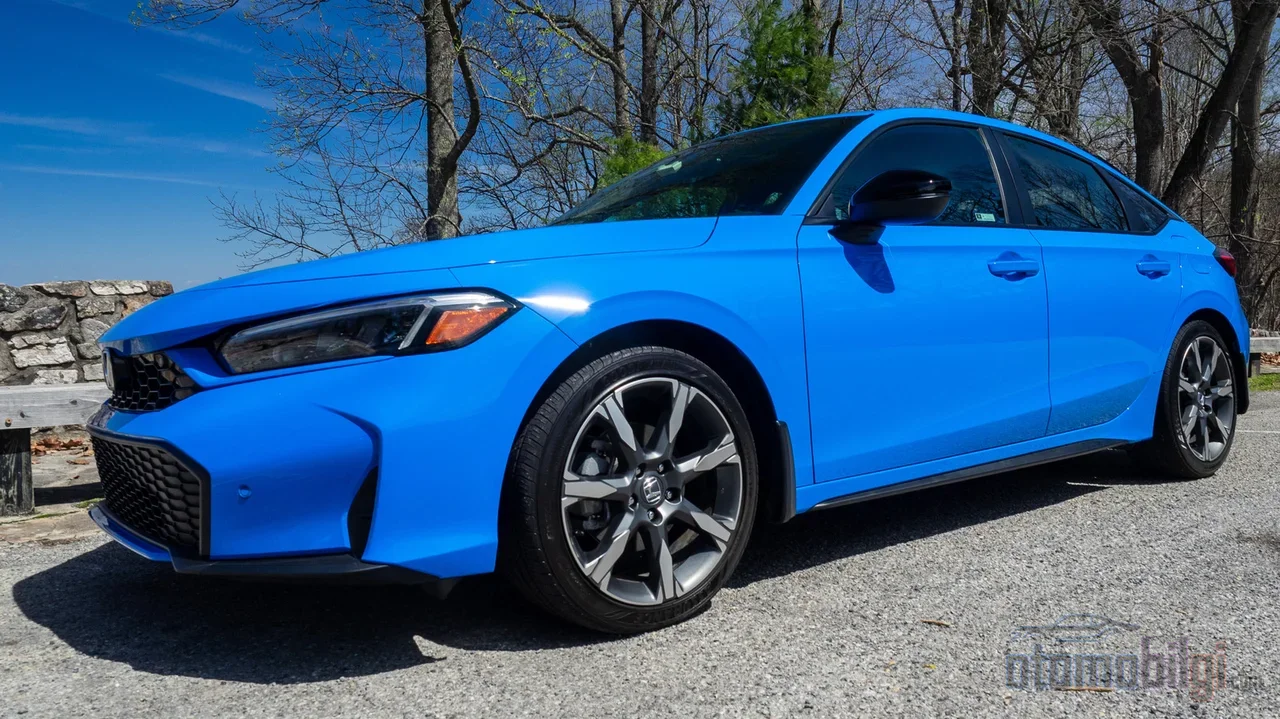
The heart of the current Türkiye version is the 1.5 VTEC Turbo producing 182 hp. This petrol unit. To put this figure's meaning in the segment into scale: the main rival Corolla's 1.5 petrol sits at around 125 HP. The 57-hp difference in between is not a number left on paper; it means a tangible performance reserve that makes itself felt in highway overtakes, under full load uphill and in the upper region of the engine's rev range.
There is also a detail specific to the model in Türkiye: Honda also offers the Civic's LPG (Turbo LPG / Eco) version alongside the petrol one. Factory-fitted LPG compatibility in a turbocharged engine is a solution designed according to the fuel cost realities of the Türkiye market, and it makes the Civic more practical in this respect than most sporty-positioned rivals.
There is also concrete data on the engine's longevity: with previous-generation examples with the 1.5 turbo unit, 1 million kilometers shared usage experiences exceeding this, owners used the word "solid" for the engine side. That said, known weak points are not nonexistent; especially in short-distance use, oil dilution in the 1.5 turbo issue, turbo wastegate rattling sounds in some units, and early failure reports for the A/C compressor are present. Intermittent long-distance use that allows the engine to fully warm up is always good practice for such turbo units in short-distance-heavy use.
CVT or Manual? Transmission Options and Real Driving Feel
In the current generation, the gearbox is a CVT automatic. A CVT is a type of automatic transmission that works steplessly and tries to keep the engine in its most efficient rev range; Honda markets it as a user- and eco-friendly automatic and offers drive and sport modes. However, an honest engineering assessment is necessary: because a CVT holds the revs steady during acceleration and varies the rate of acceleration, it does not give the traditional gear-changing feel. Some users report a delay in power delivery and describe the transmission as "not a sporty transmission." This does not mean the gearbox is faulty; it means the character of the CVT may not fully suit drivers with high sporting expectations.
On the manual side, the picture became clear: Honda, had removed the manual transmission from the Civic Sedan and announced that it would offer this option only in the hatchback body. The market is already operating with an automatic focus anyway; a manual Civic is a configuration that is hard to find nowadays. An interesting comparison from a historical perspective: older generations had 1.5 carbureted 90 HP engines, 1.6-liter units, 4-speed automatics, and 5-speed manual gearboxes. Today's 182 HP + CVT combination is the result of half a century of evolution.
Interior Quality and 519-Liter Trunk: Everyday Practicality
The Civic's cabin stands out with material quality that can be considered premium for the segment. Compared with its rivals, this creates a nuanced picture; in Corolla comparisons, some tests find the Civic's interior and trunk slightly more spacious, while in interior material perception they may see the Corolla as superior. User feedback on the Civic side concentrates on seat comfort and generous equipment. The driving position is another detail that deserves attention: the 35 mm lowered driving position gives a sporty feel without compromising everyday practicality.
The trunk is one of the Civic's easiest advantages to defend. In the current sedan body, there is 519 liters of volume, which is significantly larger compared to the Astra Sedan's 420 liters . In the previous-generation hatchback, this volume was at the level of 407 liters ; meaning the sedan body is above even the hatchback's old value. When you consider the stroller, luggage, and weekly shopping equation for a family car, this difference is experienced in practice.
Besides the cabin and trunk, two practical notes: sound insulation is a weak point found by multiple users and testers; on long journeys, it is wise to adjust your road noise expectations accordingly. Secondly, for those interested, the hybrid version offers a more spacious 579-liter trunk.
Civic or Corolla? The Clear Answer of the Comparison
These two models are the pair most frequently compared by C-segment sedan buyers, and the choice can actually be reduced to a single question: is your priority driving, or operating simplicity? The picture becomes clear:
| Criterion | Honda Civic | Toyota Corolla |
|---|---|---|
| Power (gasoline) | 182 HP (1.5 VTEC Turbo) | 125 HP (1.5) |
| Strong point | Sporty driving, precise steering, agile road holding | Reliability, low maintenance costs |
| Transmission | CVT automatic | 1.8 full hybrid automatic |
| Interior | Wider sense of interior and trunk space | Perceived higher material quality |
| Maintenance costs | Relatively higher | Relatively lower |
| LPG compatibility | Available (Turbo LPG / Eco) | Available |
To sum up, the Civic wins on performance and driving dynamism, while the Corolla wins on simplicity and operating economy. It is noted that the Civic holds a strong position in terms of resale value; this partially offsets the cost balance in the purchase decision.
Civic or Astra? Differences in Equipment, Design, and Engine
When compared with the Opel Astra, the dividing line is drawn somewhat differently. In user reviews, the Astra leads in terms of equipment and comfort, while the Civic pulls ahead in exterior design and engine character. The trunk difference is clear: 519 liters versus the Astra Sedan's 420 liters. On the price side, the Astra has historically been found more accessible; however, it should be remembered that such price comparisons can be made with undated data, and current list prices should be checked separately.
The practical conclusion is this: if interior equipment and comfort packages are your priority, the Astra is a strong candidate; if the engine's character, design language, and trunk volume weigh more heavily, the Civic stands out in this equation. This does not mean the Civic is weak in terms of comfort; it is a nuance defining which side the balance tilts more toward.
Which Civic Generation Makes More Sense? The Balance of Strengths and Weaknesses
For those making a used-car evaluation, the generation choice is critical. The XI generation (2022 and later) is the most up-to-date option with its completely new platform and its leap in safety and technology; the X generation (2017-2021) remains an appealing choice with its turbo power; the IX generation (2012-2015) falls behind in design and technology; while early 2016 models have reported software issues.
Pros and cons at a glance
- Pro: Powerful and efficient 1.5 turbo engine (182 HP), sporty and dynamic driving.
- Pro: Premium interior material quality, striking XI-generation design, good resale value retention.
- Pro: User reports of robustness, low fuel consumption, seat comfort, and strong road holding.
- Con: Risk of oil dilution in short-distance use, wastegate rattle in some units, early A/C compressor failures.
- Cons: Weak sound insulation and higher maintenance costs compared to the Corolla.
- Cons: Complaints about power delivery delays in the CVT; the manual option has been discontinued in the sedan body style.
On the market side, there is a development to watch for 2026: news was published in January 2026 that Civic sales in Türkiye had been halted; however, the brand's official website still features up-to-date content. So the model's current status in the Turkish market should be confirmed through authorized service centers and dealers before making a purchase decision. This uncertainty does not change the model's technical identity, but it may affect the timing of acquisition.
Conclusion: For Whom Is the Sporty Standard the Right Choice?
The Civic is a car designed for those who want to stand above the "good enough" line in the C segment. With its 182 HP turbo engine, agile handling, 519-liter trunk, and LPG version, it is a strong package for users seeking both driving pleasure and daily practicality. On the other hand, if you are looking for the lowest operating costs and calm hybrid comfort, the Corolla side is a more fitting destination. What makes the Civic right is not being superior to its rivals in every area; it is being able to take on the role of a family car without giving up its sporty character. This balance at the core of its identity is what has kept it standing as the segment's sporty standard for years.
Sources
- Explore Honda Car Models
- What Is Honda CVT Transmission?
- Should You Buy a Honda Civic? Detailed 2026 Review
- Honda Civic Sales Halted in Türkiye: Here Are the January 2026 Developments
- Honda Civic - Wikipedia
- The Honda Civic Sedan Is Also Saying Goodbye to the Manual Transmission
- Manual vs CVT Transmission Comparison
- Toyota Corolla vs Honda Civic Technical Comparison
- Honda Civic Toyota Corolla Comparison - Vidyoto
- Opel Astra Sedan vs Honda Civic Trunk Comparison
- Honda Civic Hatchback Interior, Volume and Practicality
- Honda Civic Complaints
- C-Segment Cars - Borusan Next
- What Are C-Segment Cars - Pilot Garage