How Is Devrim, the Turkish Car, Living On Screens and in Museums Today?
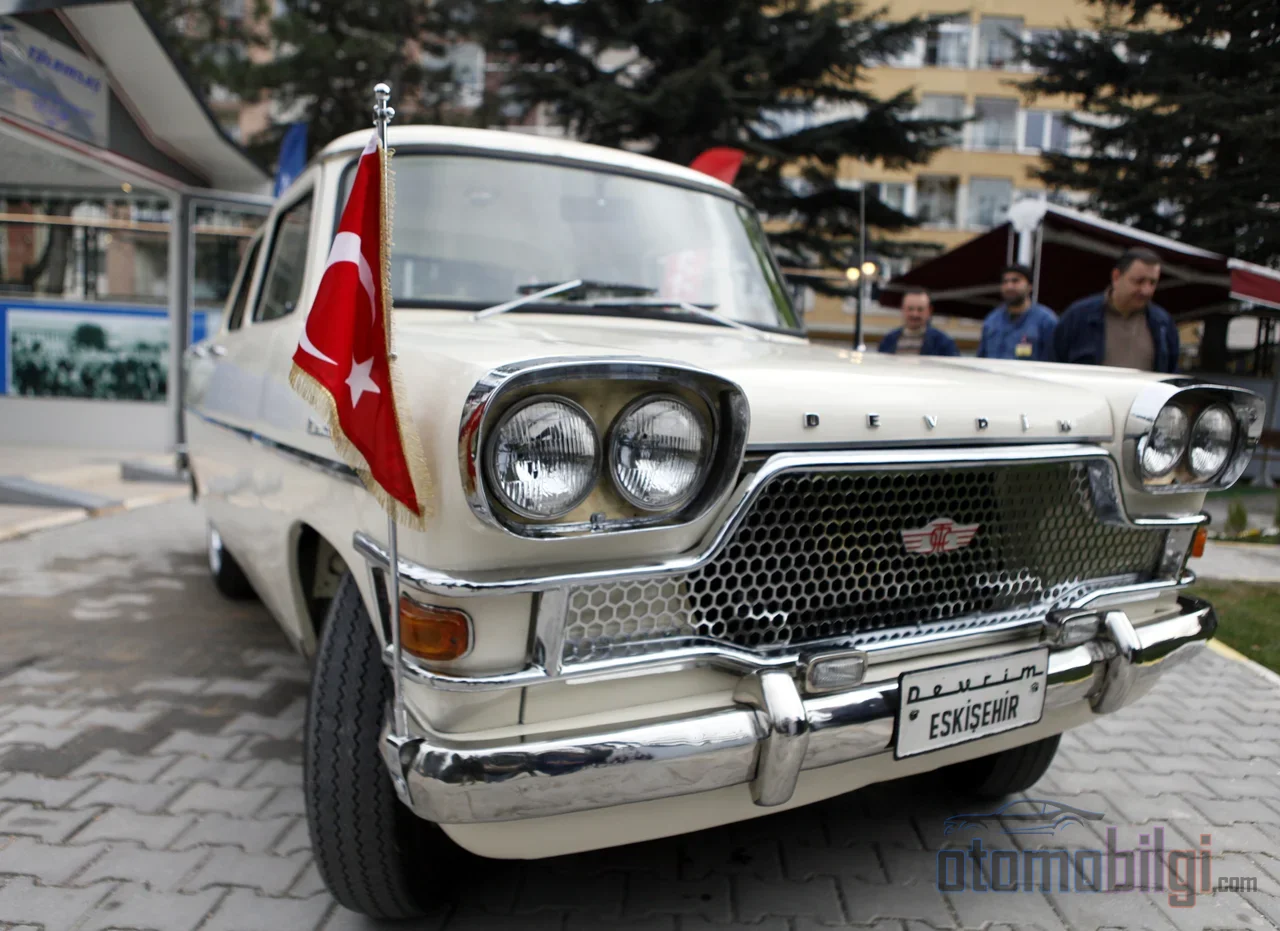
Imagine you built a car. In just 130 days, from scratch, with 23 engineers. Then, on ceremony day, they forget to put fuel in it, and your car comes to a stop after 100 meters. If the story ended there, fine - we would speak of it as a classic fiasco. But it just doesn't end! The Revolution car has continued to live on since 1961 - in movie theaters, in the cameras of documentary crews, on bookshelves, and inside a special museum in Eskisehir. So how exactly does this 65-year-old prototype live on today as cultural heritage? Let's take a look.
The Devrim Cars Movie: Bringing a 100-Meter Mishap to the Screen
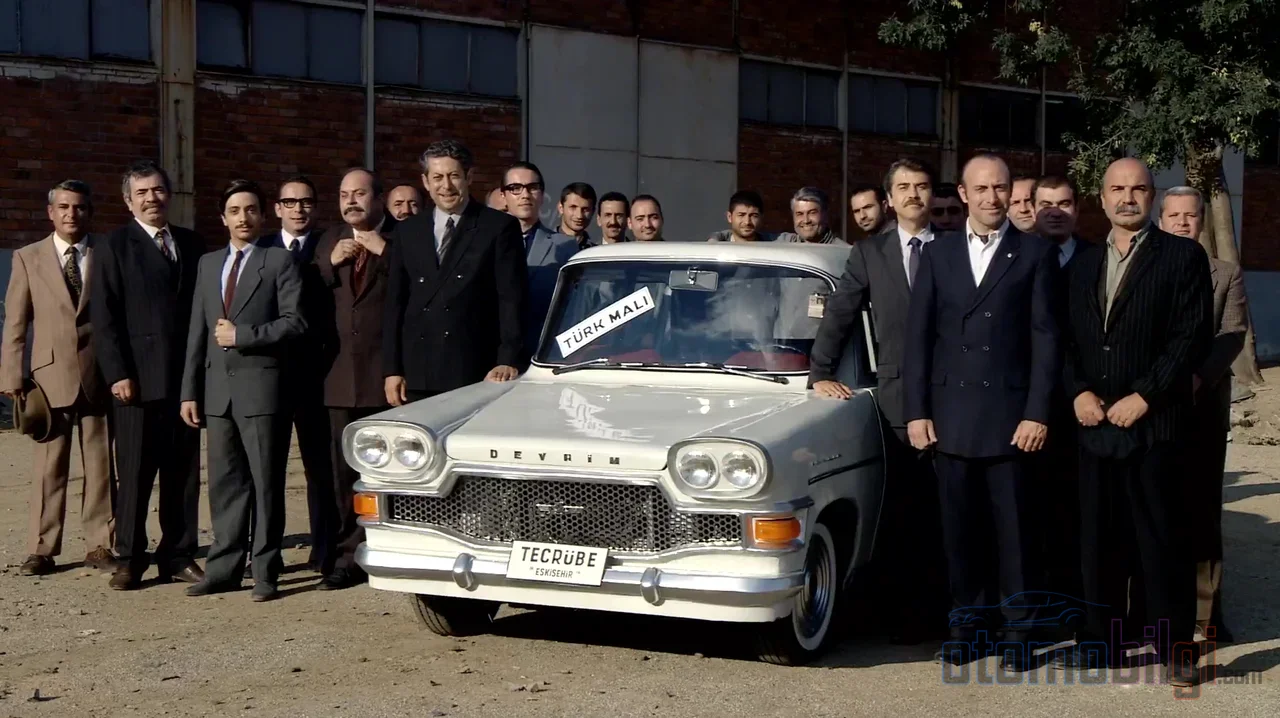
2008 was an interesting year in the fate of Devrim. That year, Devrim Arabalari (The Cars of Revolution), written and directed by Tolga Ornek, was released; Ornek wrote the screenplay together with Murat Disli. The film met audiences on October 24, 2008, and focused on the 1961 production process and the experiences of the engineers who worked on the project. In other words, what we saw on screen was a story far bigger than that famous 100 meters: the efforts of young engineers to meet the Republic Day deadline.
The cast was genuinely strong. The silver screen featured many familiar names, including Haluk Bilginer, Taner Birsel, Halit Ergenc, Selcuk Yontem, Vahide Percin, Ugur Polat, and Sait Genay, who portrayed Cemal Gursel. The music for the 100-minute film was composed by Demir Demirkan, and it was shot by Hasan Gergin.
Shooting, the Exhibition, and the Box Office: Behind the Scenes of the Film
Shooting began on July 4, 2008, at the former Shoe Factory in Beykoz, Istanbul. The most beautiful detail is this: A set was built reflecting the spirit of the 1960s, where Devrim was reproduced with special castings faithful to the original. So for the film, the car was practically reborn. In addition to Istanbul, shooting continued in Eskisehir and Ankara; the screenplay was written after a two-year preparation period. The technical side is also interesting: The film's shooting has the distinction of being the first production in Turkish cinema to be recorded directly to hard disk.
Before its release, a Devrim Arabalari Exhibition was also opened in Istanbul between October 15 and December 15. As for the box office, here is the picture: 187,173 viewers and approximately 1,651,309 TL in revenue were reported; in foreign calculations, a figure of around 1.1 million dollars is mentioned - two numbers with different units and measurements, and while they don't say exactly the same thing item by item, they clearly show that the film reached a wide audience.
Highlights
- The film Devrim Arabalari was released on October 24, 2008; the screenplay was written after two years of research.
- The TURASAS Devrim Cars Museum was first opened to visitors on March 3, 2018.
- In 1961, 23 engineers built the vehicle from scratch in 130 days / 4.5 months; the cost was 1,400,000 TL in the currency of the time.
- For the film, Devrim was reproduced with special castings faithful to the original.
Documentaries: How Does Devrim Return to the Screen?
Cinema is not the only way. Four young graduates of Anadolu University's Faculty of Communication - Fulten Ersun, Funda Erzurum, Gorkem Kiris and Didem Yilmaz - tackled Devrim in documentary format. The beautiful thing about projects like this is: no fiction, no acting; there are archive footage and the accounts of real actors.
A documentary titled Devrim: Turkiye's First Domestic Automobile by a news channel can still be watched on video platforms. In 2026, marking Devrim's 65th anniversary, a new documentary presentation on Devrim was made. In short, every decade a new team picks up a camera and returns to Eskisehir and 1961. Why? Because there is still something to discover in the story - that strange mixture of both shame and pride.
Muhittin Simsek and Testimony Literature
Now let me tell you about the most special source of this story. Muhittin Simsek is known as the youngest engineer of the Devrim project. Years later, he wrote down what he experienced; as a writer addressing Turkiye's industrialization period through his documentary novels, he published the book The Unfinished Dream of Devrim - Our Republican Era Industrialization Adventure. This work was turned into a documentary of the same name by TRT.
There is an important nuance here: In the book's promotion, it is emphasized that much has been written about Devrim, that documentaries and feature films have been made, but that none of them can tell the story as well as someone who lived it firsthand. In other words, there is a silent contest between fictional film and eyewitness narrative - and as readers, we are the winners, because both are at our fingertips.
One detail Simsek relates concerns that famous day as well: The ironic remark attributed to President Cemal Gursel - that the car was built with European logic but the gasoline was forgotten with Turkish logic - circulated by word of mouth for years. Simsek's account anchors the human story behind such anecdotes to documented records.
TURASAS Devrim Automobiles Museum: The Prototypes' New Home
So where are the cars themselves? This is where the most concrete part of the story begins. The TURASAS Eskisehir Regional Directorate campus is where the vehicles were produced in 1961 - the birthplace of the car itself. On March 3, 2018, the Devrim Automobiles Museum opened to visitors for the first time on this campus, and the vehicles have been exhibited here ever since.
The museum houses the vehicles made by the hands of Turkish engineers and workers in 1961; alongside Devrim, the collection also includes engines and documents from that era. It is known that a prototype is exhibited in the museum today; it is also stated that a beige-colored car is preserved in Eskisehir. For the surviving examples of the limited number of prototypes produced in 1961, the museum works like a kind of time capsule.
Devrim as Industrial Heritage
This museum is also discussed from an academic perspective. A master's thesis being conducted examines the TURASAS Devrim Automobiles Museum as an item of industrial heritage and investigates stakeholder views on its preservation and touristic use. Did that sound technical? Let me explain simply: Places and objects that have witnessed a country's industrial past - factories, machines, prototype cars - are preserved in museums not merely as items, but as part of collective memory. Devrim falls precisely into this category: Not a car that failed to run, but the first physical evidence of Turkiye's dream of an automobile industry.
Fiasco or Success? The Real Question About Memory
The driving force behind Devrim's second life is actually a clash of perceptions. The short version goes like this: On June 16, 1961, Head of State Cemal Gursel ordered the construction of a fully domestic automobile. The task was assigned to the railways, the Eskisehir Locomotive Workshops was chosen as the workplace, and 23 engineers built the car from scratch by October 29, 1961 - 130 days, or 4.5 months. The cost was 1,400,000 TL in the figures of the time.
To avoid the risk of an accident, the car was transported to Ankara by train without gasoline; on the day of the ceremony, adding gasoline was forgotten, and the car could only travel 100 meters. The press turned the event into a joke, and series production was abandoned. But today, experts say - quite rightfully - that building a car from scratch in 4.5 months is a major engineering achievement in itself. The dual perception summarized in a documentary sharing is quite clear: The 100-meter misfortune went down in history more than the 129-day engineering achievement.
The film's script was not just telling a story of a strange bout of forgetfulness; it brought to the screen how the engineering achievement was attempted to be destroyed from start to finish by political events, the role of external aid mechanisms and the media of the era in the story. So Devrim's status as cultural heritage is not fed by a one-dimensional memory of pride; it is nourished by a contested, controversial, multilayered past.
Where Can You See Devrim Today?
The summary of the summary, that is, the answer you can send your friends in a single message, is this: The Devrim car lives today as cultural heritage on three grounds - on screen and on the shelf through Tolga Ornek's 2008 film Cars of the Revolution, documentaries by universities and news channels, and the book by witness engineer Simsek; it is physically exhibited at the TURASAS Devrim Cars Museum, which opened on March 3, 2018, on the Eskisehir campus where it was built in 1961.
The 61-year line of dreams stretching from Devrim to today's domestic automobile debates is also a framework beloved by major news agencies and documentary makers. That the adventure which began with a prototype carried by train without gasoline in 1961 is remembered as the starting point of a journey now discussed with modern electric domestic automobiles explains why the story is still fresh.
My favorite part is this: The car stands in the museum, the film is in the archive, the book is on the shelf. But the real legacy is that the work those 23 engineers did through 130 days of sleep deprivation is still being talked about. The 100-meter misfortune could be forgotten - yet it has not been forgotten for 65 years, because every generation asks its own question: Do you have a project where you forgot to add the gasoline? If your answer is yes, here's the good news: Maybe one day it too will have its own museum.
Sources
- Behind the scenes of Devrim Cars - Hürriyet
- Devrim Cars - Wikipedia
- Lead actors of the Devrim Cars film - Milliyet
- TÜRASAŞ Devrim Cars Museum (Tepebaşı) - Eskişehir Culture Tourism
- A Success Story | Devrim Car | TÜRASAŞ
- TÜRASAŞ Devrim Cars Museum - Küre Encyclopedia
- Devrim Cars - Dergipark (S. Şahinkaya)
- The youngest engineer of the Devrim Automobile - Türkiye Newspaper
- Industrial heritage tourism thesis - Anadolu University Avesis
- A 61-year-old dream stretching from Devrim to Togg - Anadolu Agency