How Similar Are Factory-Fitted LPG Engines to Petrol Engines?
Share This Page
A factory-fitted LPG engine is not an exact copy of the petrol engine, but it is not a completely different engine either: the engine block, pistons, ignition and lubrication systems remain the same; the differences concentrate on points that touch LPG's combustion character, such as the compression ratio, valve seats, injection architecture and engine management software. In this article, we go through those differences one by one.
Highlights
- The octane number of autogas is approximately 100; higher than most unleaded petrol.
- In factory LPG engines, the fundamental differences lie in the fuel storage and intake systems; the engine block is the same as the petrol version.
- Since LPG takes up approximately 15–20% more volume than petrol, it can slightly affect power output.
- Hardened valve seats are the most important design-level measure taken against LPG's ash-free combustion character.
- In direct-injection petrol engines, LPG can reduce particulate emissions by more than 90% .
How Does LPG Work as a Fuel in a Petrol Engine?
LPG's most important identity in the engine world lies hidden in its octane number. The octane value of autogas is approximately 100; this is above the octane value of most unleaded petrol and the recommended octane values of production vehicles. High octane raises knock resistance. Knock is the uncontrolled, spontaneous combustion of the mixture without waiting for spark plug ignition; as the compression ratio rises, this risk increases rapidly. For this reason, high-compression engines naturally demand high-octane fuel.
LPG's octane advantage opens up an interesting design space for manufacturers: choosing a compression ratio more aggressive than the petrol version, optimizing the combustion phase. In addition, LPG burns cleaner than petrol; it reduces carbon build-up and keeps spark plugs, valves, pistons and cylinder heads clean. This means preserving the geometry of the combustion chamber's design in the long run.
However, LPG also has a price. Fuel in gaseous form does not carry as much volumetric energy density as liquid fuel; it is stated that in one source, LPG takes up 15–20% more volume than petrol and that this affects power output. In other words, LPG is not a fuel that empowers the engine; its balance is established elsewhere.
Where Does a Factory LPG Engine Differ from a Petrol One?
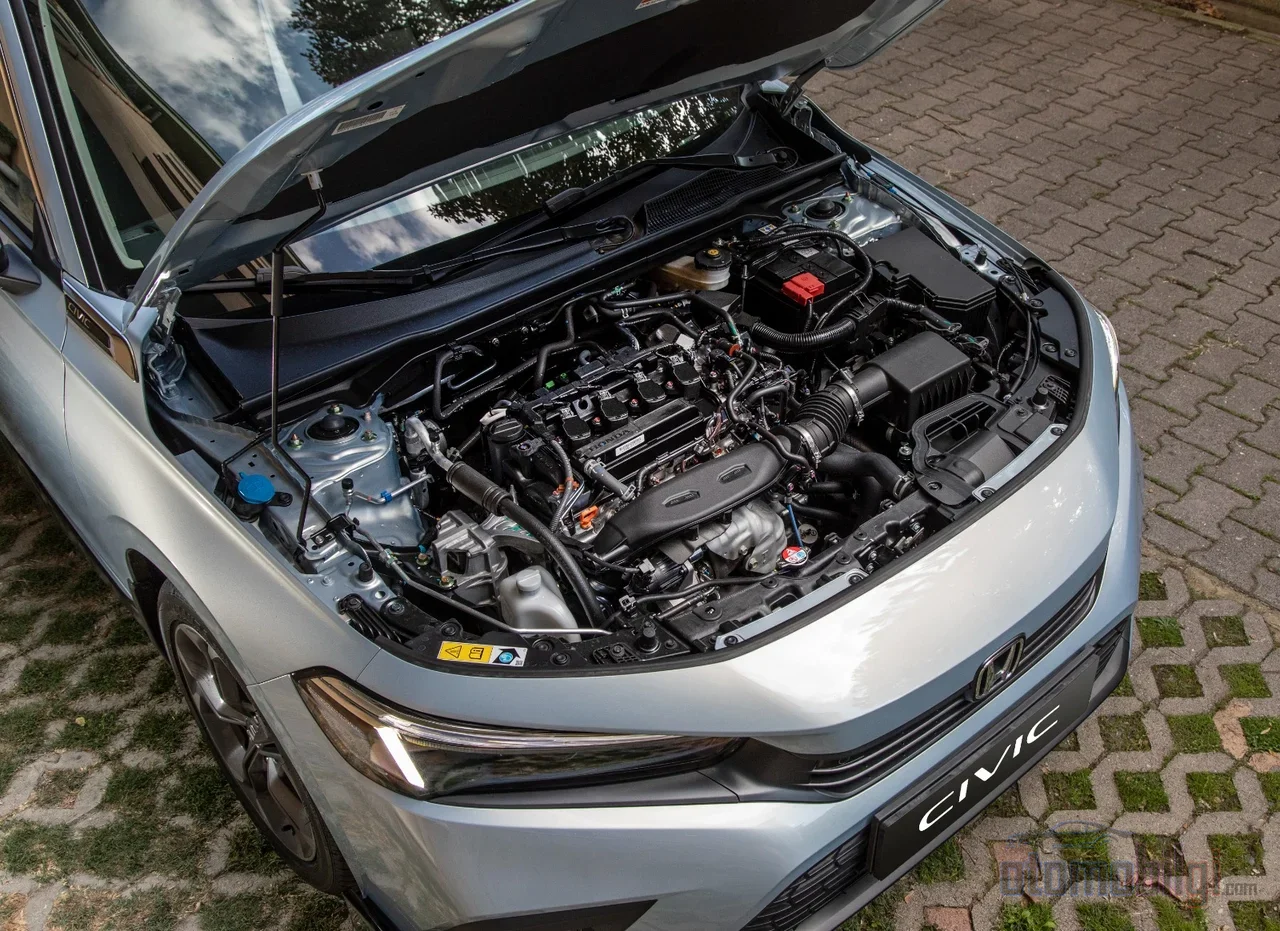
The bi-fuel engine that the manufacturer releases from the factory is a variant of the standard petrol engine. The engine block, pistons, spark plugs, ignition system, lubrication system and electrical equipment remain the same. The fundamental difference is gathered in the fuel itself and in the fuel storage and intake systems. The bi-fuel model comes with two fuel tanks; the driver can switch between petrol and LPG with a switch, and the two tanks together can double the range.
This approach is not new. Many European manufacturers such as Volkswagen, Citroën, Fiat, Ford, Opel, Saab, Peugeot, Renault, Skoda and Volvo have offered factory LPG models; on the Asian side, Toyota, Hyundai, Daewoo and Tata Motors followed the same path. What is striking is that these models are given the same warranty as their petrol versions: this is the most concrete indicator of the manufacturer's confidence in LPG.
Liquid phase or sequential vapor injection?
The depth of factory integration can be measured by the decision manufacturers give to the injection architecture. In Australia, Ford chose the liquid phase injection system for the Falcon EcoLPi while Holden selected sequential vapor injection for the LPG Ecoline Commodore Both approaches were offered with full factory warranty. Holden went even further: the LPG version of the Commodore used hardened valves and valve seats specifically designed for LPG. In other words, what we call a factory LPG engine can also include durability engineering that goes beyond the fuel system.
Valve Seats: LPG's Most Critical Vulnerability
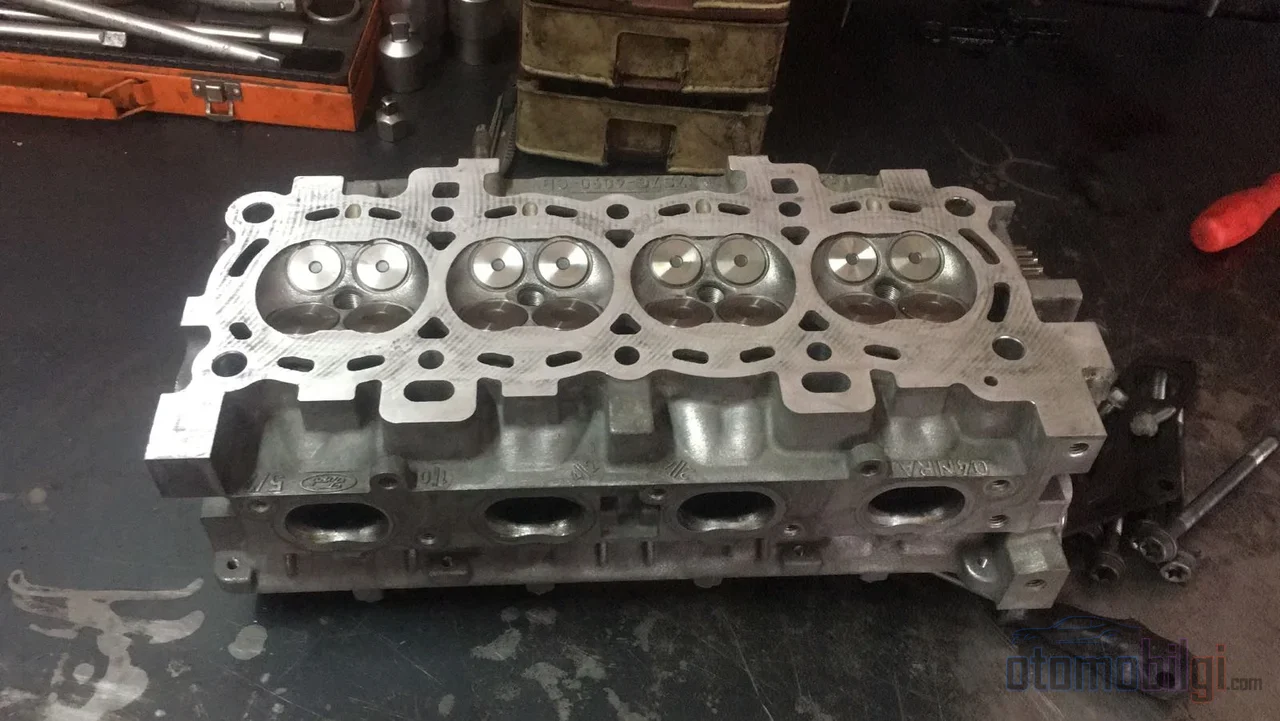
When LPG vaporizes, it is a dry gas; it has no lubricating properties. This single sentence summarizes the entire debate about valve seats. Historically, leaded gasoline lubricated the contact surface between the valve and the cylinder head; the removal of lead became a common cause of wear known as valve seat recession. The fact that LPG also carries no lubricant keeps the same mechanism alive: exhaust valves run hotter on LPG, especially under high load, creating a risk of recession in non-hardened seats.
On the factory side, the solution is given at the design stage: hardened valve seats - stellite coating or induction-hardened cast iron - are used for LPG engines to withstand higher operating temperatures. In some engines with aluminum heads, the seats are already hardened at the factory; such engines are much more suitable for LPG. After the design stage, there is no magic solution; the expert consensus in engineering forums points in the same direction.
Still, there is no need to panic: many different causes can lie behind valve damage, and it is not right to attribute every failure to a working LPG system. In vehicles converted after manufacture, the classic answer installers offer to customers worried about valve seat recession is valve seat protection additives. These additives are designed to compensate for the lack of lubrication; the permanent solution, however, lies on the hardware side.
Injection Architecture and Software: The Dance of Two ECUs
The heart of modern LPG systems is sequential vapor injection, and its operation relies on an elegant synchronization: the gas supply follows the gasoline injection sequence exactly. The LPG ECU reads the pulse width of the original gasoline injector, the gas pressure, the gas temperature, and the relevant engine signals; with these data it calculates the LPG pulse duration and triggers its own injectors in harmony with the gasoline timing.
The meaning of this architecture is this: the brain of engine management is still gasoline; the LPG ECU works like its interpreter. A properly calibrated system can deliver the same driving dynamics on LPG as on gasoline - and what makes this possible is the advanced software. The quality gap between factory integration and aftermarket conversion also largely emerges at this point: while the manufacturer writes and tests the software from scratch together with the engine code, aftermarket conversion relies on generic maps.
LPG in Turbocharged and Direct-Injection Engines
Current LPG systems inject gas into each cylinder individually and operate in sync with the engine management system; this approach is also the foundation of safe use in turbocharged engines. The picture is more interesting in direct-injection (DI) gasoline engines: published research shows that LPG reduces particulate emissions in DI gasoline engines by more than 90% . The fact that the gas does not cause wall wetting and forms a homogeneous mixture is a natural advantage against the known problems of the DI combustion chamber.
On the other hand, there is a technical obstacle: LPG, unlike gasoline, cannot be carried and timed as a high-pressure liquid; the DI pump and rail architecture is designed for liquid fuel. Therefore, while some DI engines can be converted in practice, the engine code and LPG equipment support must first be checked; not every DI engine is suitable for LPG, and the lack of independent verification on this subject continues.
Engine Longevity: Between Claims and Mechanical Reality
The effect of LPG on engine longevity can largely be reduced to a single question: has the valve hardware been hardened? If it has, LPG's clean combustion makes your job easier - carbon deposits decrease, oil contamination slows, and the lifespan of parts like piston rings extends. If it has not, the hotter operation of the exhaust valves and the dry gas's lack of lubrication keeps the risk of valve seat recession on the table in the long run. This is also why opinions diverge so much: the two sides are talking about different hardware.
There are also nuances regarding long-term use: a 2026 study suggested that continuous long-term autogas use could lead to thermal pitting in combustion chamber components, while the same study confirmed that LPG burns cleaner and reduces carbon buildup. So LPG is neither an engine-destroying fuel nor a risk-free miracle; it is an efficient and clean alternative in an engine whose character is known and whose hardware has been chosen accordingly.
As a result, the difference between a factory LPG engine and a gasoline engine is not very visible under the hood but is important: the same block, a different fuel chemistry; the same basic architecture, different valve seats, injection strategy, and calibration map. This gas has a high octane number and zero lubricity; for a manufacturer that designs its engine accordingly, it is an ordinary engineering problem, while for one that does not, it is a job requiring careful calibration and hardware.
Sources
- Does Car LPG Gas Auto Conversion Damage LPG Gas Car Engines?
- The characteristics of gasoline engines with the use of LPG
- Cyclic variations on LPG and gasoline-fuelled lean burn SI engines
- GM Holden Develops All-New LPG System for Commodore
- Valve Seat Recession
- Valve Seat Recession - An Independent Review of Existing Data
- Does running on gas burn out valve seats?
- How petrol and LPG systems work together
- Sequential LPG
- Direct injection: A Q&A with Southwest Research Institute
- Experimental and numerical study of LPG on dual-fuel diesel engine under variable compression ratio
- Long Term Continuous Use of Auto-LPG Causes Thermal Pitting in Automotive S.I. Engine Parts
- How to Understand the Relation of Compression Ratio and the Octane Number