Otomobilgi.comOtomobilgi.com
  • Türkçe
  • English
  • Deutsch
  • Français
  • Italiano
  • Español
  • Português
  • Polski
  • Magyar
  • Azərbaycanca
  • Bahasa Indonesia
  • Русский
  • 中文
  • 日本語
  • 한국어
  • हिन्दी
  • বাংলা
  • العربية
  • فارسی
  • Türkçe
  • English
  • Deutsch
  • Français
  • Italiano
  • Español
  • Português
  • Polski
  • Magyar
  • Azərbaycanca
  • Bahasa Indonesia
  • Русский
  • 中文
  • 日本語
  • 한국어
  • हिन्दी
  • বাংলা
  • العربية
  • فارسی
  • HOME PAGE
  • NEWS
    Turkish Automotive Industry News
    Global Automotive Industry News
    Turkish Motorsports News
    Global Motorsports News
  • INTERNAL COMBUSTION
    Internal Combustion Models
    Internal Combustion Engine Technologies
    Fuel and Consumption
    Emission and Environment
    Internal Combustion Ownership
    History of the Internal Combustion Automobile
  • ELECTRIC
    Electric Models
    Electric Car Technologies
    Charging and Infrastructure
    Battery Technology
    Range and Consumption
    Electric Vehicle Ownership
    History of the Electric Car
  • HYBRID
    Hybrid Models
    Hybrid Systems
    Battery and Charging
    Consumption and Efficiency
    Hybrid Ownership
    History of Hybrid Cars
  • TECHNOLOGY
    Driver Assistance Systems
    Safety Technologies
    Lighting and Visibility Technologies
    Infotainment and Connectivity
    Autonomous Driving and Artificial Intelligence
    Future Technologies
  • GUIDES
    Buying Guides
    Sales Guides
    Maintenance and Use
    Ownership and Costs
    Tires and Wheels
    Insurance and Inspection
  • HISTORY & CULTURE
    Automobile History
    Iconic Models
    Classics and Collections
    Türkiye's Automobile Journey
    Automobile Design
    Cars and Popular Culture
  • MOTORSPORT
    Formula 1
    Rallying (WRC)
    Rallycross
    MotoGP
    Formula 2 & Formula 3
    Karting
    24 Hours of Le Mans
    WEC
    NASCAR
    IndyCar
    DTM
    GT Races
    Drift
    Drag Races
  • Türkçe
  • English
  • Deutsch
  • Français
  • Italiano
  • Español
  • Português
  • Polski
  • Magyar
  • Azərbaycanca
  • Bahasa Indonesia
  • Русский
  • 中文
  • 日本語
  • 한국어
  • हिन्दी
  • বাংলা
  • العربية
  • فارسی
  • Türkçe
  • English
  • Deutsch
  • Français
  • Italiano
  • Español
  • Português
  • Polski
  • Magyar
  • Azərbaycanca
  • Bahasa Indonesia
  • Русский
  • 中文
  • 日本語
  • 한국어
  • हिन्दी
  • বাংলা
  • العربية
  • فارسی
  1. HOME PAGE
  2. HYBRID
  3. Hybrid Systems

Hybrid Systems

Share This Page
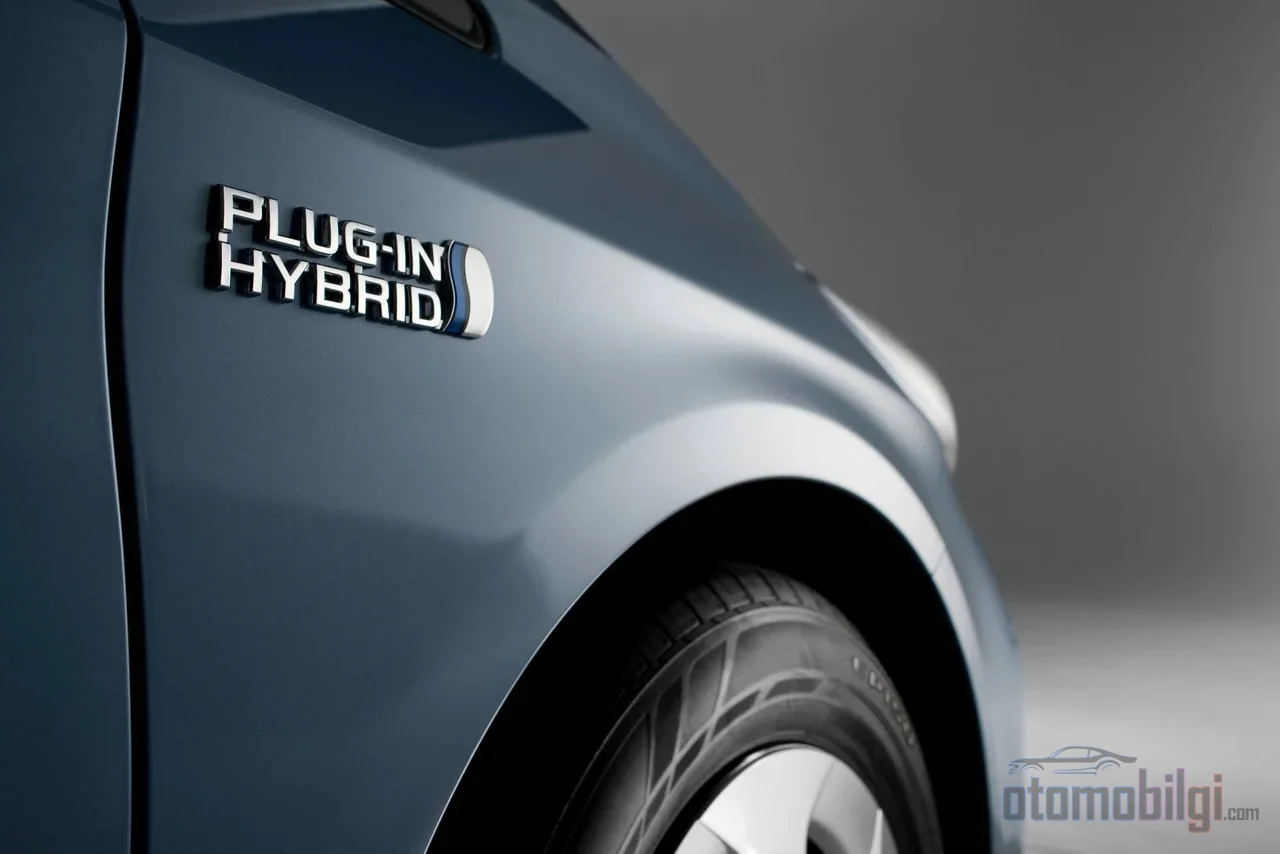
Mechanically, nothing happens to a plug-in hybrid that isn't charged; the only thing lost is the entirety of the electric driving promised by its expensive battery.
What Happens If a Plug-in Hybrid Is Not Charged? PHEV in Real-World Use
Deniz Erkan15 October 2026

A plug-in hybrid that never gets charged becomes nothing dramatic: the vehicle simply keeps working like a normal hybrid that is a bit heavier and burns a bit more fuel. The battery is not damaged, the car does not shut down; the only thing lost is t…

Read More
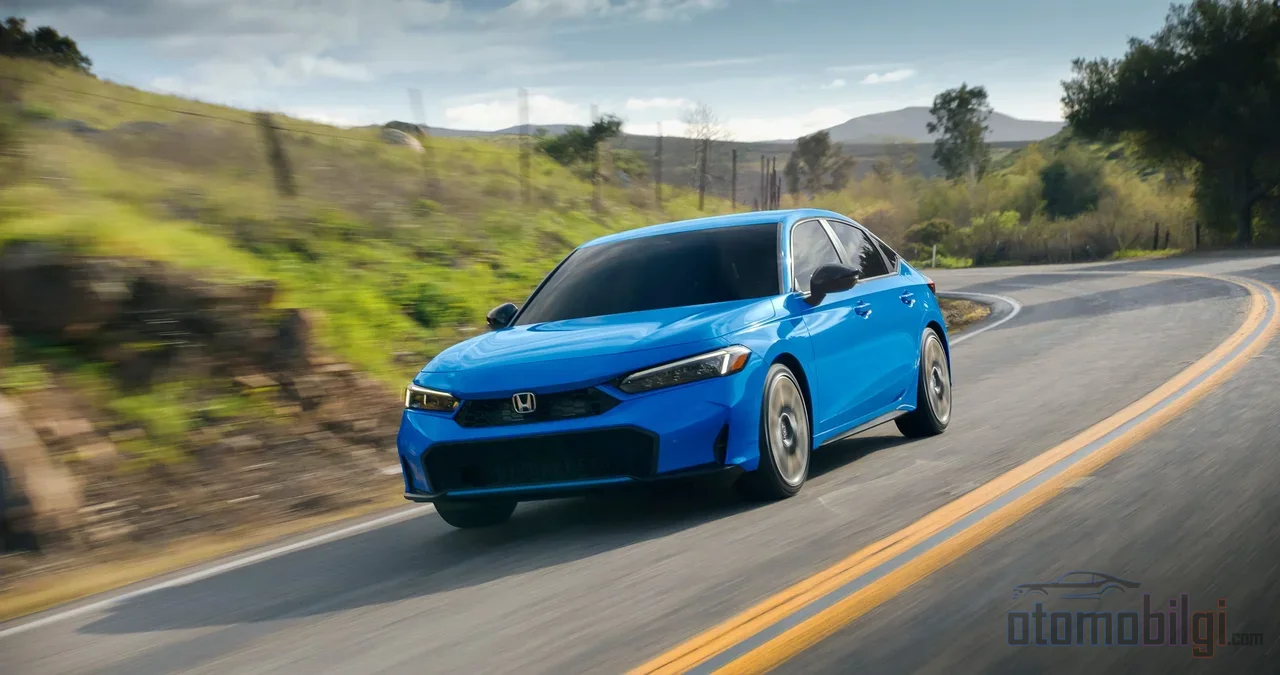
A hybrid battery's warranty period is not an expiration date, but the minimum limit of the manufacturer's responsibility; well-maintained packs can outlive the vehicle's engine.
How Long Does a Hybrid Battery Last, and How Much Does Replacement Cost?
Deniz Erkan15 October 2026

Hybrid batteries last on average 8–15 years or 160,000–320,000 km or thereabouts, and in most cases they outlive the vehicle's engine; the warranty period in the 160,000 km band is not the battery's expiration date, only the manufacturer's minimum li…

Read More

The hybrid car's real gain emerges in stop-and-go traffic; on the highway the savings continue, but the difference shrinks noticeably.
Are Hybrid Cars More Advantageous in the City or on Long Journeys?
Deniz Erkan14 October 2026

Hybrid cars are clearly more advantageous in city driving dominated by stop-and-go traffic; they also save fuel on highways and long journeys, but the difference is small. The reason is simple: the electric motor's power is used most efficiently at l…

Read More
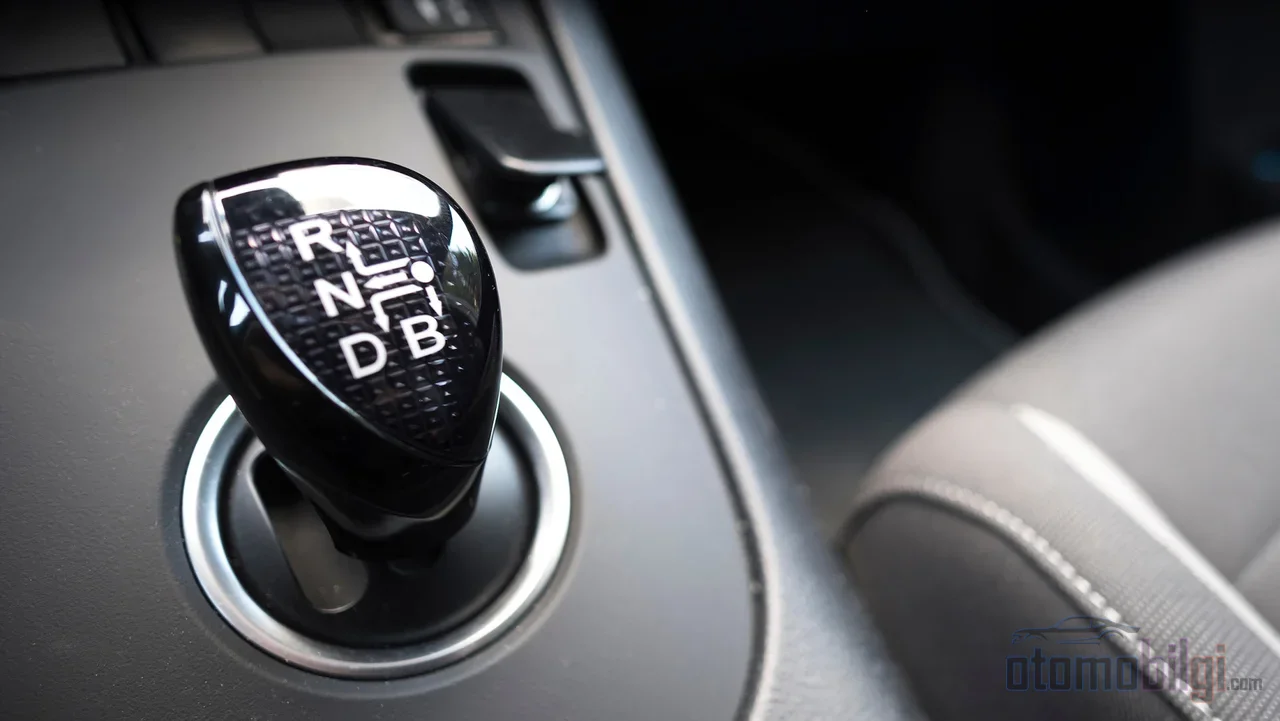
The e-CVT in hybrids is not a transmission but a power-split device that combines the power of the engine and the generator in continuously varying ratios.
How Does the e-CVT in Hybrids Actually Work?
Deniz Erkan13 October 2026

The e-CVT in hybrid cars is not a transmission in the classical sense: it contains no belt, pulleys, or gear teeth. Instead, it is a power split device consisting of a single planetary gear set and two electric motors; by combining engine power and g…

Read More
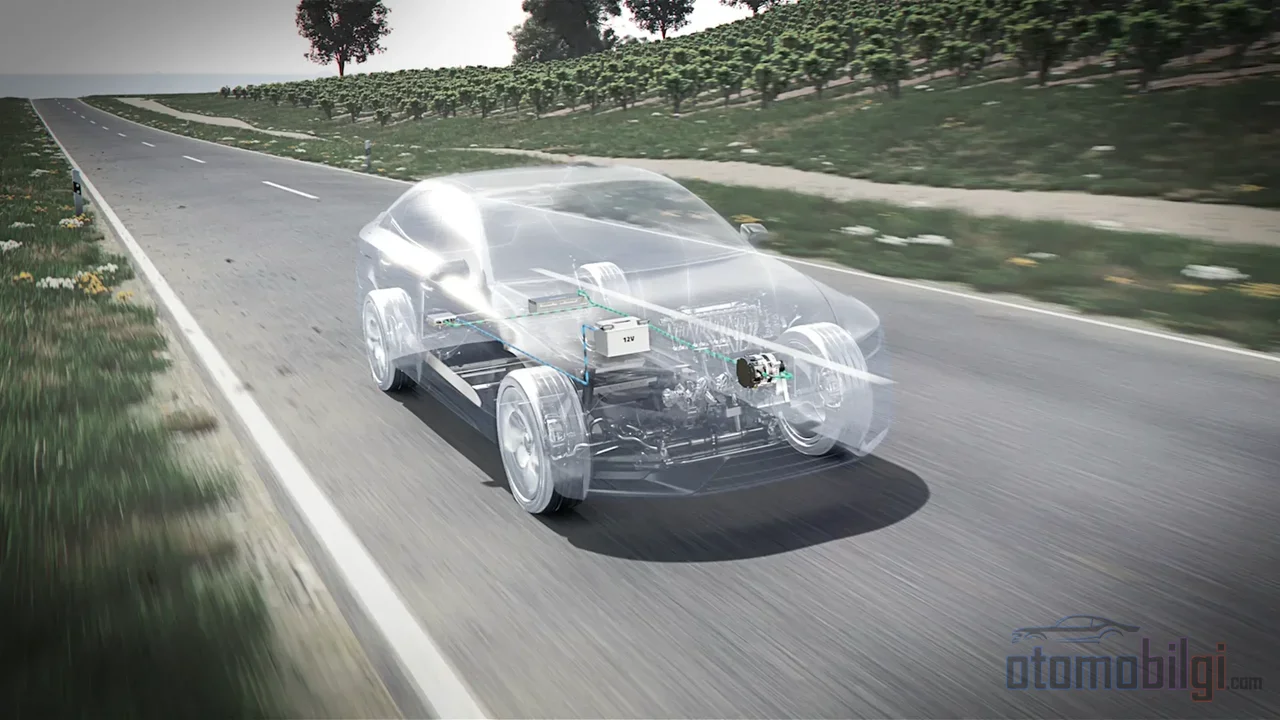
A 48-volt mild hybrid never drives the car entirely on electricity; it only perfects the start-stop system with savings of around 10%.
Is 48-Volt Mild Hybrid Really a Hybrid, or Just Marketing?
Deniz Erkan12 October 2026

Short answer: a 48-volt mild hybrid is not a hybrid in the full sense; it does not deliver drive power to the wheels with an electric motor, but is rather an enhanced start-stop and energy recovery system. Still, it reduces consumption in a measurabl…

Read More
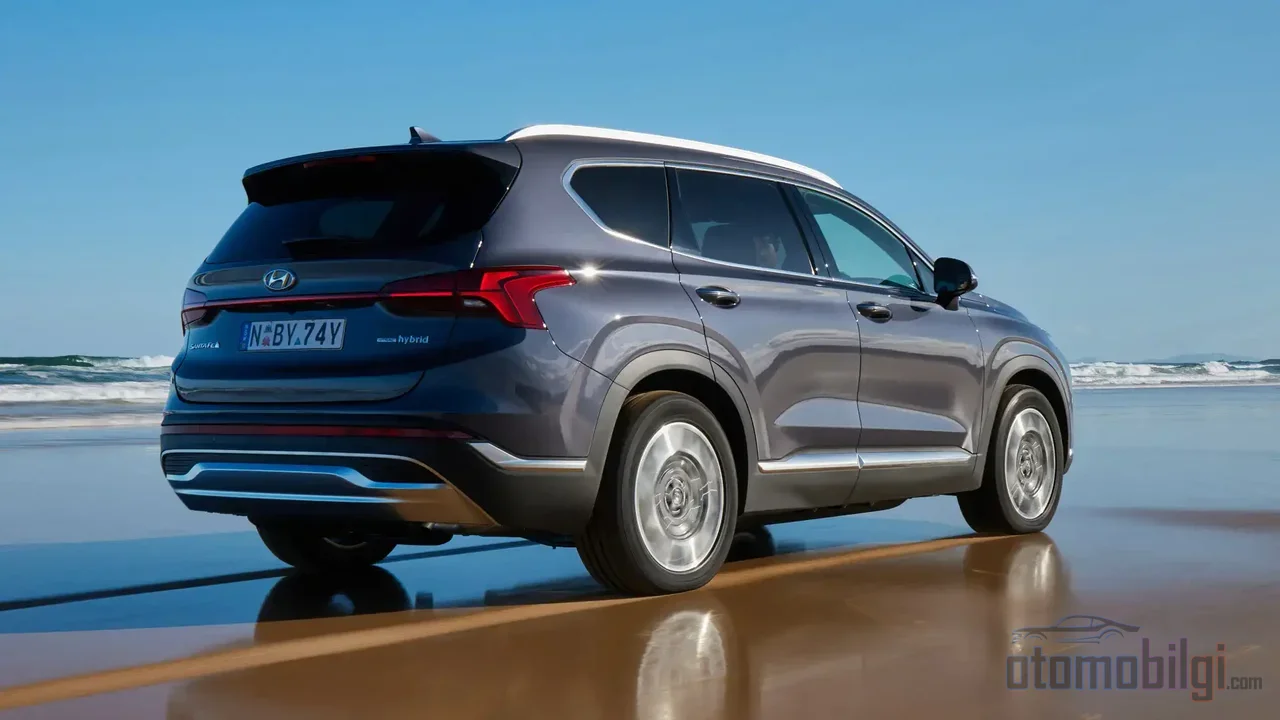
The same "full hybrid" label is misleading; Toyota, Honda, and Hyundai architectures determine everything from driving feel to fuel consumption.
Why Do Toyota, Honda and Hyundai Hybrids Work Differently?
Deniz Erkan12 October 2026

Beneath two vehicles wearing the same "full hybrid" label, completely different powertrain architectures can operate: Toyota splits the power with a planetary gear set, Honda mostly works like a series hybrid and connects directly to the engine at hi…

Read More
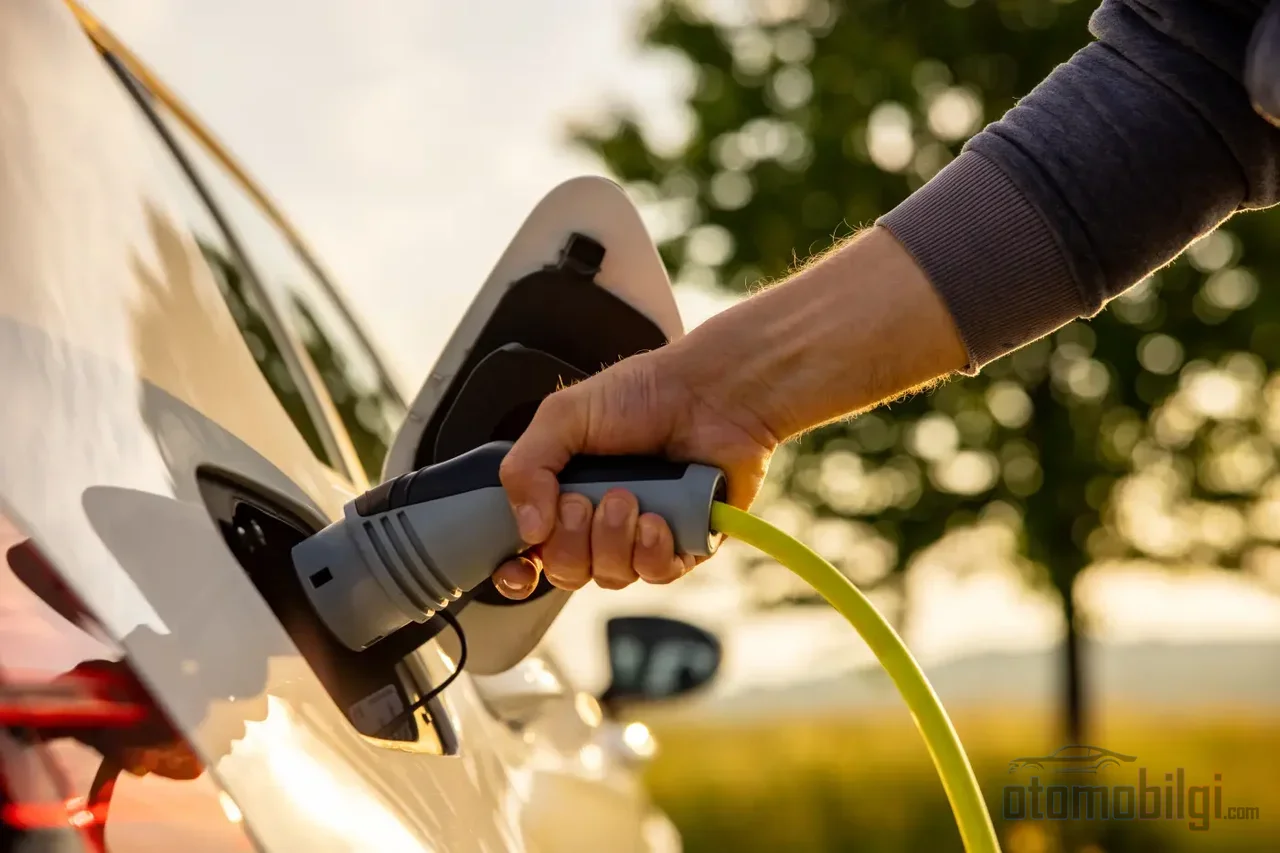
Although hybrid vehicle maintenance largely follows the same logic as gasoline models, additional items such as regenerative braking and the battery make a difference.
Is Hybrid Maintenance Different from Gasoline? Service and Cost Guide
Deniz Erkan11 October 2026

Hybrid vehicle maintenance follows largely the same logic as gasoline cars; the difference emerges in a few specific items. Brake pads last far longer thanks to regenerative braking, oil changes generally become less frequent, while items absent from…

Read More
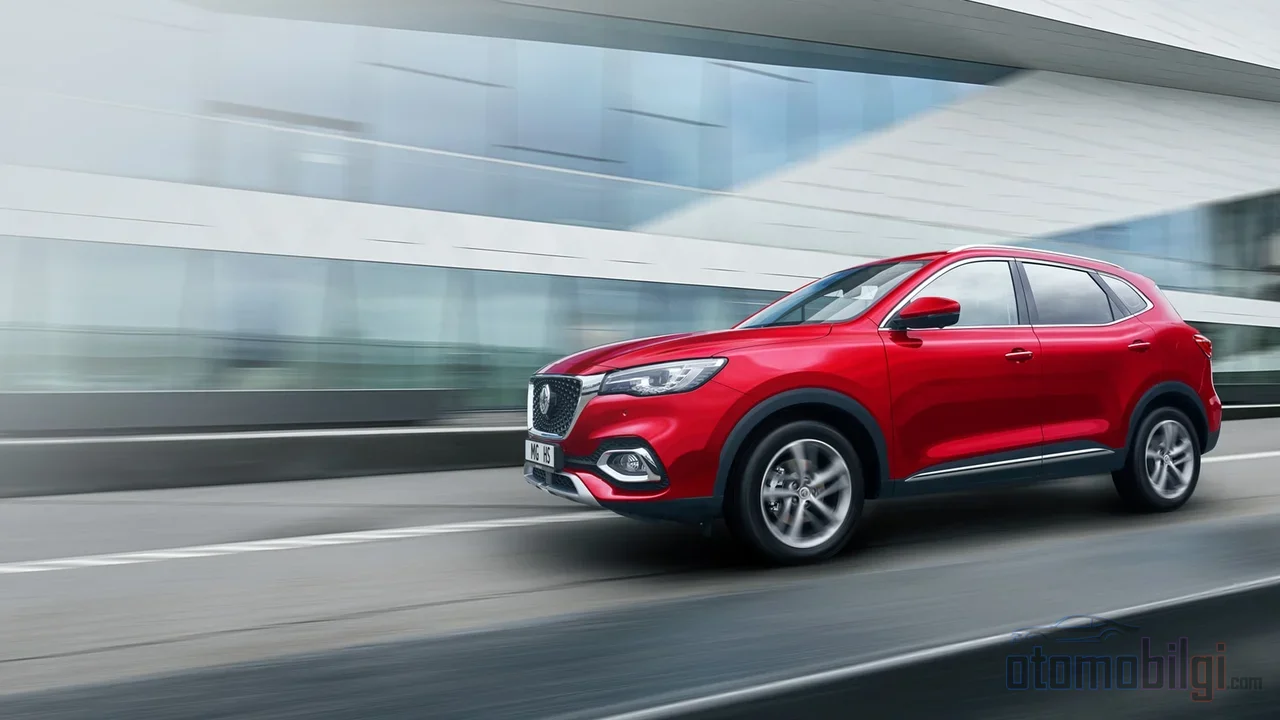
The differences between full hybrid, mild hybrid, and plug-in hybrid systems are compared based on charging method and battery capacity.
Full, Mild, or Plug-in? A Guide to Hybrid Car Types
Deniz Erkan11 October 2026

Hybrid cars fall into three main groups: full hybrid (self-charging), which requires no external charging; mild hybrid, which only assists the gasoline engine; and plug-in hybrid (PHEV), which can be charged from an outlet and drive a certain range e…

Read More
  • Previous
  • 1
  • 2

Category Editor

Deniz Erkan

Deniz Erkan

One of the most important habits my profession as a mechanical engineer has given me is looking not only at a system's outcome, but also at how and why it works. My interest in automobiles is also fueled by this perspective. For me, a car is not just design, performance, or comfort; it is a holistic system where mechanics, electronics, software, and engineering come together.

Over time, I combined my engineering background with software development. The intersection of these two fields has allowed me to look at modern automobiles from a more integrated perspective. I follow the world of automobiles, from engines and suspension to driver assistance systems and software technologies, through the eyes of both an engineer and a car enthusiast.

My aim at Otomobilgi.com is to explain technical subjects in a language that preserves engineering accuracy and keeps curiosity about cars alive, without drowning them in unnecessary complexity. Because for me, a good car is not merely beautiful or fast; it is a special work that conveys design, technology, and driving character as a whole.

Follow Us on Social Media

Share This Page

Follow Us on Social Media

  • About Us
  • KVKK Disclosure Statement
  • Privacy Policy
  • Contact
Otomobilgi.com
INDEPENDENT AUTOMOBILE CULTURE PLATFORM
Powered by Virgo CMS