Otomobilgi.comOtomobilgi.com
  • Türkçe
  • English
  • Deutsch
  • Français
  • Italiano
  • Español
  • Português
  • Polski
  • Magyar
  • Azərbaycanca
  • Bahasa Indonesia
  • Русский
  • 中文
  • 日本語
  • 한국어
  • हिन्दी
  • বাংলা
  • العربية
  • فارسی
  • Türkçe
  • English
  • Deutsch
  • Français
  • Italiano
  • Español
  • Português
  • Polski
  • Magyar
  • Azərbaycanca
  • Bahasa Indonesia
  • Русский
  • 中文
  • 日本語
  • 한국어
  • हिन्दी
  • বাংলা
  • العربية
  • فارسی
  • HOME PAGE
  • NEWS
    Turkish Automotive Industry News
    Global Automotive Industry News
    Turkish Motorsports News
    Global Motorsports News
  • INTERNAL COMBUSTION
    Internal Combustion Models
    Internal Combustion Engine Technologies
    Fuel and Consumption
    Emission and Environment
    Internal Combustion Ownership
    History of the Internal Combustion Automobile
  • ELECTRIC
    Electric Models
    Electric Car Technologies
    Charging and Infrastructure
    Battery Technology
    Range and Consumption
    Electric Vehicle Ownership
    History of the Electric Car
  • HYBRID
    Hybrid Models
    Hybrid Systems
    Battery and Charging
    Consumption and Efficiency
    Hybrid Ownership
    History of Hybrid Cars
  • TECHNOLOGY
    Driver Assistance Systems
    Safety Technologies
    Lighting and Visibility Technologies
    Infotainment and Connectivity
    Autonomous Driving and Artificial Intelligence
    Future Technologies
  • GUIDES
    Buying Guides
    Sales Guides
    Maintenance and Use
    Ownership and Costs
    Tires and Wheels
    Insurance and Inspection
  • HISTORY & CULTURE
    Automobile History
    Iconic Models
    Classics and Collections
    Türkiye's Automobile Journey
    Automobile Design
    Cars and Popular Culture
  • MOTORSPORT
    Formula 1
    Rallying (WRC)
    Rallycross
    MotoGP
    Formula 2 & Formula 3
    Karting
    24 Hours of Le Mans
    WEC
    NASCAR
    IndyCar
    DTM
    GT Races
    Drift
    Drag Races
  • Türkçe
  • English
  • Deutsch
  • Français
  • Italiano
  • Español
  • Português
  • Polski
  • Magyar
  • Azərbaycanca
  • Bahasa Indonesia
  • Русский
  • 中文
  • 日本語
  • 한국어
  • हिन्दी
  • বাংলা
  • العربية
  • فارسی
  • Türkçe
  • English
  • Deutsch
  • Français
  • Italiano
  • Español
  • Português
  • Polski
  • Magyar
  • Azərbaycanca
  • Bahasa Indonesia
  • Русский
  • 中文
  • 日本語
  • 한국어
  • हिन्दी
  • বাংলা
  • العربية
  • فارسی
  1. HOME PAGE
  2. INTERNAL COMBUSTION
  3. Fuel and Consumption

Fuel and Consumption

Share This Page
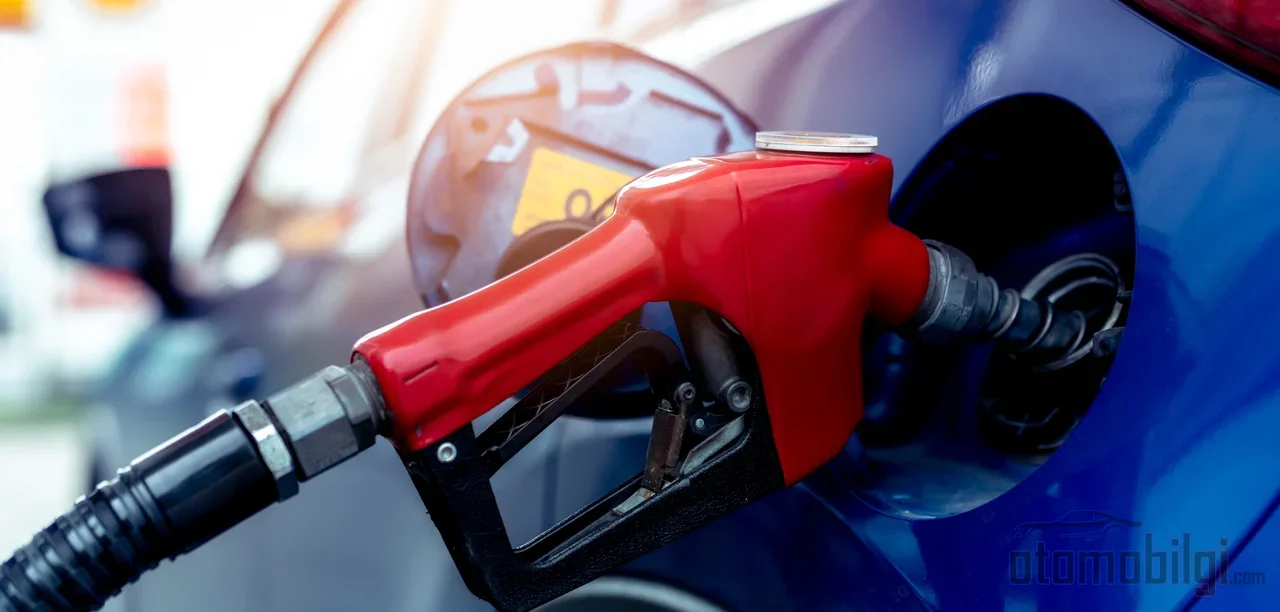
The octane number on the pump won't fool you; the real difference that determines your engine's lifespan lies hidden in the detergent additive package placed in the fuel.
Can Cheap Fuel and Expensive Fuel Be the Same?
Deniz Erkan16 October 2026

The real difference between two gasolines of the same octane rating lies not in the price tag at the pump, but in the detergent additive package included in the formulation. Octane measures the fuel's resistance to self-ignition; it does not measure …

Read More
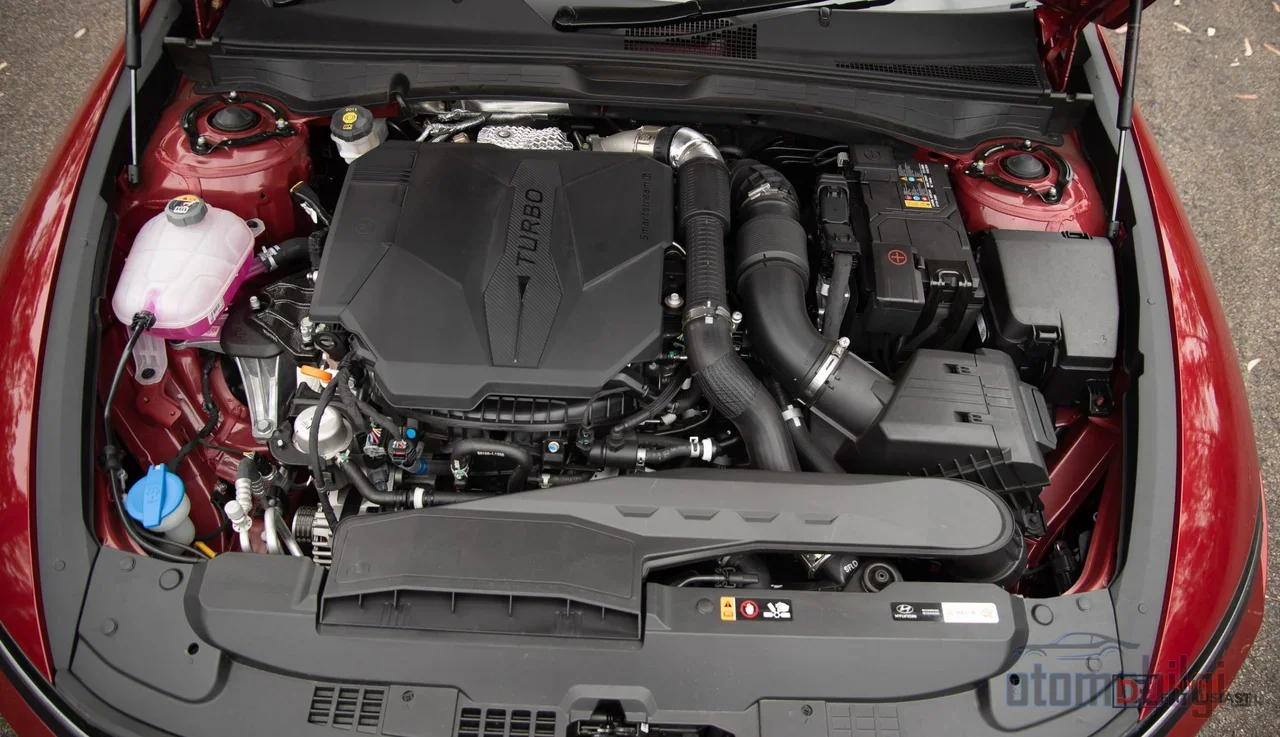
If your annual mileage is low and you drive in stop-and-go city traffic, a petrol engine is almost always the more sensible choice.
Gasoline or Diesel? Choosing Based on Engine Character and Usage
Deniz Erkan14 October 2026

There is no single correct answer to the petrol or diesel question; the right answer changes depending on the engine's character and your annual usage profile. Thanks to compression ignition, a diesel produces high torque at low revs and burns less o…

Read More
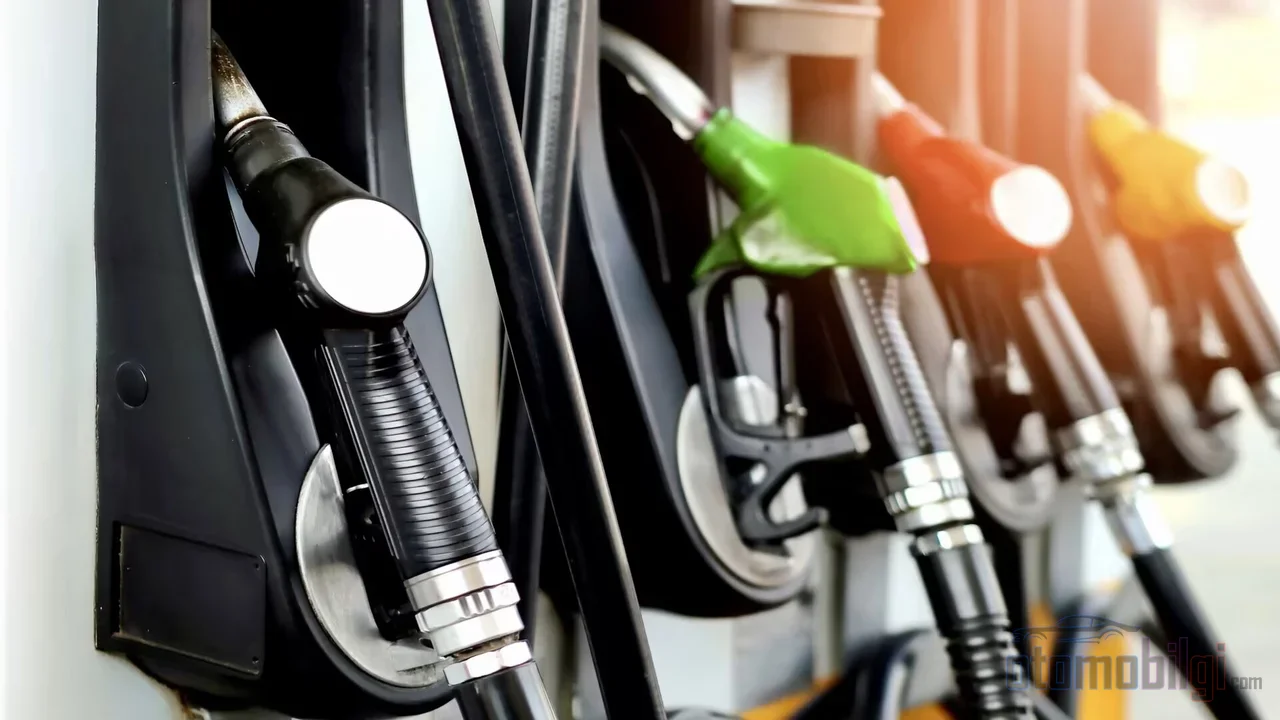
Octane rating is not a measure of the gasoline, but of the engine's fury; in a standard engine, high octane only shows up on the pump display.
Does High-Octane Gasoline Really Burn Less Fuel?
Deniz Erkan13 October 2026

No, high-octane gasoline does not measurably reduce fuel consumption in a standard engine. Octane rating measures the fuel's resistance to premature ignition - that is, knock - not its energy content. If your engine cannot use it, you will see the di…

Read More
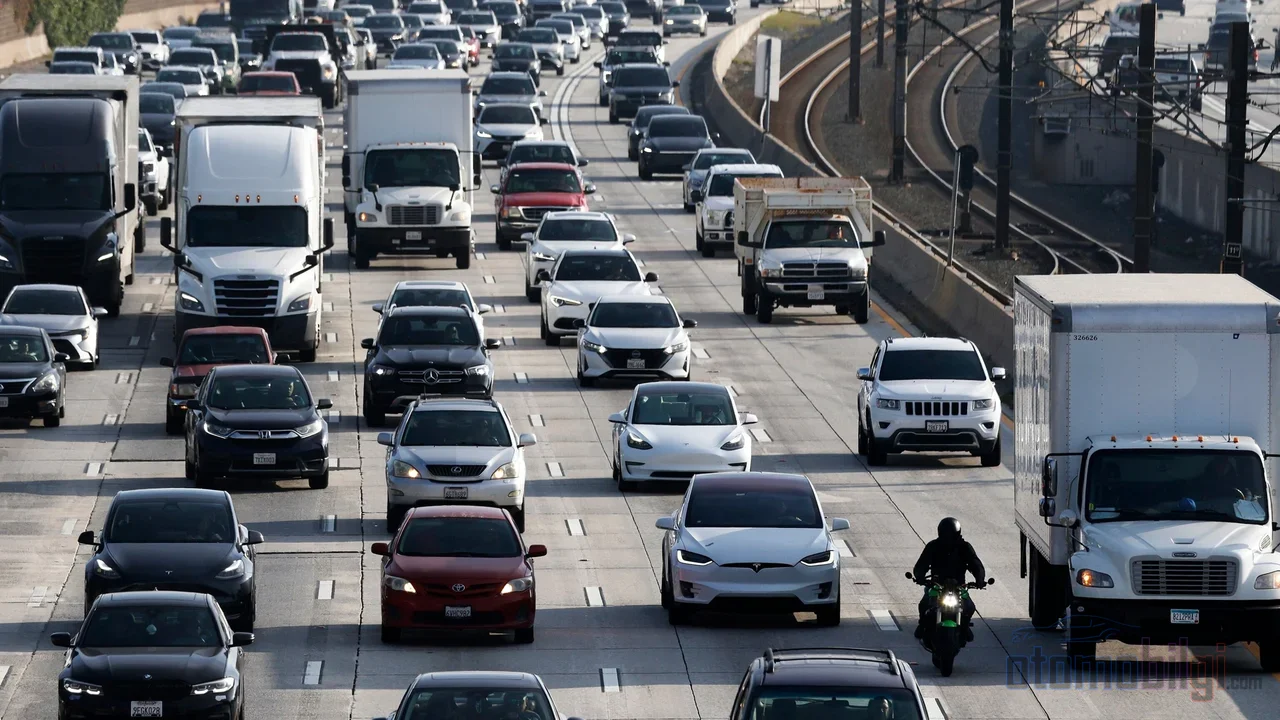
The secret behind seeing 4 liters in the catalog is this: the WLTP value is not a race between cars, but a comparison reference measured under the same conditions.
4 Liters in the WLTP Lab, 6 on the Road: Where Does This Difference Come From?
Deniz Erkan12 October 2026

A gasoline car that consumes 4 liters in the WLTP laboratory may burn 6 liters on the road; this difference does not mean the vehicle is faulty. The catalog value is a comparison reference measured under standardized and repeatable conditions, while …

Read More
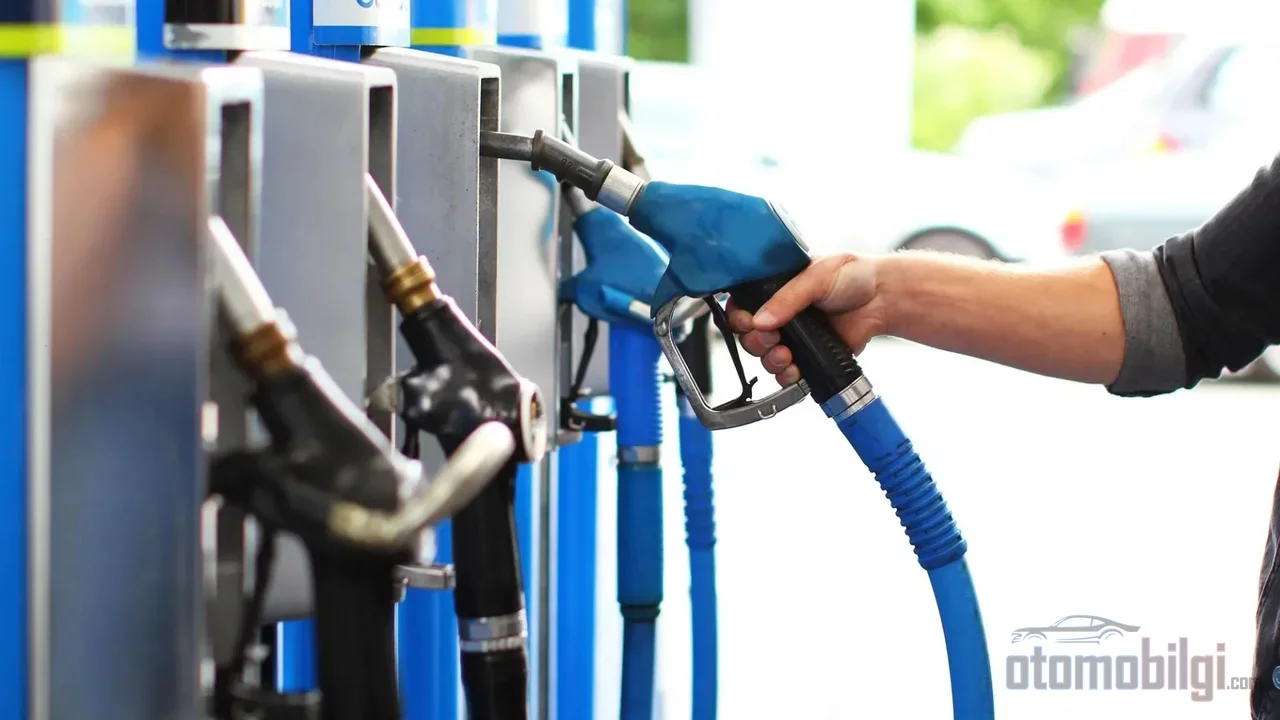
Eco driving is no exaggeration: when applied correctly, a measurable fuel savings of 6 to 20 percent in daily use has been documented.
Does Eco Driving Really Save Fuel?
Deniz Erkan12 October 2026

Yes, eco driving really does save fuel: when applied correctly, a measurable reduction of 6–20% has been documented in daily use, and the figure climbs even higher for those who give up aggressive driving. However, not every technique works the same …

Read More
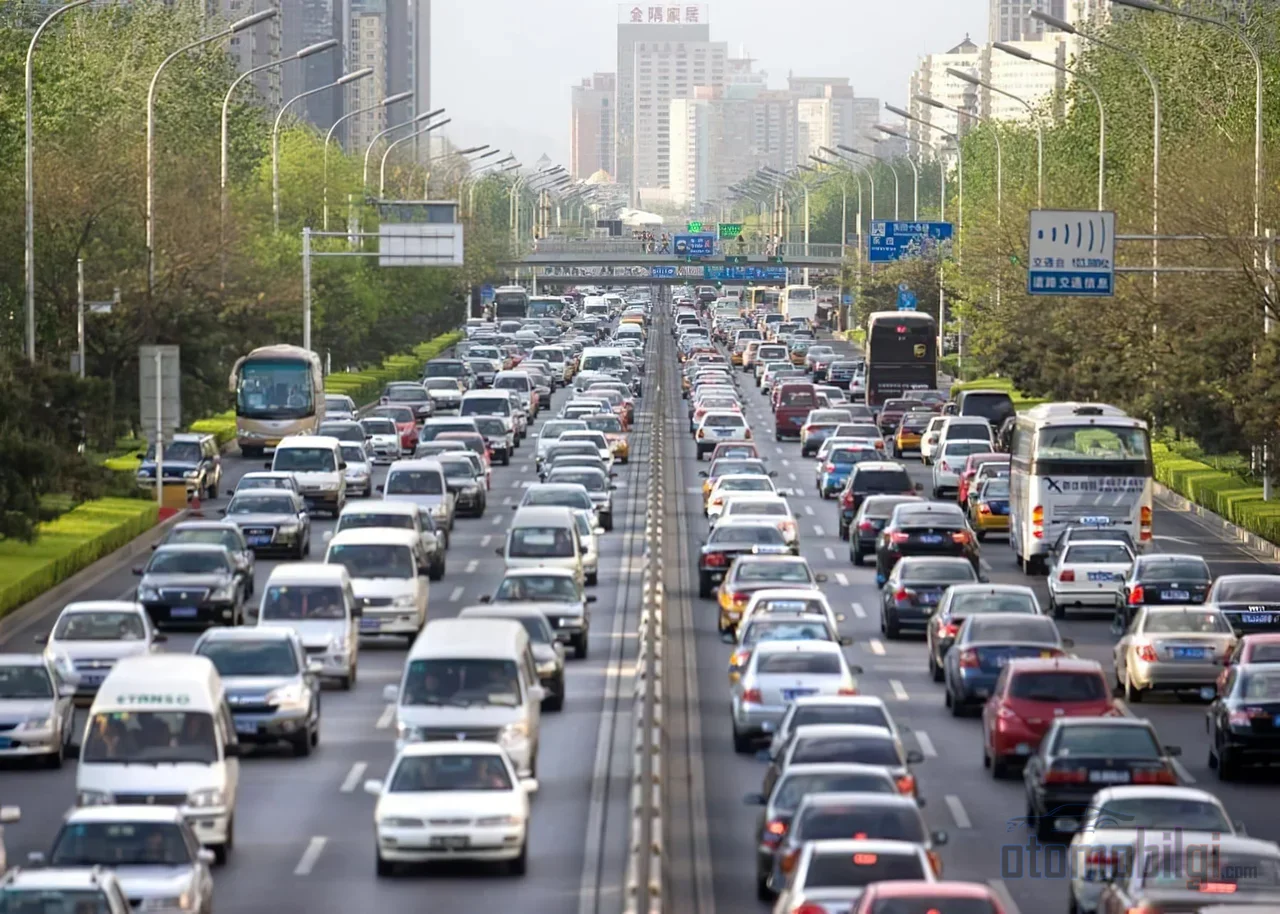
Stop-and-go traffic consumes 30 to 50 percent more fuel compared to free-flowing highways, and the figure on the listing card is, in real life, a fantasy that slaps most drivers in the face.
City or Highway: Which Car Burns More Fuel? Understanding Your Consumption Profile
Deniz Erkan12 October 2026

Does the same car burn more fuel in the city or on the highway? Short answer: stop-and-go traffic typically consumes 30-50% more fuel compared to free-flowing highway driving. In other words, most internal combustion vehicles can never meet their adv…

Read More

Most common beliefs about fuel economy are urban legends left over from the carburetor era; measured data debunks them one by one.
Common Fuel Saving Myths
Deniz Erkan11 October 2026

Most of the common beliefs about fuel economy are either leftovers from the old carburetor era or approaches that spread by word of mouth. On this page, we put five common claims on the table one by one: does idling or stop-and-go burn more fuel, do …

Read More
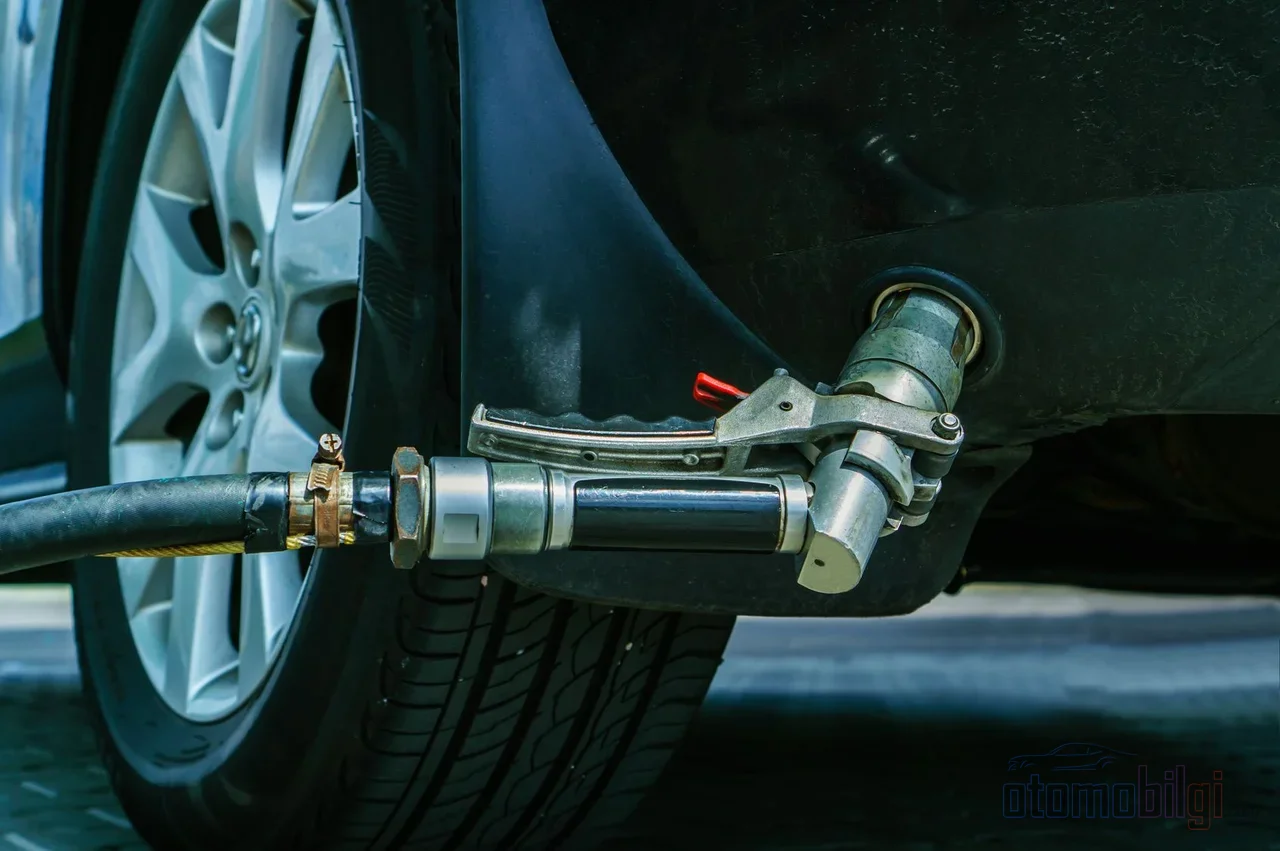
With the right system, a suitable engine, and meticulous installation, LPG quietly reduces fuel cost per kilometer by 20-30 percent.
Before Switching to LPG: A Guide to Conversion, Maintenance, and Real Savings
Deniz Erkan11 October 2026

LPG conversion is a mechanical investment that turns a gasoline engine into a dual-fuel one, and when done with the right vehicle, the right system, and quality installation, it typically reduces fuel costs per kilometer by 20-30% However, this figur…

Read More
  • Previous
  • 1
  • 2

Category Editor

Deniz Erkan

Deniz Erkan

One of the most important habits my profession as a mechanical engineer has given me is looking not only at a system's outcome, but also at how and why it works. My interest in automobiles is also fueled by this perspective. For me, a car is not just design, performance, or comfort; it is a holistic system where mechanics, electronics, software, and engineering come together.

Over time, I combined my engineering background with software development. The intersection of these two fields has allowed me to look at modern automobiles from a more integrated perspective. I follow the world of automobiles, from engines and suspension to driver assistance systems and software technologies, through the eyes of both an engineer and a car enthusiast.

My aim at Otomobilgi.com is to explain technical subjects in a language that preserves engineering accuracy and keeps curiosity about cars alive, without drowning them in unnecessary complexity. Because for me, a good car is not merely beautiful or fast; it is a special work that conveys design, technology, and driving character as a whole.

Follow Us on Social Media

Share This Page

Follow Us on Social Media

  • About Us
  • KVKK Disclosure Statement
  • Privacy Policy
  • Contact
Otomobilgi.com
INDEPENDENT AUTOMOBILE CULTURE PLATFORM
Powered by Virgo CMS