Winter Tests in F2 and F3
Share This Page
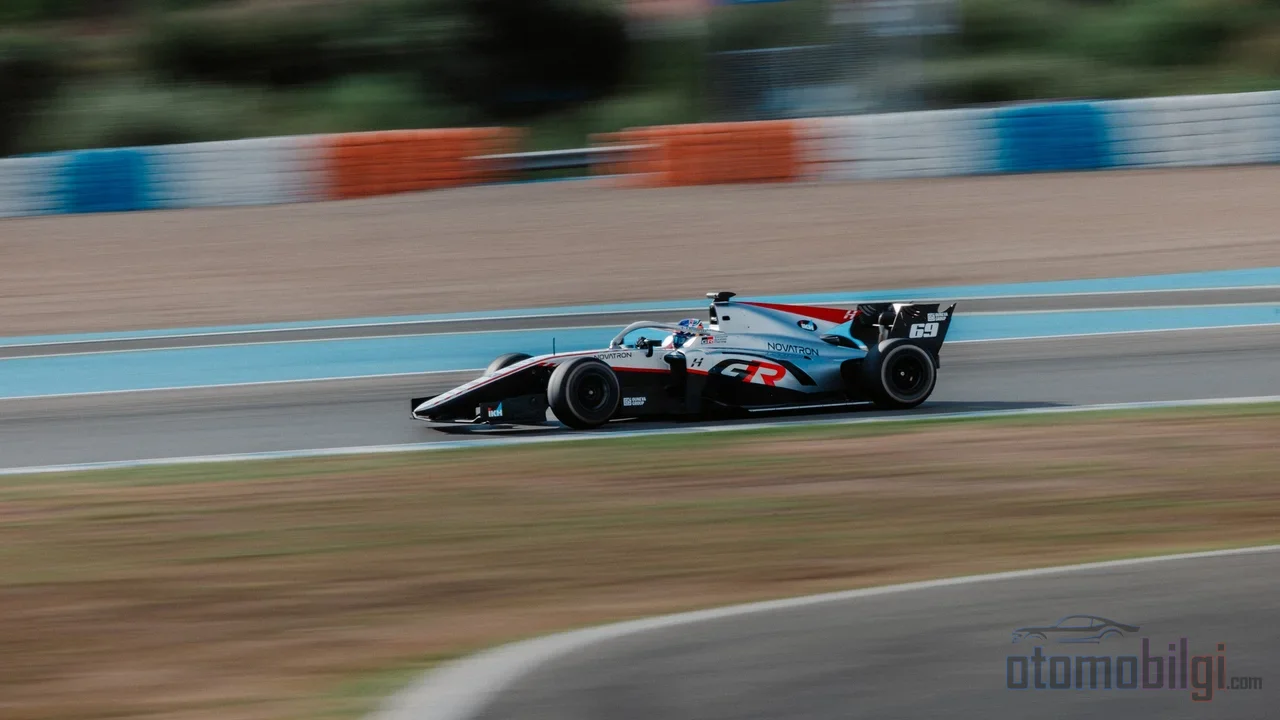
Winter testing in F2 and F3 is the quiet yet most critical part of the championship battle: In the days stretching from January to March, teams rebuild their cars, rookies complete their first laps, and the year's true balance of power begins to emerge. Test standings may look misleading, but the data, the kilometers and the tire strategy have already begun writing the story of the year. Here are all the details of this process.
Highlights
- F2 2026 pre-season test: Runs for three days in Barcelona on February 17-19.
- F3 2026 test: February 10-12, Barcelona; in-season tests at Spielberg, Madrid and Jerez.
- In F2, the 2026 season features a total of 9 test days, held across three sessions.
- On race weekends, F2 drivers are given 5 sets of dry-weather tires per weekend.
- On the 2027 calendars, Türkiye will host F1, F2 and F3 together on October 1-3.
Do Winter Tests Really Determine the Championship?
Champions lift the trophy on the podium, but the foundations of that trophy are often laid on winter days when the track is empty and the grandstands are silent. In F2 and F3, the season starts in March; but for teams, the real work begins from January, in the coldest days of the calendar. These test days reveal both the car's limits and the true face of the driver lineup. Short answer: Testing alone does not determine the champion, but it almost always draws the map of the championship.
Think of it this way: These tests are like a practice exam before the real one. Your score on the practice exam does not show the final result, but it tells you which subjects you are struggling with, where your rivals stand, and how much you need to work. In F2 and F3, this analogy really holds, because in these series the opportunity to work on track is incredibly limited. Test days are numbered, and kilometers and tire sets are limited. That is why every lap, every measurement and every line of data is worth its weight in gold.
2026 Test Calendars: Who Takes to the Track When and Where?
Let's first look at the concrete dates. Ahead of the 2026 season, the programs of the two junior series have been scheduled quite close to each other, and both begin in the heart of Spain, in Barcelona:
| Series | Test | Date | Location |
|---|---|---|---|
| F2 | Shakedown | Late January | Barcelona |
| F2 | Pre-season test | February 17-19 | Circuit de Barcelona-Catalunya |
| F3 | Pre-season test | February 10-12 | Barcelona |
| F3 | In-season test 1 | May 20-21 | Spielberg |
| F3 | In-season test 2 | August 24-25 | Madrid |
| F3 | In-season test 3 | October 20-21 | Jerez |
On the F2 side, the picture is a bit broader: For the 2026 season, a total of nine test days are split across three separate sessions. The Barcelona shakedown at the end of January, that is the first launch test, allows the cars to breathe on a real track for the first time. Then come two intense test blocks in February. For F1, meanwhile, two three-day test blocks are planned in Bahrain for 2026, a total of 6 days; winter testing had been increased to 9 days due to the new engine-chassis regulations. When you compare it to the lower series, you see how privileged F1 is, but for F2 and F3 these limited days are what matter most.
There is also a daily rhythm, and this rhythm shapes the teams' lives. In F2's 2026 pre-season test, the day starts at 09:00 local time and runs uninterrupted until the lunch break at 12:00. So even during the midday rest, engineers are at the table and data is on the screens. In the top category, the picture is completely different: In F1 tests there is no lap or time limit; work can only be stopped by red flags, reliability problems or bad weather. In F2 and F3, on the other hand, everything runs within a much more disciplined framework.
What Happens Behind the Scenes Before the Test?
If you think a test day is just about getting in the car and doing laps on track in the morning, a huge surprise awaits you. In fact, the story begins months in advance. Mechanics completely disassemble and rebuild the cars, gearboxes are made from scratch. Engineers review the previous season in detail and build the test program according to that analysis. For drivers, the first task of the winter is getting a seat fitting and doing simulator sessions.
The simulator issue is especially critical in F3. Testing opportunities in the series are so limited that teams largely build their real relationship with the driver in the simulator. The quirks in the driver's driving style, braking points and communication habits are all learned here. This way, the limited days on track are never wasted; the pair who met in the simulator start working on track like old friends. Test days are also extremely intense: they start early in the morning, and major test parts can sometimes run late into the night. Deviating from Plan A may be necessary; an unexpected balance problem or a crash can change the schedule. But the goal is almost never abandoned.
How Much Should Test Rankings Be Trusted?
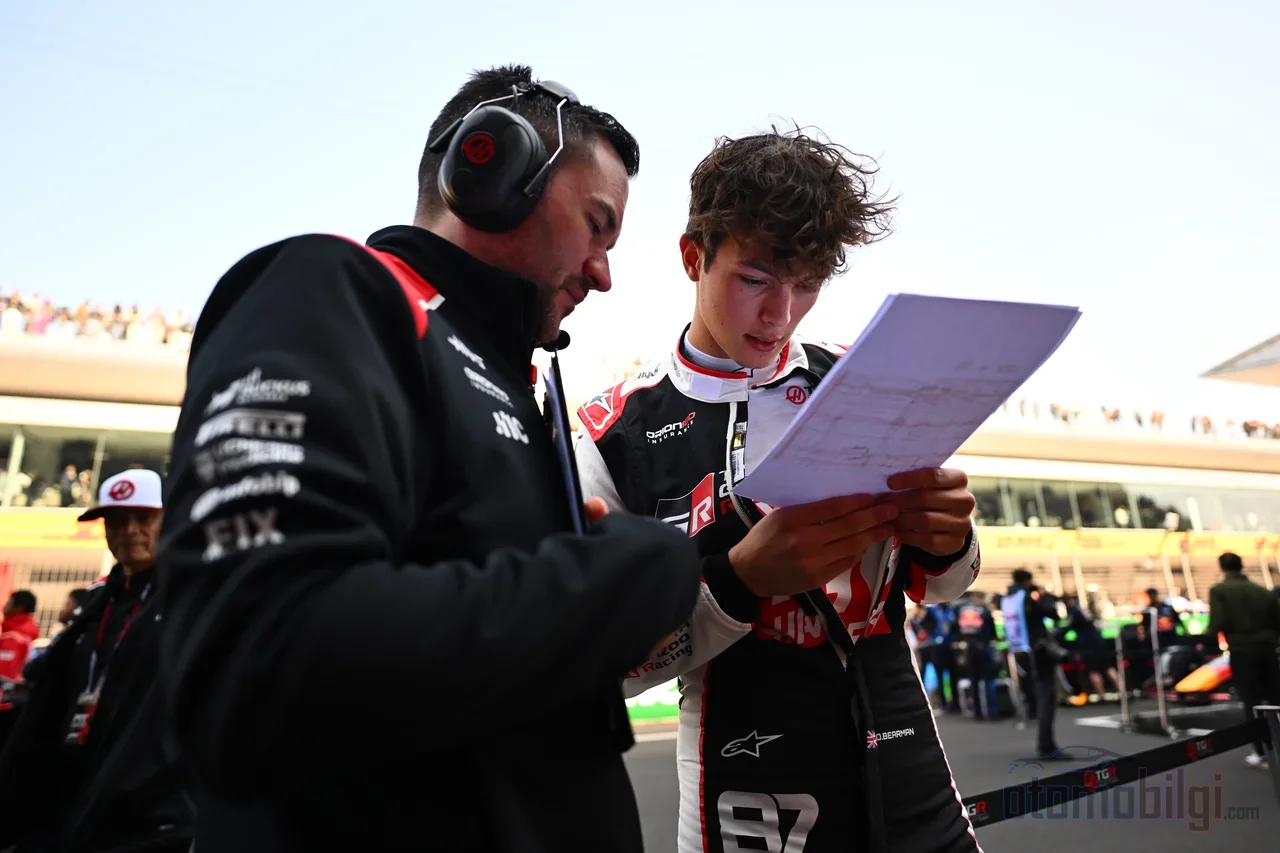
Here we come to the very heart of the debate. Can someone looking at the test result tables already call the driver who set the fastest lap a championship favorite? The answer: Be careful!
On one side, there are those who argue that the test standings are a realistic indicator for the year. Since rivals run very different programs, the ranking is not an absolute measure, but over the years a general trend has emerged: the names in the top five in testing are usually the same names throughout the season. By the end of the third test day, teams say they have largely seen where their rivals stand. Some team managers even openly admit the following: We would be disappointed if we are not at the front. That is why teams meticulously analyze rival times and race runs as well.
On the other side, a more cautious view prevails: Reading the headline times in testing is a foolish game. Why? Because every team runs with different fuel loads and different programs. While one driver sets a lap time on zero fuel and turns the order upside down, another team may be running a race simulation and looking ordinary in the middle of the timesheets. Also, the number of laps completed usually gives more insight than the lap time itself; accumulating kilometers with a reliable car is worth more than a flashy but one-off pace. If test data is read superficially, it can be seriously misleading, because every team uses pre-season sessions with very different goals. In short: Both real and misleading. Ignoring it entirely is naive, and so is drawing firm conclusions from it.
Tires and Data: Why Understanding Matters More Than Speed?
So what do teams prioritize during these limited days? Part of the answer lies in the tires. In F2, during race weekends, each driver is given five sets of dry tires per week, and three of these sets are called primes. This constraint forces drivers and teams to think about tire management from the very start of the season. On test days, the job is mostly about collecting data: Understanding how different tire compounds wear and how the car behaves with different setups is far more important than hunting lap times. Teams are already filling the library they will return to throughout the season.
There is a point where I need to be honest with you: A clear mileage restriction rule specific to F2 and F3 is not documented in detail among the currently publicly available information. It is certain that testing is limited to a set number of days, tire sets are restricted, and this pushes teams toward data-focused work. But we have no direct regulatory data to say what a clear limit per kilometer is. Rather than speaking with certainty about such details without knowing them, it is best to hold on to what is certain.
New Cars, Rookies and Team Changes: The Signals from Test Days
Winter testing is not just an engineering showcase; it is also the first stage of the season's human stories. The 2026 F3 car, compared to its predecessor, is a machine closer to F2 than ever before. What does this mean? Drivers moving from F3 to F2 within the same team structure can reuse the adjustable parts they have learned and the adaptation time is significantly shortened. In other words, the ladder from the lower category to the upper one now has fewer gaps.
For rookies, testing is the first big exam of their career. Gabriel Bortoleto's story shows this potential strikingly: He managed to win the F3 and F2 championships back to back, both as a rookie, and was promoted to F1 in 2025. The secret to jumps like this largely lies in test days; a driver who learns to score points consistently in F3 can strengthen their F2 performance in their rookie season accordingly. Looking at the 2026 lineups, the picture is exciting too: Campos will race with F3 runner-up Nikola Tsolov; and Hitech has added race winner from IndyCar, Colton Herta, to its roster. 22 drivers enter their third season in F2 with the Dallara F2 2024 car, and data from the first two seasons shows a clear team hierarchy has formed.
Signals of driver changes can also be read during the test days. Noah Strømsted completed Invicta's F2 line-up; Joshua Dürksen transferred to another team. Maini, meanwhile, became the second F2 driver to leave Dams and move to Mahindra Racing in Formula E. The real impact of these transfers becomes clear during the test week: The first real exam of the new driver-car-engineer trio takes place not in front of the cameras, but in Barcelona's winter breeze.
The Türkiye Connection: On the Istanbul Track in 2027?
For someone following from Türkiye, the meaning of the winter tests is a bit more personal. The 2027 calendars have been announced: The F2 season will consist of 14 races, and the F3 season 10 races. And here is the most striking line: Türkiye will host F1, F2 and F3 together over the same weekend on October 1-3. This means we will be able to watch all three series in a single Saturday-Sunday rhythm. It is not hard at all to imagine the rookies we watch in the winter tests today lapping Istanbul in the autumn of 2027. Unfortunately, Turkish-language content dedicated to F2 and F3 is still limited; but I think this gap will be filled as the scene grows.
What Should You Look For When Watching the Test Days?
One last practical guide: When watching the winter tests, don't lock onto the timing table and panic. Instead, look at these:
- Lap count: The team that covers a lot of kilometers is the team that is confident in its reliability.
- Long runs: Race simulations tell you far more than qualifying laps.
- Consistency: Similar times on every run matter more than a single brilliant lap.
- The third day: Programs gradually turn to their real targets, and the picture starts to become clearer.
Remember, the car you see on track in January can turn into a completely different creature by the first race of the season in March. But even so, every lap completed on those winter days says something: Who has worked, who has read the data, who has understood their tires. Championships are won on Sundays but prepared on winter days. Which rookie do you think will come out of this winter looking best this year?
Sources
- F3 Explained: What is pre-season testing and why is it so important?
- PREVIEW: 2026 Pre-Season Testing gets underway in Barcelona
- F2 Calendar 2026
- F3 Calendar 2026
- The Rules and Regulations - FIA Formula 2
- Crunching the numbers from F2 and FIA F3 pre-season testing
- What we learned from F2 and F3 pre-season testing
- 6 key things our data tells us from pre-season testing
- Formula 1 rules during pre-season testing
- F3 Explained: How the new car is closer to F2 than ever before
- Lessons learned in F3 could boost rookie F2 performances
- How F2 and F3's top rookie prospects are preparing for their debut seasons
- 9-day testing plan ahead of the 2026 F1 season