If You Find a Charging Station Faulty: When Is It Repaired?
Share This Page
A charging station typically becomes unusable not because of a single cause, but through a combination of reasons such as connector wear, electronic board failure, payment system errors, software communication breaks, or deferred maintenance. Reporting the faulty unit via the operator's mobile app or call center starts the repair process; on the driver's side, the most practical solution is to see working stations in advance through apps such as Şarj@TR.
Highlights
- Approximately one in five charging sessions ends with a malfunction.
- Failures resolved in a single visit average 18 days, while those requiring multiple visits take 39 days.
- In the USA, a rule of 97% uptime and a maximum interruption of 96 hours
- applies to fast charging ports. As of August 2026, Türkiye has 47,908 charging points and 476,934
- electric vehicles. According to the EPDK guide, malfunction reports are submitted through the operator's call center or mobile app.
Why do charging stations fail? Five fundamental causes behind the failure
You are facing a device far more complex than a gasoline pump. A charging unit can fail at every interaction point between hardware, software, network connection, and your vehicle's charging electronics. From an engineering perspective, this is not surprising: power electronics, communication protocols, payment infrastructure, and mechanical parts all sit together in a single enclosure. Each layer brings its own failure mode.
Electrical components and overheating
The most frequently failing parts are found in cabling, connectors, circuits, and power distribution units. Extreme weather conditions, fluctuations in the electrical grid, and heavy use wear these components down. When heat cannot be managed, the picture becomes more serious: equipment failure and, in the worst-case scenario, fire risk. In Türkiye, power supply problems and grounding errors top the list of common failures among repair firms working in this field, while power modules, electronic boards, touchscreens, and connectors are among the most repaired parts.
Connector and cable wear
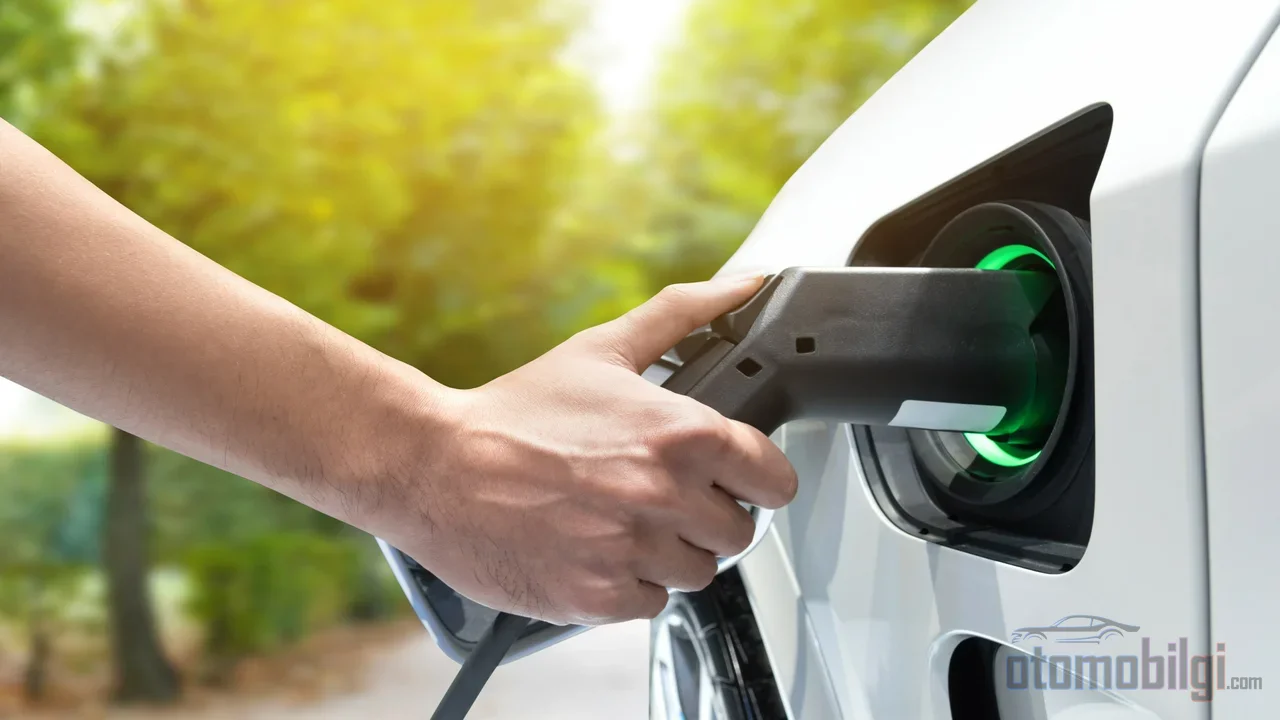
Defective connector mechanisms are one of the biggest sources of charging failures. Frequent plugging and unplugging, weather conditions, and physical strain render the cable and plug unusable over time. Typical failure modes on the cable side include:
- Lock (latch) mechanism failure
- Thermal circuit tripping
- Contact wear
- Pilot signal error
- Physical damage
An unreliable lock mechanism is particularly frustrating: the station either never starts or stops unexpectedly mid-session, and it can even produce a misleading error message. Simple causes explain most cases - a loosely inserted plug or a connector at the end of its life is enough to block the entire system.
Software, communication, and payment issues
Not every failure is mechanical. Software bugs, communication breakdowns, and cybersecurity issues can block payments and monitoring. Here is a critical distinction: a communication breakdown in the hardware-firmware-cloud-app-vehicle chain - especially weak Wi-Fi or cellular connection - often makes charging fail without any defect in the device itself. Drivers tend to assume the device is broken when a session drops, but the culprit is frequently a link in this communication chain.
Even more confusing is the "online but unavailable" category: although the device appears to be working on the network, it is effectively unusable due to a faulty payment system, vandalized cabling, or an inability to establish communication with the vehicle. In other words, a green pin on the map does not always mean a working unit.
Environmental factors and deferred maintenance
Rain, snow, ice, and moisture degrade equipment integrity through ingress and corrosion. Units on the street or in open parking lots are constantly exposed to this. Add deferred maintenance on top of it, and the picture accelerates: delayed maintenance leads to failures and even permanent damage, shortening the device's lifespan. Units that go offline often go unnoticed, which increases the importance of drivers reporting failures.
Who should you report a broken charger to, and through which channel?
In Türkiye, there is a clear answer to this question. According to the EMRA's Q&A guide, failure reports must be submitted through the charging network operator's call center or mobile app, and operators are obligated to offer these channels to users. So opening your operator's app and using the failure reporting option is the officially defined route from a regulatory standpoint.
The content of the report is just as important as the report itself. A technically useful failure record should include:
- The ID of the station and, if possible, the socket (location and port information in the app)
- The type of fault: did charging never start, did it stop midway, or was the payment not processed?
- The error code displayed on the screen or in the app, and a photo if available
- Time and date - so it can be correlated with a grid outage
Beyond the official channel, community-based charging maps also offer failure reporting options in their check-in menus. These do not directly hold the operator accountable, but they prevent other drivers from making the same wasted trip - a mechanism that works like neighborhood solidarity in practice.
How does the operator repair the failure, and how long does it take?
After a report reaches the operator, the process splits into two branches: remote intervention and field repair. Most network-connected charging units are monitored remotely; the operator first views the device's status, error logs, and firmware version from the center. Sometimes a single firmware update solves the problem. If it does not, a technician steps in.
Time estimates paint a rather modest picture: failures that can be resolved with a single visit are repaired on average in 18 days, while failures requiring multiple visits take on average 39 days running. Routine maintenance visits, for multi-unit sites, usually take 2-4 hours per site. According to the reference figure from the U.S. Department of Energy, the annual maintenance cost of a charging unit averages $400 - a useful scale for understanding the cost-scheduling trade-off for operators.
The regulatory side expects more. In the U.S., a federal rule imposes a 97% uptime requirement per fast charging port and sets an upper limit of 96 hours on consecutive downtime; the 97% rate is a widely accepted industry benchmark. The gap between the rule and field reality stems from repair delays extending outages to weeks. It is reported that operators applying 24/7 remote monitoring and predictive maintenance can reach 99% uptime; guaranteed technician response times in maintenance contracts have also become the standard expectation in this field.
Charging didn't start: is the problem at the station or in the vehicle?
Before trusting the error message, running a quick diagnostic chain saves time. Communication errors can stem from either side; therefore the first steps are always feasible and cheap:
- Reset the vehicle: Shutting the vehicle off, waiting 2 minutes, and restarting can clear vehicle-station communication errors.
- Check the app: On smart chargers, viewing error messages and firmware update needs from the app is the first step.
- Try another socket: If there is a grid outage, low voltage, or an overload warning, a lower-power socket at the same location may work.
- Physical checks: Make sure the plug is fully seated, the locking mechanism is sound, and the cable shows no visible damage.
When payment fails, the culprit is usually one of three treasures: an expired or unrecognized RFID card, app connection issues, or a firmware bug on the device. Once these three are ruled out and the problem persists, it is exactly the right time to file an official fault report.
Seeing which stations in Türkiye work in advance
The best strategy is not arriving at a broken station. In Türkiye, there are now solid tools for this job. EPDK's official Şarj@TR app shows the facilities at charging stations on a per-socket basis and can offer real-time availability information. Türkiye's charging network is also growing rapidly: according to August 2026 data, the number of electric vehicles in the country reached 476,934 and the total number of charging points reached 47,908. One of them, Trugo, operates more than 1,000 fast charging stations across 81 provinces and helps you find the nearest point with its app.
In addition, aggregator apps combine stations from different brands on a single map: ChargeIQ shows operators such as ZES, Trugo, and Eşarj on a single screen; filtering by AC/DC socket type and station rating is also possible. Voltla and Lixhium are among the apps offering station information and availability status; ŞarjGezgini, meanwhile, provides price and socket information on an interactive map.
To be realistic: seeing a pin on the map is the easy part. The real issue is making sure the station you head to is working and available. Station ratings in the app, recent check-ins, and, if possible, real-time availability data from the operator's app significantly reduce this risk. When planning a long-distance route, not depending on a single station is also the most engineering-minded way to manage charging anxiety.
The regulatory side: what changes in 2026?
In Türkiye, a regulatory framework against malfunctions and access problems is also taking shape. With an amendment to the Charging Service Regulation, a provision allowing electric vehicle drivers to use different operators' stations on long journeys July 1, 2026 comes into force. Existing charging network operators are granted additional time until December 31, 2026 to comply with the new criteria. The practical outcome for drivers: the door opens to avoiding lock-in with a single operator, and a working station from another operator in front of a faulty unit can now be an option. EPDK's Şarj@TR open-access platform is also part of this transparent access approach.
Conclusion: what to do when you encounter a broken unit
A faulty charging unit is annoying but a manageable problem. The sequence is simple: first run quick checks to determine whether the problem is with the vehicle or the station; make an official report through the operator's app or call center; also submit a community report on the same map; then redirect your route to a working alternative. Since repairs on the operator side can take weeks, planning ahead - apps showing real-time availability, station ratings, and multiple operator options - is the most solid guarantee against a broken unit leaving you stranded on the road.
Sources
- 5 Most Common Issues With Public EV Charging
- Understanding equipment breakdown risks in electric vehicle charging stations
- Free Access Platform - Şarj@TR - EPDK
- Şarj@TR - Apps on Google Play
- EPDK Question and Answer Guide on Electric Vehicles and Charging Stations
- Comprehensive Regulation for the Electric Vehicle Charging Market from EPDK
- Electric Vehicle Owners Are Watching This Draft Legislation
- Electric Vehicle Charging Station Inquiry Service e-Government
- Trugo | Electric Vehicle Charging Stations
- EV Charging Station Maintenance Management
- What Is EV Charger Uptime and Why Does It Matter?
- Study Finds Repair Delays Prolong EV Charger Outages
- EV Charging Station Maintenance
- EV Charging Station Annual Maintenance & Costs
- EV Charger Repair & Predictive Maintenance
- Operating and Maintaining EV Charging Networks
- Why maintenance for EV infrastructure fails
- Many public EV chargers are unusable
- How to Troubleshoot EV Charger Problems
- Is Charging Not Starting on Your Electric Vehicle?
- AC/DC Electric Vehicle Charging Station Repair and Maintenance
- EV Charging Cable Not Working? Five Fault Modes
- ChargeIQ: Electric Vehicle Charging App
- How to Find a Charging Station?