Is the 2026 Opel Corsa a Suitable Model for Those Looking for a City Car?
Share This Page
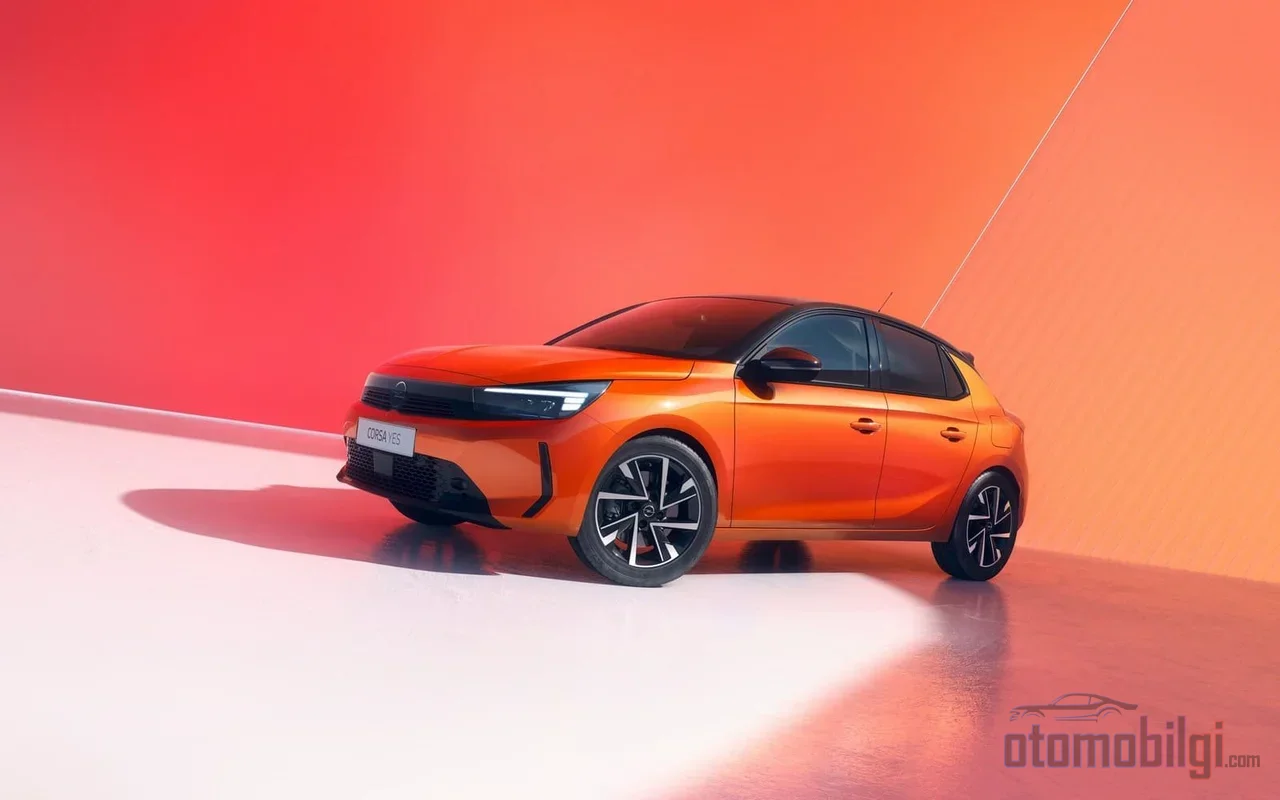
The Opel Corsa is a 5-door hatchback sold brand new in Türkiye for the 2026 model year, positioned in the B segment. Thanks to its compact dimensions, official average consumption of around 5.3 L/100 km, and its 1.2 Turbo gasoline and 48V mild hybrid e-DCT options, it is a sensible choice for daily urban use; The fact that the 100 HP entry engine fails to meet sporty expectations is a deliberate compromise.
Highlights
- A 5-door hatchback in the B segment; Its zero-km sales continue with the 2026 model year
- Engine lineup: 1.2 Turbo 100 HP manual, and 110 HP and 145 HP 48V hybrid e-DCT
- Cargo capacity of 309 liters; up to 1,100 liters with the rear seats folded down
- The 48V mild hybrid promises savings of up to 0.8 liters per 100 km compared to conventional versions
- With production exceeding 300,000 units, the new generation is one of the Corsa's most popular body styles globally
Where Exactly Does the Corsa Stand in the B Segment?
Three variables are enough to define the Corsa's identity: segment, body type, and usage profile. Positioned in the B segment as a 5-door hatchback, the model responds to a city-focused usage scenario with its practical exterior dimensions, economical running costs, and ease of parking. At this point, the Corsa should be read as a solution to a specific need: a user whose daily distances are mostly urban, who uses the car as a work tool rather than a second luxury, but who seeks a European-brand foundation.
The pool of rivals is wide. In the same segment there are names such as the Renault Clio, Hyundai i20, Volkswagen Polo, Peugeot 208, Toyota Yaris, Skoda Fabia, SEAT Ibiza, and Dacia Sandero. What sets the Corsa apart in this crowd is its modernized technical character built on Stellantis group architecture, and the pricing flexibility it gains thanks to the special consumption tax rates of 25-80% for its hybrid versions. Its distribution in Türkiye is handled through Tofaş; the campaign pricing can be understood from the model's frequently updated official price lists.
Engine and Transmission Character: Which Combination Suits Whom?
The Corsa's current engine lineup can be read in three layers, and the right choice depends on your driving profile. To be systematic:
- 1.2 Turbo 100 HP + 6-speed manual: The entry-level combination. Average consumption is around 5.3 L/100 km. It has a fluid character, with hill-climbing pull better than expected; however, its 0-100 km/h acceleration is slow for those with sporty expectations.
- 1.2 Turbo 100 HP + AT8 automatic: The option offering the same power with automatic convenience; it eliminates clutch fatigue in city traffic.
- Hybrid 1.2 110 HP e-DCT6: A 48V mild hybrid that produces a combined 110 HP by adding a 21 HP electric motor to the 100 HP internal combustion engine. It comes with a 6-speed dual-clutch automatic.
- Hybrid 1.2 145 HP e-DCT6: When the same electric motor combines with the 136 HP gasoline unit, the combined output is 145 HP. It is sold with the game's most powerful internal combustion/hybrid option and GS trim.
The engineering logic behind hybrid technology is simple: The 48V system provides electric assistance at moments when the internal combustion engine runs inefficiently, especially in stop-and-go traffic. According to official Opel data, this delivers fuel savings of up to 0.8 liters per 100 km compared to conventional internal combustion versions. In gasoline versions, average consumption generally falls within the 5-7 L/100 km range; in real-world use, you should account for the possibility of exceeding this figure depending on traffic density.
It is essential to calibrate expectations on the performance side. The 100 HP entry engine operates with a calm and predictable character; handling, meanwhile, is found to be above the segment average. My clear recommendation for readers seeking a sporty drive: go for the 145 HP hybrid version or step outside the segment.
Interior and Trunk: Is 309 Liters Enough?
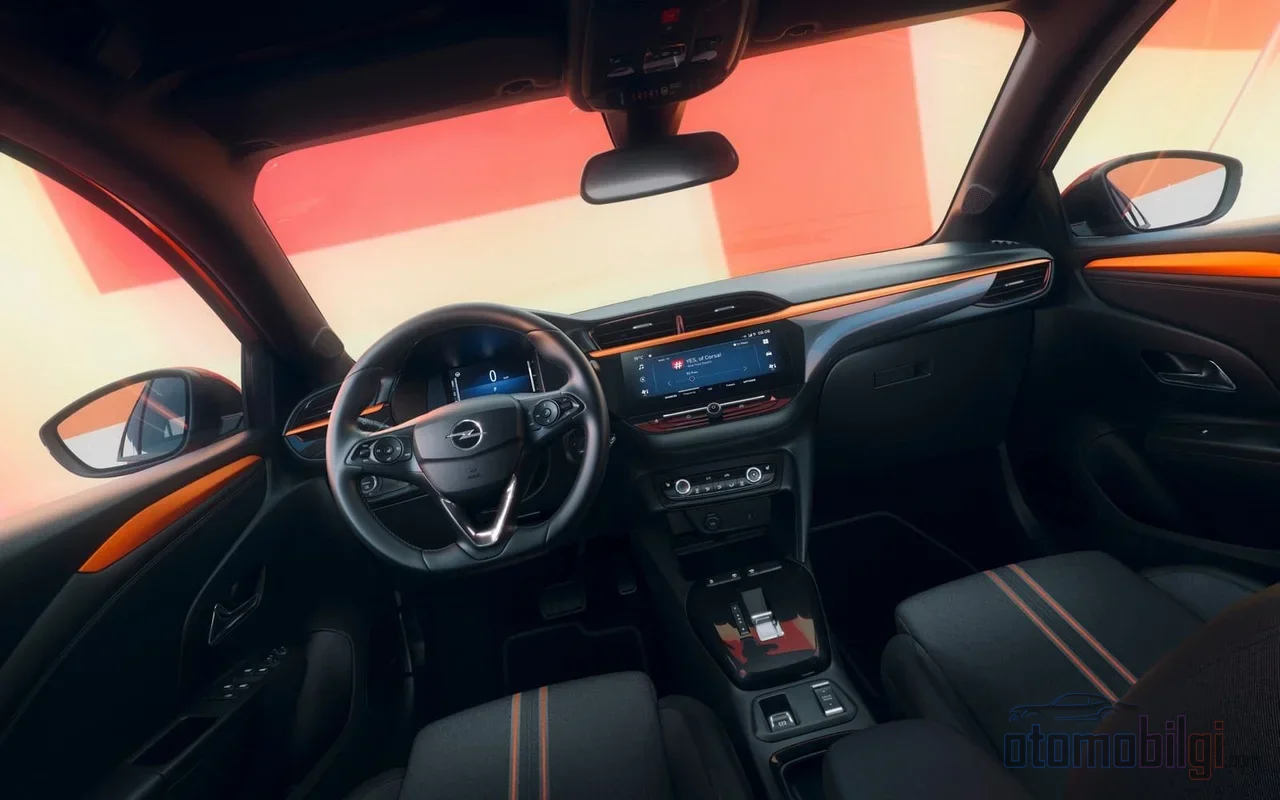
In the new generation, the wheelbase has grown by 3 cm; this is directly reflected in the interior feel. Apart from the rear shoulder room being able to feel tight for larger adults, the space is considered sufficient. The comfort of the front seats that does not tire you on long journeys is among the standout positives in user feedback. The speaker quality of the sound system is also on the list of appreciated details.
The trunk capacity is 309 liters; an average figure for the B segment, offering capacity similar to most vehicles in this class. When the rear seats are folded, the volume rises to up to 1,100 liters; this is enough to solve, in a single vehicle, the flexibility between weekly shopping and periodic needs such as moving or transport. In city use, however, the Corsa's real weapon is not volume but the space it occupies: its compact exterior dimensions make a difference in tight garage and parking maneuvers.
What Sets the Corsa Apart Against the Clio, Sandero and Ibiza?
In the B segment, the purchase decision is usually made between two or three names. The Corsa's position in this comparison can be summarized as follows:
| Model | Advantages Over the Corsa | The Corsa's Advantage |
|---|---|---|
| Renault Clio | Wider engine range, broad sales network | Stellantis platform, hybrid e-DCT option |
| Dacia Sandero | Price-focused positioning | More refined trim and material perception |
| SEAT Ibiza | Sporty chassis character | The tax advantage of the hybrid versions |
The Clio comparison is the most common one, and both offer impressive fuel efficiency. While the Corsa has somewhat lower consumption, the Clio has the advantage of a full hybrid engine. In user discussions, the Corsa is regarded as the more comfortable, better-equipped vehicle with better material quality in these three-way comparisons; this is a subjective opinion, but a criterion that genuinely influences the purchase stage.
Strengths and Weaknesses: A Balanced Assessment
Let's be clear as editors: The Corsa is not a perfect vehicle, but a well-calibrated balance. Its strengths:
- Practical dimensions and easy parking in city use
- Low operating cost; Consumption at the 5.3 L/100 km level
- 48V hybrid e-DCT option and the 25-80% Special Consumption Tax advantage
- Seat comfort that does not tire you on long journeys
- Campaign pricing flexibility compared to its rivals
The weak points, however, are: The 100 HP entry engine remains borderline for those expecting high performance; acceleration is not sporty. Shoulder width in the rear row is narrow for large adults. The 309-liter trunk is class-average; it is not a record-breaking volume. Also, the campaign conditions being limited to stock makes the timing of the purchase important: Since Opel's list updates come at frequent intervals, those deciding to buy need to check the current official price list.
Conclusion: Should You Buy the Corsa in 2026?
If what you are looking for is an economical, practical, European-origin B-segment hatchback for use dominated by urban distances, the Corsa fits this description well. The 1.2 Turbo 100 HP manual version is the most rational entry point for those prioritizing budget; while the 110 or 145 HP hybrid e-DCT versions appeal to those wanting automatic comfort and better consumption. Except for those expecting sporty performance, the model's character largely overlaps with the target audience's needs.
Sources
- Opel Corsa Price List
- Opel Corsa and Mokka with 48V Hybrid Technology in Türkiye
- New Corsa Surpasses 300,000 Units Produced
- Should You Buy the Opel Corsa? 2026 Detailed Review
- Opel Corsa Edition 1.2 100 HP 2026
- Opel Corsa 2026 Brochure: Packages and Technical Specifications
- Opel Corsa Review: Engine Options and Buying Guide
- Opel Corsa Interior, Volume and Practicality
- Renault Clio vs Opel Corsa Comparison
- Best B-Segment Vehicles