Average New Vehicle Price in the US Exceeds $50,000

Share This Page
The average new vehicle price in the US surpassed $50,000 for the first time in history in September 2025; in August 2026, the transaction price reached $50,089, once again carrying the figure above that threshold within the year. Sticker prices, meanwhile, have been hovering above $50,000 for months. The detail that truly makes the news is less the price itself than how this price is pushing buyers down the market ladder: as consumers turn to smaller, cheaper segments, manufacturers have begun responding to this shift.
Key Takeaways
- In August 2026, the average new vehicle transaction price rose to $50,089; the annual increase was 1.9%
- The record still stands from December 2025 at $50,612; while the average sticker price is $51,852
- The full-size pickup segment at $67,446, is the most expensive slice of the market the most expensive slice of the market
- Subcompact SUV prices rose 2.2% annually, and compact cars 2.9% - both above the industry average
- Ford announced that its electric pickup with a starting price of $28,350 will be named Fathom
What the Numbers Say: A History of Returning to $50,000
For someone who has been following this industry for more than three decades, the crossing of thresholds always creates the same unease; those who remember will know that the $25,000 mark was once passed with similar debates. The current picture is as follows: in September 2025, the average new vehicle transaction price surpassed $50,000 for the first time, recording $50,080. In the early months of 2026, the figure dipped below that threshold; in February, the average transaction price was $49,353. In July, it climbed to the yearly peak of $49,855, and in August it exceeded $50,000 for the first time in the year, reaching $50,089.
This corresponds to a 0.5% increase from July and a 1.9% increase year over year. However, the all-time record still stands at $50,612, recorded in December 2025. So while the August 2026 value marks a threshold crossing, it is not the peak. The reason for the gap is also interesting: the average sticker price (MSRP) stood at $51,852 in August 2026 and has been above $50,000 since April 2025. The gap between the sticker and the price paid reflects the effect of discounts and the sales mix.
One distinction should be clarified from the start: the transaction price (ATP) refers to the average amount actually paid to dealers, while the sticker price refers to the manufacturer's list price at which vehicles go on sale. The difference between the two is important for reading the real dynamics of the market. In February 2026, the 3.4% year-over-year increase in transaction prices was well above the average 0.9% annual increase of the past three years - this acceleration was one of the first signs that the market was heating up again.
What Is Pushing Prices Up: Bigger Vehicles, Heavier Equipment, Tightening Discounts
If we list the forces pushing the average upward, the list is not long, and it consists mostly of preference and pricing behavior rather than technological cost pressure. American buyers have been trending toward ever larger and more expensive vehicles for years; midsize SUVs overtook compact SUVs to become the best-selling segment in the US. Hardware bloat is also part of the story: as buyers favor upper-tier trims and option packages, transaction prices naturally rise.
An assessment published in May 2026 revealed that the share of federal safety and fuel economy standards in the price increase is relatively small. The real determinants are more expensive vehicle types, upper-tier equipment, dealer margins, and manufacturer pricing decisions. Manufacturers are also keeping the discount tap closed to protect high margins: in August 2026, dealer-level incentives stood at 6.5% of transaction prices; a year earlier the rate was 7.2%. From January 2026 onward, trimming incentives out of margin-protection concerns had become a general trend.
Discount campaigns used to be a natural part of the season; now they are the exception. The generous incentive regime we saw on billboards for years has given way to a strategy of manufacturers holding prices up by restricting supply. This does not pose a problem for buyers with strong payment capacity - the real burden increases the share falling on price-sensitive groups.
Real Prices by Segment
The average itself is not what everyone pays; the market's real weight sits lower down. Most of the market's volume is concentrated in below-average segments, and the weighted average of the five best-selling segments is around $44,000. Excluding expensive full-size pickups, the average drops to about $39,000. In other words, that confusing $50,000 figure is a result of heavy vehicles at the top of the market pulling the average upward. According to August 2026 data, the segment breakdown is as follows:
| Segment | Average Price | Year-over-Year Change |
|---|---|---|
| Compact car | $27,997 | +2.9% |
| Subcompact SUV | $31,149 | +2.2% |
| Midsize SUV | $50,315 | - |
| Full-size pickup | $67,446 | - |
The most alarming detail in this table is that the pace of increase at the entry level exceeds the industry average. As market analyst Erin Keating also emphasized, many American households are under serious financial pressure, and this pushes buyers toward lower price points. The strong growth of subcompact SUVs even in this environment is concrete evidence of how critical affordability is as a variable in today's market.
Buyers Are Downsizing: Downward Segment Shift
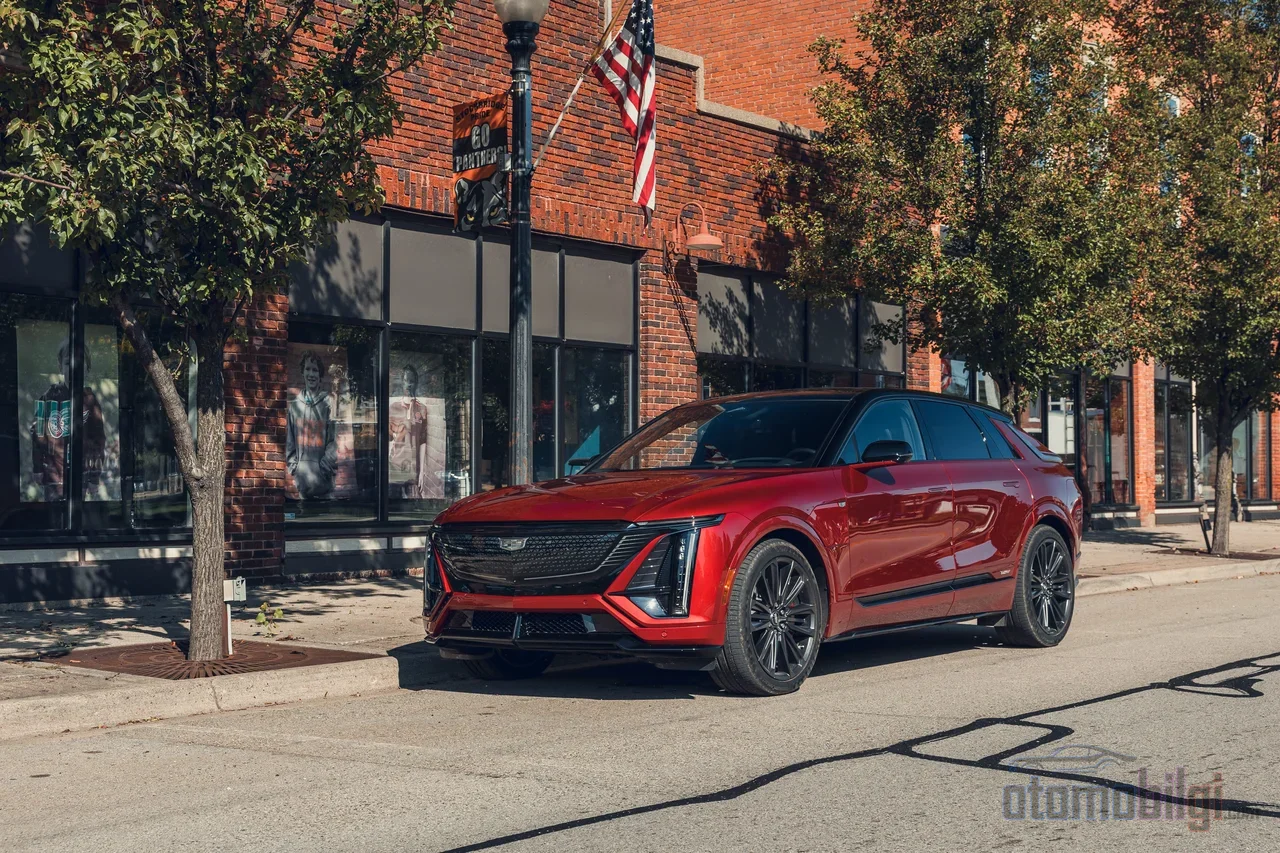
For years, the American buyer habit of "the bigger the better" is breaking at this scale for the first time in the face of pricing pressure. Cox Automotive's September 2026 assessment reveals that affordability pressures are pushing more buyers toward lower-priced vehicles and segments, and that this shift is pulling the industry average down despite price increases on individual vehicles. This effect is already visible in August 2026 data: as buyers turn to low-cost segments, electric vehicle incentives have also declined.
When high interest rates are added to high prices, the picture becomes even harsher. Middle- and lower-income buyers are postponing purchases, moving to smaller vehicles, or exiting the new vehicle market entirely. The financing figures also confirm this pressure: in the second quarter of 2026, 36.5% of financed new vehicle purchases carried long terms of as much as 73 months, while the average down payment fell to $5,815. As of June 2026, the time needed to buy a new vehicle at the median income had stretched to 35.3 weeks.
The used side offers a reference point for comparison: the average used vehicle price in 2026 is around $26,000, nearly half the new vehicle average. The average used vehicle listing price rose to $27,235 in September, its highest level since the end of 2022 - used vehicles are not getting cheaper either, but the gap is pushing some buyers toward used. Despite all this pressure, new vehicle sales in the US are expected to reach 16 million units in 2026; it is still too early to say the market is shrinking, but the possibility that new vehicle sales will decline for the first time in four years is being debated.
As for whether prices will fall in the coming months: moderate year-over-year growth continues throughout 2026, but the trajectory within the year is relatively flat. Expecting a serious decline is not realistic given the current picture. The debate over whether the market is normalizing or facing a structural affordability problem also continues; the assessment that the February increase reflects normalization rather than a pricing problem currently stands side by side with the view that the affordability crisis will pull sales down.
The Manufacturers' Response: Ford Fathom and the Sub-$30,000 Reaction
It is unthinkable for a manufacturer to remain unresponsive while buyers shift downward. In early August 2026, Ford officially announced the name of its electric pickup positioned below $30,000 as Fathom with a starting price of $28,350 with the standard-range battery; the delivery price including the $1,595 shipping fee reaches approximately $29,945 - meaning it lands right on target. Pre-orders are planned to open in early 2027; the vehicle's market launch is positioned in sources between late 2027 and the 2028 model year.
It must be emphasized that Fathom is not just a pricing trick. In this band below thirty thousand dollars, the vehicle will compete directly with Chinese EV manufacturers with its pricing - this is the price range targeted by Chinese brands seeking to enter the American market. Ford's move should be read both as a response to affordability pressure in the domestic market and as preparation for future competition.
The overall picture on the electric vehicle side also supports this strategy: In August 2026, the average EV transaction price fell to $54,813; monthly decline of 1.2%, annual decline of 2.7%. The premium of EVs over the overall market has dropped to around 9.4% - a year ago this rate was around 16%. Tesla's average transaction price fell to $52,616, pulling the overall EV market downward. Unlike the electric vehicle market of a few decades ago, the fact that prices are trending downward is the clearest sign that the segment is maturing. For Ford, which wants to bring the price below $30,000, this also means the timing is right.
Where Is the Market Heading?
The $50,000 threshold is symbolically important, but the real issue is not the threshold; it is where the below-average volume is concentrated and how much more pressure this segment can withstand. Long-term habits, shrinking down payments, and income periods exceeding 35 weeks show that affordability has become the structural issue of the market. Manufacturers are under two-way pressure: on one hand they want to protect margins, on the other they must retain middle- and lower-income buyers. Ford's initiatives like Fathom are among the first concrete answers to this equation; it is an expected development that similar moves will come from other manufacturers in the coming period. Rather than the average price itself, the speed at which the pool of buyers who can pay that price shrinks will be the key indicator to watch for the rest of 2026.
Sources
- Kelley Blue Book Report: Average New-Vehicle Prices (Sept 2026) - Cox Automotive
- Kelley Blue Book Report: New-Vehicle Price Gains Accelerate in February - Cox Automotive
- New Record: Average New Car Prices Surpass $50,000 - Kelley Blue Book
- Average New-Car Price Tops $50,000 Again - Autoweek
- Average New Car Price in July Hits 2026 High - Kelley Blue Book
- Introducing Fathom - Ford (official)
- Official: Ford's Sub-$30K Small EV Truck Is Called Fathom - MotorTrend
- Ford 'Fathom' truck to vie with China's EVs at sub-$30,000 price - LA Times
- After Worshipping Bulk For Years, Americans Are Finally Choosing Smaller Vehicles - Forbes
- What's really driving up new car prices, according to new report - 29News
- Car Affordability in 2026: Prices, Rates, and Household Income - Focus2move
- New Vehicle Affordability Trends Q2 2026 - Haig Report
- Three Trends That Will Shape the U.S. Auto Market in 2026 - Edmunds
- Is a New or Used Car a Better Value in 2026? - CarEdge
- New-vehicle prices reach 2026 high as buyers shift toward lower-cost segments - CBT News
- When Will New Car Prices Drop? - Kelley Blue Book