From a Dealership, a Used Car Lot, or a Private Seller? A Guide to Buying Channels

Share This Page
In Türkiye, there are three routes you will encounter when buying a vehicle: authorized dealer, gallery (used car dealership), and private seller. The difference between these three channels is not the price; it is the warranty, right of withdrawal, inspection, and payment security. In short: the dealer is the most expensive but the most secure, the private seller the cheapest but the riskiest, and the gallery sits in between. On this page, we compare which channel suits which buyer along the axes of price, risk, and security.
Highlights
- A used vehicle bought from a gallery carries a legal warranty of 3 months or 5,000 km.
- Purchases made online from commercial sellers carry a 14-day right of withdrawal.
- The use of the Secure Payment System has been mandatory in sales with notarized transfer since September 27, 2024.
- A comprehensive inspection takes 45-60 minutes; a ready-made report delivered much faster than that is suspicious.
- With the regulation extended to July 1, 2026, mandatory inspection is also coming to private sales.
The Framework of the Three Channels: Who Sells What, Who Guarantees What
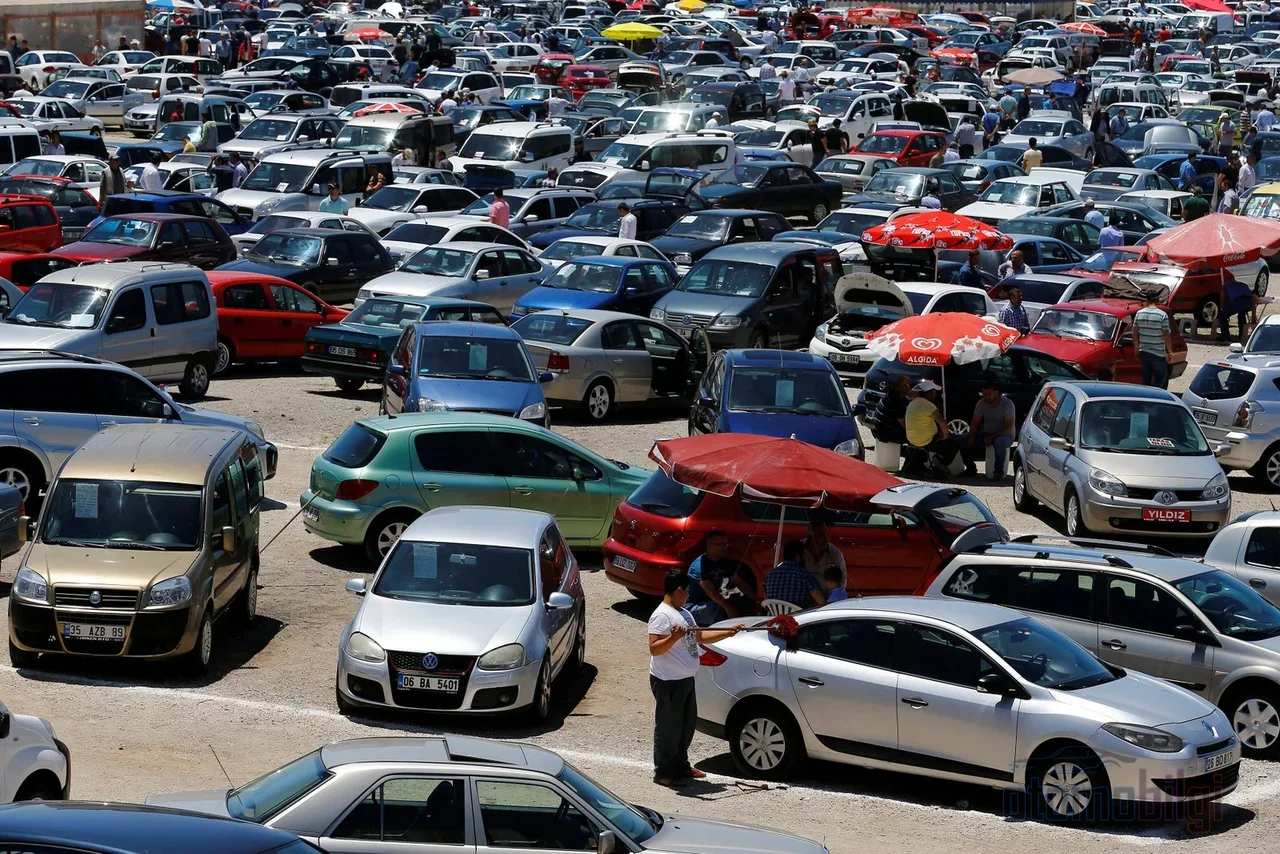
These three channels should not be confused, because although they resemble one another, their legal characters are completely different. An authorized dealer is a seller network operating under the brand's own roof; today, brands' used car branches buy, sell, and trade in vehicles not only of their own brand but also of other brands. A gallery is a commercial business registered with the Ministry of Trade and holding an Automobile Seller Authorization Certificate. A private seller, on the other hand, is an individual who transfers their vehicle in their own name through a non-commercial sale.
We can summarize what this difference means in practice as follows: authorized seller networks offer service history checks, detailed inspections, test drives, warranty, and roadside assistance; the risk of a stolen, mortgaged, or seized vehicle passes to the business's responsibility. A vehicle loan can be arranged without going to the bank, and the seller side handles the notary sale and registration procedures. At a gallery, the legal framework comes into play: an authorization certificate is required, and the warranty and right of withdrawal come by law. In a private sale, however, the security is left almost entirely to the buyer's own diligence; no warranty coverage is involved.
Looking at it from a thirty-year perspective, the direction of change is clear. In the past, a used car meant only the front of a gallery or a friend's recommendation; now there are brands' official used car programs, a secure payment infrastructure working through notaries, and damage records accessible with just a few text messages. This does not eliminate the risk, but it significantly strengthens the hand of the buyer who chooses the right channel.
Price Comparison: Where Does the Cost of Cheapness Come Out
The most talked-about aspect of channel choice is the price, but the real issue is what is included in that price. In the authorized dealer channel, the sticker price is generally the highest; in return, campaign-based and credit-based financing is possible. Let's look at an example: in a brand's online sales channel, for a particular light commercial model, a 0% interest, 6-month term loan and a 4% discount may be offered; of course, along with allocation fees and insurance or maintenance package terms. In other words, the price in the dealer channel should be read based on the total of financing and additional services.
At dealerships, the price is listing-based with room for negotiation. It is normal for the same model to vary between dealerships; the determining factors here are the vehicle's mileage, damage history, and equipment level. In private sales, the price is often the lowest-looking one, but the burden of verification falls on the buyer: the asking price should be compared with the same models of similar age and mileage. Faced with a noticeably cheap listing, the question to ask is obvious: why is it cheap? Sometimes the answer is a lower trim or missing equipment, and sometimes it is more than it appears.
Meanwhile, it is worth noting the character of the 2026 market: the year is a candidate to be one of normalization and balance for the used car market; the course of prices depends on exchange rates, possible SCT (ÖTV) regulations, and auto loan developments. So when choosing a channel, it also makes sense to ask the question "buy now or wait?"
Warranty and Right of Withdrawal: The Line That Truly Separates the Channels
Price can be argued over; warranty cannot. With new regulations, a 3-month or 5,000 km warranty period begins for used vehicles purchased from dealerships. This is a floor mandated by law; dealerships can expand the warranty coverage, but cannot narrow it. On a vehicle whose manufacturer warranty is still valid, the responsibility lying directly with the manufacturer rather than the dealership is an additional assurance. If the vehicle turns out to be defective, seller liability also arises under the Turkish Code of Obligations.
On the right of withdrawal side, the picture is as follows: with the new regulations, used car buyers have been granted a 14-day right of withdrawal; this right applies especially to online purchases from commercial sellers. In other words, a buyer shopping online from a dealership or an authorized dealer has the right to back out; in a private sale, there is no such right. No need to say that habits have changed: signing without seeing the vehicle used to be a reckless act of madness; now the legal framework is turning this transaction into almost an ordinary e-commerce operation.
In the private channel, this picture can be summarized in one flat sentence: no warranty, no right of withdrawal. The buyer's assurance is the quality of the checks and inspection performed before the sale.
Inspection and Verification: Who Is Responsible in Which Channel
There is a regulation stating that used car sales cannot be made without an inspection report. Moreover, with the rule package extended to July 1, 2026, in addition to the continuation of the 6-month/6,000 km limit, an inspection requirement is also coming for private sales. In other words, the era of "I bought it from a friend of a friend, no inspection needed" is closing; this partially covers the weakest point of the private channel.
In authorized dealer networks, the inspection is the seller's own responsibility: service history checks and detailed information are provided. At dealerships and in private sales, the buyer should have the inspection done. Pay attention to quality here: a comprehensive inspection takes 45-60 minutes. A report prepared in 15-20 minutes is either very superficial or a sign that something was skipped. If the report contains many "exempt" or "could not be checked" notes, do not leave that car that day.
How to Query Mileage and Damage Records
No query can replace a physical inspection, but skipping queries does not make the inspection unnecessary either. You can check the mileage record via e-Devlet through TÜVTÜRK inspection records, through the PTT Aracım360 service (with the license plate or chassis number), and through the 5664 SMS service. On the damage side, you can again query the Insurance Information and Monitoring Center by sending the plate to 5664; even if the plate has been changed, the damage history and appraisal report information still comes up. Listing platforms' vehicle query services can also produce damage records.
Especially in a private purchase, do the job with your own hands: before buying the car, query the current damage record yourself through the chassis number with your own phone. Mileage, major damage, and replaced parts information directly affects the car's value; leaving these to the seller's word is, to put it kindly, wasteful.
Payment Safety and Typical Fraud Scenarios
Your first stop on the payment side should be the Safe Payment System. Through the portal of the Union of Turkish Notaries and the systems of major banks, the sale price to be paid in cash via wire transfer/EFT/FAST in a second-hand transaction is secured; the aim is to prevent fraud. As of September 27, 2024, the use of this system is mandatory for vehicle sales with notary transfer. The fee is paid by the buyer and added to the sale price; you should confirm the current amount before the transaction. Selling with a promissory note is also a legal method; buying from a place that sells cars with a promissory note is not illegal. However, only authorized individuals and businesses can use the promissory note and credit card sale options; for transactions between private individuals, the secure payment method is prescribed. In vehicle loans too, the bank carries out the process based on the inspection report; in other words, taking out a loan adds a layer of protection on its own.
Fraud scenarios do not change according to the channel; they just change form. The best known is the middleman spiral: it is built on intermediaries between buyer and seller, rushing you, and the failure to verify that the car actually exists. The solution is simple - meet the seller face to face, inspect the car in person, verify its existence yourself.
- If the vehicle owner does not come to the notary and sends someone close instead, be suspicious.
- If the intermediary prevents you from discussing the price with the seller, stay away.
- Pay the money only to the person on the registration certificate; query the damage record through the chassis number with your own phone.
- Check the validity of the registration and insurance, and the policy's coverage and term, before the sale.
- In the contract, look at the warranty coverage, payment plan, and whether there are hidden fees; if you can, get an independent mechanic's opinion.
Let me also remind you about the notary process: the registration document must first be submitted to a notary for the sale; if the seller is acting with a power of attorney, the power of attorney must also be delivered to the notary, and it must be checked whether there is anything preventing the transfer. If the buyer tries to reopen negotiations over the vehicle's condition after the notary has accepted the transfer, that is not negotiation - it is a warning sign that you are already too late.
Which Channel Suits You Best? A Practical Decision Table
To sum it all up in one table: channel choice depends on your risk appetite as much as your budget. The comparison below summarizes the guarantees and burden distribution across the three channels.
| Aspect | Authorized Dealer | Dealership | Private |
|---|---|---|---|
| Warranty | Manufacturer warranty + second-hand warranty and roadside assistance | Statutory 3 months / 5,000 km warranty | No warranty |
| Right of withdrawal | Commercial seller; 14 days for online purchases | Commercial seller; 14 days for online purchases | None |
| Inspection | Detailed inspection by the seller + service history | Must be arranged by the buyer | Must be arranged by the buyer |
| Payment security | Notary/transfer/registration procedures are handled by the seller | GÖS, promissory note, or credit card options | GÖS; payment only to the registered owner |
| Price | Promotions and credit-based financing possible | Room for negotiation, listing-based | Appears lowest, comparison is essential |
The practical way to read this table: if you do not want to shoulder the cheapness and the risk yourself, a dealer or a well-chosen dealership channel is your channel; if you can manage the inspection, record checks, and secure payment steps yourself, you can capture the best price in a private sale. The learning curve is steep, but the tools are at your fingertips: 5664 SMS, e-Government mileage records, PTT inquiry, and the notary's mandatory secure payment.
Conclusion: The Rule Is Simple, Application Requires Discipline
There is no universal answer to the dealer, dealership, or private question; but the inputs of the decision are clear. The law gives buyers purchasing from commercial sellers a warranty, right of withdrawal, and inspection guarantees; in a private sale, however, you build these guarantees yourself, one by one, with an inspection report, damage and mileage checks, and a secure payment system. If saving money comes first and you enjoy managing the process yourself, the private channel is a calculated choice. Otherwise, paying a little extra for warranty and transactional peace of mind is the best insurance thirty years of experience can recommend.
Sources
- Ford About Second-Hand
- Ford Online | New Vehicles and Maintenance Packages - Ford Türkiye
- Secure Payment System - Union of Turkish Notaries
- Second-Hand Vehicle Secure Buying and Selling System - İş Bankası
- SMS Inquiry - Insurance Information and Monitoring Center of Türkiye
- How to Check Vehicle Mileage? - Borusan Next
- Second-Hand Vehicle Sale Warranty - Hesapkurdu
- New Regulations in Second-Hand Vehicle Sales - Sigortam.net
- What Is Checked During an Inspection? - Oto Merkezi
- The Legal Liability of Car Dealerships - Mihçi Avukatlık
- Certified Used Car Purchase - Otovitrin Plaza
- Is Selling a Car via Promissory Note Safe? - HangiKredi
- The "Sazan" Fraud Scheme in Car Trading - Garanti BBVA
- Vehicle owners, beware! Safe payment details - Bigpara