Otomobilgi.comOtomobilgi.com
  • Türkçe
  • English
  • Deutsch
  • Français
  • Italiano
  • Español
  • Português
  • Polski
  • Magyar
  • Azərbaycanca
  • Bahasa Indonesia
  • Русский
  • 中文
  • 日本語
  • 한국어
  • हिन्दी
  • বাংলা
  • العربية
  • فارسی
  • Türkçe
  • English
  • Deutsch
  • Français
  • Italiano
  • Español
  • Português
  • Polski
  • Magyar
  • Azərbaycanca
  • Bahasa Indonesia
  • Русский
  • 中文
  • 日本語
  • 한국어
  • हिन्दी
  • বাংলা
  • العربية
  • فارسی
  • HOME PAGE
  • NEWS
    Turkish Automotive Industry News
    Global Automotive Industry News
    Turkish Motorsports News
    Global Motorsports News
  • INTERNAL COMBUSTION
    Internal Combustion Models
    Internal Combustion Engine Technologies
    Fuel and Consumption
    Emission and Environment
    Internal Combustion Ownership
    History of the Internal Combustion Automobile
  • ELECTRIC
    Electric Models
    Electric Car Technologies
    Charging and Infrastructure
    Battery Technology
    Range and Consumption
    Electric Vehicle Ownership
    History of the Electric Car
  • HYBRID
    Hybrid Models
    Hybrid Systems
    Battery and Charging
    Consumption and Efficiency
    Hybrid Ownership
    History of Hybrid Cars
  • TECHNOLOGY
    Driver Assistance Systems
    Safety Technologies
    Lighting and Visibility Technologies
    Infotainment and Connectivity
    Autonomous Driving and Artificial Intelligence
    Future Technologies
  • GUIDES
    Buying Guides
    Sales Guides
    Maintenance and Use
    Ownership and Costs
    Tires and Wheels
    Insurance and Inspection
  • HISTORY & CULTURE
    Automobile History
    Iconic Models
    Classics and Collections
    Türkiye's Automobile Journey
    Automobile Design
    Cars and Popular Culture
  • MOTORSPORT
    Formula 1
    Rallying (WRC)
    Rallycross
    MotoGP
    Formula 2 & Formula 3
    Karting
    24 Hours of Le Mans
    WEC
    NASCAR
    IndyCar
    DTM
    GT Races
    Drift
    Drag Races
  • Türkçe
  • English
  • Deutsch
  • Français
  • Italiano
  • Español
  • Português
  • Polski
  • Magyar
  • Azərbaycanca
  • Bahasa Indonesia
  • Русский
  • 中文
  • 日本語
  • 한국어
  • हिन्दी
  • বাংলা
  • العربية
  • فارسی
  • Türkçe
  • English
  • Deutsch
  • Français
  • Italiano
  • Español
  • Português
  • Polski
  • Magyar
  • Azərbaycanca
  • Bahasa Indonesia
  • Русский
  • 中文
  • 日本語
  • 한국어
  • हिन्दी
  • বাংলা
  • العربية
  • فارسی
  1. HOME PAGE
  2. HISTORY & CULTURE
  3. Automobile Design

Automobile Design

Share This Page
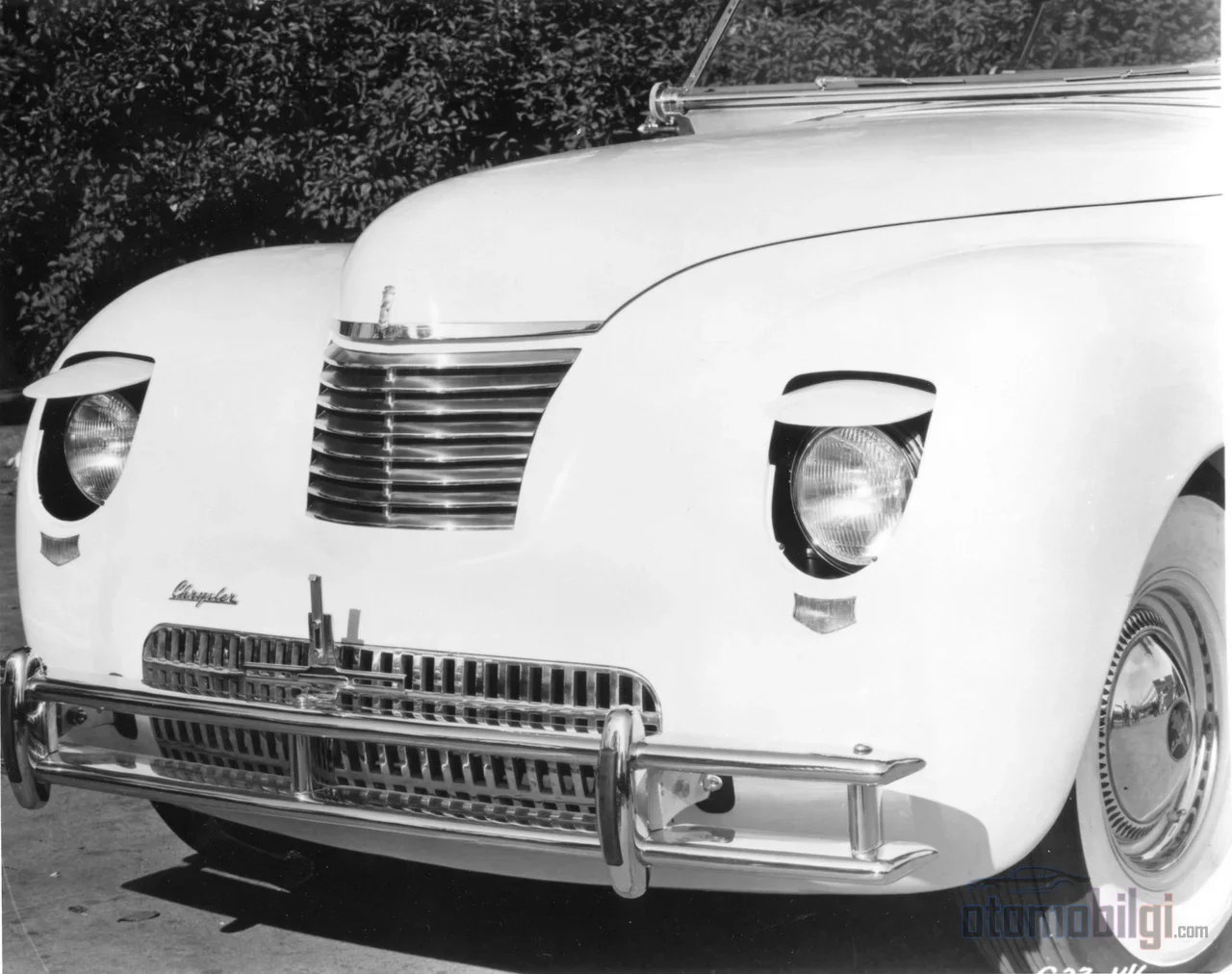
Pop-up headlights, born in 1936 with the Cord 810 and extinguished in 2004 with the farewell of the Corvette C5, are the quietest proof that automotive design has lost its courage.
Pop-up Headlights: The Lost Boldness of Car Design
Lütfi Mete Odabaşı16 October 2026

Pop-up headlights are rotating lighting units that hide beneath the hood or fender when not in use and rise up and light up when you press the headlight switch. This idea, which entered mass production with the 1936 Cord 810, added a touch of mystery…

Read More

More than three out of four vehicles in the US are now gray, white, or black; whereas in 1955 a single model year offered more than 36 colors.
Why Are Cars So Gray Now?
Lütfi Mete Odabaşı16 October 2026

Most new cars these days are white, black, or gray, because these colors sell more easily on the second-hand market, carry less risk in production, and technically work more smoothly with sensors. In the US, these "grayish" colors account for roughly…

Read More
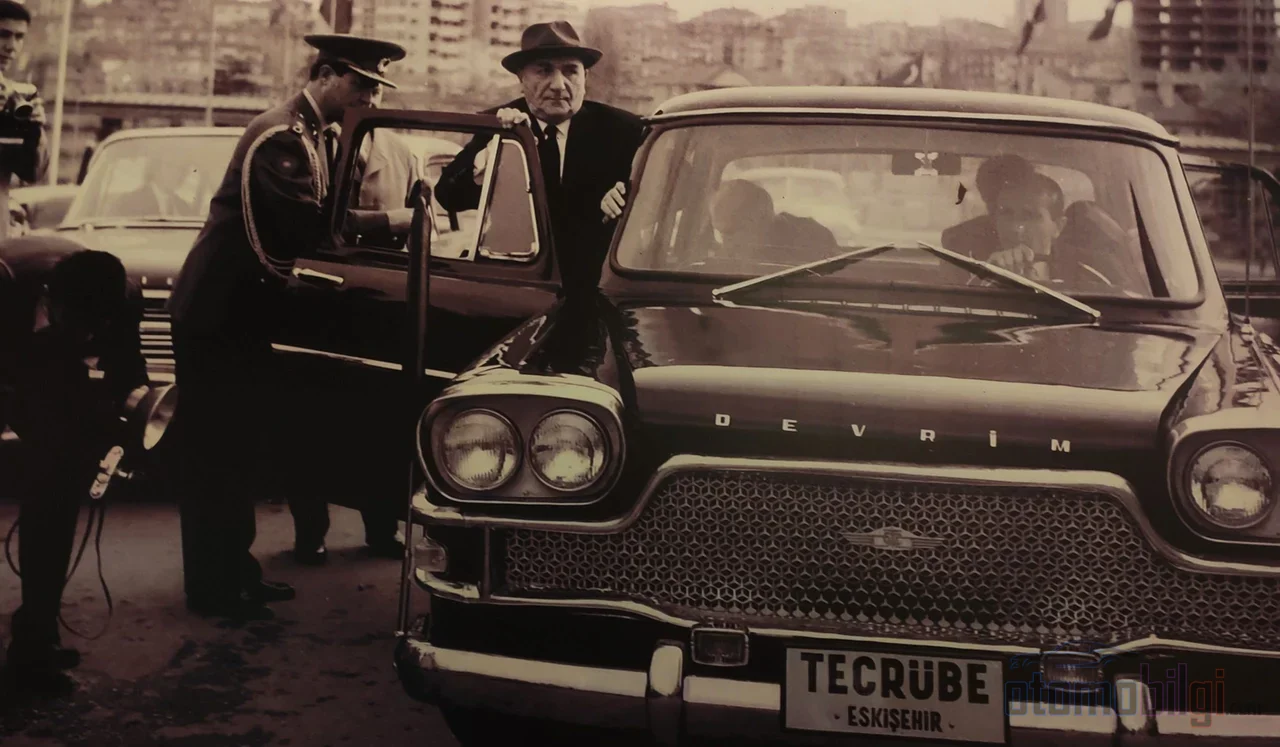
Devrim was born in 1961 in 129 days, entirely by the hands of Turkish engineers; although it was only a prototype, it opened the door to Türkiye's automobile dream.
How Was Türkiye's First Car Born with the Devrim Design?
Lütfi Mete Odabaşı15 October 2026

Türkiye's first car Devrim, is a prototype designed and produced in about 129 days at the Eskişehir Railway Factory, entirely by the hands of Turkish engineers and craftsmen, on the instruction of President Cemal Gürsel. So how was this car born, why…

Read More
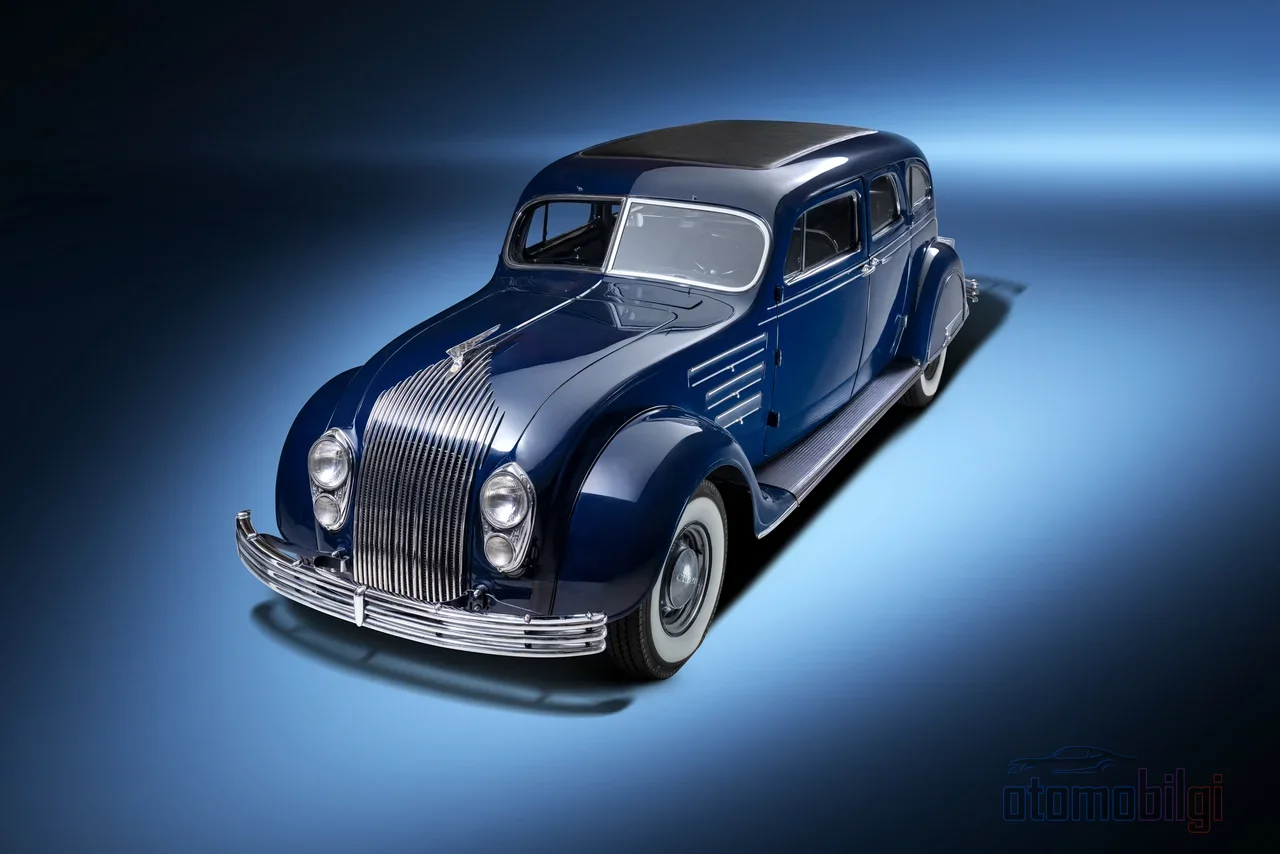
The teardrop form, borrowed from aviation, was at the heart of the design revolution that made cars rounded and bulbous overnight in the 1930s.
Why Did Cars Suddenly Become Round and Bulgy in the 1930s?
Lütfi Mete Odabaşı14 October 2026

In the 1930s, cars suddenly became rounded and bulbous because engineers and designers carried over an idea from aviation - the idea that the teardrop shape offers the least wind resistance - to mass-produced vehicles. This streamlining wave was a de…

Read More
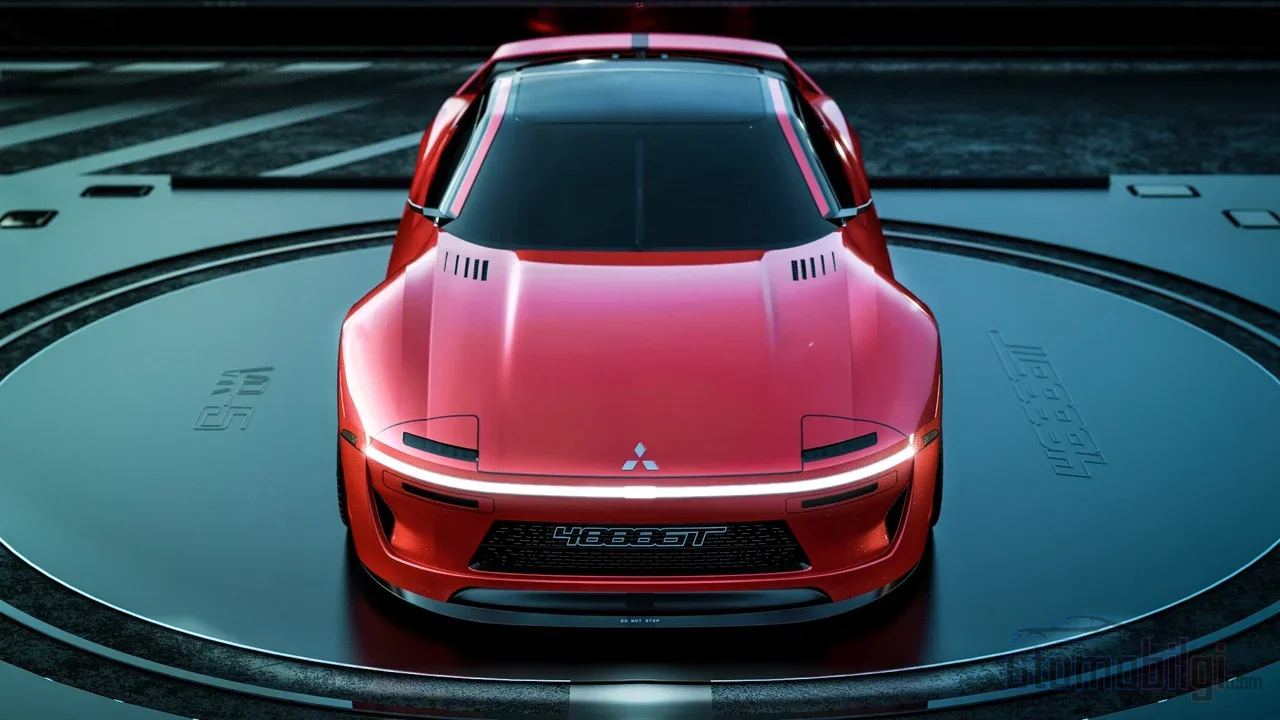
In contrast to Europe's flamboyant classics, Japan followed a quiet yet revolutionary design path, ranging from angular futurism to the Kodo philosophy.
The Quiet Revolution of Japanese Automotive Design
Lütfi Mete Odabaşı14 October 2026

Japanese car design took a very different path from Europe's flamboyant classics: From the angular futurism of the 1980s to the creativity born from the rules of kei cars, from Mazda's Kodo philosophy to the origin stories of legends like the LFA and…

Read More
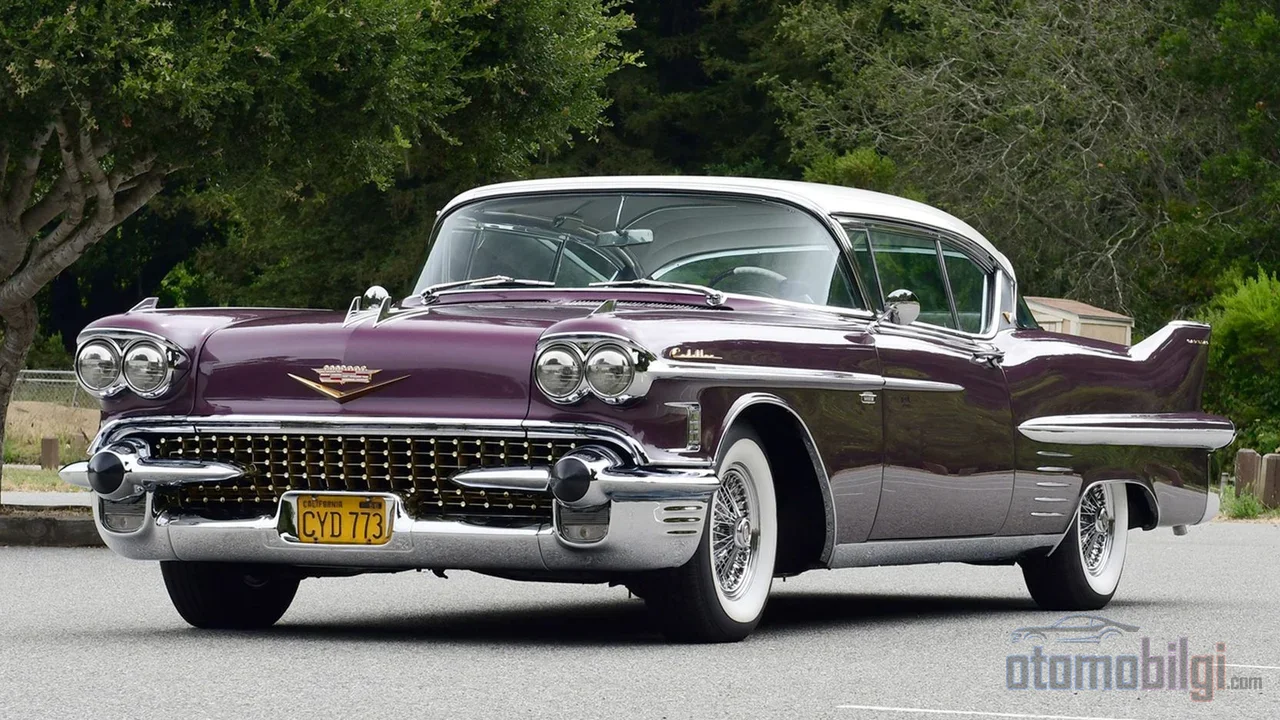
A single design detail was born with the 1948 Cadillac, reached for the sky in 1959, and disappeared within just a few years almost without a trace.
Why Did American Cars' Tailfin Craze Come to an End?
Lütfi Mete Odabaşı14 October 2026

Those giant fins that sprouted on the rear of American cars in the late 1950s, in other words tailfins, were born with the 1948 Cadillac, peaked in 1959, and almost completely vanished within a few years. So how did a design detail rise so high and d…

Read More
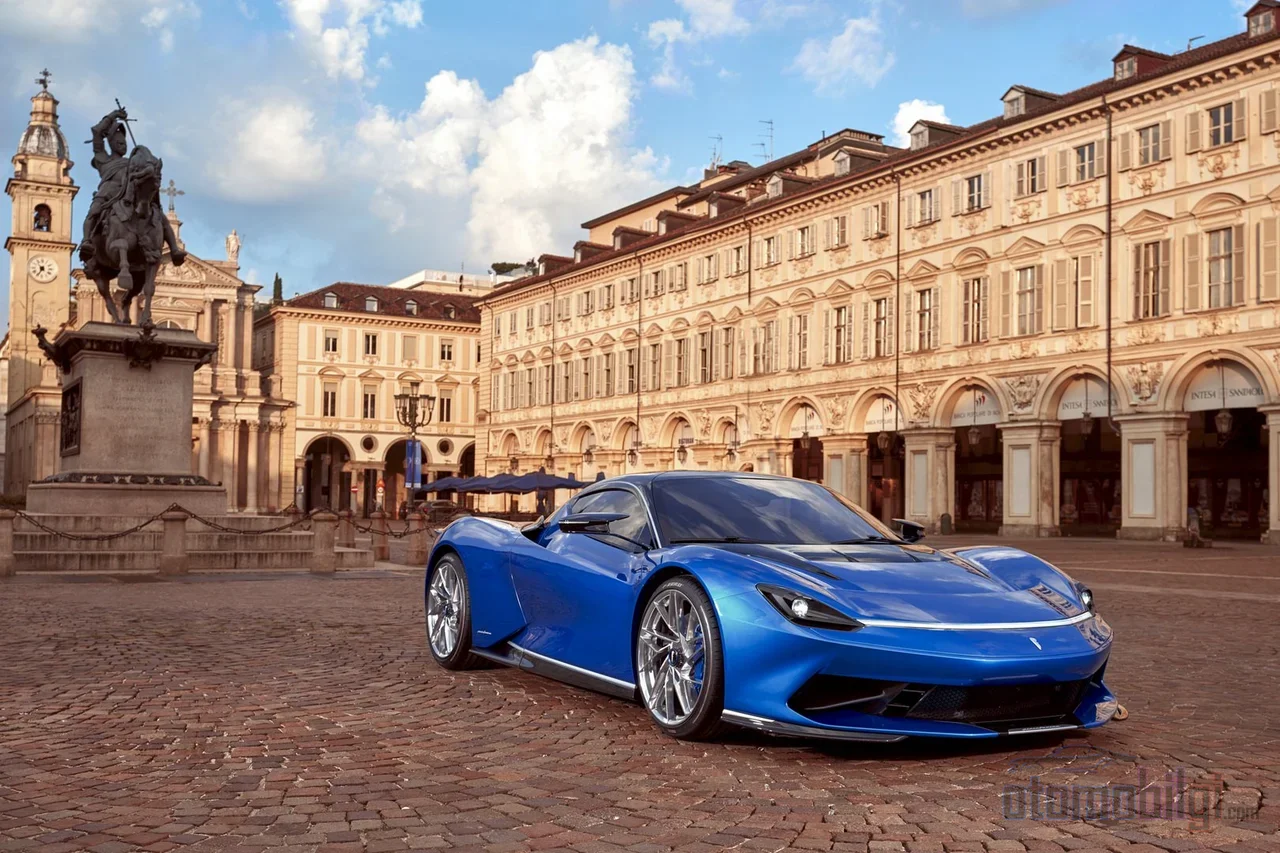
The fact that a Ferrari is born on the drawing board proves that the true architects of 20th century automotive aesthetics were not brands, but independent studios like Pininfarina and Bertone.
How Did Italian Design Houses Shape Automobile Design Lines?
Lütfi Mete Odabaşı13 October 2026

Italian design houses were independent workshops that personally drew the automotive aesthetics of the 20th century, regardless of whose emblem sat on the hood: Pininfarina, Bertone, Italdesign, Zagato and Ghia. Many Ferrari, Alfa Romeo and Fiat mode…

Read More
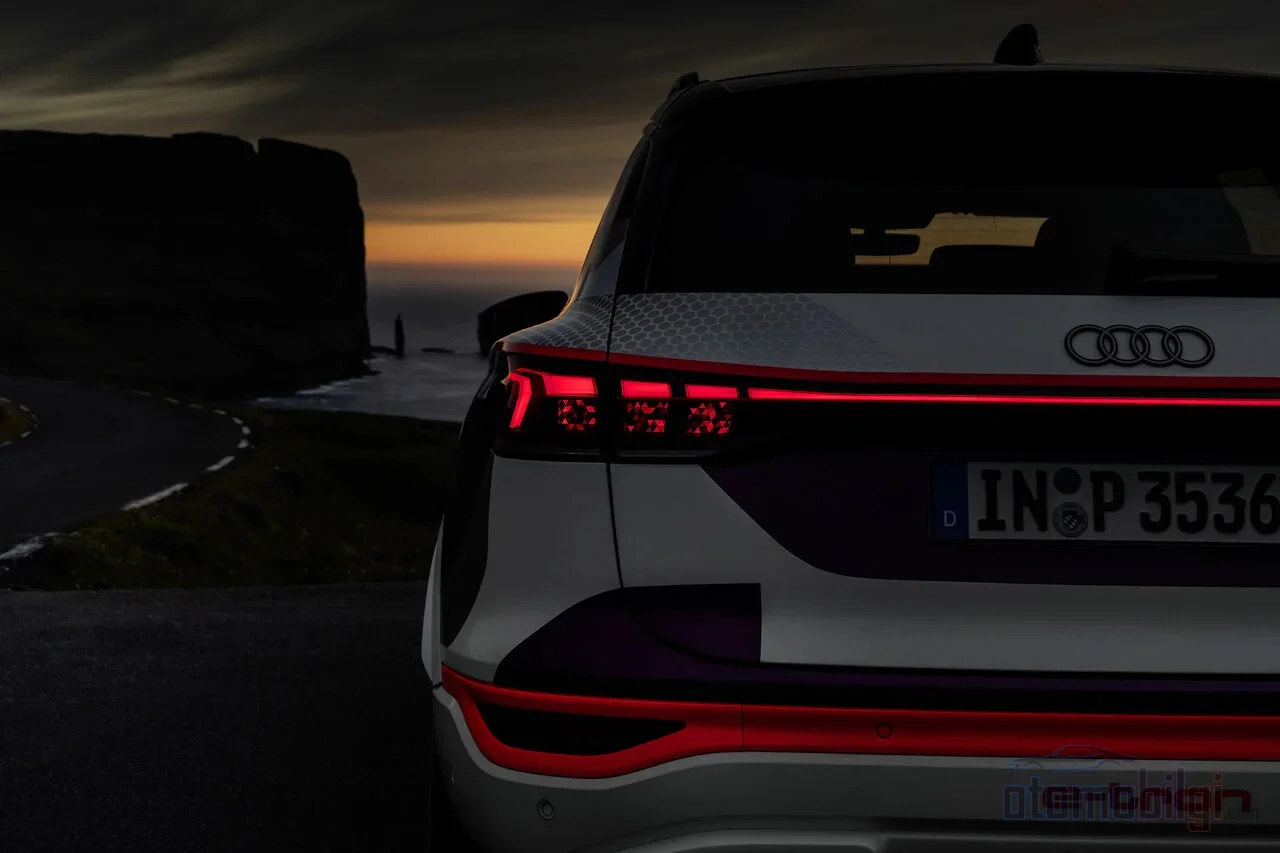
From Volvo's Y-shaped hammer headlights to Audi's segmented 360 taillights, brands no longer illuminate the night road - they illuminate their identity.
Can You Read a Car's Brand from Its Light Signature?
Lütfi Mete Odabaşı13 October 2026

Yes, they're recognized! Even without looking at the logo, anyone who sees Volvo's Y-shaped hammer headlights, BMW's angel eyes, or Porsche's four-point daytime running lights will instantly name the brand. Lights are no longer designed just to illum…

Read More
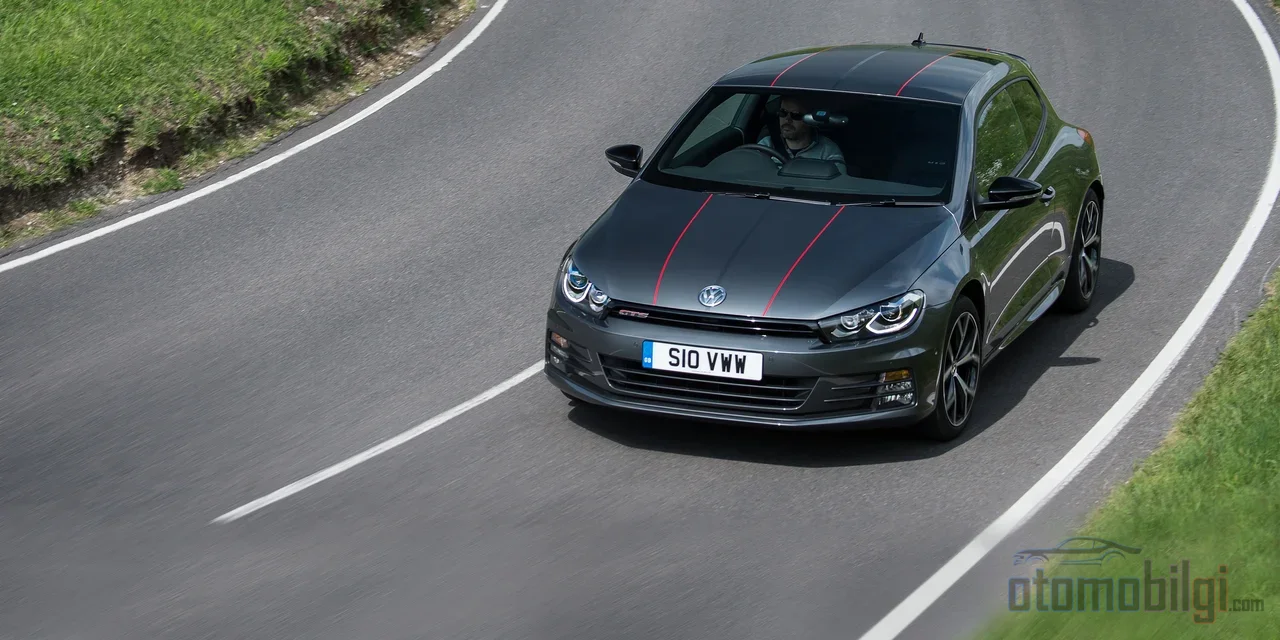
Murat Günak is the only Turk to have held the chief designer seat at both Mercedes-Benz and Volkswagen; his signature extends from the C-Class to the Scirocco.
Turkish Automotive Designers Who Draw the World's Brands
Lütfi Mete Odabaşı13 October 2026

Design teams at the world's major car brands include designers of Turkish origin; the best-known example is Murat Günak, born in Istanbul, who served as chief designer at both Mercedes-Benz and Volkswagen. On this page, we tell the career journeys of…

Read More

The same safety rules, the same wind tunnel targets, and the same market data turned twenty-five out of thirty cars into twins of one another.
Why Do They All Look the Same? The Growing Sameness of Car Front Ends
Lütfi Mete Odabaşı12 October 2026

Look at your parking lot: if there are thirty cars, twenty-five of them are staring back at you with the same sloped hood, the same slim LED light strip and the same wide lower grille. The reason modern cars look alike is this: they all have to be de…

Read More
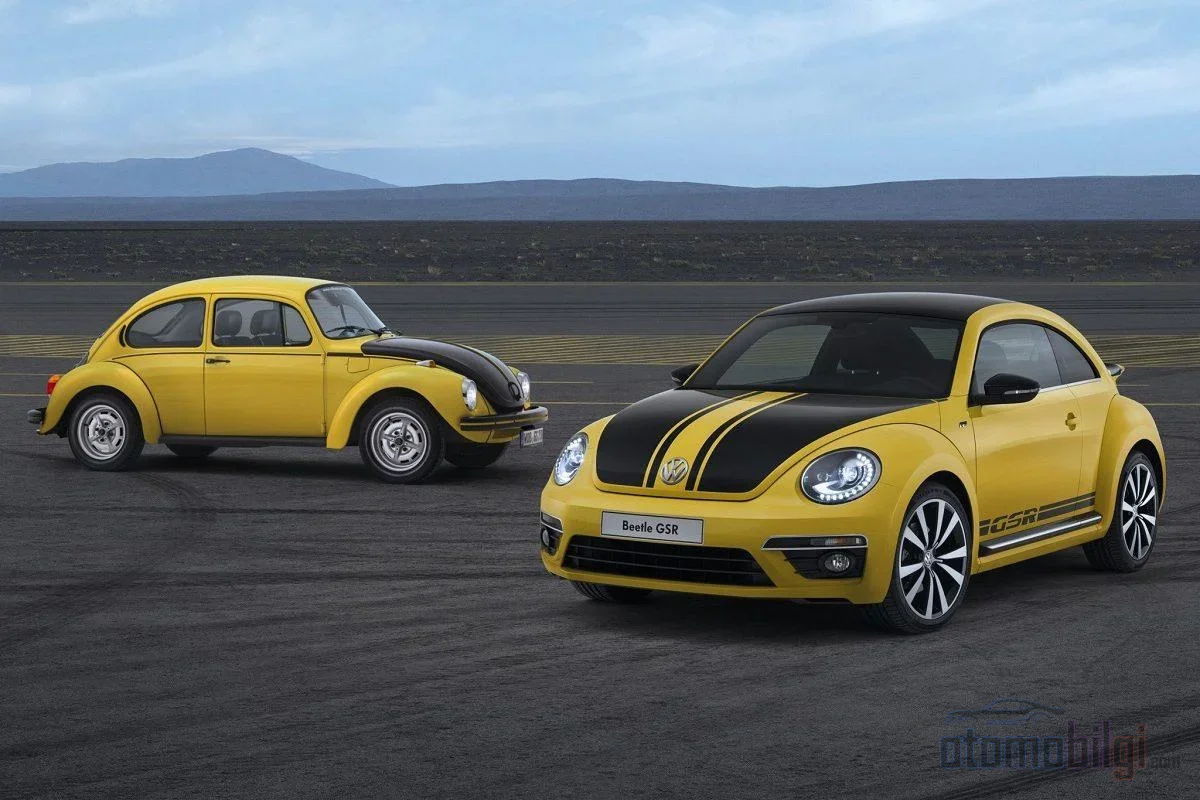
A good retro-modern design gathers nostalgia and innovation under the same hood; the condition, however, is authenticity that comes through staying faithful to the iconic lines.
Why Do Modern Classics Always Take Refuge in the Lines of the Past?
Lütfi Mete Odabaşı12 October 2026

Modern classic cars are vehicles in which brands reinterpret the iconic lines of the past with today's technology; models like the Fiat 500, Mini and New Beetle are the most familiar faces of this trend. So why, after decades, do brands recall that l…

Read More
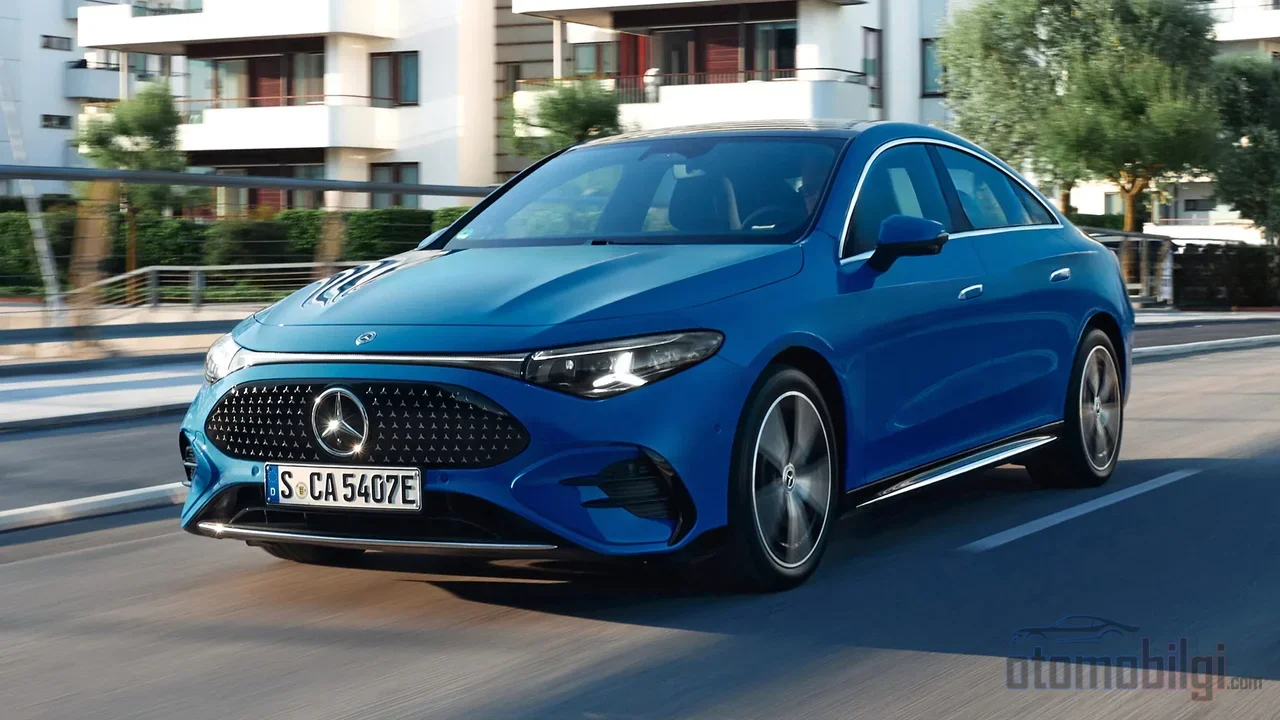
Concept cars are not built to be sold but to showcase a dream; the Mercedes-Benz Concept CLA Class is one of those rare examples that managed to carry that dream onto the streets.
Why Do Concept Cars Get Lost on the Road?
Lütfi Mete Odabaşı12 October 2026

Concept cars often get lost on the road, because they are not built to be sold but to show a dream: Material costs, safety rules and manufacturing feasibility are far beyond what a standard vehicle can achieve. Still, every rule has an exception; som…

Read More
  • Previous
  • 1
  • 2
  • 3
  • Next

Category Editor

Lütfi Mete Odabaşı

Lütfi Mete Odabaşı

A young, dynamic automotive and motorsport enthusiast who loves researching and learning. Mete adds value to our automotive news, information, and culture platform with a young person's perspective. He closely follows innovations in automotive technologies and developments in motorsport, turning what he learns into rich, useful content for otomobilgi.com.

Follow Us on Social Media

Share This Page

Follow Us on Social Media

  • About Us
  • KVKK Disclosure Statement
  • Privacy Policy
  • Contact
Otomobilgi.com
INDEPENDENT AUTOMOBILE CULTURE PLATFORM
Powered by Virgo CMS