How Do Tire Pressure and Maintenance Condition Affect a Hybrid's Fuel Consumption?
Share This Page
The savings of hybrid cars are often attributed to driving style, yet the mechanical conditions that directly determine consumption are usually overlooked. Tire pressure, the viscosity of the engine oil, the condition of the air filter and the health of the braking system are physical factors that one by one disrupt the hybrid's delicate balance between its electric motor and internal combustion engine. Each of these four factors produces a measurable fuel penalty, and each is a problem the driver can control on their own.
Highlights
- Every 1 PSI of pressure loss reduces fuel economy by about 0.2-0.3% reduces
- On tires far below the recommended pressure, the consumption penalty 10% can reach
- Using an oil with a mismatched viscosity grade 1-2% creates an increase in consumption
- A dirty air filter in modern engines 2-11% can lead to additional consumption
- Regenerative braking recovers roughly 22% of the energy from deceleration
Tire pressure and rolling resistance: the factor that disrupts consumption fastest
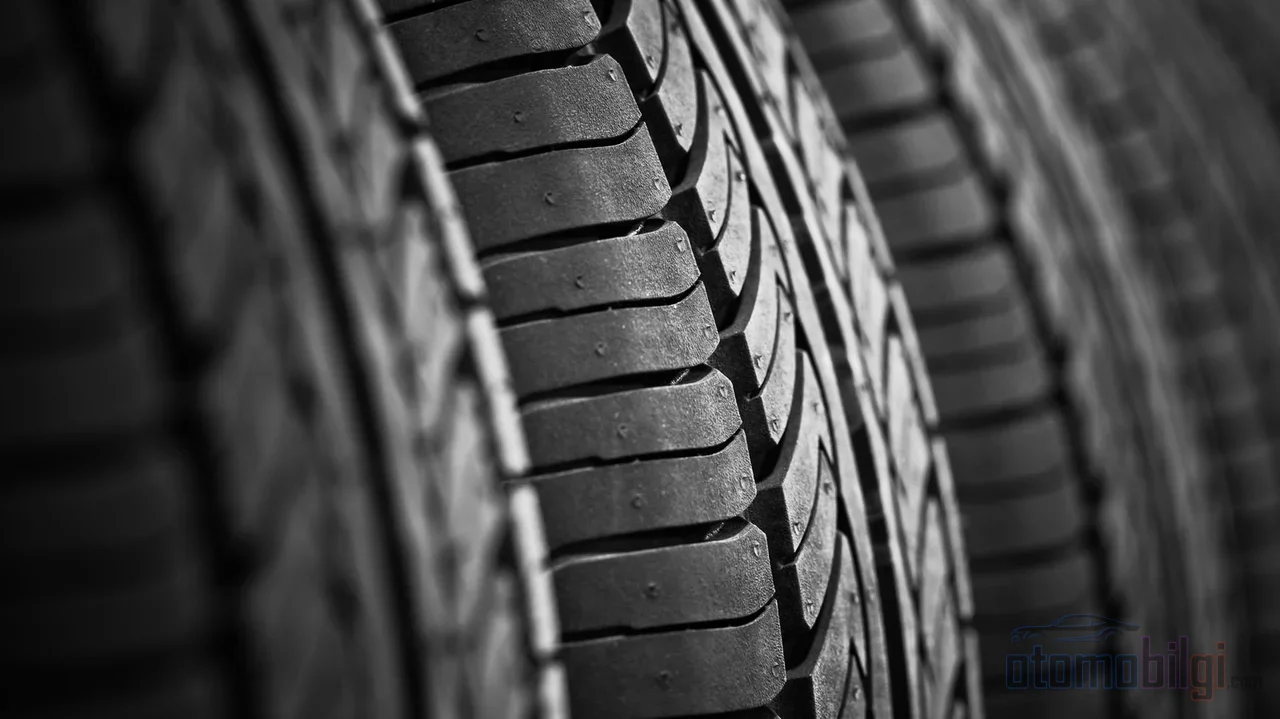
The tire is the only part of the vehicle that touches the road, and its share in the hybrid's efficiency calculation is bigger than assumed. In passenger cars, up to 15% of fuel consumption, and in some measurements around 20% , is spent on overcoming rolling resistance. When pressure drops, the tire's contact patch with the road grows, the tire casing flexes more, and rolling resistance increases. This relationship is linear: as pressure falls, resistance and energy consumption rise steadily.
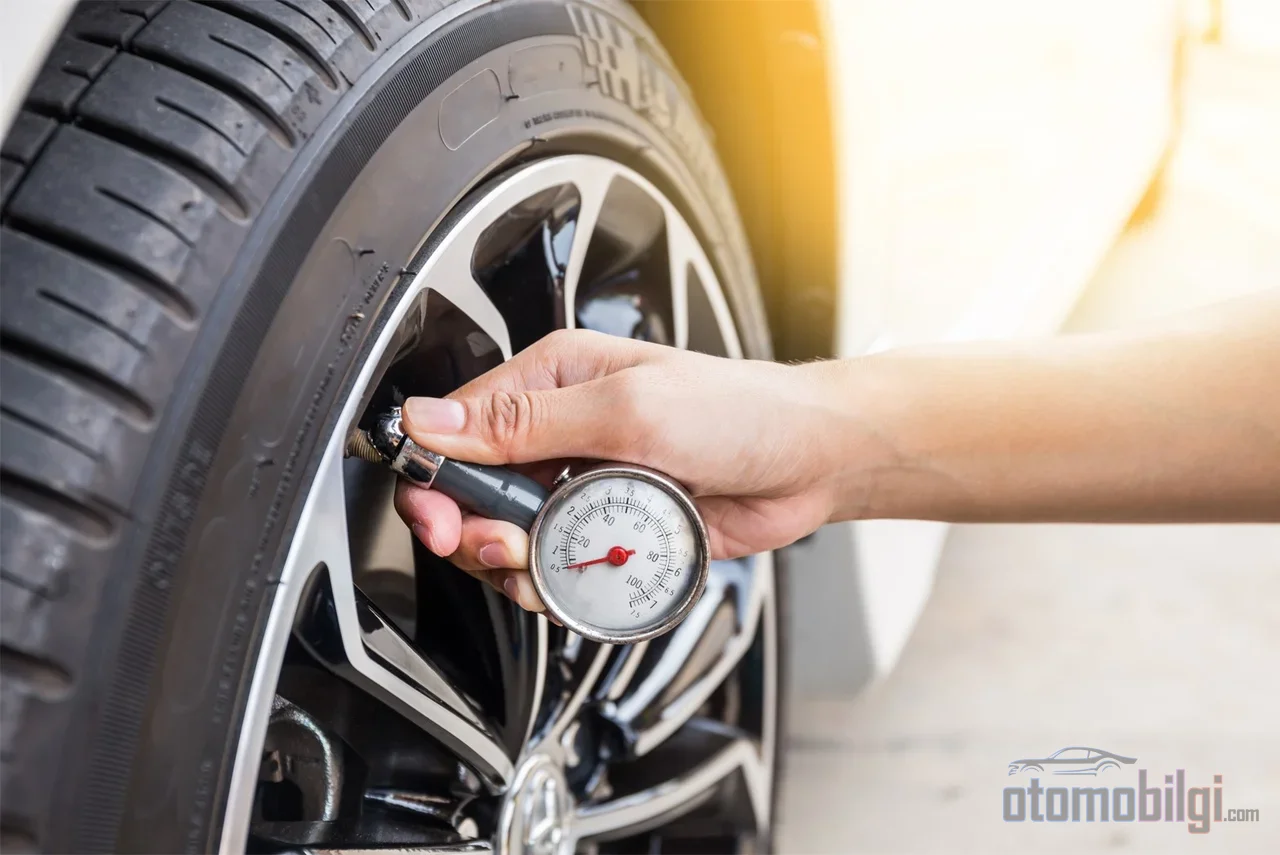
The numerical impact has been clearly measured. For every 1 PSI of deficiency in total pressure across the four tires, fuel economy drops by roughly 0.2% to 0.3% It is easy to make concrete what this means: a 5 PSI deficiency in each of the four tires means a total loss of 20 PSI and this alone can raise consumption by about 4-6% . In tests by Oak Ridge National Laboratory, part of the U.S. Department of Energy, tires lowered to only 75% of the recommended pressure produced a fuel economy penalty of 2-3%; at much lower pressures this penalty climbed to as much as 10%. In the San Jose State study, a university-scale test, losses of up to 10% were also observed in low-pressure scenarios.
Hybrid owners confirm this effect in daily use: in vehicles running a few PSI below the stock pressure, the range and efficiency indicator visibly stretches. On the other hand, returning to the correct pressure can recover up to 3% of fuel economy; in other words, the problem both appears quickly and can be fixed quickly. Reducing rolling resistance itself also brings gains: a 10% reduction in resistance improves fuel economy by about 1.1% .
How is cold pressure measurement done?
Recommended pressure values are for cold tires. After driving, the tire warms up, the air inside expands, and the gauge temporarily reads high; that is why for measurement, at least 3 hours is recommended. Never bleed air from a hot tire: once the reading normalizes, the pressure remains low and the very rolling resistance increase you wanted to prevent returns. If measuring on a hot tire is unavoidable, the compensation rule of approximately +1 PSI / 10°F per temperature increase can be used.
Cold weather turns this picture against you. When the air temperature drops, tire pressure drops too; in winter months, pressure needs to be checked more frequently. Low pressure not only increases consumption but also accelerates tire wear. Since hybrid and electric vehicles already place an extra load on the tires with their heavy batteries, neglecting this check comes at a double cost.
Why is engine oil viscosity more critical in hybrids?
Every friction inside the internal combustion engine is energy stolen from the fuel. Low-viscosity, i.e. thinner oils, improve fuel economy by reducing friction losses; thicker oils generally offer stronger wear protection. This dilemma applies to every engine but takes on a sharper form in hybrids, because hybrid engines run for long periods in the high-speed, low-load region, and the effect of viscosity on fuel economy becomes dominant precisely under these conditions.
A 2024 modeling study showed that especially 0W-20 class oils significantly reduce friction losses. In models such as the 0W-20 factory-specification Toyota Prius , viscosity affects consumption more directly than in other hybrids. Real-world feedback points in the same direction: hybrid owners who put 0W-20 instead of 5W-30 in the same vehicle report range loss. A single viscosity grade mismatch corresponds to 1-2% loss in fuel economy in measurements.
The biggest difference appears during cold starts and warm-up: oil is thicker when cold, and an oil that starts thin allows the engine to reach its efficient operating temperature with less resistance. The point to watch is not lowering the viscosity below the specification, but staying loyal to the grade the manufacturer wants. The only correct answer in oil selection is what is written on the label under the hood.
Does a clogged air filter really affect consumption?
The air filter is the most debatable topic in hybrid maintenance. In old carbureted engines, a dirty filter significantly increased consumption; modern fuel-injected engines measure airflow with sensors and adjust the mixture themselves, so official assessments show a more modest effect: a dirty filter can cause extra consumption of 2% to 11% in modern vehicles, with more cautious estimates pointing to the 2-6% range. At the extremes of severe clogging, i.e. when the filter becomes nearly airtight, the consumption increase can reach far more dramatic proportions.
The main counterargument says this: in modern vehicles, the real victim of a seriously clogged filter is not fuel consumption but performance. When the engine cannot get enough air, throttle response softens and acceleration drops; consumption remains relatively stable thanks to engine management. This reading suggests that filter replacement should be seen not so much as a fuel-saving measure but as a performance and engine health measure. The balanced approach is this: check the filter regularly and replace it when signs of clogging appear; but know that replacing the filter once a year will not, by itself, noticeably increase your range. Replacing a clogged filter can improve acceleration by 6-11% - an improvement felt before any change in fuel consumption.
Brake condition and regeneration: the hybrid's quiet gain
Most of a hybrid's consumption advantage comes from regenerative braking. With every deceleration, the electric motor turns into a generator, sending part of the kinetic energy back to the battery; there is a recovery of roughly 22% of driving energy. In stop-and-go city traffic, this rate is the advantage itself - and the condition of the brake system directly determines this gain.
A seized brake, meaning a caliper that does not fully release the pad, causes damage in two ways. The first is mechanical: a constantly rubbing pad acts like a hidden brake slowing the car at all times, reducing both regeneration and plain fuel economy. The second is imbalance: when a single caliper seizes, the vehicle's balance is disturbed and the pads wear unevenly. If ignored, the picture worsens - deformed or scored rotors, loss of braking power, premature pad wear, and overheating in the brake system. The symptoms are familiar: a burning smell from one wheel, a dragging sensation in the direction of travel, and uneven pad wear.
There is also a mechanical limit: regenerative braking is not as powerful as friction brakes and is not sufficient on its own in emergencies. In other words, friction brakes have not been retired from the hybrid; they must remain fully functional for both safety and efficiency. In a hybrid whose friction brakes have not been serviced for a long time, caliper and rotor inspection is necessary for safety as much as for fuel consumption.
Spark plugs: a small part, a gradual leak
Spark plugs are among the most frequently overlooked small parts on the maintenance list. A worn spark plug produces a weak spark, and the air-fuel mixture burns incompletely or inefficiently; the result is a loss of both power and fuel economy. Extreme figures circulate about the size of the effect - some claims suggest that replacing old plugs improves consumption by up to 30%- but the realistic picture is more modest: properly maintained plugs can recover 3-8% of lost efficiency, while worn plugs gradually steal about 1-2 MPG of efficiency. The practical conclusion for hybrid owners is clear: follow the spark plug maintenance interval according to the manufacturer's schedule; the sneaky, gradual increase in consumption is usually not a dramatic failure but aging spark plugs.
A checklist the driver can apply on their own
For three of these four mechanical factors, maintenance does not require a service appointment. A monthly routine catches the hybrid's efficiency loss before it accumulates:
- Once a month, measure the tire pressure while the tires are cold (when the car has not been driven for at least 3 hours) and compare the values with the label on the door pillar; never bleed air from hot tires.
- Increase the frequency of pressure checks when cold weather sets in; as the air cools, tire pressure drops on its own.
- When changing the oil, do not deviate from the viscosity grade specified by the manufacturer; even a single step 1-2% means a fuel consumption penalty.
- Inspect the air filter visually; if it is dirty enough to block light when held up to a light source, replace it.
- If the car slows down involuntarily after braking in city driving, if a burning smell comes from the brake pads, or if acceleration feels sluggish, have the calipers checked; a seized caliper silently kills the regenerative braking.
- Mark the spark plug replacement interval according to the manufacturer's schedule; gradual increases in fuel consumption start with the spark plugs.
Hybrid technology is built on a perfectly maintained mechanical foundation. A dropped PSI, the wrong viscosity grade, or a seized caliper erodes, piece by piece, the work carried by the electric motor. The good news: none of these losses are mysterious, all are measurable, and all are in the driver's hands.
Sources
- Assessing the Impact of the Change in the Tire Pressure on Rolling Resistance - Synák et al., 2020
- A Study on Vehicle Tire Inflation and Fuel Consumption - SJSU/Chandra
- The Cost of Ignoring Tire Pressure: What a Missed PSI Costs
- The Impact of Tire Pressure on Fuel Efficiency
- Best practices for EV tire pressure - Michelin
- How Engine Oil Viscosity Impacts Fuel Economy - Geotab
- Modelling the impact of reducing lubricant viscosity - Blanco-Rodríguez, 2024
- Fuel economy for engine oils: the formulator's dilemma - Lube-Tech
- Effect of Intake Air Filter Condition on Vehicle Fuel Economy - NTIS/DOE
- Does a dirty air filter really hurt fuel economy? - Mechanics StackExchange
- Regenerative Braking and Hybrid Brake Service
- Signs of a Sticking Brake Caliper - Mavis
- How Spark Plug Health Impacts Fuel Efficiency