How Does Race Day Work at a Drift Event?
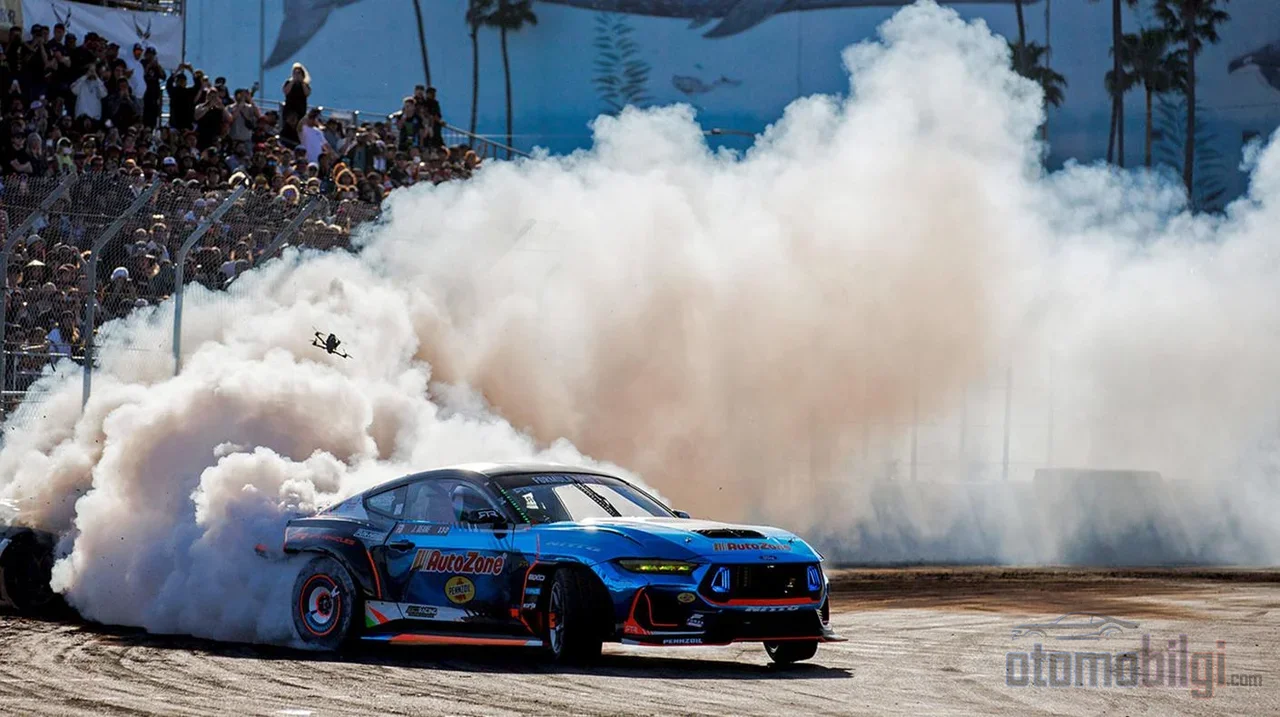
Share This Page
A drift race day moves through three main stages: technical inspection, practice and qualifying runs, followed by tandem elimination battles. The day starts in the paddock with paperwork and a safety inspection, a bracket is formed from solo runs, and the day turns into duels where two cars slide side by side, the judges declare a winner, and it closes with a podium ceremony. In other words, hours of behind-the-scenes preparation turn into just a few minutes of show on the track - and here is the full story of how that show is put together.
Highlights
- Race day officially begins with administrative and technical inspection (scrutineering) and ends with the podium ceremony.
- A tandem battle consists of two runs ; in the second run, the lead and chase roles switch.
- If a winner cannot be determined OMT (One More Time) comes into play and the battle is repeated.
- In the hot pit, a car may by rule remain for 1 minute, and in a jury-approved technical break, for 5 minutes .
- Formula Drift removed solo qualifying in 2024; in 2026 this tandem qualifying format changed once again.
How the Day Begins: Administrative Check and Technical Inspection
Buckle up, because race day actually starts long before the engine fires up for the first time. Teams enter the paddock in the early hours of the morning, set up their tents, and queue up: first administrative check, then technical inspection. So, as the name suggests, scrutineering - that tense stop where the car proves it complies with the rules, something like a driver's license inspection. Is there any fluid leakage? Is the battery securely mounted? Are the seat belts working? Are the wheels and tires in proper condition? All of these are reviewed, and every detail awaits approval.
The checks don't end there. Each team must keep at least two charged 4 kg fire extinguishers in the service area per car - including a spare. Covering the ground with a fluid- and fuel-proof sheet is also mandatory; a space of at least 3x6 meters is allocated for each car. Refueling can only be done in designated areas, with the engine and master electrical switch off, and no one may remain in the vehicle during refueling. Does it sound bureaucratic? Maybe. But each of these rules came out of a safety story and exists so that everyone on the track can have peace of mind.
After technical inspection comes the drivers' meeting, in other words the briefing. Here the judges must present a graphic map of the course to the drivers: where the acceleration zone is, where the start point is, which are the clipping points and outer zones... So before the drivers enter the solo and tandem runs, they know exactly what the judges will be looking at, down to the finest detail. Later in the day, objections are also made through the official channel: a driver can only submit questions to the judges through their team's official representative. So no one shouts in the pits; everything proceeds by procedure.
Practice Sessions and Qualifying Runs: How Is the Bracket Formed?
After the briefing, the track opens and open practice begins. In some organizations, this part actually keeps a rhythm: the day starts with approximately 2 hours of, there are even formats that start with practice sessions. Why so much practice? Think about it: every track has its own character. Where the clip zones pay off, which gear the car slides comfortably in, how many laps it takes for the tires to get tired - you only learn these on the track. Practice is the draft section where the pilot scribbles out the notebook for race day.
Then come the qualifying runs. In the standard format, each pilot, in front of the judges, delivers two solo runs and these runs are scored. The goal here is simple: to prove what a good lead run in tandem will look like. The run the judges love is the decisive, aggressive one that makes it hard for the follower to stay behind. Once the qualifying scores are collected, the elimination bracket is drawn - who races against whom is determined entirely by these scores. In small local events the bracket is kept shorter; some tournaments even hold two separate qualifying events to determine the top eight. In the bigger series the bracket can extend up to thirty-two drivers.
There's a nice difference between formats here, let me note it right away. Formula Drift removed the solo qualifying entirely in 2024 and switched to a system where every driver completes at least one tandem run. This all-tandem qualifying format, applied for two seasons, was scrapped in 2026, mostly by the vote of the PRO drivers; the tandem format continued on the PROSPEC side. In the same season, FD also introduced a universal scoring method to reduce ambiguity in the judges' deliberations. On the Japan-born D1 side, the approach and judging culture works differently in its own way. So how qualifying is done can change significantly depending on the series you're looking at - I say don't guess without reading the organization's rulebook.
Tandem Elimination Runs: Two Cars, Two Runs, One Winner
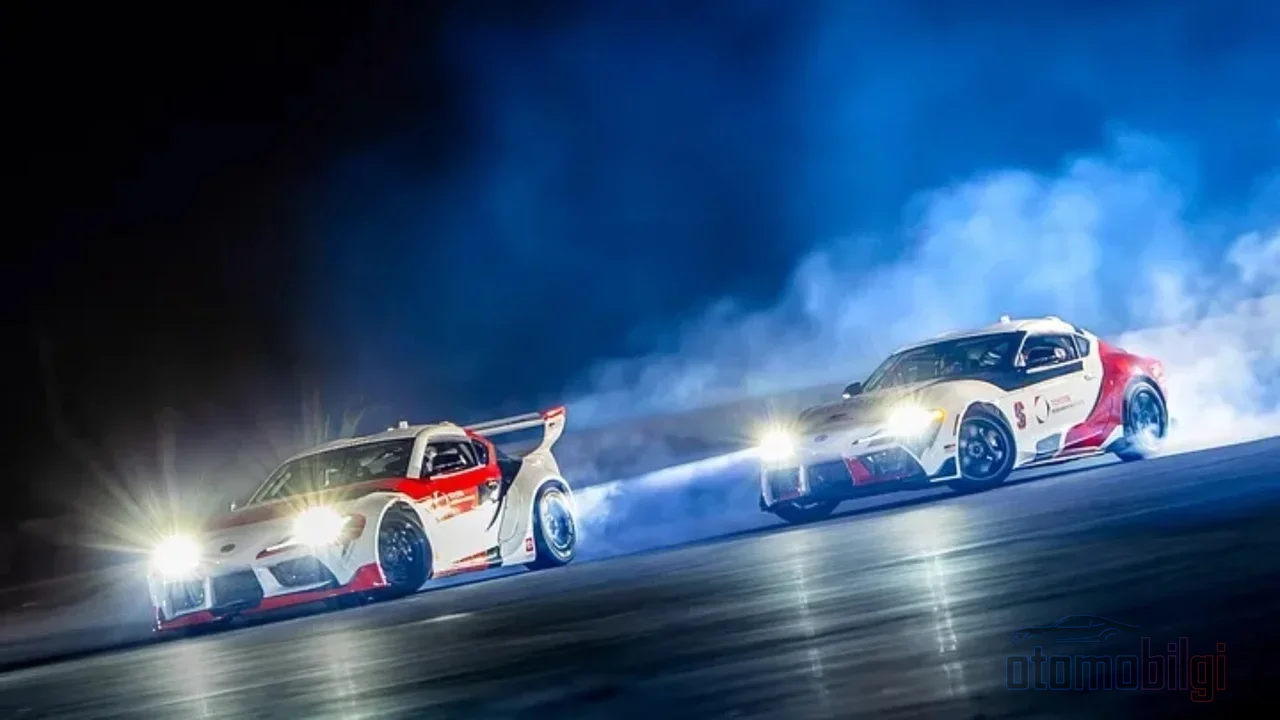
Here is the heart of the day, the part that gets your heart racing starts right here. The Japanese name for tandem is tsuiso; the two cars go through the scored section together. One is the leader, senko; the other is the follower, atooi. The leader slides the course as perfectly as possible; the follower tries to stick to it as closely as possible, on the same line and at the same angle. When the first run ends, the roles swap: the follower becomes the leader this time. Looking at the combined result of the two runs, the jury announces the winner, and the winner advances to the next round.
So how does the jury evaluate the follower? There's a cool term for this: the chaseable lead run. The leader's run must fill all the clip zones, maintain sufficient pace and proximity, and allow the follower to copy the same line. If the lead run is so chaotic that it forces the follower into a critical mistake, that run is not considered chaseable and the calculation changes at the judges' table. Also, in cases it deems necessary, the jury can designate a respect zone where the leader passes at a constant speed, neither accelerating nor slowing down, or place slowing cones.
The rule puzzle doesn't end here either, but the most important ones are:
- OMT (One More Time): If the jury cannot determine a winner after two runs, the matchup is repeated.
- Hot pit: The technical stop between the two runs of a matchup; as a rule, the car may stay here for 1 minute.
- Technical break: A long break approved by the race director, maximum 5 minutes.
- Bye run: A driver left without an opponent must reach the starting line without outside assistance and prove they are ready to race.
The organization also chooses the format of the bracket: Olympic system, double elimination, or league style. A similar logic operates in Türkiye as well; under national rules, the judges compare the lead and chase runs of both drivers and determine the winner independently. In other words, your favorite driver's chance of escaping elimination depends on getting past the four eyes of the judges.
How Is a Judges' Decision Made and Appealed?
In scoring, the judging panel consists of one to three people and looks at three words: line, angle, and style. Drivers start with 100 points and lose points as they make mistakes. The first criterion is speed; how fast and smoothly you complete the course in a drift is discussed more than a missed clipping point. The outer zone must be filled with the rear wheel, the inner zone with the front wheel or bumper. Scoring starts at the initiation point, continues along the course, and ends at the finish line - meaning a run you saved at the last corner is worth just as much as one you executed cleanly from the start.
Want to appeal the decision? There is a way for that too, and it is not like a street fight but like paperwork. An official appeal form is filled out; the signatures of the chief judge and the driver are mandatory, and all signatures carry a date and time. The appeal review is conducted giving all interested parties the opportunity to express their views, and if rejected, the appeal fee is generally not refunded. In short, asking the judges a question is free, but you need to know the channel and respect the procedure. This reminds me of the maturity of the sport: emotions stay on the track, decisions are made on paper.
Rhythm in the Pits: Tire Changes and Team Operations
Now let's turn the camera from the track to the pits, because that is where the real magic happens. A drift car is famous for its tire consumption on a race day; every tandem run shaves the tires down. That is why the team works the pit like clockwork throughout a race day: tires are removed, mounted, pressures adjusted, fluids checked. The special area where all technical work such as tire changes is permitted is called the maintenance zone, and the hot pit rules depend on it. Every second in the pit area is valuable; if you only have 1 minute between your runs, the tire crew's practiced hands are everything. In motorsport, these movements are repeated thousands of times over the season until they become reflexes - no matter how big a star the driver is, the picture cannot be completed without the team behind them.
Communication between the stewards and drivers is also part of this rhythm. Drivers convey their questions through their team representative, the race director decides on technical breaks, and pit lane speed limits are clearly drawn: in areas open to spectators the limit 5 km/h, while race cars in the pit lane can move up to 60 km/h. Even during the quiet hours announced in the organization area, noise cannot exceed 60 dBA; music, noisy maintenance, and running engines are forbidden. Yes, race day proceeds with discipline at night too.
For First-Time Drift Event Attendees: A Guide to Making the Most of the Day
So what if you're on the spectator side? Then you need a few golden tips, because a drift event flows to a different rhythm than a concert. The first rule is simple: don't enter the track, follow the flow. Be polite in the event area, pick your own corner and watch from there; each spot reveals a different side of the course. If you can get into the pit area, the rules there are completely different: no alcohol, don't touch other people's belongings, and leaving the area clean is a must. Think of the pits as the teams' workroom - you're a guest, so show respect to your host.
To watch the day more meaningfully, review the schedule in advance and try to distinguish the segments. In practice you watch the drivers learning the track, in qualifying the individual performance, and in the tandem battles the real duels. Also, the day's program can run as clearly as it did at the 2026 Istanbul Park opening: practice laps from 09:00 to 11:00 in the morning, cup pairings at 11:35, and championship elimination rounds from 14:00 onwards. As another example, at one round of the Türkiye Drift Championship, Sunday practice started between 10:00 and 11:20. So don't arrive late; the best tandem duels usually come in the afternoon and early evening. And if you're on the driver side, prepare your package for the first event in advance: safety equipment, tools, fluids, plenty of tires, fuel, and a backup plan. Make sure your seatbelt works and your fluids don't leak - that's how simple the recipe is for passing scrutineering on the first try.
Podium Ceremony and the End of the Day
When the last tandem lap is over, the day isn't done; now come the awards. The jury finalizes the standings, the winners take the podium, and the ceremony closes with the trophy presentation. In fact, if the tandem segment cannot be completed for any reason, some regulations consider the qualifying results alone as the final result - meaning the performance in the solo laps never goes to waste. Behind the driver lifting the trophy, there are thousands of tire laps that day, countless refuelings, and a tally sheet filled to the brim; as a spectator, when you go to the next event, you'll now see the effort behind the podium. Which segment do you think is the most critical - the subtlety of solo qualifying or the duel of the tandem? Give your answer yourself at the next event.
Sources
- WDL Drifting Competitions Judging Regulations 2025
- 2026 FIA Intercontinental Drifting Cup – Sporting Regulations
- Drift Masters 2026 Judging Rules
- TOSFED National Drift Rules 2026
- Formula DRIFT Announces Major 2026 Competition Format Changes
- Formula Drift eliminates solo qualifying runs (2024)
- Formula D - Wikipedia
- FIA Central Asia Drifting Cup 2026
- Drift DP 2026 Objection Form - Drift Stars
- TOSFED Istanbul Park - The First Stop in Drift Excitement
- Türkiye Drift Championship Round 4
- Tandem - Apex Masters Drift Terminology
- NASCAR Pit Stop Training Will Break You
- Victorian Drift Club FAQ
- What to Pack for Your First Drift Event - Driftaholic