How Initial D Gave Birth to JDM Modification Culture?
Share This Page
Initial D is a manga and anime series by Shuichi Shigeno that began in 1995; it tells the story of a young driver who delivers tofu for his father's shop and races his Toyota AE86 on mountain roads. But here's the interesting part: this fictional story sparked a JDM (Japanese Domestic Market) tuning movement worldwide, brought drifting into mainstream motorsport, and sent the second-hand prices of 90s Japanese sports cars through the roof. In other words, a comic book truly left its mark on automotive history.
Highlights
- The Initial D manga in July 1995 began, 48 volumes and with over 55 million copies sold it was completed in 2013.
- The series' technical advisor was the legendary racer known as the Drift King, Keiichi Tsuchiya.
- The series made the Toyota Corolla AE86 Trueno an icon of drifting culture.
- 1995-1998 Nissan Skyline GT-R collection value rose to around $82,000 .
- The series' 30th anniversary was celebrated in 2025, and an Initial D-themed GR86 bodykit was showcased at the 2026 Tokyo Auto Salon.
What is Initial D and why is it so important?
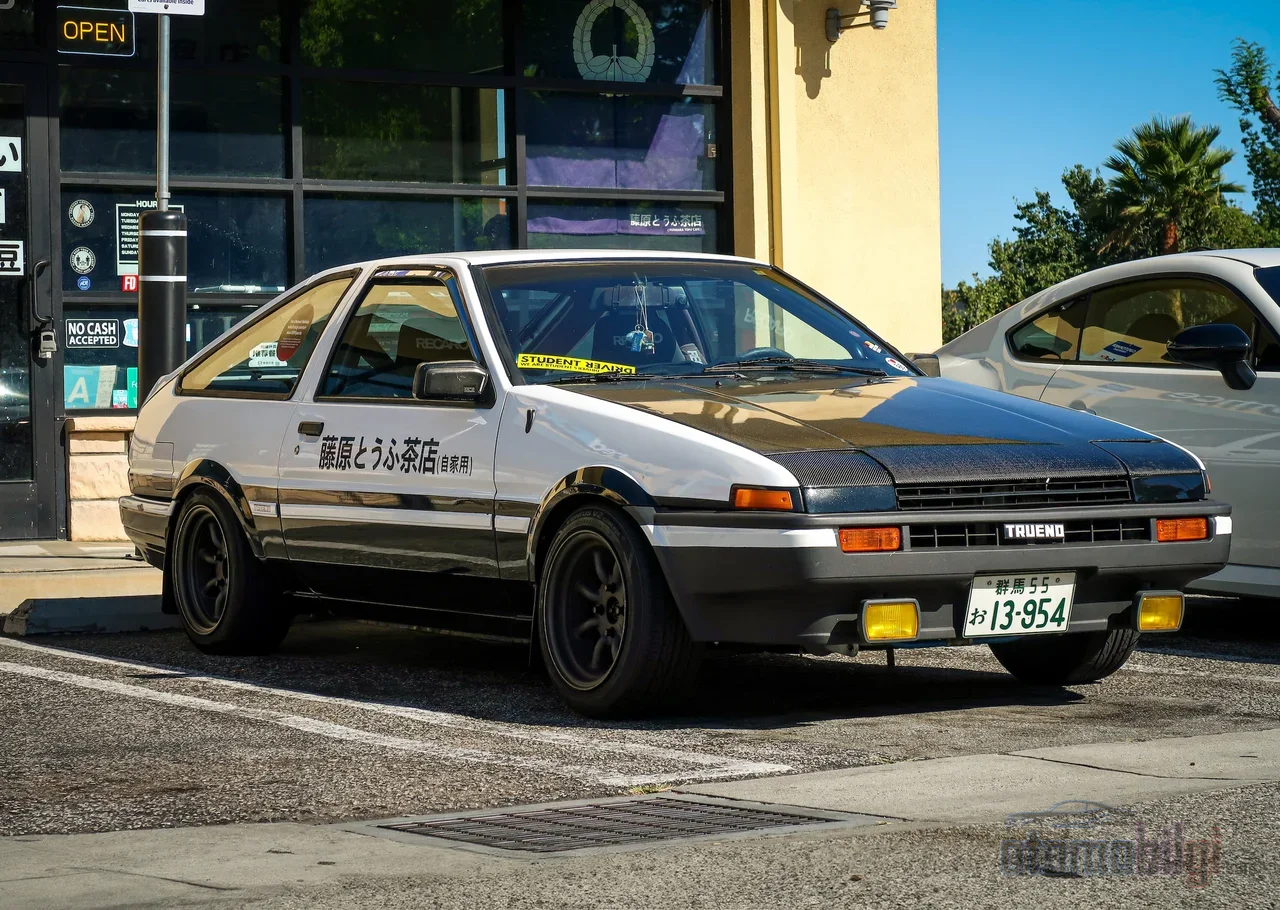
The series created by Shuichi Shigeno focuses on illegal mountain racing in Japan's Gunma and Kanagawa prefectures. The main character, Takumi Fujiwara, while making morning deliveries for his father's tofu shop, Toyota Corolla AE86 "Panda Trueno", hones his driving skills on mountain roads - the winding passes the Japanese call touge. Let me make a simple analogy: if you take the same winding road to school every day, one day you could drive it even in your sleep. Takumi's story is exactly that.
The manga in July 1995 debuted with its first volume and in July 2013 fully 48 volumes and with over 55 million copies sold it came to an end. The anime adaptation began in 1998 and bid farewell with Final Stage in the summer of 2014 . We celebrated the series' 30th anniversary in 2025; moreover, the story didn't entirely end: sequel works such as MF Ghost (2017-2025) and Subaru and Subaru followed.
And there's a reality side that makes things serious. The roads in the series are real: Mount Akagi, Nikko Iroha, Hakone Turnpike... Even Mount Haruna appears in the series under the name "Akina". So you think you're watching an anime, but you're actually reading a tour guide. This realism made the series far more than just a comic book.
Keiichi Tsuchiya: how did the real Drift King live on in the story?
Drifting - the cornering technique of swinging the rear of the car in a controlled manner - has a king: Keiichi Tsuchiya. This man, who popularized drifting in motorsport in the 1980s, is known as "Dorikin", meaning Drift King, and won class victories in the 1995 and 1999 Le Mans races. It may sound odd, but someone who drifts can also be fast on the track - because drifting is the ultimate form of car control.
And Tsuchiya also inspired Initial D. He was the name behind the characters Bunta and Takumi; moreover, he was credited in the series as technical advisor and editorial supervisor. According to Wikipedia records, drifting races first in the 1970s It became popular in Japan, and when the manga was published in 1995, this culture spread to a much wider audience. In other words, the series did not invent something from scratch; it brought an already existing but underground scene onto the world stage. That is the difference: not inventing, but being a megaphone.
How did an anime ignite the JDM modification culture?
In the late 1990s, especially in the import scene in the US and Europe, Initial D created an explosion effect. For many people, it was the first anime they ever watched. Even more interesting: car enthusiasts who did not watch anime started watching the series, and anime fans who knew nothing about cars suddenly began researching the AE86. Content creators on social media are still saying the same thing today: the series introduced a generation to drifting, pushing them to buy an AE86 and dive into JDM culture.
The impact did not stay on the screen; it spilled over into the real world:
- Places inspired by the series opened in California, such as the Fukuba Tofu Cafe.
- Fans formed car clubs called Project D, named after the team in the series.
- Game series such as Grand Theft Auto and Yakuza, and productions such as Lucky Star and Steven Universe, referenced the series' traces.
- The 2005 Hong Kong live-action film further boosted the popularity of Initial D and car culture in the region; a 4K re-release was shown for its 20th anniversary in September 2025.
Do you think it is normal for a comic book to leave such a tangible mark? My answer is no - but that is exactly where the series' power lies. Because it told about real roads, real cars, and a real racing technique, fans embraced it not as a story but as an invitation.
Why did the AE86 become so iconic?
Technically speaking, the AE86 is not impressive at all: it is a low-powered car. But it is light and balanced - and for drifting, that combination is worth its weight in gold. Think of a powerful but heavy car; you are fast on a straight road, but everything slides when you enter a corner. In a light and balanced car, however, you feel every point of the car, you swing it and recover it. Thanks to the series, this humble Corolla became the symbol of drifting culture, and today the series' influence has caused a serious increase in AE86 prices. The series' creator Shigeno himself owns an AE86 Trueno - according to reports, he still has it.
Intersection with Fast & Furious: how did drifting go mainstream?
Initial D did not make this revolution alone; there was a huge cinema franchise alongside it. Released in 2001, The Fast and the Furious carried JDM street racing culture into the mainstream. MotorTrend writes that this franchise changed the automotive scene two decades ago; CarBuzz evaluates it, at 25 years old, as still the most influential car movie. This intersection of the two currents is critical: the anime brought technical detail and realism, while the film brought mainstream visibility. One cooked the meal, the other served it at the table.
Initial D is cited as the very reason Tokyo Drift, one of the series' most famous films, even exists. It is widely believed that these two productions played a major role in popularizing drifting in the US. So if in the 2000s you saw a Honda Civic with a giant wing on the back and neon lights underneath, the roots of that visual language stretch all the way back to tofu deliveries in the mountains of Japan. The entire modified car scene, ranging from the Nissan Skyline to the Honda Civic, was fueled by this wave.
Why have the prices of '90s JDM legends skyrocketed?
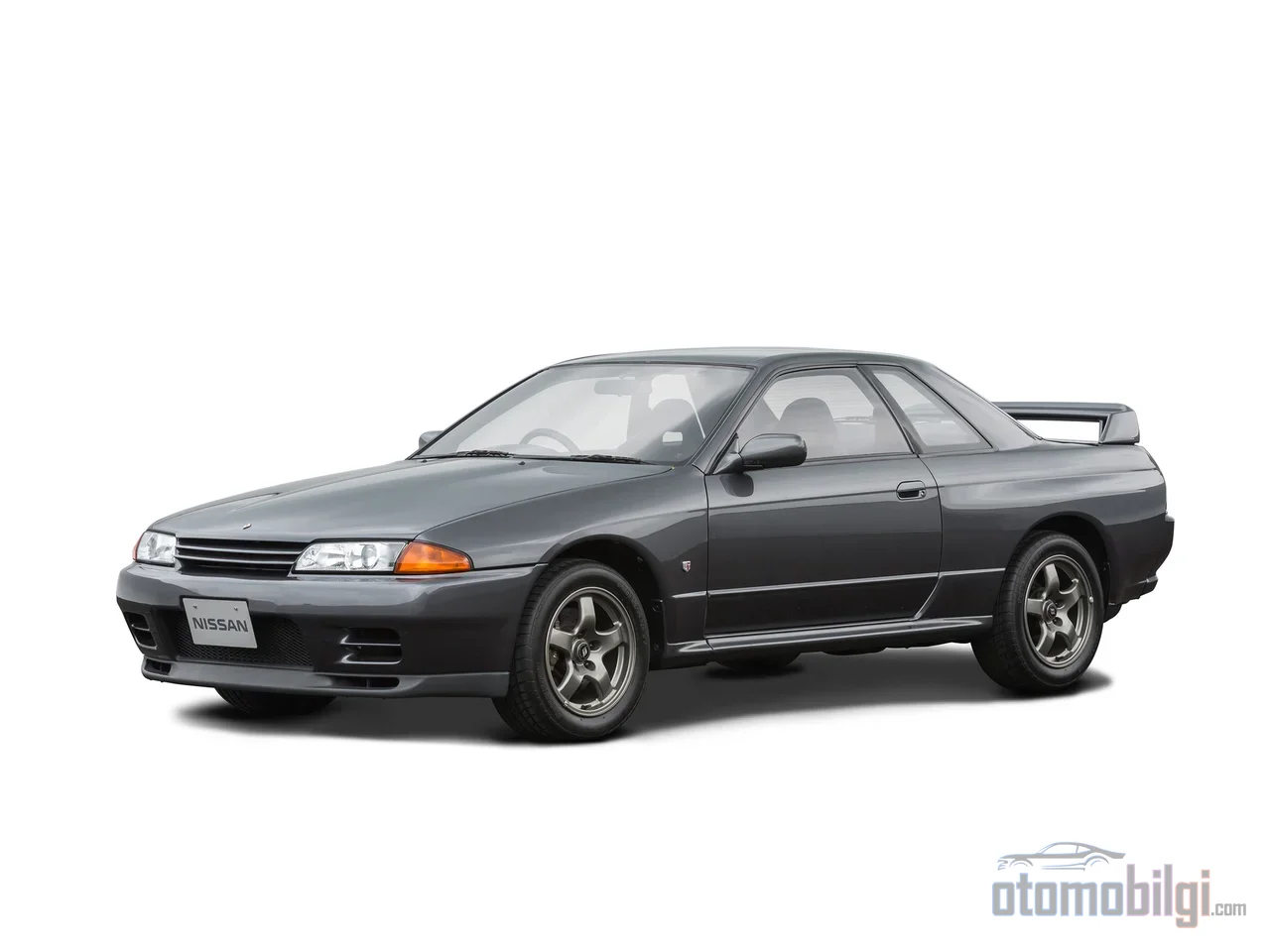
Now let's get to the most striking part: money. In the 2000s, a Skyline or a Supra could be bought for around 6,000 £- today the values of these cars have increased incredibly. There are reasons for this: the nostalgia of a generation, the 25-year import exemption threshold, and of course the cultural demand created by productions like Initial D and Fast & Furious. When a car is tied to a story, what gets sold is no longer just metal, but the ownership of that story.
As of 2026, the picture looks like this:
| Vehicle | Approximate Value | Notes |
|---|---|---|
| Nissan Skyline GT-R R32 (1989-1994) | ~$56,000 | Second-hand import market |
| Nissan Skyline GT-R R33 (1995-1998) | $56,000+ | Second-hand import market |
| Nissan Skyline GT-R (1995-1998) | ~$82,350 | Collector insurance valuation |
Don't be surprised to see different figures: market price and insurance/collector valuation measure different things. Moreover, the Skyline duo that Bonhams put up for sale at its May 2025 Miami auction was seen as a test of whether JDM values in the US could be revived. So is this a bubble? Those looking at the current market note that mainstream second-hand prices, while fluctuating from month to month, have not largely declined on an annual basis by mid-2026 - whether they will or not remains uncertain.
Hot debates: not everyone loves the series
Let's be honest, not everything is rosy. The Project D broadcast polarized fans: many prefer the more authentic, slice-of-life narrative of the early episodes and criticize MF Ghost as nostalgia cash. There is a divide in the drifting community too - while some drifters don't find the series' racing scenes realistic, fans praise the accuracy in details like the understeer issues of front-wheel-drive cars. I think even these debates show how alive the series is: we're still arguing about a 30-year-old story, meaning we're still talking about it.
The Initial D legacy in 2026: is it still alive?
It's alive, and how. At Tokyo Auto Salon 2026, an Initial D-themed GR86 bodykit was displayed; even the collaboration between the series and Williams F1 was talked about as an interesting snapshot of 2026 car culture. This collaboration is being discussed even in specialized publications like Japanese Nostalgic Car. Think about it: a manga series born in 1995 as a tofu delivery story is shaking hands with an F1 team in 2026. What do you say about this development?
In short, Initial D is a cultural phenomenon that brought drifting onto the world stage, turned the AE86 into a holy grail, and laid the foundations of today's collection values of 90s Japanese sports cars. It was a fictional story - but the mark it left surpassed reality.
Sources
- Initial D at 30: A Historical and Cultural Look Back
- Drifting (motorsport) - Wikipedia
- Keiichi Tsuchiya - Initial D Wiki
- The Deep Impact of the Fast & Furious Franchise - MotorTrend
- The Fast and the Furious at 25 - CarBuzz
- Best 90s JDM Cars & Values - WCShipping
- Are Classic Car Prices Dropping in 2026? - AutomotiveHistory.org
- Will the Price of JDM Cars Ever Go Down? - JDMBUYSELL
- Could Bonhams' Nissan Skyline duo reinvigorate the JDM market? - Magneto
- Top 10 Wildest Custom Cars at Tokyo Auto Salon 2026 - HotCars