How to Read an Accident Insurance Record When Buying a Used Vehicle?
Share This Page
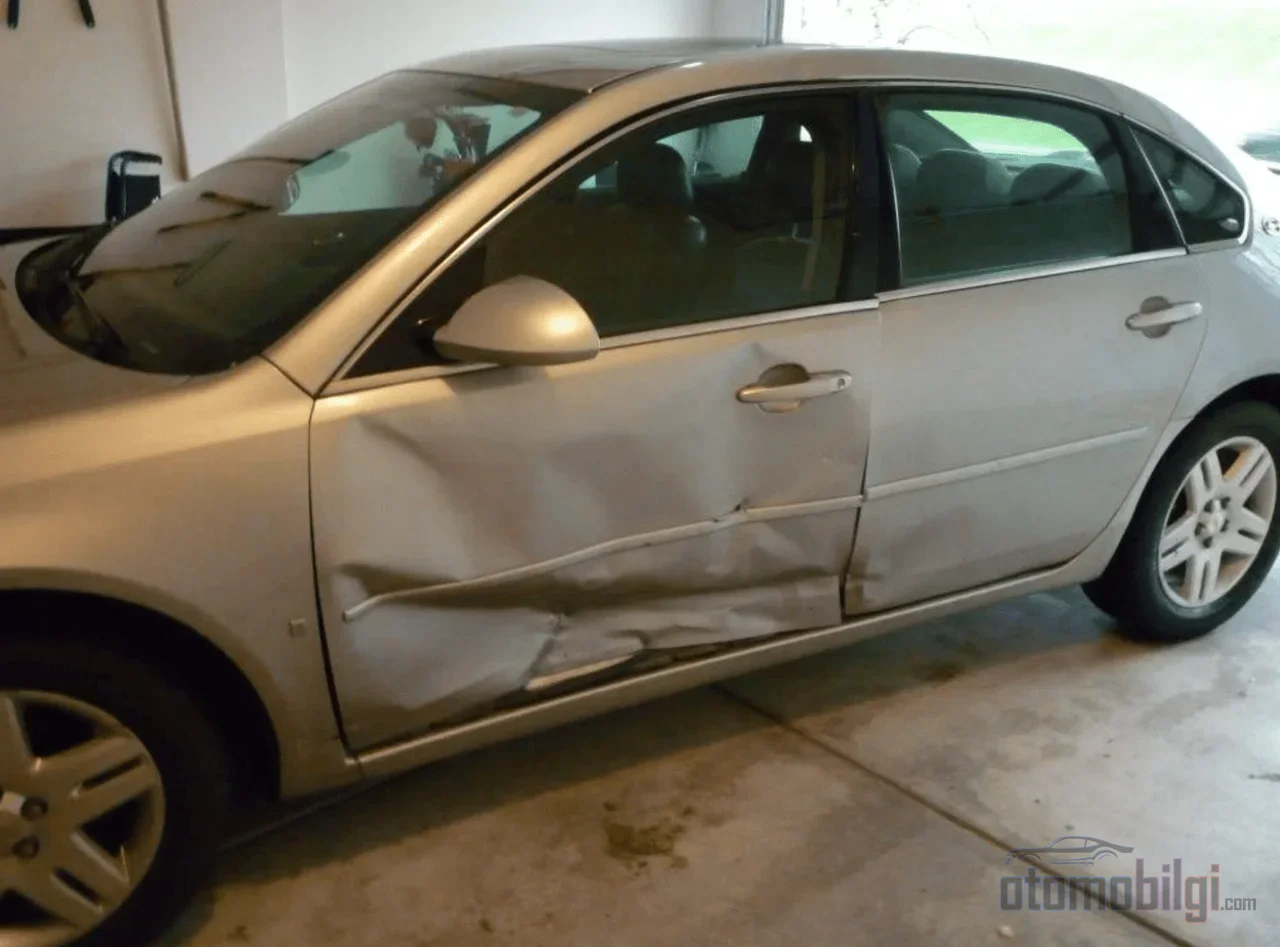
A Tramer record is a central query system showing a vehicle's entire damage history reported to insurance companies; it is the first place to check when buying a used car to understand the vehicle's true condition. Read correctly, it reveals replaced parts, damage amounts, and total-loss risk before purchase; read incorrectly, a clean-looking record can lead you into a seriously problematic vehicle.
Highlights
- Tramer query via e-Devlet is free, SMS query as of 2026 costs 275.00 TL .
- Tramer records are never deleted; a repaired damage remains permanently in the system.
- A clean record does not mean the vehicle was definitely accident-free; repairs without insurance do not appear in the record.
- Even if the license plate changes, the query is matched via the chassis number; querying by chassis gives more reliable results.
- A Tramer record alone does not determine whether to buy; it should be evaluated together with expert inspection findings.
How to Query a Tramer Record: Step by Step
Tramer is a central system provided by the Insurance Information and Monitoring Center (SBM) and can be described as the vehicle's digital record. Policy, damage payment, and expert report data from all insurance companies in Türkiye are collected in a single center. In other words, every accident of the vehicle reported to insurance is registered in this pool. There are two main ways to query; let me explain both, because what they provide differs.
Free Query via e-Devlet
On the e-Devlet portal, the Vehicle Damage Record Query (Insurance Information and Monitoring Center) service can be used free of charge by logging in with a Turkish ID number and password, mobile signature, e-signature, or internet banking. The output obtained here provides a summary view: number of damages, total damage amount, and basic policy information. To get into part-by-part details, you need to use the query on SBM's own website; there, a more detailed report is obtained through data entry, query type selection, SMS verification, and invoice steps.
Query via SMS
Those who want to query from a mobile phone can send a message to 5664 by typing HASAR and adding the license plate; for example, HASAR 34ABC123. This query provides a detailed report and as of 2026 costs 275.00 TL. There are three separate queries available via 5664: damage history, vehicle detail information, and replaced parts query.
Do not skip a critical technical detail: for vehicles with changed license plates, the system matches data via the chassis number. Therefore, if possible, performing the query with the chassis number instead of the license plate eliminates the risk of a record gap. Asking the seller for the registration certificate and reading the chassis number is the simplest verification step of this process.
How to Interpret the Fields in a Tramer Record?
The record is read under four basic headings: replaced parts, repair type, damage amount, and transaction dates. When these four are evaluated together, the picture of the vehicle's history becomes clear. But you must know what to look at individually.
Replaced Parts and Repair Type
There is a significant value difference between a painted part and a completely replaced part. A vehicle whose bumper was merely painted is of course not put in the same category as one whose airbag deployed and whose structural system was interfered with. When you see replacement of structural parts such as the chassis, things get serious; this is one of the strongest signs that the vehicle went through a major accident. The damage amount includes labor, parts, paint, mechanical intervention, and sometimes towing and appraiser fees; a single large figure does not always tell the story of a single major accident.
Damage Frequency and No-Claim Step
Even if the amount is low, frequently recurring damages tell a story: the vehicle has been repeatedly hit, and perhaps not driven carefully. Here the traffic insurance step system helps. The steps go from 0 to 8; step 8 means the highest no-claim discount, and step 0 means the highest premium increase. Each claim-free year moves you up one step, while in case of an accident the step can drop one or two levels during the renewal period. A similar step logic applies to comprehensive insurance: an initial discount is earned at the end of the first claim-free year, and it rises gradually in subsequent years.
The no-claim step on the vehicle's policy is an indirect but useful clue. A vehicle with a high step has most likely been driven claim-free for a long time; if you come across a vehicle with a low step or step 0, take this information into account along with the damages on record. It is also worth knowing that vehicles with a heavy damage history may be considered risky by insurance companies and this may be reflected in the comprehensive insurance premium.
Registration Date and the "Addressless" Entry
The registration date shows how long the vehicle has been on the road; comparing the mileage and number of damages against this period is a healthy proportionality test. If you see an "addressless" entry on the record, this is not a defect; it usually implies that the vehicle has no active insured usage record, meaning it was uninsured for a long time or was not used on the road. The longer a vehicle remained uninsured, the less likely it is that damages from that period appear on the record - because a damage record is created when an insurance company makes a payment.
What Does a Tramer Record NOT Show?
This is the most misleading part of the matter. A Tramer record is the record of official damages reported to the insurance company; it is not the vehicle's physical history. These two are conceptually separate, and the difference between them is where buyers are most often caught out. Know that the following do not appear on the record:
- Damages repaired in workshops using their own means, without being reported to the insurance company, do not appear on the record.
- There is no legal obstacle to a damage payment being made without a Tramer record being created; such payments are not visible in the system.
- A vehicle with a clean record shows it has had no accident reported to the insurance company; it absolutely does not mean it has never been in an accident.
Let's also clarify a frequently asked question: damage records are not deleted. A repaired damage remains permanently in the system as a completed transaction; a Tramer record is not data that can be reset, it is only built upon with new transactions. Be wary of anyone who promises you record deletion.
What to Look for in a Vehicle with a Clean Record?
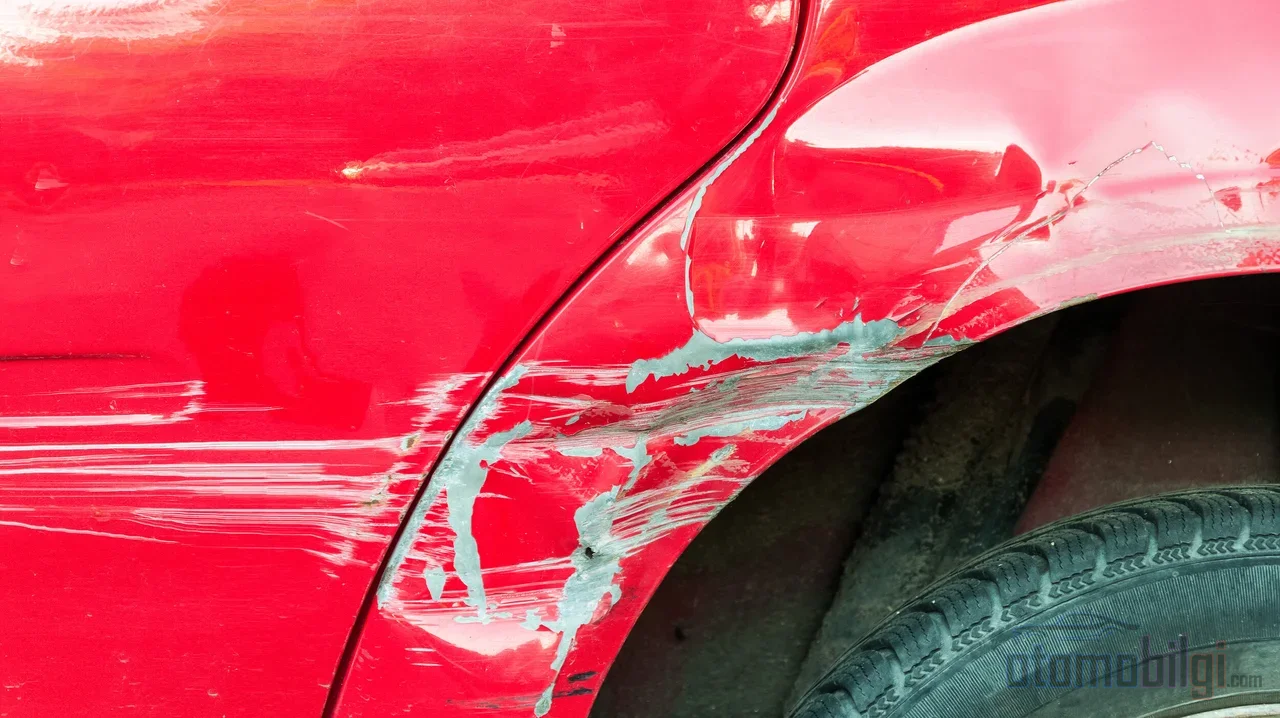
I have been in this business for over thirty years; in the old days, understanding a vehicle's damage history was entirely a matter of trusting the mechanic, but now people think centralized queries make everything visible. The reality is out in the open: records brought more transparency, but they also fed the market for vehicles with hidden damage and clean records. Shiny bodywork, a clean interior, and low mileage alone are not sufficient assurance.
In a vehicle that appears to have a clean record, look especially at the following:
- Airbags and seat belts: In some vehicles, the airbag may have deployed without any record existing; checking for originality under the hood and on the steering wheel is essential.
- Hidden chassis damage and total-loss history: Heavy damages repaired without insurance at repair shops are invisible in the system; total-loss records can also be skipped.
- Paint and replaced-parts check: A damaged vehicle with no Tramer record can be detected through an inspection and paint measurement.
In short, a clean record is a strong starting indicator but not sufficient on its own. The final say should always belong to a physical inspection and an independent appraisal.
Pre-Purchase Checklist
For those who want to handle this in a disciplined way, I am leaving the sequence I have followed for years in a tidy format. This list can be used like a shopping checklist:
- Run a Tramer query using the license plate and chassis number; if possible, use both.
- Get an independent, TSE-certified appraisal report for the vehicle.
- Cross-check the mileage accuracy via PTTAVM using the plate and chassis.
- Read the record details: there is a world of difference between a bumper replacement and an airbag deployment, and a Tramer record is a strong negotiation argument.
- Check the documents: the registration certificate, the seller's Turkish ID card or passport, the appraisal report.
- Make the payment through a secure payment system and a notary; cash in hand or unverified bank transfers are risky.
Finally, a clear answer to a frequently asked question: should you buy a vehicle with a Tramer record? The answer depends on the nature of the record. Minor scratches and localized paint records are not a problem; heavy damage and chassis intervention, however, affect both value and safety. A Tramer record is not a buy-or-don't-buy scorecard; it is a source of information. The nature of the damage, the appraisal findings, the vehicle's condition, and its price should all be evaluated together.
Sources
- Querying with Tramer - SBM
- How to Run a Tramer Query? A Step-by-Step Guide (2026)
- Querying Tramer and Damage Records by Plate (2026 Guide)
- What Is a Tramer Record? How to Query Tramer? - Anadolu Sigorta
- Traffic Insurance Staircase System - Ak Sigorta
- What Does a TRAMER Record Mean? - VDF Sigorta
- How to Detect a Damaged Vehicle with No Tramer Record?
- Used Vehicle Purchase Checklist