Range-Saving Tip: Heat the Cabin While Plugged In
Share This Page
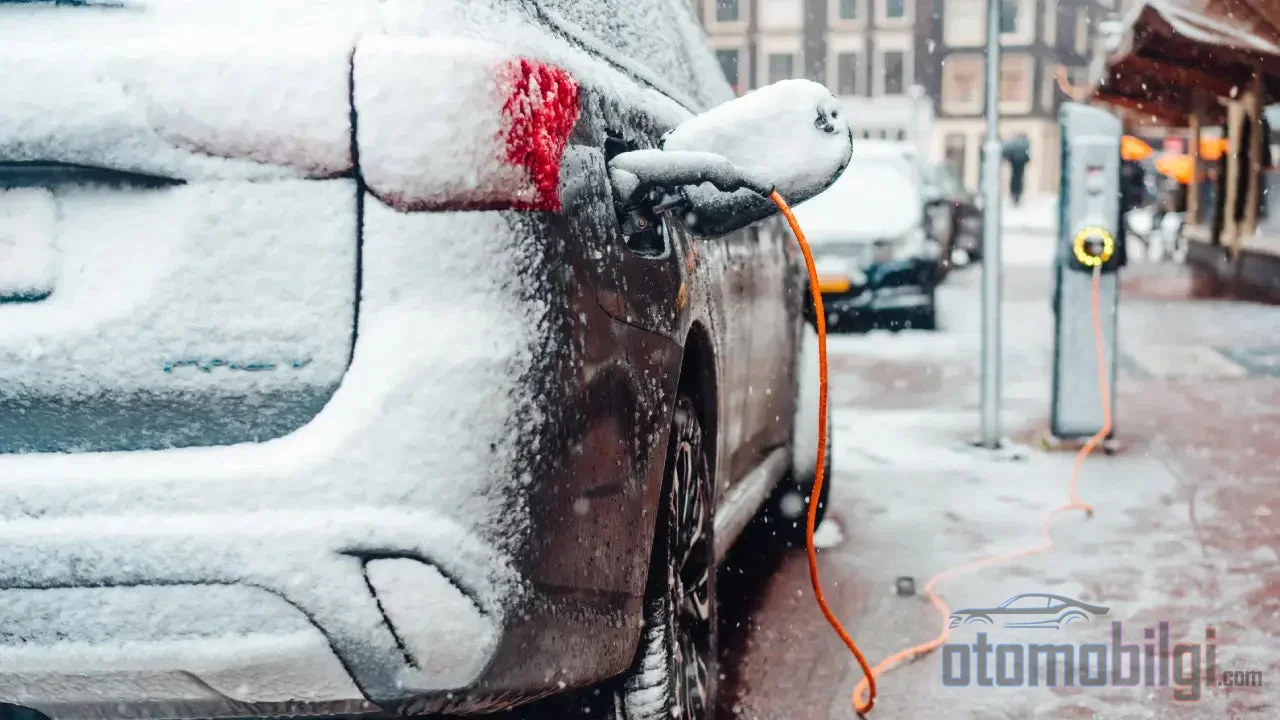
Picture a winter morning, with your electric vehicle plugged in at the garage: battery full, road clear, temperature at minus five degrees. Most drivers complete this scenario by pulling the car out and heating the cabin with the battery's energy, only to notice that the range indicator has dropped visibly by the time they set off. Yet doing the same heating job before unplugging means paying for the energy from an entirely different wallet. This practice, which we call preconditioning, is one of the simplest yet least known habits that can save your winter range.
Does heating the cabin while plugged in eat into range? The rule is very clear
When an electric vehicle receives a cabin or battery heating command while connected to the charging plug, it draws the required energy from the grid, not from the high-voltage battery. Heating done while on the cable barely touches your range. If you unplug and try to heat the car while idle, the picture reverses: every kilowatt-hour spent heating the cabin comes straight out of your driving range.
The amount is not exaggerated, but it is not negligible either. Cabin preheating is an energy demand that can reach up to 2 kWh per session, rising to around 5 kWh under strain in most electric vehicles. For example, in a vehicle consuming 18 kWh/100 km, 3 kWh of heating means roughly 15-17 kilometers of range. In the first half of a freezing morning, this difference can change your city commute plans.
The numbers show why range is so sensitive in the cold. In the El Prix test conducted in Norway at −32°C with 24 new electric vehicles, the average range was measured at 38% below the WLTP value. In Canadian road tests, losses ranged between 14-39%, and under laboratory conditions around −7°C an average range reduction of 39% was observed compared to mild weather. In Türkiye, winter range loss is typically reported to be in the 15-40% range; it is clear that the Mediterranean coast and Erzurum will not treat the same vehicle the same way.
Key Highlights
- Heating energy while plugged in is supplied from the grid; it does not touch your range.
- Cabin preheating may require 2-5 kWh of energy depending on the vehicle.
- Heat pump vehicles retain 83% of their range in freezing conditions, while resistive heating vehicles keep 75%.
- Heating a cold battery typically takes 20-30 minutes.
- A significant portion of winter range loss comes not from the battery but from cabin heating.
The real owner of the loss: cabin heating
Winter range decline has two main components: the efficiency drop of the cold battery and the heating of the cabin. The share of the latter is larger than assumed. Roughly two-thirds of the consumption loss in cold weather comes not from the battery but from cabin heating; the battery itself generates some of its own heat while working on the road, whereas you continuously pay for in-cabin comfort with energy.
The way to reverse this balance is to shift the heating demand to the moment when grid energy is available. Preconditioning does exactly that: ensures that energy is spent from the most efficient source while your car is plugged in, so you set off with both a warm cabin and a warm battery. Since no heating is calculated from road energy, the range estimate stays much closer to its mid-summer value.
How is preconditioning done? Three ways to trigger it
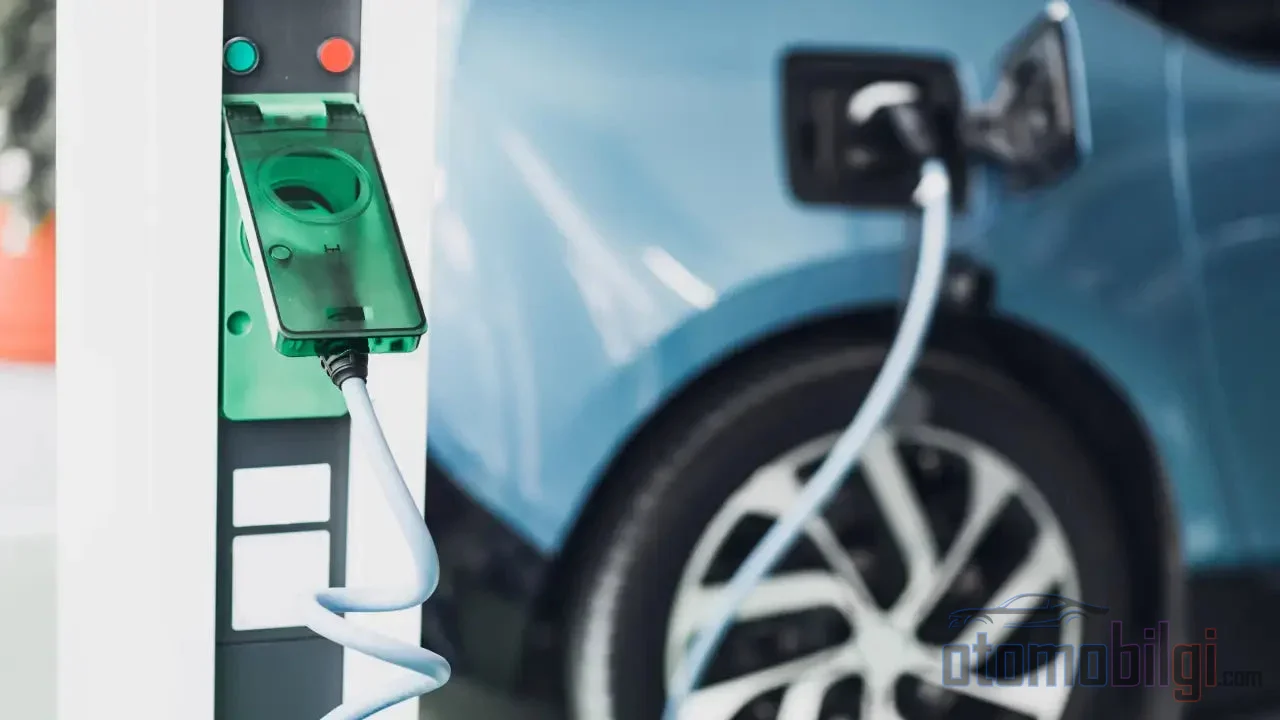
Although the app varies from brand to brand, the logic is the same: telling the car when to heat itself and what to prepare for. There are three common methods, and the key is to use all of them while plugged in.
- Scheduled departure: You enter your departure time in the app or on the car's screen; the car plans backwards and gets the cabin - and, if possible, the battery - ready by that moment. Note: many models in this mode condition only the cabin, not the battery.
- Via navigation: When you set a DC fast-charging station as your route destination, compatible cars begin heating the battery as you approach. Some manufacturers recommend adding the destination to the route 30-45 minutes before arriving at the station.
- Manual / app command: Before leaving home, you start cabin heating from your phone. It is practical, but if you are not plugged in, it is paid out of your range - so your morning routine should be set up after plugging the car in the night before.
Timing: how early should you start?
Cabin heating is fast; starting even 10-15 minutes ahead is enough to make the interior and the windows comfortable. Battery work is slower: heating a frozen battery typically takes 20-30 minutes, and longer in extreme cold. The safe formula is to set a scheduled departure on freezing mornings so that preconditioning kicks in 30-45 minutes before you leave.
There is also an invisible benefit of heating the battery: it shows up during fast charging. In a cold battery, ion movement slows, internal resistance rises, and the battery management system throttles charging power to protect the cells. A car sipping at 30-40 kW at a DC charging station in winter usually has a cold battery, not a station problem. A preconditioned battery genuinely accepts power in the 100 kW class. In cold-weather testing in Norway, most cars whose batteries had been heated about two hours in advance actually achieved the catalog's 10-80% charging time. One note: some models have no battery preconditioning feature at all - this is one of the points to check when choosing a used or new car.
There is also relief for those who do slow AC charging at home: charging at low power does not require battery preconditioning. In this use case, the real value of the feature is heating up a car that sat in the cold all night using power from the grid.
Heat pump vs. resistive heater: the same heat, a different bill
While plugged in, the grid pays the cost of heating, so efficiency takes a back seat at that moment; but when you need to maintain cabin temperature on the road, the type of heating system becomes decisive. A resistive (PTC) heater converts all electrical energy into heat, meaning it already uses its theoretical upper limit - but cannot produce more than that. A heat pump, on the other hand, does not generate heat with electricity - it moves it in from outside: with one unit of electricity it provides 3-4 units of heat.
The difference is directly reflected in range. In freezing conditions, heat pump vehicles retain on average 83% of their range, while resistive-heater vehicles retain 75%. In mild winter conditions, this difference means up to 40% energy savings compared to a resistive heater for the same cabin temperature. The only exception is extreme cold: below around −20°C, the heat pump's ability to move heat in from outside decreases, and its advantage narrows.
| Feature | Heat pump | Resistive (PTC) |
|---|---|---|
| Efficiency ratio | 1 kWh of electricity → 3-4 kWh of heat | 1 kWh of electricity → 1 kWh of heat |
| Range retention in freezing conditions | Average 83% | Average 75% |
| Consumption difference in mild winter | ~40% less than PTC | Reference |
| Extreme cold (−20°C and below) | Advantage decreases | Performance remains constant |
When choosing a vehicle, this difference does not invalidate your heating habits when plugged in - grid-paid heat is free range in both systems. But on the road, especially on winter routes over 100 km, the heat pump pays for itself at every stop.
A practical application plan for the Turkish winter
Türkiye's winter profile is not uniform; the same preconditioning feature can be used for heating in Eastern Anatolia and for cooling on the southern coast in winter. Accordingly, three practical habits are recommended:
- Plug the car in at night and set the scheduled departure to your actual departure time; let the grid pay for preconditioning.
- Along with cabin heating, prefer seat and steering wheel heating: localized heating delivers comfort with far less energy than heating the entire cabin.
- On long journeys, make the charging station a route destination 30-45 minutes before your fast-charging stop; this way the battery is ready to accept fast-charging power on arrival.
One more note on regenerative braking: a cold battery limits energy recovery. Preconditioning restores not only charging speed but also regen performance during the first ten minutes on the road - on hilly urban routes, this is an invisible but measurable gain.
In summary: the cost-benefit table is in the driver's hands
Cabin and battery preconditioning done while plugged in barely touches driving range, since it draws its heating energy from the grid; the same operation after unplugging, depending on the vehicle, pays for up to 2 kWh, even up to 5 kWh of energy from the battery - that is, from range. Properly scheduled preconditioning can recover 20-30% of the range lost on the road in winter - plus you start with defrosted windows, a warm cabin, and regenerative braking in working order.
The task is simple: plug in at night, enter your departure time in the app, and leave the heating to the car and the grid. Part of winter range loss is inevitable; but knowing which part is avoidable isn't quite as inevitable.
Sources
- EV Preconditioning Helps You Charge Faster And Drive More Comfortably - Eleport
- Grid-connected cabin preheating of Electric Vehicles in... - ScienceDirect
- Preconditioning Electric Vehicles in Winter: Battery, Range... - Pedal Commander
- What Is Battery Preconditioning in Electric Vehicles? - Powerşarj
- Study: How Much Heat Pumps Boost EV Range - Recurrent
- Cold Temperatures Affect an Electric Vehicle's Driving Range - Consumer Reports
- AAA Study Reveals Temperature Impacts on EV and Hybrid Performance - AAA Newsroom
- Tips for Driving Electric Vehicles in Winter - Volkswagen Türkiye
- Electric Vehicle Winter Use Guide - Volti
- Why Does Electric Vehicle Range Drop in Winter? - Chargemate
- What is EV Battery Preconditioning - Kia UK