Cold in Winter, Air Conditioning in Summer: How Many Kilometers of Range Melts Away?
Share This Page
In electric vehicles, cold winter weather typically reduces range by 20-35% ; in summer heat, however, air conditioning-related loss remains in most cases only around 5% . What determines the difference is not the temperature itself, but how the cabin is heated or cooled: resistive heating tires the battery severely, while air conditioning is a comparatively cheap load.
Highlights
- 20-35%: Typical winter range loss band; best case 10-20%, rising up to 50% on short trips in deep freeze.
- -7°C + maximum heating: Approximately 45% total drop in range; at -18/-20°C this rate extends to 55-60%.
- 5%: Average summer loss at 32°C - air conditioning is a far smaller enemy of range compared to heating.
- 7.9%: Range advantage of the heat pump over the resistive heater; in laboratory scenarios the energy consumption difference reaches 41-72%.
- 60-80%: The share you can realistically expect from the official range on a winter highway.
How Many Kilometers Does Cold Weather Eat From Range?
There is no single correct number; because the magnitude of the drop is a combination of three variables: air temperature, trip length, and heating load. In the best case, the loss stays in the 10-20% band, while in typical winter conditions it runs in the 20-35% band. Harsh scenarios - short trips with frequent stops combined with deep freeze - can push the loss up to 50% . The reason is interesting: the cabin is heated over and over again at every stop, and heating a cooled-down cabin costs more than keeping it moving.
Measurements under controlled conditions clarify the picture. At-7°C , range alone drops by about 20% ; at the same temperature, when cabin heating is set to maximum, an additional 25% loss is added. When the temperature falls to -18/-20°C and heating is again at maximum, the total drop reaches 55-60% . The point to note is this: the noticeable drop begins at around 4°C
, before the temperature falls below 0°C. Field tests tell the same story. In a winter test conducted with 20 electric vehicles, the average drop came out at 20% ; the best model reached 91% of its WLTP value, while the weakest could only manage 70% of it. In another study that tested 14 models in real road conditions at temperatures between -7°C and -15°C, the loss varied between 14% and 39%
. In other words, in the same cold, two different electric vehicles can deliver 86% and 61% of their catalog range respectively - model choice is far more decisive for winter range than in summer.
Winter Test in Türkiye: What Did the Numbers Say? A winter test conducted under Turkish conditions delivered striking and data-driven results at -10°C: a Tesla Model 3 traveling on a full charge 441 km lost 29.9% of its catalog range (18 kWh/100 km), while a Hyundai Ioniq 6 kept its loss at 23.8% with 467.8 km (16.8 kWh/100 km). The band given in user guides by Turkish service and mobility organizations is similar: a 20-40%
range loss in winter is considered normal; it is noted that loss can begin even at 15°C.
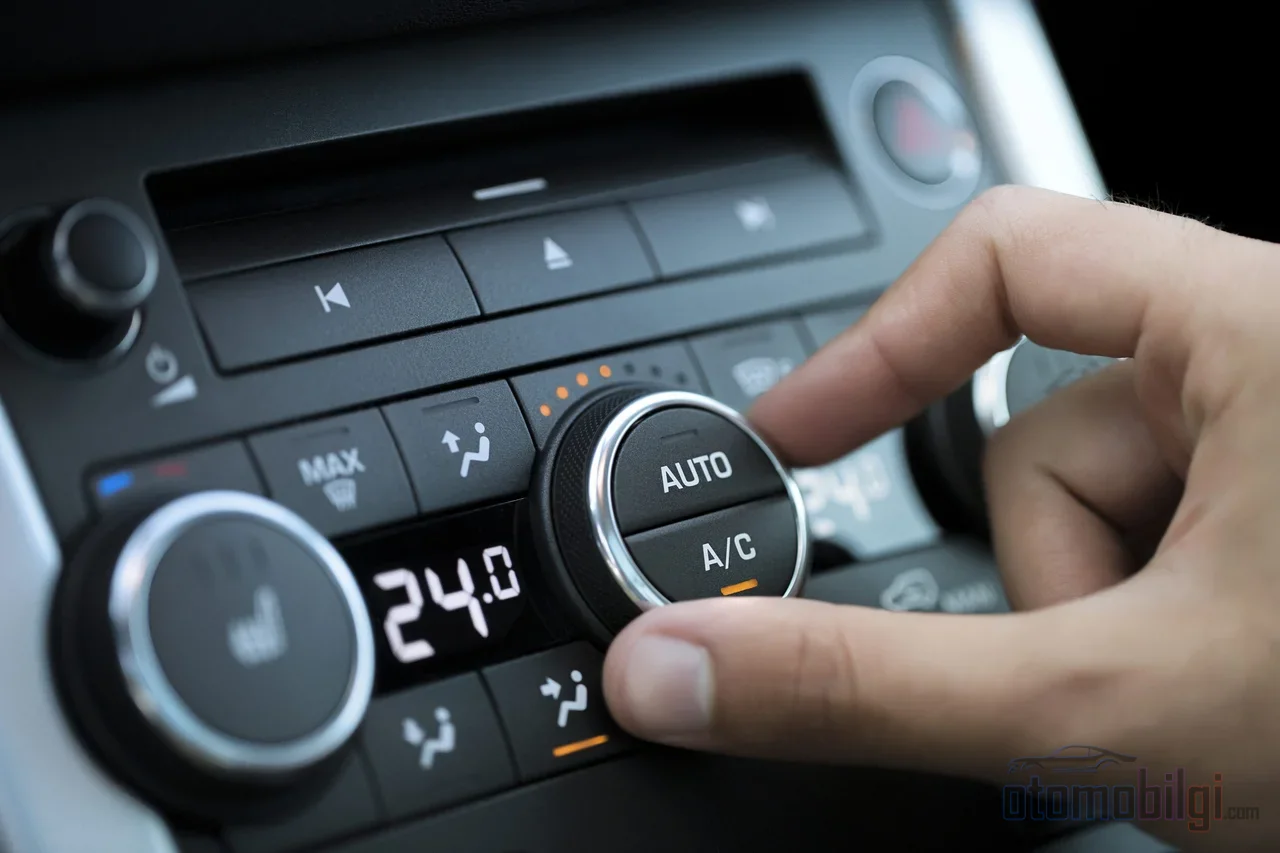
Summer is a noticeably more forgiving season for electric vehicles. Real-world usage data from nearly 30,000 vehicles 32°C shows the loss at 5% - and most of that loss is not the air conditioning, but the cooling system that keeps the battery at its optimum temperature. With typical air conditioning use, range loss generally stays in the 5-20% range; below 32°C, the loss is at a level most drivers won't notice. Although the overall summer average rises to 17-18%, this is because extreme heat and demanding usage scenarios pull the average upward.
The most energy-intensive phase is the initial cooling. Cooling a cabin heated up to 95°C in the sun draws power at the level of 3-5 kW for a few minutes, while maintaining the temperature stays at around 1 kW. In engineering terms: the air conditioner's cost is intense at the start, cheap to continue. The practical takeaway is clear - parking the vehicle in a shaded or enclosed area eliminates the most expensive first 10 minutes of air-conditioned driving.
Which Consumes More Range: Air Conditioning or Cabin Heating?
The fundamental physics explaining the asymmetry between the two seasons is this: cooling means moving heat away from the environment you're heating; heating means either converting electrical energy directly into heat or concentrating the weak heat from outside into the interior. A resistive (PTC) heater implements the second approach in the most expensive way: every kilowatt-hour it consumes comes directly from the battery. That's why cabin heating has a significantly greater impact on range compared to air conditioning; on short trips, the heating load can grow to a size that rivals the energy needed to move the vehicle. In extreme cold, heating can consume up to 40% of the battery.
The Heat Pump Difference: What COP Tells Us
The heat pump is the efficient side of this equation. While a resistive heater produces at most 1 kWh of heat from 1 kWh of electricity (a coefficient of 1), a heat pump typically operates at a coefficient of 2-3 above 0°C - meaning it moves 2-3 kWh of heat with 1 kWh of electricity. Real vehicle data shows a 7.9% increase in range and a 31% decrease in energy consumption for heat pump vehicles; academic scenario analyses reveal that heat pumps can achieve 41-72% lower consumption compared to resistive heating. As the temperature drops, this advantage erodes: the coefficient approaches 1, and in extreme cold the resistive backup heater kicks in.
An interesting twist comes from the summer side: heat pump vehicles can experience slightly more range loss on average in the summer months. The reason is that the system is primarily optimized for cold. So the heat pump is a clear gain for winter; summer losses are determined more by parking and pre-cooling habits.
City or Highway: Seasonal Scenarios
The shape of range loss varies according to the trip profile. Short city trips in winter are the worst scenario, because with every start, the cost of a cold battery and cold cabin is paid again; with frequent-stop usage, the loss can reach 50% can reach up to. On the highway, the picture is relatively predictable: in winter highway travel, it is a sound planning basis to realistically expect 60-80% of the official range. Speed also plays a big role - lowering the speed from 120 km/h to 105 km/h delivers a measurable level of energy savings.
At optimal temperature, however, the bright side of the medal emerges: the real range can come out on average 15% better than the catalog value. Since the WLTP cycle is based on mild conditions, exceeding the catalog figure in city driving on a mild spring day is entirely normal. In winter, the same catalog value serves as a healthy upper limit for planning: the practical rule of thumb is to multiply the official range by 0.75 and allow an extra 5-10% drop in snow and wind, and to target 10-20% charge upon arrival.
Range Preservation Tactics: Where to Start?
Part of the loss is inevitable, but a significant portion can be recovered through habits. The standouts, in order of effectiveness:
- Pre-heating while plugged in: Heating the cabin and battery with grid electricity is the single most effective move - a warm cabin without spending any range.
- Using seat and steering wheel heating first: Personal heating requires far less energy than heating the cabin.
- Entering charging stations into the navigation on long trips: The battery is pre-conditioned on the way, gaining both fast charging and range.
- Combining errands: A single long trip instead of repeatedly heating the cabin cuts the main source of winter loss.
- Clearing snow and ice from the vehicle and driving gently in the first 10-15 minutes: The weight and aerodynamic penalty is reduced.
- In summer, parking in shaded/enclosed areas and keeping the charge above 50%: Prevents the air conditioning's costly initial cooling phase.
In daily use, charging discipline also works: keeping the battery above 20% during the cold months and ending daily charging at the 80% limit is a reasonable balance in terms of both range buffer and battery health. As for charging speed, the effect of cold is clear: a cold battery charges slowly; vehicles tested in CAA conditions added about 100 km of range in an average of 15 minutes, and in the best case that time exceeded 200 km in the same period.
How Do Türkiye's Regional Differences Affect the User?
Türkiye is not a single climate; winter range planning should reflect that too. While winter loss on the Mediterranean and Aegean coasts stays largely in the 10-20% band - on some days the loss is barely noticeable - temperatures of -10°C and below in Central and Eastern Anatolia make the 30-40% losses in the table above routine. The Black Sea's mild but humid winter, on the other hand, may require a bit more heating energy to keep the battery at optimal temperature. Practical conclusion: a user living in Antalya should not base their winter budget on the same rule as someone living in Erzurum; a planning band of around WLTP × 0.85 for the former and WLTP × 0.6-0.7 for the latter would be more accurate.
Conclusion: Reading the Number, Managing the Number
Air conditioning is not the enemy of electric vehicle range; the real issue is winter heating and whether the technology that manages it efficiently exists. With a heat pump vehicle, a driver who develops the habit of preheating while plugged in, and a realistic planning buffer, you can confidently use three quarters of the catalog range in winter. In summer it is not a problem, but rather the habit of parking in the shade. Range loss is not a fate; it is mostly a matter of manageable engineering and planning.
Sources
- Does Cold Weather Affect the Performance of your Electric Vehicle?
- EV Range In Cold Weather
- How Hot Summer Weather Affects EV Range
- Study: How Much Heat Pumps Boost EV Range
- How temperature and speed impact EV range
- Energy consumption and increased EV range evaluation
- The Effect of Energy Management in Heating-Cooling Systems
- Can You Drive an Electric Car in Winter?
- How Many KM of Range Do Electric Vehicles Offer in Winter?
- DoluBattery winter test results
- 7 Practical Ways to Reduce Range Loss in Winter
- Does Climate Control Affect EV Range?
- EV Heat Pump: How It Works
- Electric Vehicle Winter Tips
- What Is the Actual Highway Range of EVs in Winter?
- Research on EV range under cold condition
- What is the real-world range for EVs
- Cold Weather EV Range Loss Real Tests