Driver Assistance Systems
Share This Page
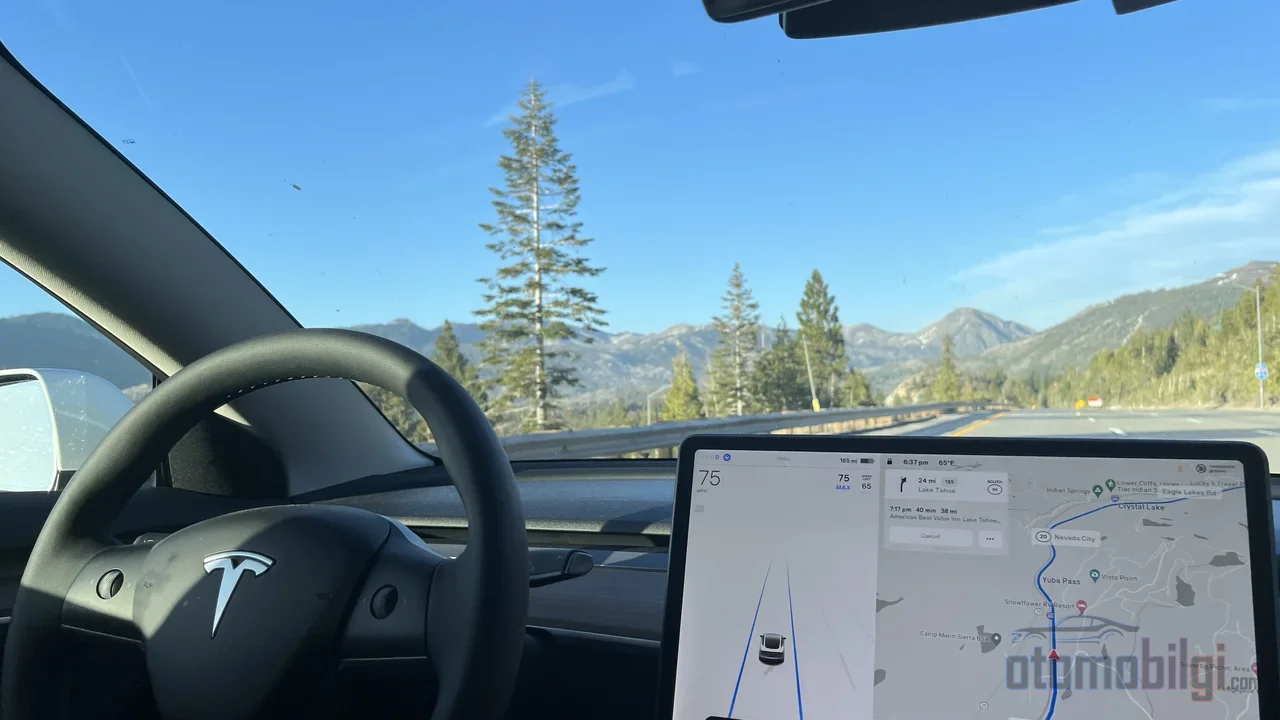
How Quickly Must a Driver Take Over When ADAS Requests Control of Driving?
In a vehicle with ADAS, when a "take over" warning appears, the time a driver has to intervene is typically only a few seconds; In Level 3 conditional automation, this period is considered to be about 7 seconds. So what exactly does this warning mean…
Read More
How Do Attention Monitoring Systems Detect Driver Fatigue?
A small camera placed facing the driver continuously monitors blink rate, the duration of eye closure, and head position to determine whether the driver is tired or inattentive. These systems are called driver monitoring systems, or DMS; when they de…
Read More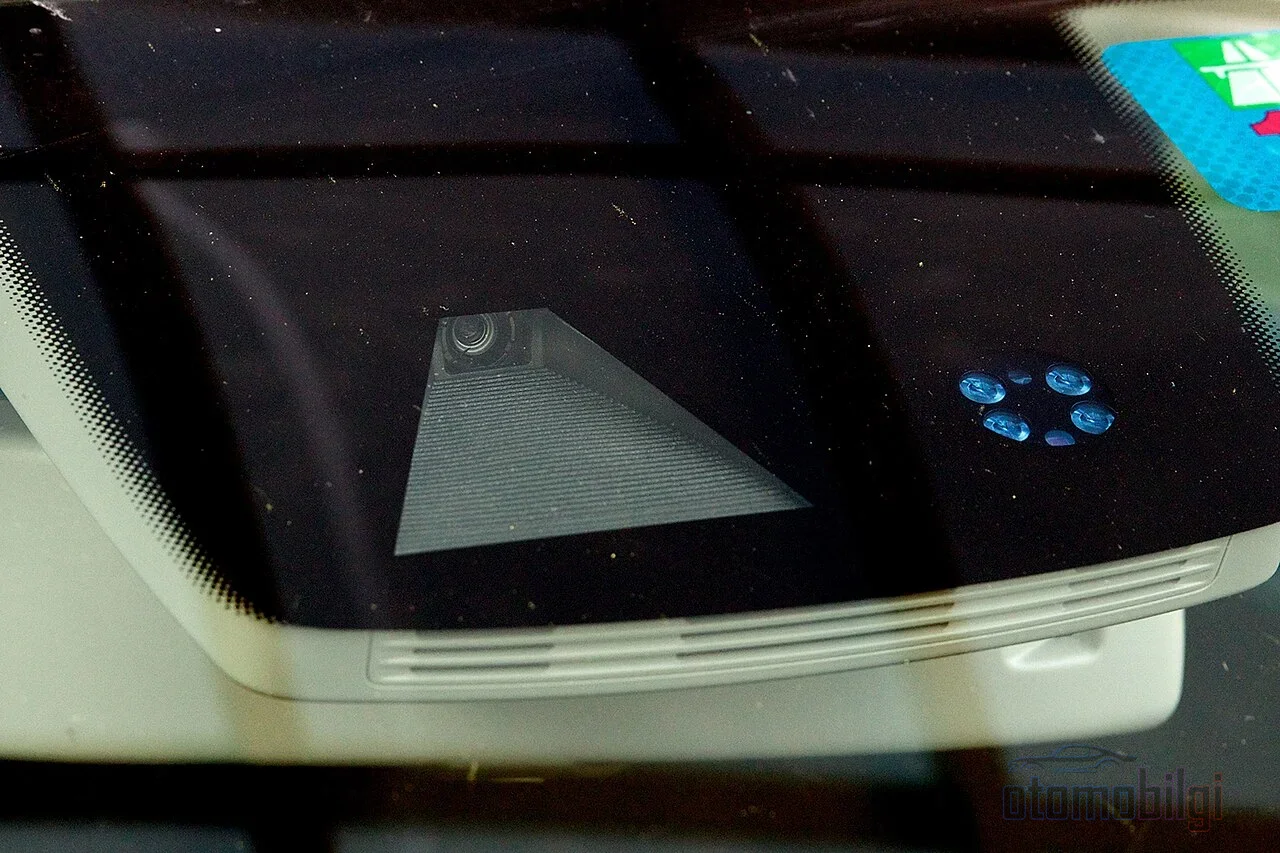
Why Is ADAS Calibration Mandatory After Windshield Replacement?
After a windshield replacement, ADAS calibration means realigning camera-based driver assistance systems to the new glass; in most modern vehicles, if this step is skipped, systems such as lane warning and automatic braking start working misleadingly…
Read More
Why Do ADAS Systems Malfunction in Foggy and Snowy Weather?
In foggy and snowy weather, ADAS systems get confused because water droplets and airborne particles physically scatter, absorb, and block the signals sent by the camera, radar, and LiDAR; detection range can be cut by 50 to 90 percent in bad weather,…
Read More
How Safe Are Park Assistants?
Are automatic parking assistants really safe? Short answer: extremely helpful when used correctly, but they are an assistant that never takes over the responsibility behind the wheel from you. These systems, which measure the area around the vehicle …
Read More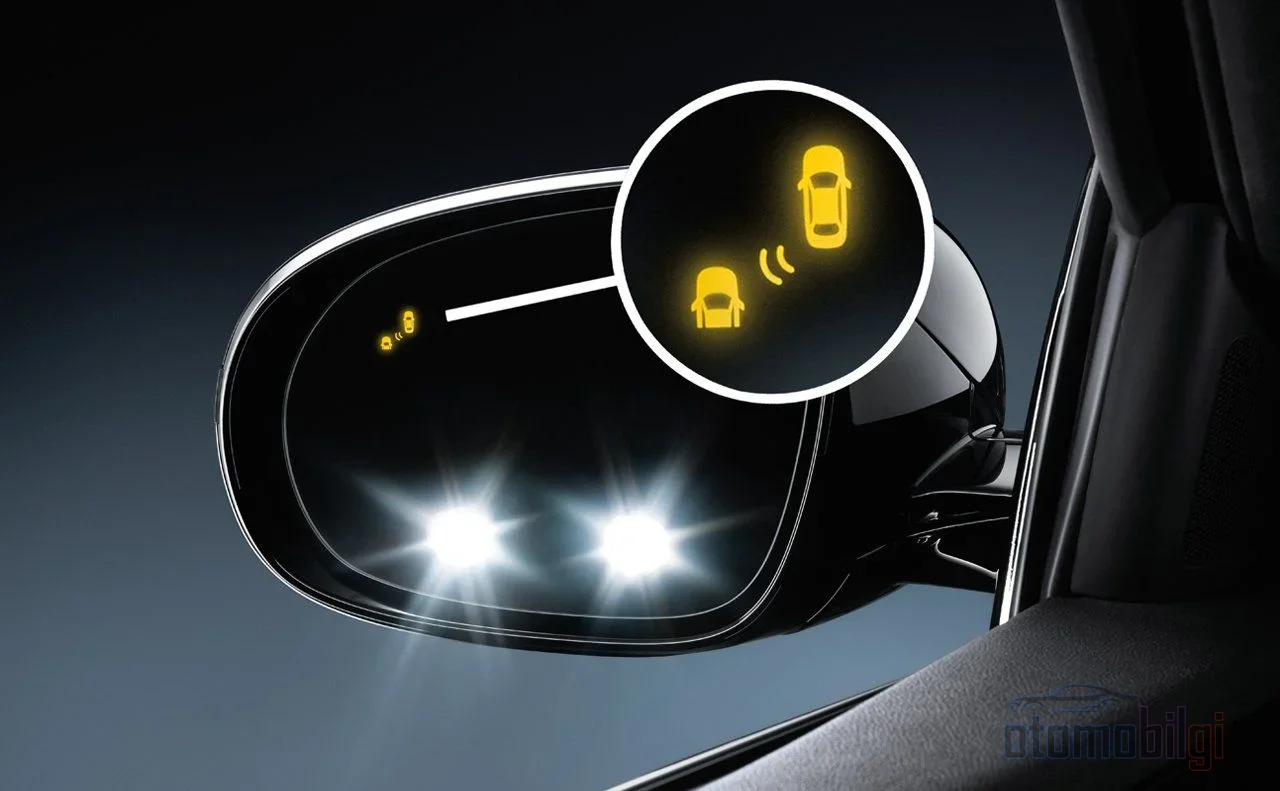
How Does Blind Spot Warning Know About a Vehicle It Doesn't See in the Mirror?
Blind spot warning uses two corner radar sensors hidden in the car's rear bumper to detect vehicles beside and behind you; when it detects one, it lights up the indicator in the side mirror. So the system doesn't actually "see" - it sends out radio w…
Read More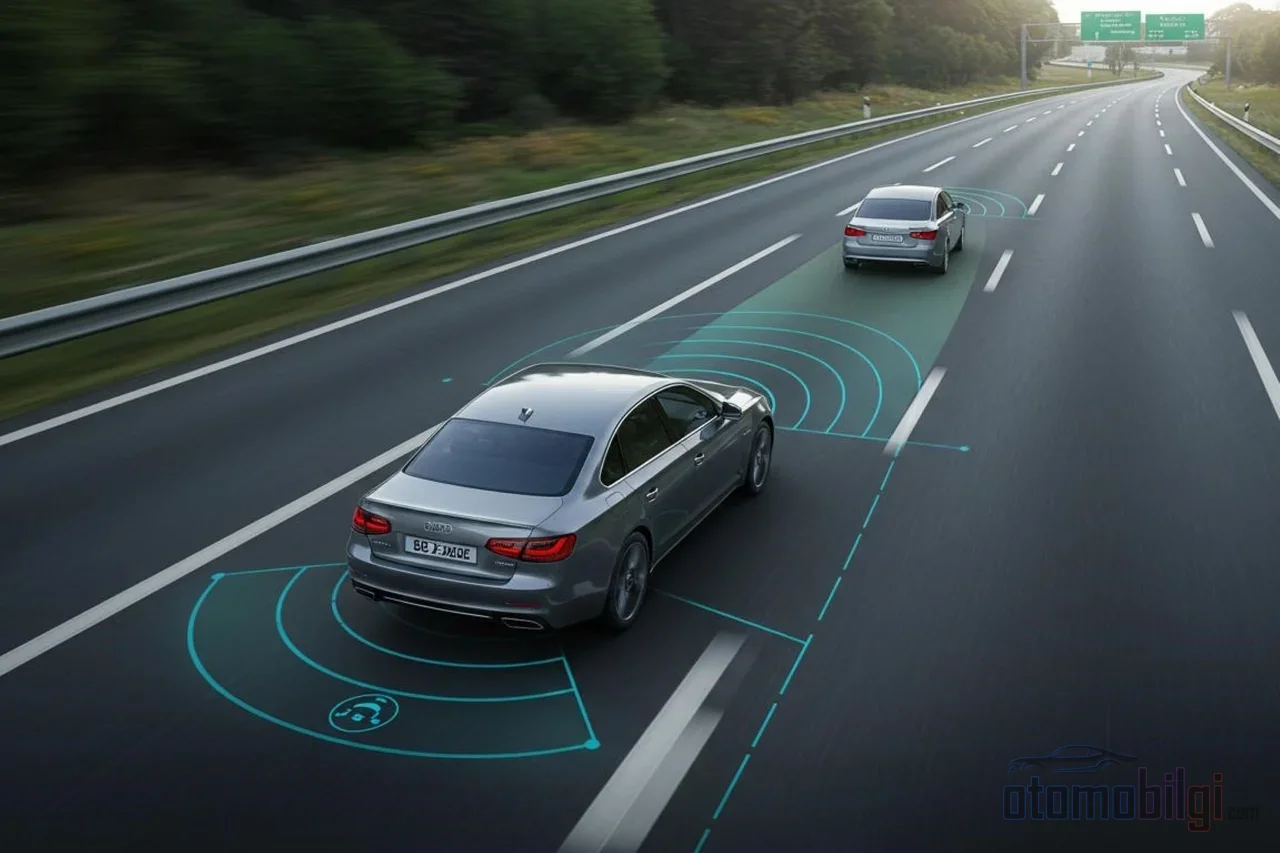
Why Does Adaptive Cruise Control Brake Unnecessarily in Traffic?
The most common reason adaptive cruise control brakes unnecessarily is that the radar and camera cannot see traffic accurately in every condition: detecting vehicles cutting into the adjacent lane too late, losing the vehicle ahead in curves, and som…
Read More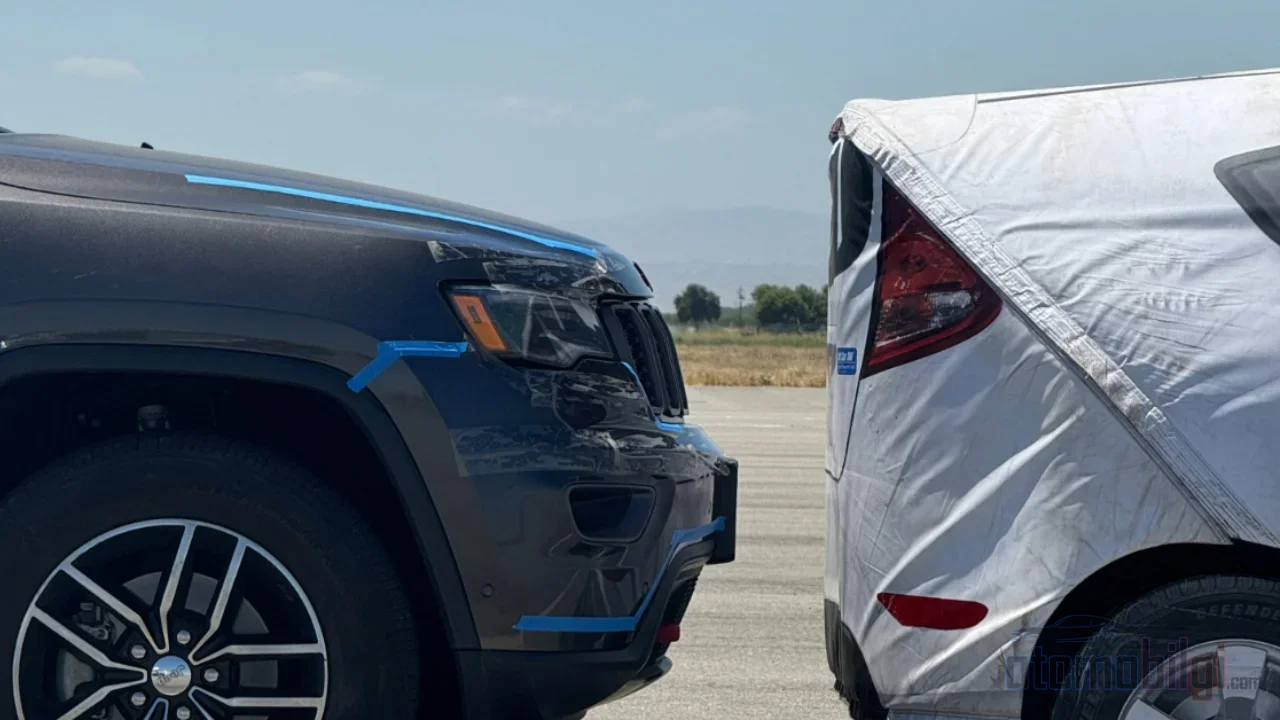
When Does the Automatic Emergency Braking System Activate, and When Is It Too Late?
The automatic emergency braking system (AEB) first warns you when it detects a risk of collision ahead, and if you do nothing, it brakes on its own to try to prevent the crash - or at least mitigate it. Most systems typically work across a range of a…
Read More
False Alarm or Real Danger? The Limits of ADAS Sensors
ADAS warnings do not always mean a real danger; likewise, a system staying silent does not mean everything is fine. Driver assistance systems that gather information from radar, camera and ultrasonic sensors can be delayed under conditions such as ra…
Read More
ADAS Guide: It Keeps You in Your Lane But Doesn't Replace the Driver
No, the car that keeps you in your lane doesn't take the wheel for you - at least not yet. ADAS (advanced driver assistance systems) such as adaptive cruise, lane keeping assist, automatic emergency braking, and blind spot warning process the data co…
Read More