From Green to Checkered: What Do NASCAR Racing Flags Mean?
Share This Page
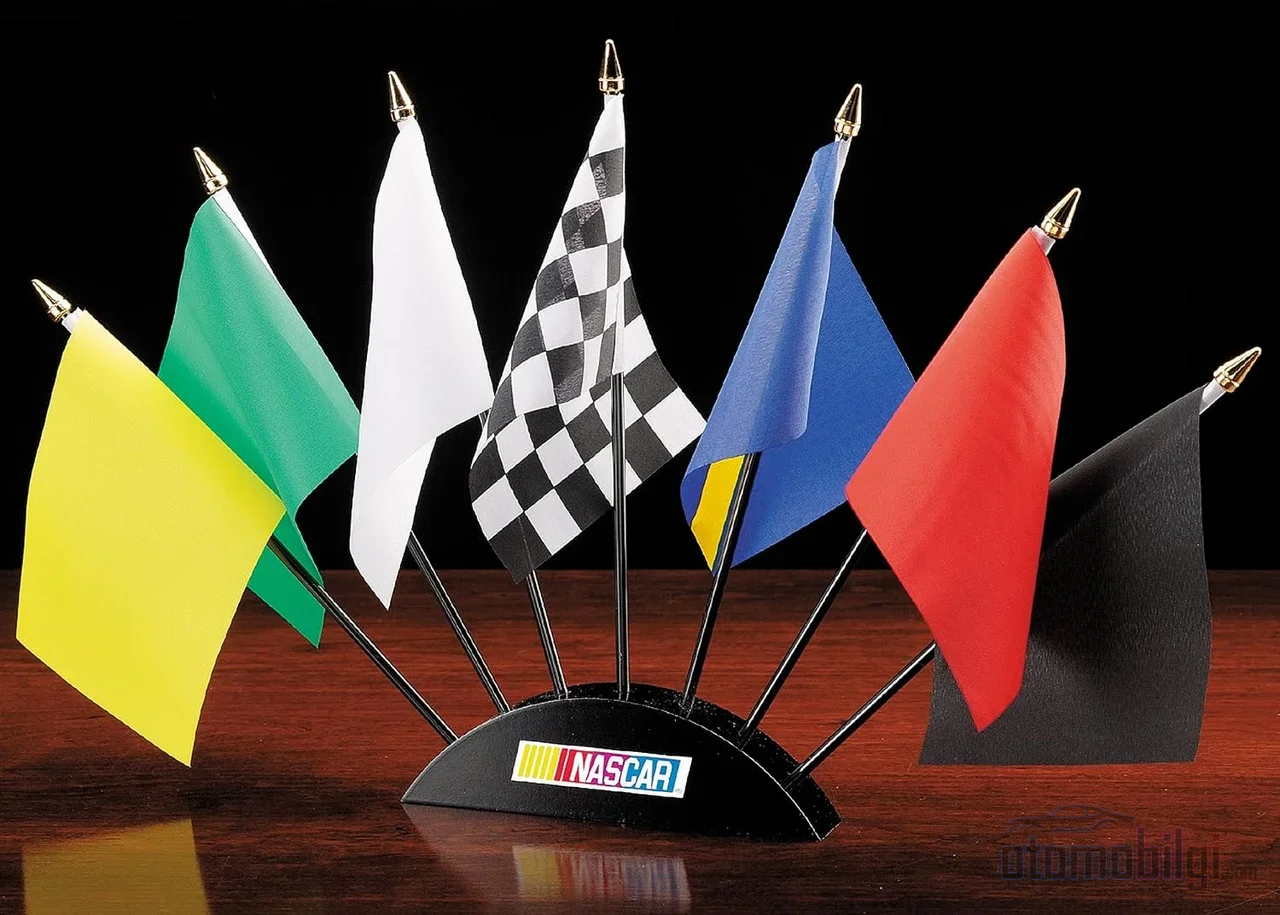
NASCAR racing flags are the language of the track: the green flag means the race has started or is running at full speed, the yellow flag means caution, the red flag means the race has been completely halted, the white flag signals the final lap, and the checkered flag means it's over. Once you learn to read these flags, you won't miss a thing in front of the screen. If you're ready, let's get started!
Highlights
- A NASCAR race weekend is run with 15 different flags ; some of them are almost never seen.
- Under a red flag, teams are prohibited from working on the cars.
- If a caution comes out on the final lap, the race may even finish under the yellow flag.
- A maximum of three overtime attempts can be made in a row.
- The Lucky Dog rule gives the first car one lap behind the leader its lap back.
Green, Yellow, Red, White and Checkered: The Meaning of the Five Big Flags
In NASCAR, every flag has a clear job, and everyone on the track speaks the same language. The five you'll see most often are as follows:
- Green flag: It has three different jobs. It signals that track activity such as practice, qualifying or the race has begun, that the race is running under full-speed conditions, and that after a caution the race has returned to full speed. In qualifying, it also indicates that a driver's fast laps have started and that the pit lane is open.
- Yellow flag: Due to a crash or debris on the track, it slows the race down to a controlled pace. The pace car enters the track and lines up the field. The moment a caution is declared, the cars' positions are locked; no one may pass without permission. On ovals, the yellow lights along the edge of the track complement the flag.
- Red flag: It immediately stops all track activity. Cars either stop on the track or are brought to the pit lane at low speed. Traditionally, it is used to clean up a major crash or in bad weather.
- White flag: The final lap has begun! If a caution comes out while this flag is displayed, the field is frozen and the race ends immediately, because safety comes before everything else.
- Checkered flag: The race is over. The driver is officially scored in the position in which they cross the start/finish line. This flag also ends each round of qualifying attempts.
But what if the checkered flag is waved in the middle of the race? No panic: the checkered flag with a green background means a stage has ended, and two crossed checkered flags seen together indicate that the halfway point of the race has been reached.
Flags You Rarely See: Blue, Black and Others
Here's the interesting part: the flag set doesn't end there. Here are the other flags you might rarely encounter:
- Blue flag: Used only on road courses; for example, to warn about a car turning through a corner. Green flag conditions remain in effect.
- Blue flag with a yellow stripe: It signals that the lead-lap cars are approaching, and that lapped cars should politely yield the way.
- Black flag: Officially called the "consultation flag". It is displayed in case of a track violation or failure to meet the minimum speed requirement; the driver consults with an official in the pits and usually receives a penalty. A driver who falls below 115% of the fastest lap in practice can also be subject to this flag.
- Black flag with white cross: Deployed if the driver does not comply with the first black flag within 5 laps; the car is no longer scored and will most likely be disqualified.
- Yellow flag with red stripes: Signals debris on the track surface.
- Red flag with yellow stripe: Waved at the pit road entrance to indicate the pit road is closed; it opens when all cars are lined up behind the pace car.
- Red + black together: Indicates that a practice or qualifying session has ended.
- Green + yellow together: A situation unique to NASCAR: the race has started or restarted under caution but laps continue to be counted. You usually see this during track drying laps after rain.
What Happens Under the Yellow Flag? Position Freeze and the Lucky Dog Rule
The yellow flag is NASCAR's most strategic moment. From the moment the caution comes out, the running order is locked; in the past, drivers would try to "race" back to the start/finish line, but this practice was both dangerous and delayed safety crews' response to the accident. As technology advanced, the freeze point was moved to the moment the flag was declared.
And to compensate for this change, the lucky dog (officially called the free pass) rule comes into play: at the moment the caution comes out, the foremost car one full lap behind the leader gets its lap back. The driver earns a free pass around the track and returns to the lead lap.
Is the Lucky Dog Always Valid?
No, and this is the most debated part of the rule. If the first driver a lap down caused the caution themselves - say, by pinning another car against the wall - the lucky dog right is not granted. Also don't confuse the lucky dog with the wave around (skipping a lap and not stopping in the pits) option: a car using the wave around cannot enter the pits, while the free pass winner may stay in the pits if they wish. Although the rule is criticized as "the only example in the world," NASCAR's rationale is clear: safety. They want to eliminate the risk created by the race back to the caution practice.
Why Does the Red Flag Wave and Can Crews Work?
The red flag usually points to one thing: there is a problem on the track too big for the race to continue. Clearing major crashes or bad weather conditions are the most classic reasons. Cars usually line up on the track behind the pace car or opposite the accident.
The critical point you need to watch out for is this: Under the red flag, crews are prohibited from working on the cars in the pits or the garage. So for a driver with a mechanical problem, this is not a break but a freezing cold waiting room. When the race restarts, the field first runs laps under caution, then the green flag comes. Some series use a red flag near the end of the race to shorten caution laps if the cleanup will take longer than the remaining laps; in special races like the All-Star Race, it can even be used for planned stoppages.
Overtime: How Does Race Overtime Work?
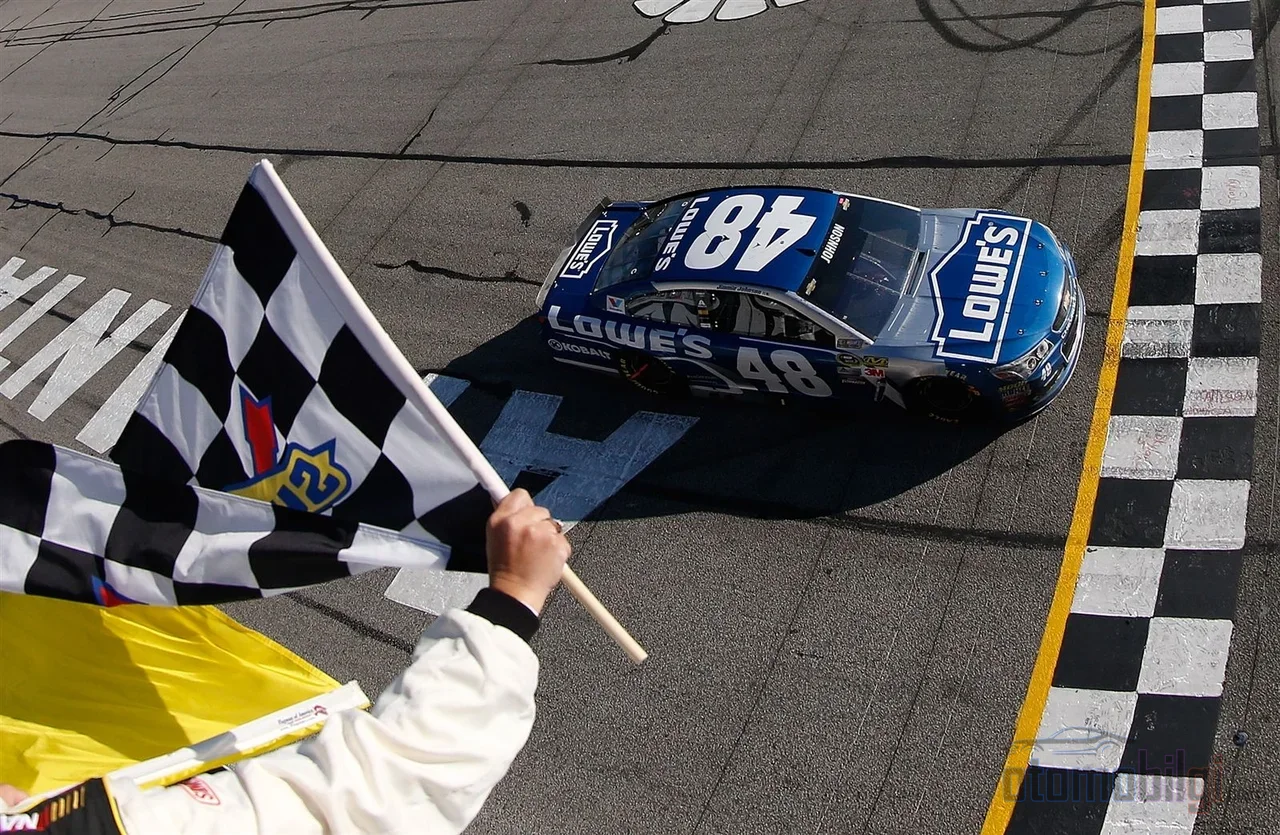
Now we come to the most exciting part. What happens if a caution comes out in the final two laps? NASCAR authorizes a two-lap green flag run: first green (with 2 laps to go), then white (final lap), and finally the checkered. This famous sequence was formerly known as green-white-checkered and is now called overtime. The goal is simple: to make sure the race ends with real racing rather than a colorful finish under yellow.
Here's a detail that might surprise you: when overtime is initiated, the next flag NASCAR displays ends the race. If the flag is checkered, you get a clean finish; if a crash occurs on the track, the race unfortunately ends under caution. If extra cautions come out, a maximum of three overtime attempts can be made. Since 2017, the overtime line is also at the same point as the start/finish line.
The New Rule in 2026: Stage-Ending Caution
Because extra caution laps both extend the race and disrupt strategy, a new procedure came into effect in the 2026 season: if a natural caution occurs in the final 10 laps of Stage 1 or Stage 2, the stage is considered complete at that moment. This procedure was first applied across all national series during the race weekend at Iowa. In other words, caution laps got shorter and green flag racing increased - in my view, everyone wins.
How Do Flags Affect Race Results?
Flags don't just provide information; they directly change outcomes. The checkered flag determines the official score based on the driver's position at the moment they cross the line - there are massive point differences between finishing a lap ahead or behind. A caution that comes out after the white flag is shown ends the race instantly and the running order at the moment of the freeze becomes the result. The yellow flag is the heart of strategy: a driver who pits at the right time gains free time during caution laps, the car that wins the lucky dog rights gets its lost lap back, and under the red flag everyone freezes where they are. If you find yourself asking "what happens now?" every time you see one of these flags while watching a race, congratulations: you now speak NASCAR's language.
Sources
- NASCAR flags and their meanings - Hendrick Motorsports
- Visual Guide to NASCAR Flags
- Racing flags - Wikipedia
- Free pass (NASCAR) - Wikipedia
- Green–white–checkered finish - Wikipedia
- NASCAR: Start/finish line to serve as Overtime Line - NASCAR.com
- NASCAR changes rules to limit laps under caution - ESPN
- NASCAR Overtime Explained - Happy Hour Racing
- What Is Lucky Dog In NASCAR? - FlowRacers