Why Are Catalytic Converters Being Stolen and How Much Does the Loss Cost?
Share This Page
A catalytic converter is an emissions control unit that neutralizes harmful compounds in exhaust gas and contains precious metals such as platinum, palladium and rhodium. The market value of these metals is drawing thieves to this part, which can be removed in a matter of minutes; on a vehicle whose converter has been stolen, replacement can cost thousands of dollars, while driving without a converter poses serious risks in terms of emissions inspection and engine health.
Key Takeaways
- Rhodium is trading at $18,000-20,000 per ounce; palladium is around $2,200.
- Replacing a stolen converter $2,177-2,506 on average, and can reach up to $3,000 on some vehicles.
- The total cost of preventive measures typically stays in the $200-600 range.
- A vehicle without a converter technically runs, but it cannot pass an emissions inspection under any circumstances.
- Comprehensive insurance coverage usually covers a stolen converter and damage sustained during the theft.
Why catalytic converters get stolen: the allure of three metals
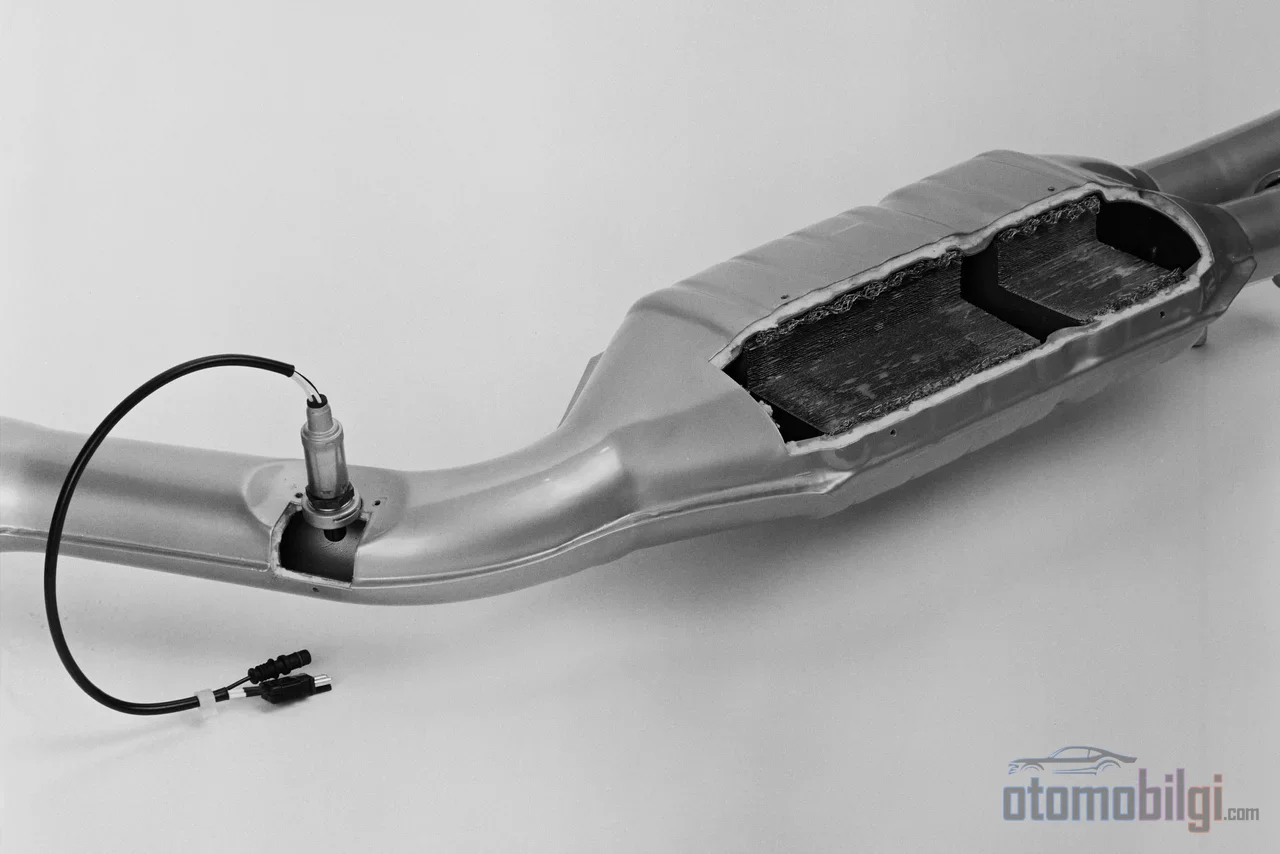
A catalytic converter is a reactor with a ceramic or metal honeycomb structure that converts carbon monoxide, hydrocarbons and nitrogen oxides in the exhaust gas leaving the engine into less harmful compounds. The raw material of the catalyst layer that performs this conversion is anything but ordinary: platinum, palladium and rhodium. All three are among the most precious metals in the automotive industry, and their prices fluctuate cyclically depending on mining supply.
The effect of the price cycle is felt in concrete terms: during periods when the metals' value rises, a similar increase is seen in converter theft, and this trend is once again moving upward as of 2026. A comparative table of price history makes things clearer:
| Metal | Approximate price (per ounce, early 2022) | Role |
|---|---|---|
| Platinum | $800-900 | Oxidation catalyst |
| Palladium | $2,200 | Oxidation catalyst |
| Rhodium | $18,000-20,000 | Nitrogen oxide reduction catalyst |
Rhodium is worth roughly 10 times the other two; this ratio alone explains the economic logic behind the theft. The asymmetry here is also striking: the thief sells the converter to a scrap specialist for a few hundred dollars while the vehicle owner pays thousands to replace the same part. Extracting the metals from the converter, meanwhile, is a complex process requiring an industrial setting; it is impossible for an ordinary person to do it by hand. That is why the theft is almost always done by cutting the part whole from the exhaust with a cutting tool, and the operation can be completed in a matter of minutes.
Converter stolen or failed: what are the symptoms?
Theft is the easiest to diagnose, because the sound is clear evidence. The converter is the largest sound-absorbing element in the exhaust line; in its absence, the engine produces an unusual, loud roar at idle and when you press the accelerator. If you started the car in the morning and were met with a sound loud enough to wake the neighbors, and the cut exhaust is visible underneath, the deed is done.
Unlike theft, the converter's clogging or failure progresses more insidiously and shows itself with these symptoms:
- Power loss and weak acceleration; a clogged converter restricts the exhaust outlet
- Hard starting and erratic idling
- A burnt smell from the exhaust and smokier, worse-smelling emissions
- Illuminated check engine warning light
As the blockage progresses, exhaust temperature rises, the vehicle may stall, and there is a risk of additional damage to surrounding components. Catching this picture early is critically important in terms of the cost difference we will explain in the next section.
Can a vehicle be driven without a converter, and will it pass the emissions inspection?
The technical answer is interesting: yes, the vehicle runs. Exhaust flow is close to normal in the absence of the converter; the engine keeps running. However, the two answers that follow immediately rule out this option. The first is legal: driving a vehicle without a converter is illegal, and the vehicle produces emissions above the legal limit. The second is practical: the exhaust emissions inspection (emissions test) cannot be passed without a converter under any circumstances; failure leads to fines, inability to renew registration, or mandatory repairs.
There is also the matter of the ECU, or engine control unit. In modern vehicles, the readings from the oxygen sensors on the converter are used as input data for the engine's fuel management. When you remove the converter or install a fake empty pipe, these readings are disrupted; the check engine light comes on, and some vehicles switch to an electronically reduced-power mode. Contrary to popular belief, removing the converter does not increase efficiency and power in a modern engine: the computer gets confused, and the result is usually lower performance and increased fuel consumption .
The consequences of a fake converter are similar: poor performance, increased fuel consumption, harmful emissions, and possible engine damage. Moreover, in some regions, emissions inspections do not even accept aftermarket converters; no solution other than a qualified, approved part is considered valid for passing the inspection.
The cost of the loss: replacement cost and insurance coverage
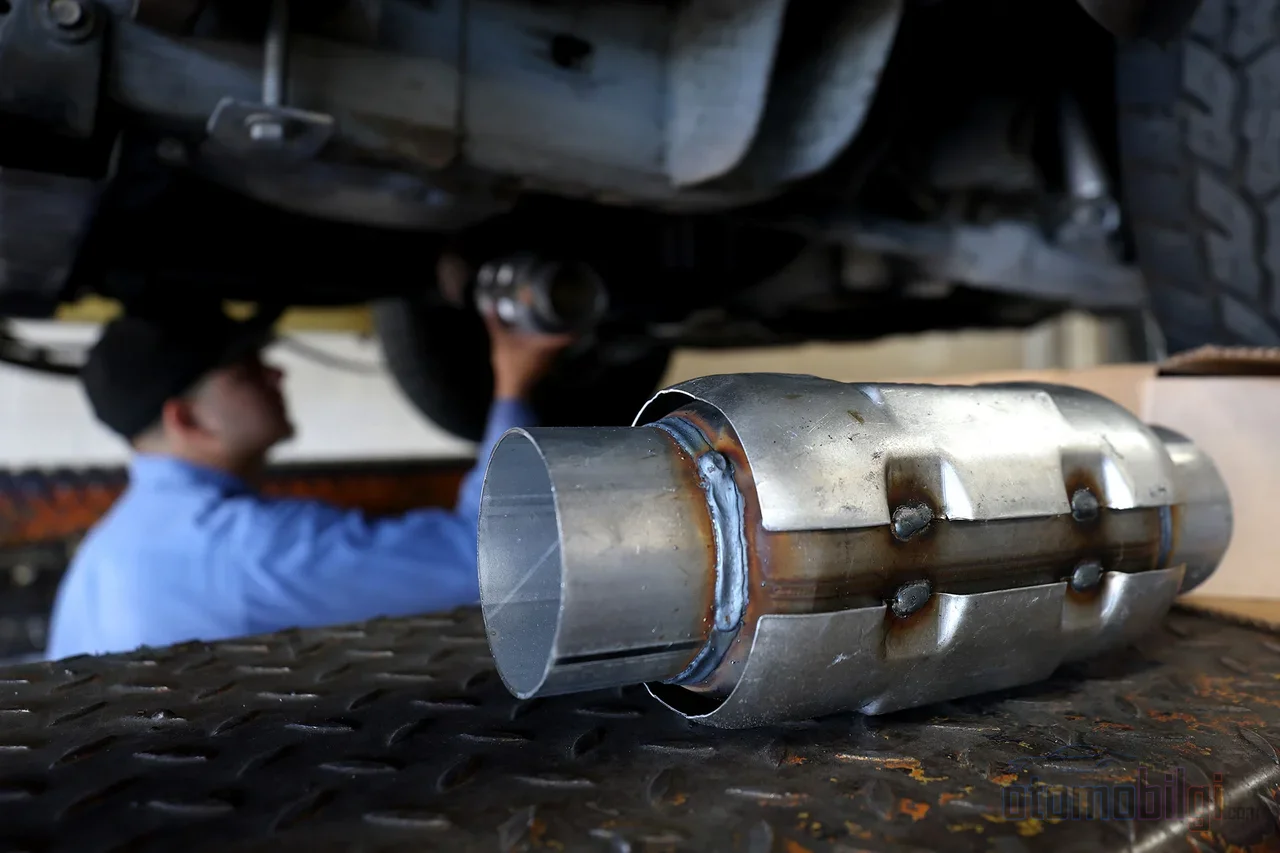
The cost of converter theft consists of two items: parts and labor, plus additional damage caused during the cutting. It is a common scenario for the thief to damage the wiring harness, pipe, or sensors, and these damages are also reflected in the bill. Figures vary by vehicle; the general picture is as follows:
- Average replacement cost: $2,177–2,506 (including parts and labor, varies by vehicle)
- For premium or hard-to-access vehicles: up to $3,000
- What the thief gets at the scrap market: in the range of hundreds of dollars
On the insurance side, the picture is clear: comprehensive coverage usually covers the replacement of the stolen converter and any damage caused during removal. However, the policy details are decisive; in some policies, coverage applies only under certain conditions. In comprehensive coverage, the deductible amount is typically $250–1,000 ranges between, and the most common amount is $500. If your deductible is close to $1,000, you still end up covering a significant portion of the damage amount yourself; you need to do this math before filing a claim, because the impact of small-amount claims on the premium is also a matter of debate.
Prevention: A $200 measure against a $2,500 loss
The cost-benefit balance takes a very clear, calculable form under this heading. The total cost of the measures taken $200-600 while the replacement of an unprotected converter averages around $2,500. The basic rule follows from this: the price paid for a protection device should not exceed the value of the converter itself. Common measures include:
- A welded or clamp-on protection cage installed under the converter
- A steel protection plate mounted on the underside of the vehicle
- Etching the converter and chassis numbers (engraving)
- A vibration/sound alarm that instantly detects the loud noise coming from the vehicle
- An inexpensive GPS tracking device - it does not prevent theft but increases the chances of recovery
Hybrid owners of 2026 models (for example the Toyota Highlander Hybrid) discussing measures such as installing cages and etching in their forums show that the target audience is not only high-clearance pick-ups. Hybrids' converters are also on the target list; because their quiet operation reduces the risk of being caught in the act. The most effective approach is a layered setup rather than relying on a single device: when a protection cage, etching record, and, if possible, a parking spot within view of a security camera work together, the thief's risk/cost calculation falls apart.
The impact of short-trip driving and neglected maintenance on converter lifespan
The converter is not only lost to theft; improper use silently shortens its life. To convert harmful compounds, the converter must reach a certain operating temperature, and it reaches that temperature on long, uninterrupted drives. In a vehicle that constantly makes 10-15 minute short trips the converter never reaches full temperature; this leads to a buildup of soot and deposits inside, and eventually clogging.
Besides the short-trip habit, three more factors directly determine its lifespan:
- Regular maintenance: neglect of spark plugs, sensors, and the fuel system pumps unburned fuel into the exhaust and overheats the catalyst layer
- Quality fuel: unadditized or low-quality fuel can carry compounds that poison the catalyst surface
- Early intervention: ignoring the check light and performance loss results in losing the entire converter
When used correctly, a catalytic converter should normally work without problems for the life of the vehicle, or at least 10 years In other words, a healthy converter has time to amortize the cost paid for it initially in a well-maintained vehicle; the problem usually stems not from the part itself, but from neglect in the system that runs it.
Summary: what to do to reduce the risk
Catalytic converter theft originates in metal prices, while the solution lies in layered protection, the right insurance coverage, and informed use. If you live in a high-risk area and your vehicle has high ground clearance or is a hybrid, a 200-600 dollar prevention package is the most sensible insurance. Check your policy's comprehensive coverage and deductible amount today; and if the engine light comes on or the exhaust sound changes, early diagnosis can save your entire converter. The only real remaining risk is the one no measure can justify in cost: driving without a converter or with a fake converter - it is illegal, fails the periodic inspection, and puts the engine at risk.
Sources
- Katalitik konvertörlerde üç değerli metal bulunur - ABC13
- Değerli metal fiyatları yükselirken katalitik konvertör hırsızlıkları da artıyor - Marketplace
- Katalitik Konvertör Hırsızlığı Nasıl Önlenir - Consumer Reports
- Katalitik konvertör hırsızlığını önlemenin 5 yolu - Allstate
- Katalitik Konvertör Hırsızlığı ve Smog Kontrol Programı - California BAR
- Katalitik Konvertör Hırsızlığı 2026'da Neden Yeniden Artıyor - Amarok
- Katalitik Konvertör Hırsızlığı ve Sigorta - Amarok
- 2025'in En İyi Katalitik Konvertör Hırsızlık Önleme Cihazları - Car and Driver
- Katalitik Konvertör Hırsızlığı: Sigorta Karşılıyor mu? - Progressive
- Oto Sigortası Katalitik Konvertör Hırsızlığını Karşılıyor mu - USAA
- Katalitik Konvertör Hırsızlığı - State Farm
- Katalitik Konvertörsüz Araç Kullanılabilir mi? - AutoZone
- Tıkanmış Katalitik Konvertör Belirtileri - AutoZone
- Katalitik Konvertörsüz Araç Kullanılabilir mi? - CarParts
- Katalitik konvertörünüzün arızalandığını gösteren uyarı işaretleri - Start Rescue
- Çalınan Katalitik Konvertörün 6 Belirtisi - Sliplo
- Katalitik Konvertör Koruması İçin En İyi Çözümler - MACS
- Katalitik Konvertöre Ne Zarar Verir? - Hollenshade's
- Modern katalitik konvertörler performansı önemli ölçüde düşürür mü - XP Motorsports
- Katalitik Konvertör Yaşlanma Nedeniyle Arızalanır mı? - Mechanics StackExchange
- Katalitik Konvertörler Ne Kadar Dayanır? - Apache Muffler