Do Branded Sound Systems Really Make a Difference in a Car?
Share This Page
Yes, branded sound systems really do make a difference - but that difference comes primarily not from the number of speakers, but from DSP-based calibration, amplifier power, and tuning done according to cabin acoustics. Under the right conditions (a quiet cabin, a quality audio source, good tuning), a premium system sounds noticeably better than a standard setup; if road noise is high, that difference can quickly disappear.
Highlights
- The Lincoln Aviator has 28 speakers; Revel Ultima systems have 19-20 speakers and more, depending on the model.
- DSP does not produce power; it digitally adjusts time alignment, crossover, and frequency response - it works like a conductor of an orchestra.
- In modern premium systems, the number of speakers can reach up to 32 or more with personalized sound zones.
- At highway speeds, road noise occupies the low frequencies and masks the premium difference; that's why sound insulation is critical.
- The same brand's setups in different vehicles can sound completely different; the label alone is not a guarantee of quality.
How does a premium sound system differ from a standard one?
Let's first look at the architecture, because that's where the whole difference begins. A standard car audio system typically consists of cheap speakers and a weak amplifier feeding them; the audio signal flows directly from the factory radio to the speakers. In premium systems, the signal path works like this: factory radio → DSP → amplifier → speakers. In other words, the sound is digitally shaped before it reaches the speakers and is then delivered to them with serious power. In short, a standard system plays the music, a premium system manages it. So what exactly does this management cover? Let's examine it under three headings: DSP, amplifier, and speaker placement.
DSP: the cabin's conductor
DSP, or digital signal processor, is the brain of the system. Its job is not to add power to the signal - that's the amplifier's job. The DSP digitally tunes the sound before it reaches the speakers: it corrects timing differences between the speakers (called time alignment), optimizes crossover points, adjusts the frequency response, and improves the positioning of the sound stage, i.e. the soundstage. The classic analogy is still the best: the DSP works like an orchestra conductor, while the amplifier provides the energy to the orchestra. Music plays even without a conductor, but it plays chaotically.
The interesting part is that where the DSP sits in the vehicle is also an engineering choice. The DSP can be integrated into the head unit's main chip, sit as a separate component inside the head unit, or be located inside an external amplifier. Today the most common choice is the DSP inside the external amplifier; because head unit technology changes very quickly, and separating the audio electronics from it increases the system's reusability and scalability. On the hobby side, there are two paths: maksimum esneklik isteyen standalone DSP'ye, maksimum kolaylık isteyen DSP'li amfiye yöneliyor. Modern DSP amplifiers have largely closed the gap - some can deliver up to 1,500 watts RMS, 31-band parametric EQ, time alignment and active crossover.
Number and placement of speakers: why are 28 speakers put in a car?
The number of speakers is the most visible line item in premium packages. Some current examples, table-style:
| Vehicle / system | Number of speakers |
|---|---|
| Lincoln Aviator | 28 |
| Lincoln models with the Revel Ultima system | 19-20 and above |
| Volvo V90, Bowers & Wilkins | 19 |
| McLaren 750S, Bowers & Wilkins | 12 |
These numbers are growing rapidly, and the only reason is not playing music loudly. Features such as 3D surround sound, personalized listening zones and separate audio distribution for the driver/passenger can push the speaker count to 32 and beyond. Every extra speaker also brings a tuning burden that requires its own EQ, gain and crossover settings. So the number of speakers is a ceiling point; the real difference lies in how well those speakers are tuned. An important warning at this point: DSP never makes speakers louder, it only makes them play more accurately. The power job always belongs to the amplifier.
Cabin acoustics: why doesn't a car behave like a listening room?
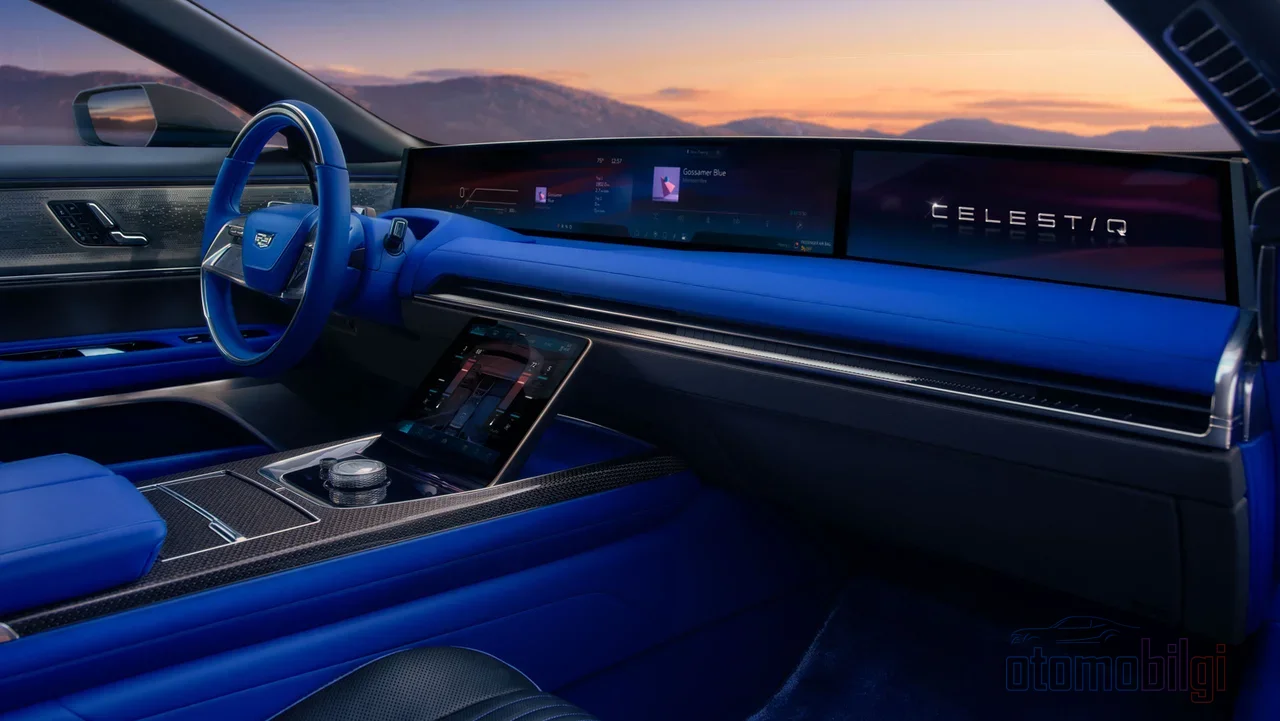
This is where premium systems are truly put to the test. When listening to music at home, the speakers sit symmetrically with your ears and the room is a calm environment. In a car, everything is the opposite: the speakers are at different distances from the driver, glass and plastic surfaces are reflective, and the ceiling and seats are absorptive. The cabin also creates its own acoustic character - what experts call cabin gain, where the cabin volume reinforces bass frequencies - and standing waves and reflections can distort the sound. Factory head units also make the job harder: they apply aggressive EQ curves to compensate for cheap speakers.
It is precisely for this reason that premium systems are calibrated to the cabin acoustics. Calibration uses 3D microphones to analyze how sound waves reflect inside the cabin - for example, bouncing from the seat to the console - and digitally eliminates the echoes. The final step is personalization: using approaches adapted from hearing aid technology, some systems can tailor the sound to the driver's hearing profile and aim for a more even acoustic field for everyone in the cabin. So even when two people listen to the same music on the same system, the fact that what they hear is not exactly identical is an engineering problem being solved in this field.
Silence is also part of the system: ANC and road noise
Good sound is measured not only by music quality but also by the quietness of the cabin. Active noise cancellation (ANC) detects ambient noise with microphones and produces an anti-phase sound wave to cancel it out. In electric and hybrid vehicles, engine sound disappears, making road noise much more prominent; which is why road noise cancellation (RNC) requires low-latency, high-performance real-time processing. The same DSP infrastructure is also used to clarify conversations in in-car communication (ICC) systems. Remember, electric vehicles are even required to produce a pedestrian warning sound (AVAS): the audio system now serves a safety function too. Jokes aside, your car's audio system is doing jobs that were once unimaginable.
How much does the brand label matter: does the same brand sound the same in every car?
The short answer: no. Installations of the same audio brand in different vehicles can sound completely different from one another; the same goes for Bose, Harman Kardon or Bang & Olufsen. A premium audio package is built under a shared brand umbrella, with completely different speaker combinations, amplifier configurations and calibrations from vehicle to vehicle. The brand name is a sign of a design philosophy and a budget; not a guarantee.
At this point, there is an interesting observation about the tuning quality of factory systems: on the amateur side, it is said to be extremely difficult to find people who can calibrate an aftermarket system to match the frequency response and sound stage of an OEM system. In other words, the strength of factory premium systems lies not only in the components, but in the engineering effort behind those components. In community forums, Bowers & Wilkins, Burmester and Bang & Olufsen are generally mentioned at the top among factory systems; some users rate Mercedes' Burmester setup as the best factory sound they have heard. All of these are subjective impressions - systematic test data is seriously lacking in this area. There are also brands that perform surprisingly well, like Honda. The verdict? Listen with your own ears before buying, don't decide based on the label.
Can road noise erase the premium difference?
It can, and this is the most critical part of the question "is the premium package worth the money?" Road noise increases sharply as speed rises, and it enters the cabin through the chassis and tires, occupying the lower frequencies. The region where the music truly sits - the bass - is masked by the noise. A weak factory system has no clean power reserve to compensate for this; so at highway speed, the sound is heard weak and dull. A premium system, with its power and calibration advantage, resists this condition better, but if the noise is high, even its difference is partly lost. That's why the same premium package can sound like a miracle in a quiet luxury sedan while remaining mediocre on the highway in a poorly insulated vehicle. This is why sound insulation is the underrated hero of the upgrade list: door and floor insulation makes an audible difference even without changing a single speaker.
Lossless audio and source quality: does a premium system deserve a flawless source?
A frequently discussed topic: how do you listen to lossless music in the cabin? There is a partly technical obstacle; the USB and CD players in some vehicles do not support formats like FLAC. That's why some drivers consider lossless audio subscription services as an alternative, or check for USB storage support as a starting point. But to be honest, the source quality debate only carries weight if the other links in the chain are strong: In a system without DSP, without an amplifier, and with poorly placed speakers, the difference between lossless and standard music is hard for most people to hear. First the chain, then the source. Not the other way around.
Under what conditions is a premium audio package worth the money?
Let's put it all together. A premium audio system produces a tangible audible difference under these conditions:
- Quiet cabin: In a vehicle with good insulation and low road noise, the fine craftsmanship of the calibration can truly be heard.
- Quality source: A compressed, low-bitrate stream drags down every system's ceiling; the end of the chain matters as much as the beginning.
- Listening habits: For someone who spends long hours listening to music in the car, the difference becomes part of daily life; in short city trips, capturing the same effect is difficult.
- Sound zone needs: Features like separate audio for passengers or personalized calibration are only possible in high-speaker-count, DSP-centric systems.
On the aftermarket side, the roadmap follows similar logic. For a beginner, the best first upgrade is usually replacing the front speakers; for vehicles older than 8 years, renewing the head unit first is recommended. If the system is weak at high volumes, the bass is getting lost, or the speakers are distorting, the amplifier is the priority; if the sound is harsh and scattered, or the vocals aren't centered, the DSP is the priority. Using a DSP even with factory speakers provides noticeable improvement in imaging, tonal balance and clarity - but the most dramatic results always come from the trio of DSP + quality speakers + amplifier. It's often said that premium systems require a larger initial investment but deliver performance and long-term value in return; their effect on the vehicle's resale value should remain a claim without concrete data.
My summary is this: branded audio systems truly make a difference, but what sells that difference is not the badge - it's the DSP architecture behind it, the speaker placement, and the cabin-specific calibration. If all three are present and your car is quiet, your wallet has earned it. Otherwise, that money should perhaps go to sound insulation first. If it were you, which would you choose - speaker count, or cabin quietness?
Sources
- How Highly Integrated DSPs for Premium Automotive Audio are Redefining the Driving Experience (TI white paper)
- Standalone DSP vs DSP Amplifier: Car Audio Guide
- DSP vs. Amplifier
- Cars With the Best Sound Systems in 2025
- Car Audio Acoustics: Cabin Gain, Modes and Comb Filtering
- High-Resolution Audio for Car Audio: Formats, DSPs
- Why Factory Audio Sounds Weak at Highway Speeds
- Why Does My Car Audio Sound Worse at Highway Speed
- Automotive Car Cabin Sound Personalization
- Automotive Audio: Car Cabin Sound Personalization
- Active Sound Management
- Bose: Creating Immersive Auto Cabin Experiences
- How To Reduce Road Noise in Your Car
- Opinion on Premium Car Sound Packages
- Best way to listen to lossless audio in car
- Car Audio Upgrades: Beginner's Guide
- Premium Car Audio Upgrades