From GT3 to GT4: The Order of BoP and the Pro-Am Model
Share This Page
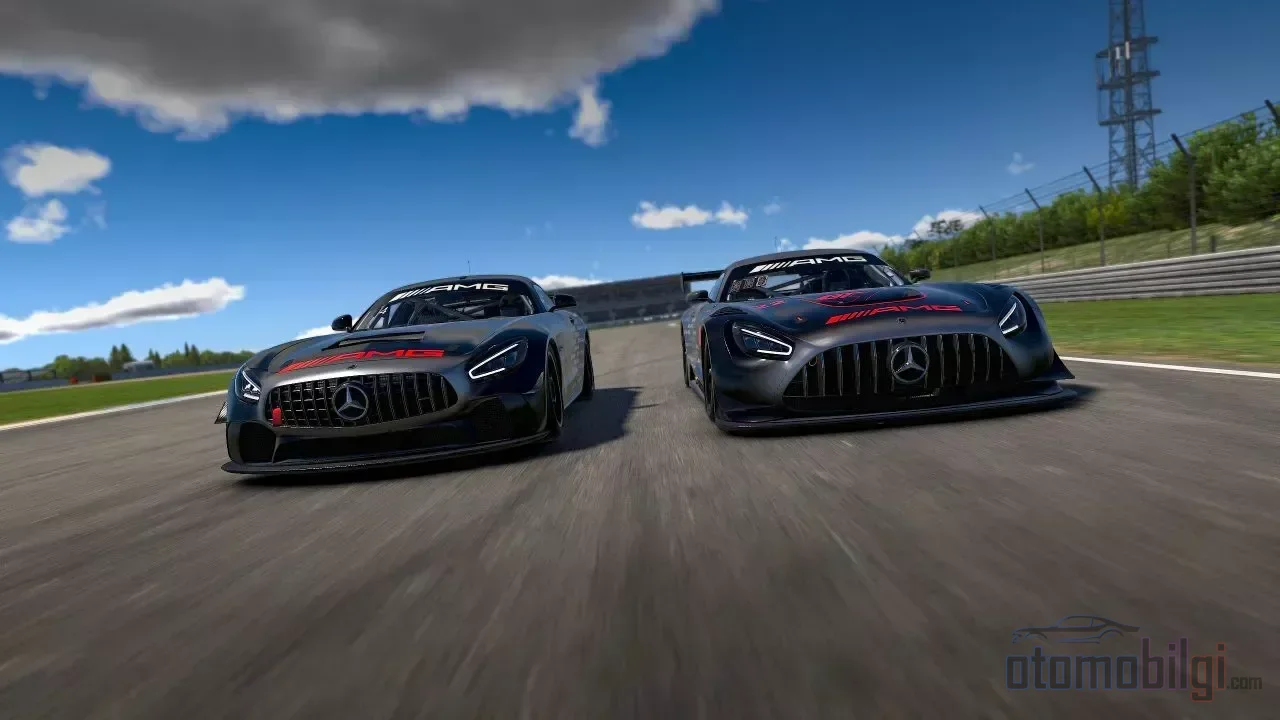
GT3 and GT4 are two racing classes derived from production cars; the balance of performance (BoP) system makes cars from different brands competitive, while the pro-am model brings professionals and amateurs together in the same car. In other words, GT racing is not just a sport for factory drivers; it is a world where, with the right setup, even an ordinary enthusiast can compete on the track. So how exactly does this world work? Let's dive in.
Highlights
- GT3 was introduced in 2005 by the FIA; to date, 58 different cars
- have received homologation. GT3 cars have a power range of 500-600 HP and a weight of approximately 1,200-1,300 kg
- . GT4 is closer to the production car: around 1,500 kg and 450 HP
- . The 24 Hours of Spa has been running since 1923; the grid of the Nürburgring 24 features close to 160 cars
- .
In Pro-Am line-ups, a professional and an amateur share the same car.
What Exactly Is the Difference Between GT3 and GT4? Think of them as children of the same family: they carry exactly the same DNA, but while one barely deals with household responsibilities, the other goes to school at full throttle. GT3 is a concept the FIA introduced in 2005; the aim was to replace the expensive chaos of the GT1 and GT2 era with a single standardized category and make things easier for manufacturers. Today it is officially certified under the name "Group GT3", and each certificate is valid for
7 years and can be extended if desired. A GT3 car is based on a current two-door production car. The chassis and engine position remain untouched, and the manufacturer is required to produce at least 300 units of the relevant model per year. Inside, things get serious: roll cage, racing seat and harnesses, fuel cell and racing-spec brakes are mandatory. A sequential gearbox is also essential. The power window is 500-600 HP, and the weight window is roughly
1,200-1,300 kg . GT4 is younger: it emerged in 2006 as a "customer racing" focused idea, its first national championship began in 2009, and it grew in Europe as the go-to destination for amateur drivers. Its philosophy is simple: deviate from the production car as little as possible. More limited aerodynamics, less electronic magic, more fidelity to production parts. A typical GT4 car, with a weight around 1,500 kg and a power of around
450 HP
, is slower than a GT3 but far more accessible. Operating costs are also significantly lower.
| So Where Does GT2 Fit In? | Modern GT2 is an interesting hybrid: it carries more horsepower than GT3 but produces noticeably less aerodynamic downforce. The result is a nice irony: on the straights GT2 is ahead, while in corners and over a full lap GT3 leads. Two different strengths on the same track, in short. | Feature |
|---|---|---|
| GT3 | GT4 | Introduction year |
| 2005 (FIA) | 2006 (idea), 2009 (first championship) | Power |
| 500-600 HP | ~450 HP | Weight |
| ~1,200-1,300 kg | ~1,500 kg | Closeness to the production car |
| Advanced aerodynamics, sophisticated suspension and electronics | Closer to production parts, limited aerodynamics | Sequential, mandatory |
| Operating cost | Higher | Lower |
| Target audience | Professional competition | Amateur and semi-professional drivers |
How Does BoP (Balance of Performance) Work?
Now we come to the backbone of the sport. Think of it this way: the tallest kid in the class is going to play basketball against the shortest kid. For fair play, the tall kid has to shoot from a bit farther away from the hoop, right? BoP is exactly that: a regulatory mechanism that brings vehicles of different characters from different brands into each other's acceptable range through power and weight adjustments (touching the aerodynamics too when necessary).
There is an important nuance: BoP does not promise complete equality. It keeps each car within the acceptable range of its rivals; in other words, the goal is not equality but a reasonable window of competition. The performance of Group GT3 cars is regulated through this system by the FIA GT Bureau or the governing body of the relevant series. In GT4, BoP works in a similar way; the difference is that certification is concentrated mainly with the RACB authority in Belgium.
Why Is BoP a Constant Subject of Debate?
Because not everyone is happy, of course. At the FIA GT World Cup in Macau, some drivers openly objected to BoP decisions. Even more interesting, at the pinnacle of endurance racing, shifting proposals are circulating: one rival proposed scrapping BoP entirely, and Ferrari, saying it was surprised by the proposal's rejection, referred to success handicap being on the agenda for 2026. On top of that, a transparency debate has been added: WEC announced that from 2026 onward it will not publish BoP figures, citing the need for "protection from speculation." This decision drew strong reactions from those who said no.
Without BoP, the GT3 world would lose its present meaning - the fact that different brands can race in the same lap is the work of this system. Even if it frustrates you at times, there is nothing unbearable about this order.
The Pro-Am Model: How Do Amateurs and Professionals Share the Same Car?
This is the part that makes the sport fascinating for me. In the Pro-Am format, a professional driver and an amateur (i.e. a "gentleman" driver) share the same car. For example, in GT World Challenge America, a typical lineup consists of a Platinum- or Gold-rated professional alongside a Bronze-rated amateur. The backbone of British GT is already this structure: professionals rated Silver and above, side by side with amateur drivers.
What makes this possible is the driver categorization system. Drivers are rated Platinum, Gold, Silver and Bronze; these ratings both enable multi-class racing and blend professionals and amateurs in a balanced way. In GT4 America the classes are clear: Silver (rising professionals and elite amateurs), Pro-Am (pro + amateur pairings) and AM, reserved entirely for amateurs. Teams racing in the Silver Cup, Pro-Am and Am Cup at the 24 Hours of Spa can target not only their own class but also the overall classification. Even the Porsche Carrera Cup GB uses three categories: professional, Professional-Amateur and Masters.
What Does the Roadmap for an Amateur Driver Begin With?
In practice, the ladder starts at GT4. Because GT4 keeps costs and the technical threshold low, it serves as the gateway for amateurs and those who cannot enter GT3; as GT3 costs have risen, interest has shifted here. Starting your driver rating as Bronze and moving up through experience and performance is the standard way to race in the Pro-Am or AM categories. Since licensing processes and exact cost figures vary from series to series, it is hard to give a precise table, but the system's operation is transparent: get a rating, pick the right category, sit down with a team.
Classics of the GT Calendar: Spa, Nürburgring, Bathurst and Daytona
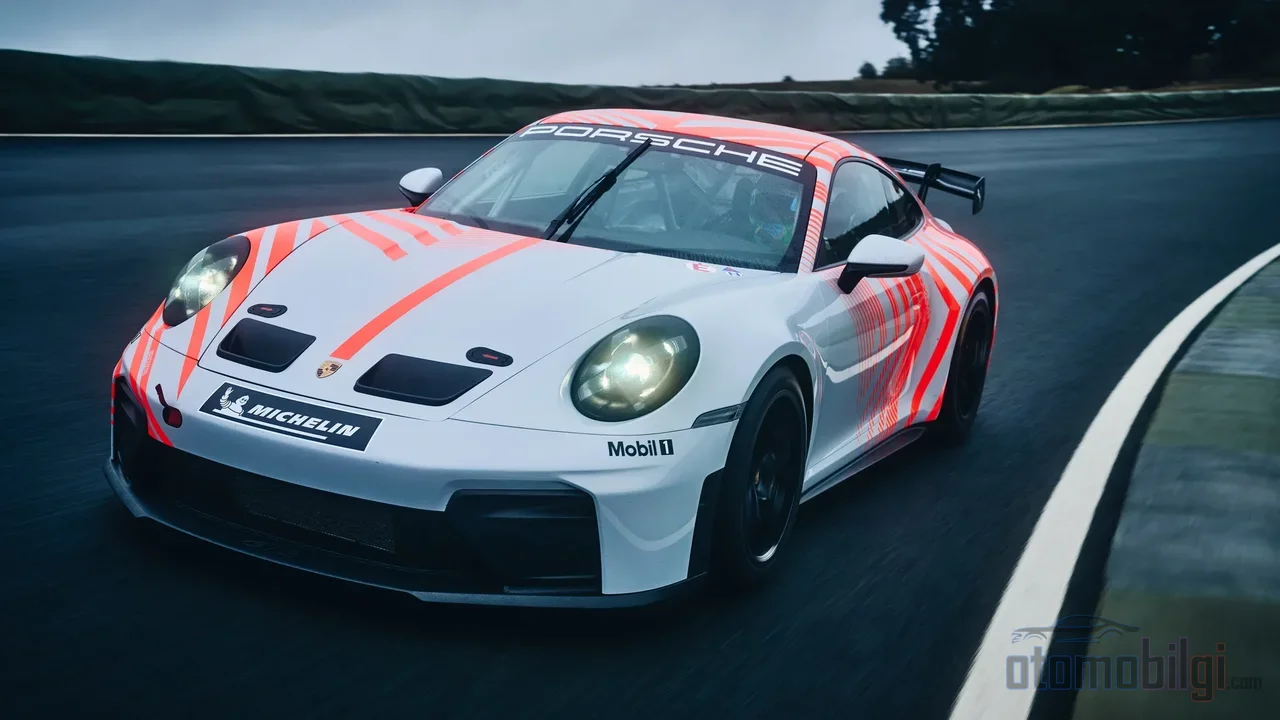
GT racing has no star endurance classic without a night. The Spa 24 Hours has been run since 1923 at Spa-Francorchamps in Belgium and is part of the Intercontinental GT Challenge; it is even described as "the world's most physically demanding 24-hour race." In 2026 it will be on track June 24-28. The Nürburgring 24 Hours, meanwhile, is a completely different beast: it is run on the Nordschleife and its grid features nearly 160 cars and more than 20 classes. The 2026 program begins with qualifying on Thursday, May 14. with qualifying on Thursday, May 14.
On the Australian front, the Bathurst 12 Hour, as a round of the Intercontinental GT Challenge, is one of the most talked-about events of the year; at the 2026 event Valentino Rossi made the podium and a record crowd was recorded. The Daytona 24, meanwhile, keeps its place on the list as one of the most established stops on the endurance calendar. The debate over which is "the biggest" is an endless conversation among fans: Spa can be summed up as having the bigger grid, the Nürburgring as having the unique Nordschleife format - the rest is a matter of taste.
Why Do Manufacturers Invest So Heavily in GT Classes?
The answer is simple: the car you see on track is a relative of the car sold in the showroom. This is precisely why the GT3 concept appeals to manufacturers; the racing cars are based on production vehicles. Victories translate directly into brand image and sales. In GT4, meanwhile, the restrictions on modifications over the road car keep investment and maintenance costs low; this keeps the manufacturer's door to customer racing wide open. Porsche, for example, with its customer racing investment in SRO America and its competitive track record, is preparing to expand further. At the same time, SRO is promoting regional GT4 series because each region alone cannot sustain a grid weighted toward GT3. In short, there is an ecosystem growing both at the top and at the base.
And this ecosystem never stops: Lamborghini's new Temerario GT3 was seen in the context of the 2026 GT World Challenge Europe. New cars, new homologations, new debates... This world has no monotonous weekend.
Final Word: Why Should Everyone Pay Attention to GT Racing?
Because it is one of the most democratic corners of motorsport. On one side 500-600 HP GT3 monsters with the '93, GT4 cars on the other side that amateurs drive after their day jobs, plus a BoP and categorization system that keeps them all under the same roof. A team that can stay on its feet for 24 hours at Spa is a blend of engineering from brands you pass in your own living room. Which class would you start in - GT3 at the peak of speed, or GT4 with its door wide open? Let's meet in the comments.
Sources
- What is a GT3 Car? | Pit Notes
- What Are the Differences Between GT3, GT2, and GT4 Cars?
- About GT4
- Group GT3
- Balance of performance
- Balance of Performance explained: How BoP works
- British GT: what you need to know
- Series Explainer: Pirelli GT4 America
- A guide to multi-class racing at the Total 24 Hours of Spa
- Nürburgring 24 Hours
- 24 Hours Nürburgring 2026
- 2026 Calendar - GT World Challenge Europe
- Ferrari "Surprised" Rivals Rejected Proposal to Scrap BoP
- FIA GT World Cup – BoP already making waves in Macau
- Porsche Poised for Further Expansion in SRO America Competition