Otomobilgi.comOtomobilgi.com
  • Türkçe
  • English
  • Deutsch
  • Français
  • Italiano
  • Español
  • Português
  • Polski
  • Magyar
  • Azərbaycanca
  • Bahasa Indonesia
  • Русский
  • 中文
  • 日本語
  • 한국어
  • हिन्दी
  • বাংলা
  • العربية
  • فارسی
  • Türkçe
  • English
  • Deutsch
  • Français
  • Italiano
  • Español
  • Português
  • Polski
  • Magyar
  • Azərbaycanca
  • Bahasa Indonesia
  • Русский
  • 中文
  • 日本語
  • 한국어
  • हिन्दी
  • বাংলা
  • العربية
  • فارسی
  • HOME PAGE
  • NEWS
    Turkish Automotive Industry News
    Global Automotive Industry News
    Turkish Motorsports News
    Global Motorsports News
  • INTERNAL COMBUSTION
    Internal Combustion Models
    Internal Combustion Engine Technologies
    Fuel and Consumption
    Emission and Environment
    Internal Combustion Ownership
    History of the Internal Combustion Automobile
  • ELECTRIC
    Electric Models
    Electric Car Technologies
    Charging and Infrastructure
    Battery Technology
    Range and Consumption
    Electric Vehicle Ownership
    History of the Electric Car
  • HYBRID
    Hybrid Models
    Hybrid Systems
    Battery and Charging
    Consumption and Efficiency
    Hybrid Ownership
    History of Hybrid Cars
  • TECHNOLOGY
    Driver Assistance Systems
    Safety Technologies
    Lighting and Visibility Technologies
    Infotainment and Connectivity
    Autonomous Driving and Artificial Intelligence
    Future Technologies
  • GUIDES
    Buying Guides
    Sales Guides
    Maintenance and Use
    Ownership and Costs
    Tires and Wheels
    Insurance and Inspection
  • HISTORY & CULTURE
    Automobile History
    Iconic Models
    Classics and Collections
    Türkiye's Automobile Journey
    Automobile Design
    Cars and Popular Culture
  • MOTORSPORT
    Formula 1
    Rallying (WRC)
    Rallycross
    MotoGP
    Formula 2 & Formula 3
    Karting
    24 Hours of Le Mans
    WEC
    NASCAR
    IndyCar
    DTM
    GT Races
    Drift
    Drag Races
  • Türkçe
  • English
  • Deutsch
  • Français
  • Italiano
  • Español
  • Português
  • Polski
  • Magyar
  • Azərbaycanca
  • Bahasa Indonesia
  • Русский
  • 中文
  • 日本語
  • 한국어
  • हिन्दी
  • বাংলা
  • العربية
  • فارسی
  • Türkçe
  • English
  • Deutsch
  • Français
  • Italiano
  • Español
  • Português
  • Polski
  • Magyar
  • Azərbaycanca
  • Bahasa Indonesia
  • Русский
  • 中文
  • 日本語
  • 한국어
  • हिन्दी
  • বাংলা
  • العربية
  • فارسی
  1. HOME PAGE
  2. TECHNOLOGY
  3. Safety Technologies

Safety Technologies

Share This Page
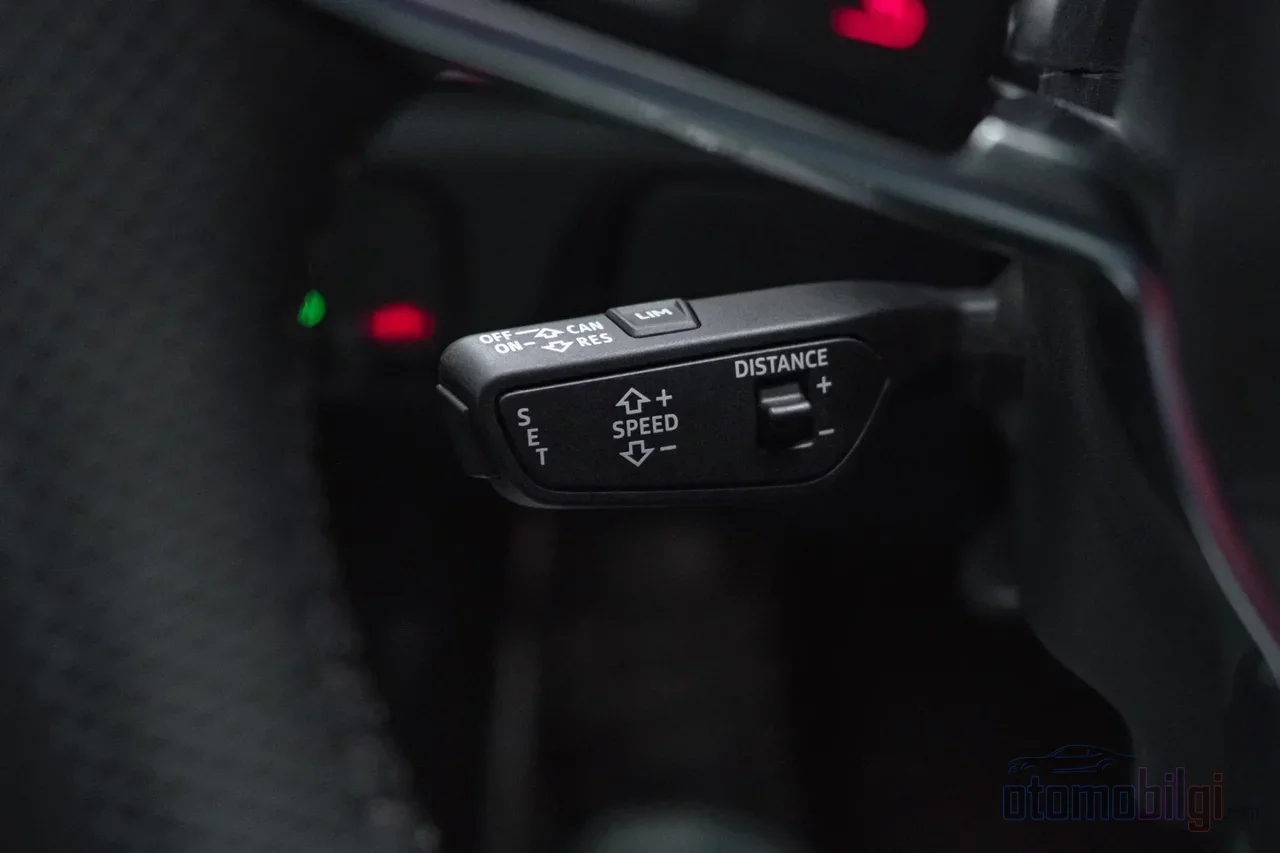
A car measures the distance ahead not in meters but in seconds; as speed increases, the gap it leaves also grows.
How Does Adaptive Cruise Control Maintain Distance with Radar?
Lütfi Mete Odabaşı18 October 2026

Adaptive cruise control (ACC) is a driver assistance system that not only maintains the speed you set, but also monitors the vehicle ahead using radar and a camera, keeping the distance between you through automatic throttle and braking interventions…

Read More
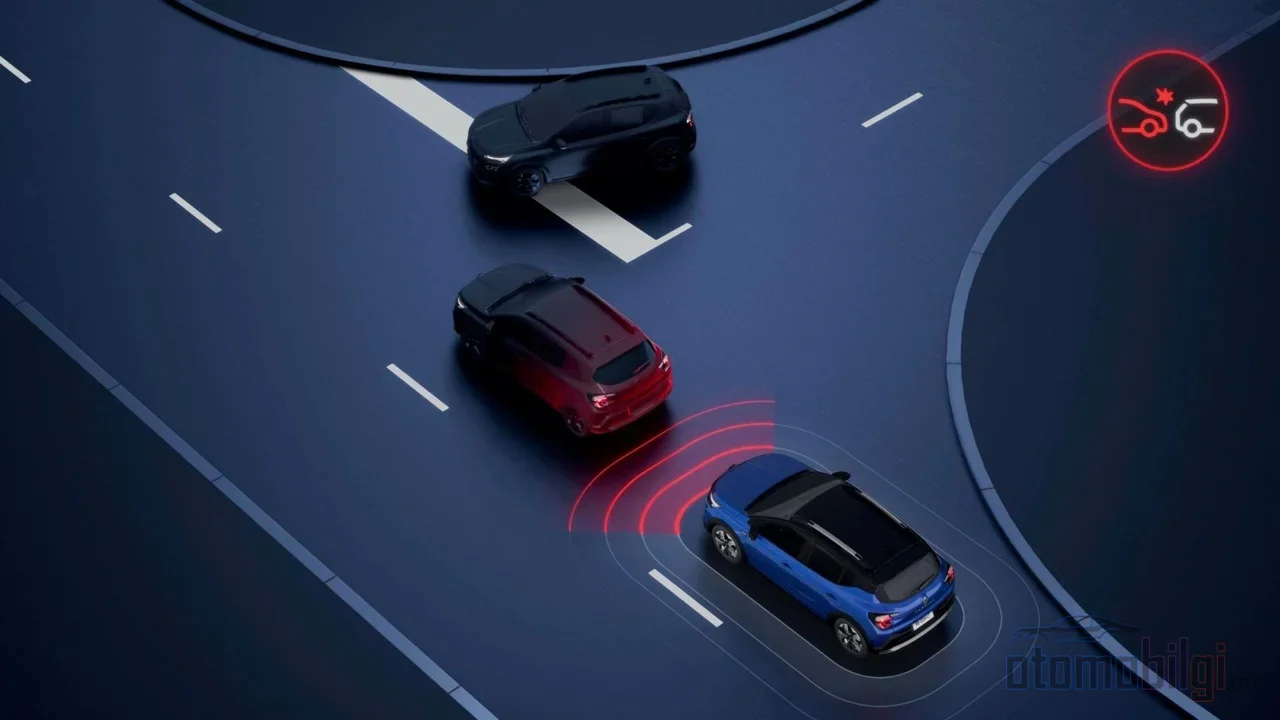
In a moment of panic, the driver presses the brake insufficiently; the brake assistant reads the speed of the pedal and brings the pressure to maximum within milliseconds, closing the gap.
How Does Brake Assist Detect an Emergency, and Why Does It Multiply Pressure?
Lütfi Mete Odabaşı17 October 2026

Brake assist (BAS/BA) is an active safety system that detects an emergency within milliseconds by monitoring the speed and force applied to the pedal during panic braking, and automatically raises the brake fluid pressure to maximum. It fills the gap…

Read More
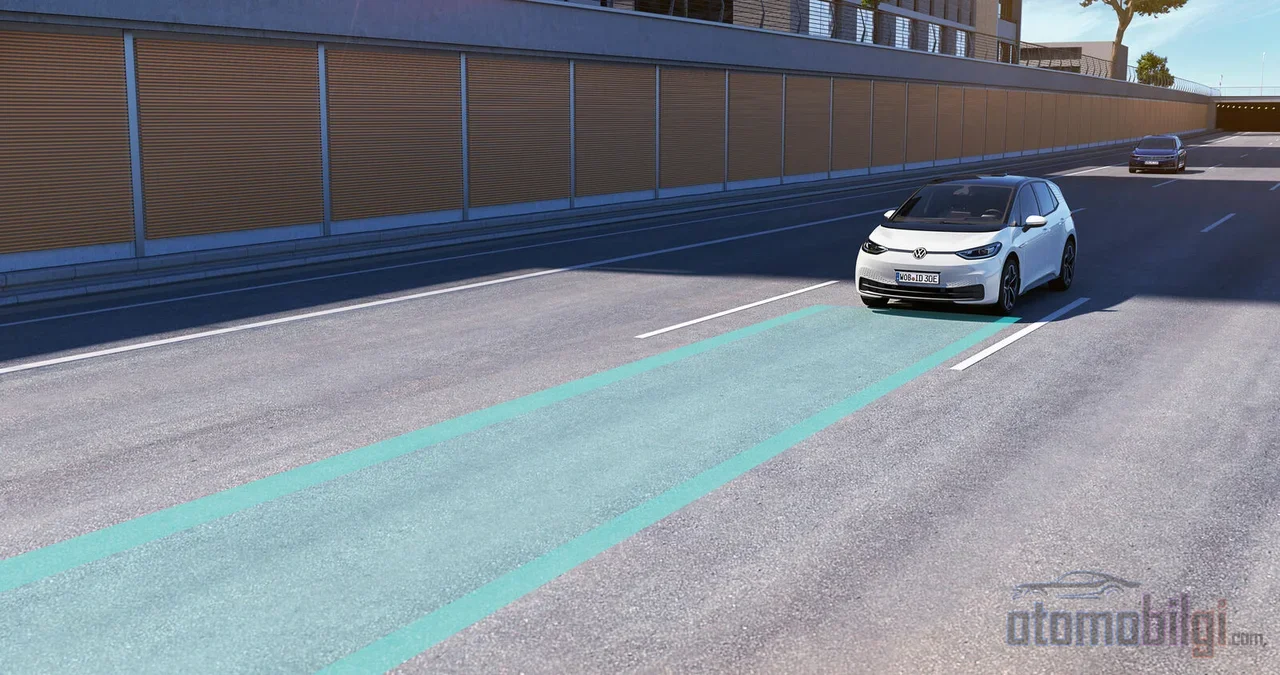
The lane-keeping system physically touches the steering wheel but doesn't drive for you; the trick of the matter lies in this subtle distinction.
Does the Lane Keeping System Really Take Over the Steering?
Lütfi Mete Odabaşı17 October 2026

Yes, it really takes hold of the wheel - but not literally. The Lane Keeping Assist (LKA) system is an active safety system that, if you drift out of the lane lines it reads with a front camera, applies torque to the steering wheel via an electric mo…

Read More
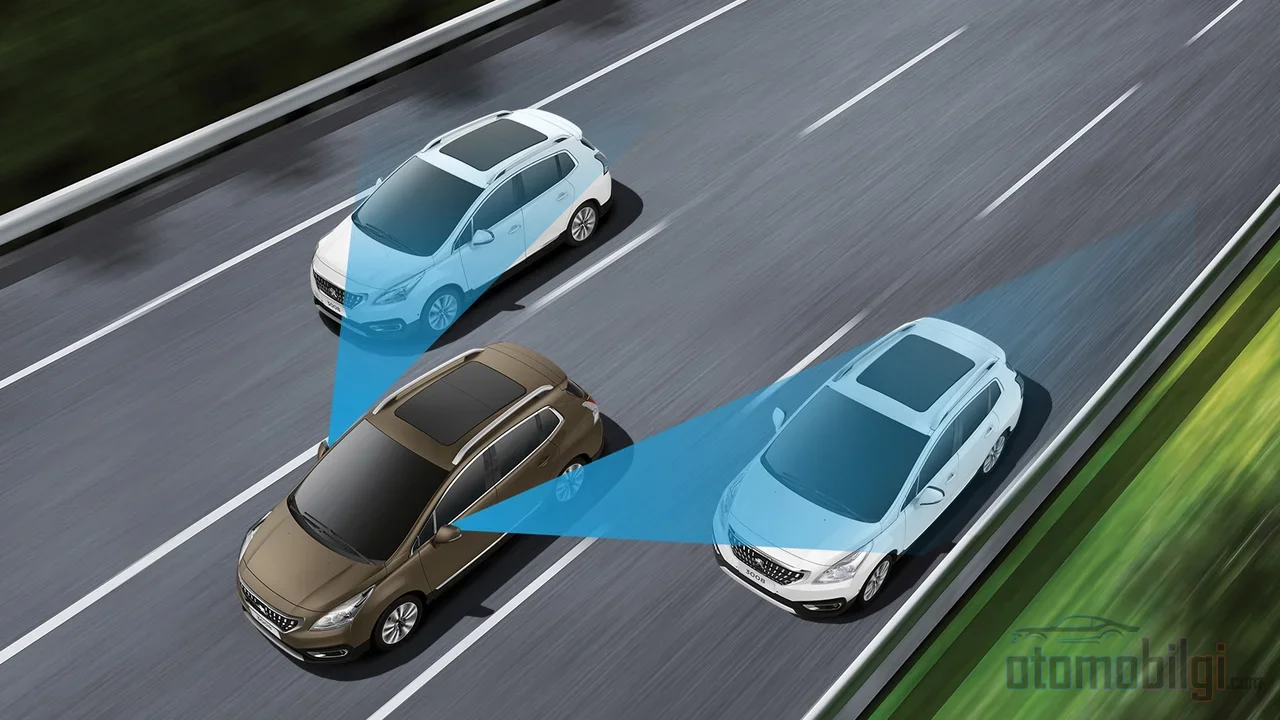
The 77 GHz blind spot radar can see vehicles in the adjacent lane, but it may ignore cyclists with a low radar cross-section and anything below a certain speed.
What Does the Blind Spot Radar See, and What Does It Miss?
Lütfi Mete Odabaşı16 October 2026

Blind spot radar is an active safety system that monitors vehicles in adjacent lanes using 77 GHz radar sensors hidden in the vehicle's rear corners, but it does not see everything: it does not always detect low radar cross-section targets such as pe…

Read More
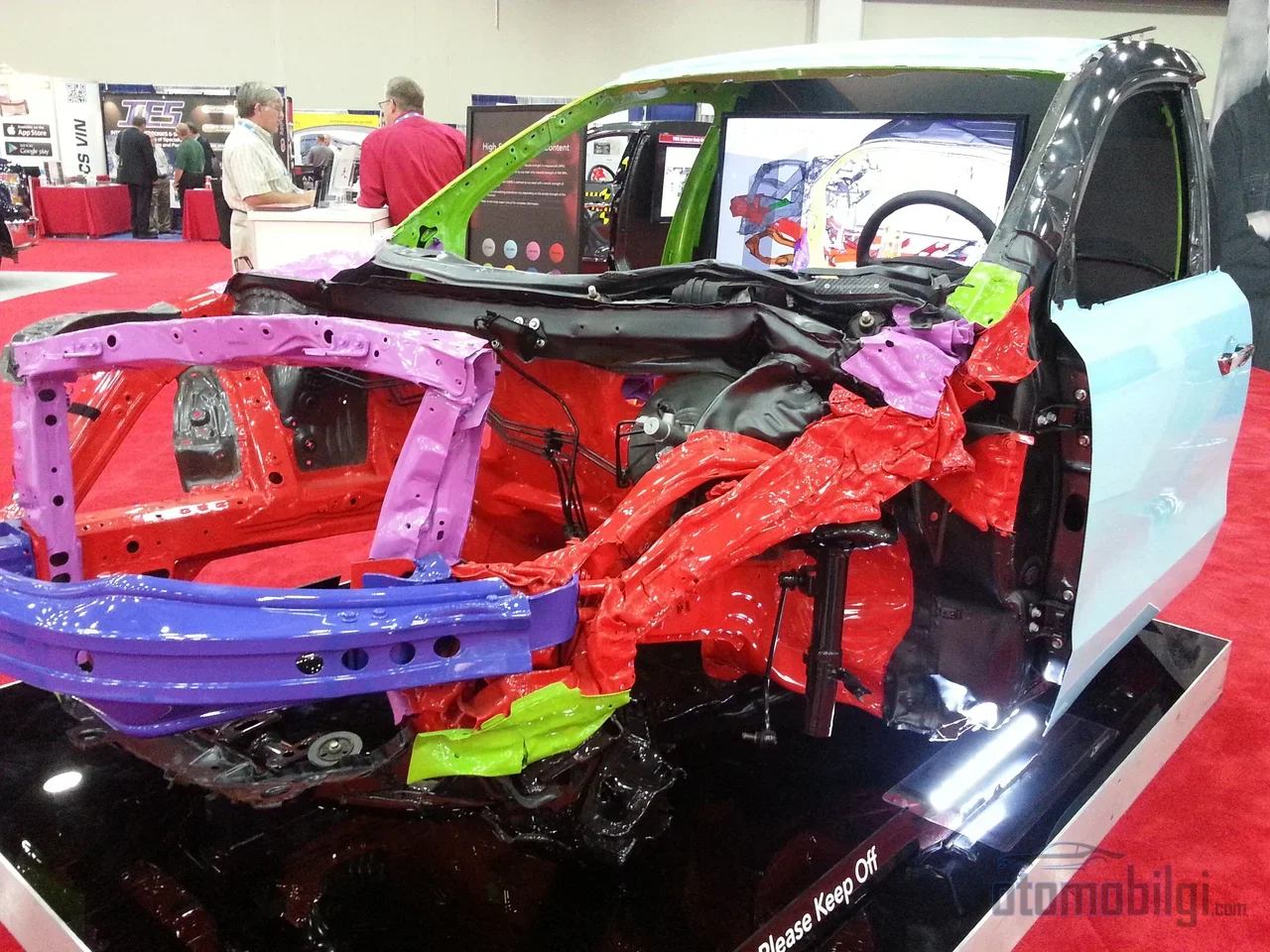
A car crushing is not a defect, but engineering's smartest move: the body sacrifices itself, and the passenger cabin survives intact.
Why Does the Body Intentionally Deform? Crumple Zone Engineering
Lütfi Mete Odabaşı15 October 2026

The crumple zone, meaning a deliberately deformable region, is a structural safety zone designed to absorb collision energy by intentionally crushing at the moment of impact. So our car being crushed is not a defect; quite the opposite, it is the eng…

Read More
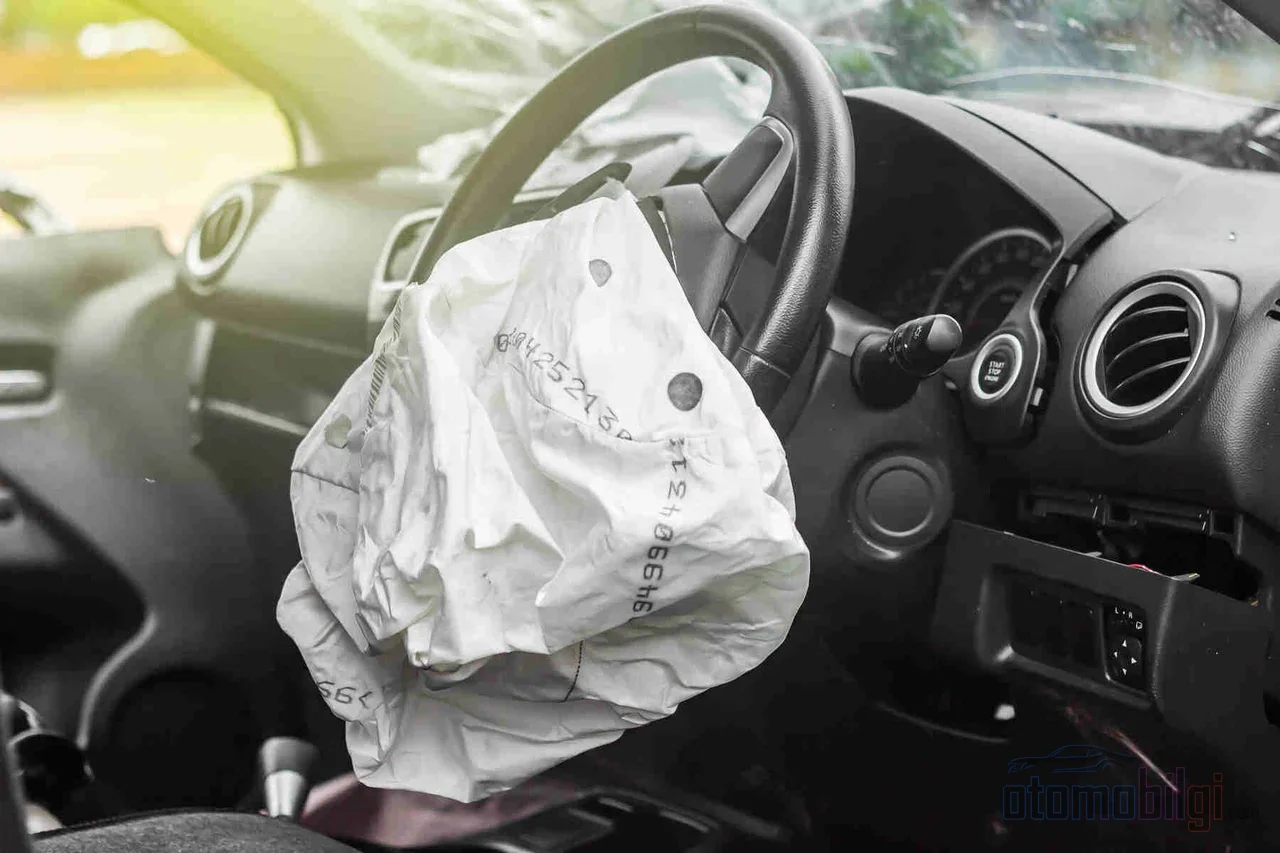
The best safety system is one that prevents the accident from ever happening; resorting to the airbag means accepting the collision.
Where Does the Line Between Passive and Active Safety Begin?
Lütfi Mete Odabaşı15 October 2026

Passive safety is the sum of the systems (crumple zones, seatbelt, airbag) that reduce injuries during and after a collision; active safety is the name for the systems (ABS, ESC, brake assist, driver assistance systems) that try to prevent the accide…

Read More
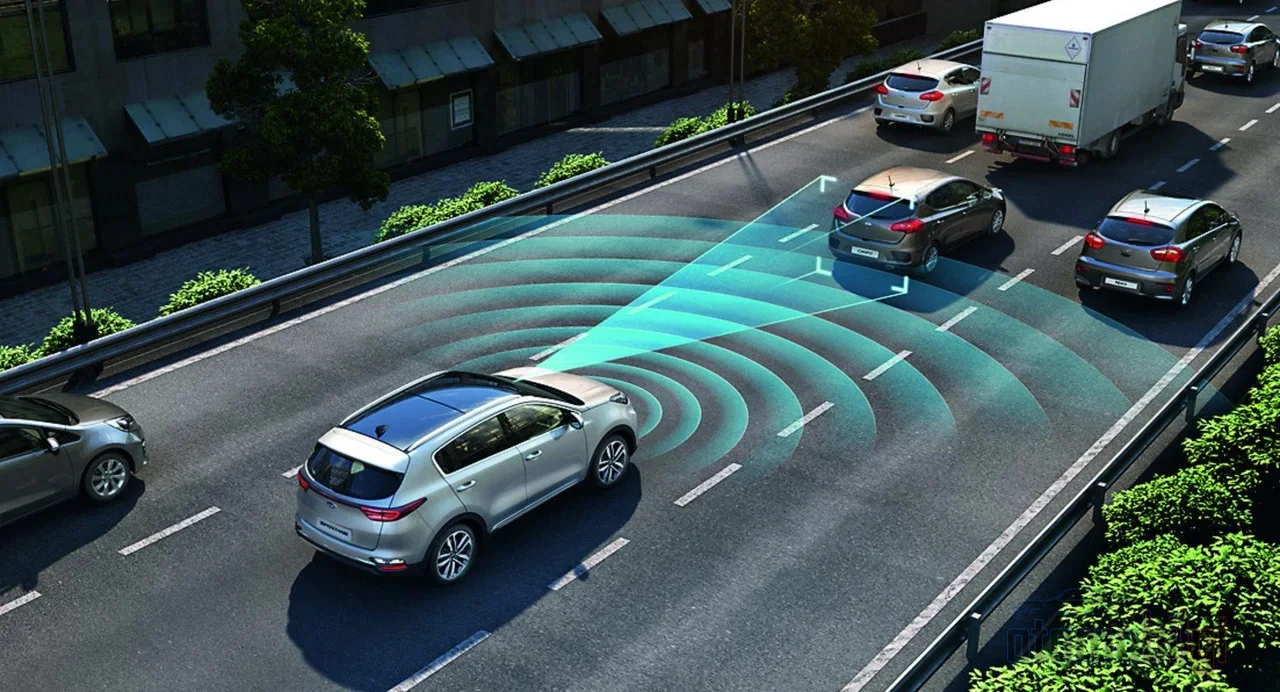
AEB doesn't survive an accident - it anticipates it in advance: it merges radar, camera and lidar data within milliseconds, and takes over the brake if the driver is late.
How Does Automatic Emergency Braking (AEB) Protect You from Collisions?
Lütfi Mete Odabaşı14 October 2026

Autonomous emergency braking (AEB) is an active safety system that combines data from sensors such as radar, camera and lidar to calculate collision risk within milliseconds, and takes over braking itself if the driver fails to react in time. In othe…

Read More
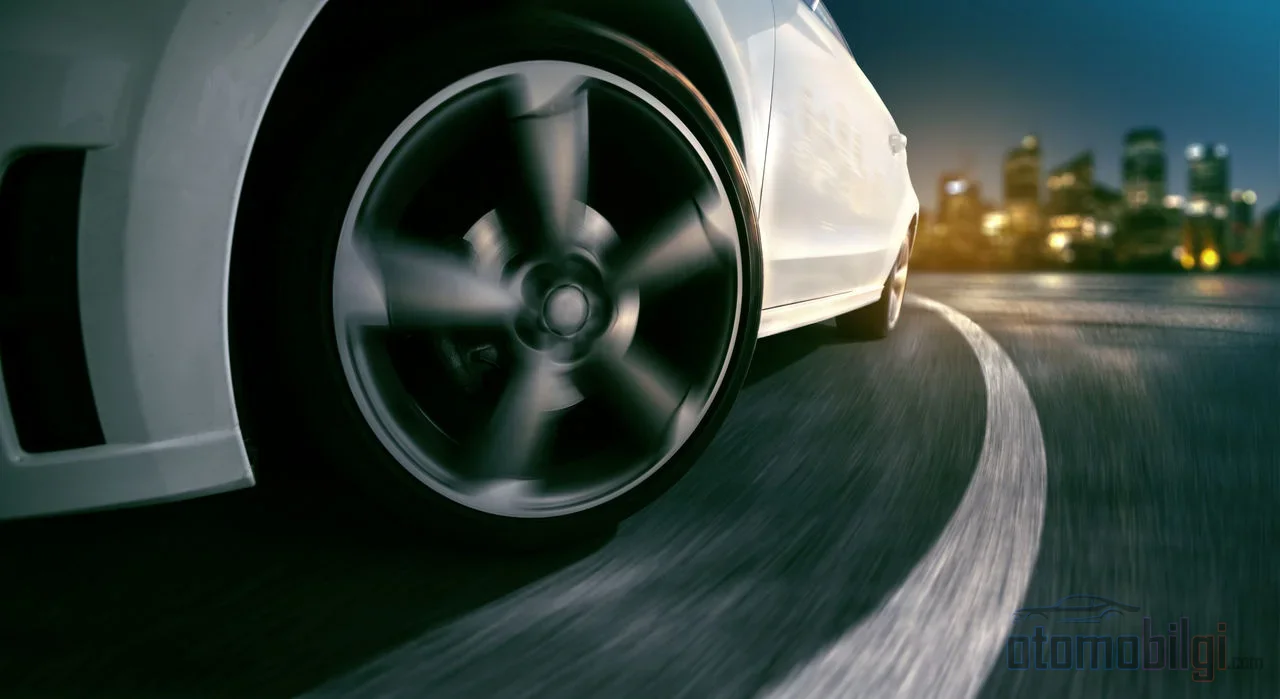
Traction control detects a spinning wheel within seconds and cuts torque, redirecting power back to the road.
How Does Traction Control Detect Wheel Slip, and How Does It Limit Power?
Lütfi Mete Odabaşı13 October 2026

Traction control (TCS) detects that a wheel is spinning freely and slipping during acceleration using data from the wheel speed sensors, and it regains lost grip by intervening with braking or engine torque reduction. ESC aims to prevent the car from…

Read More
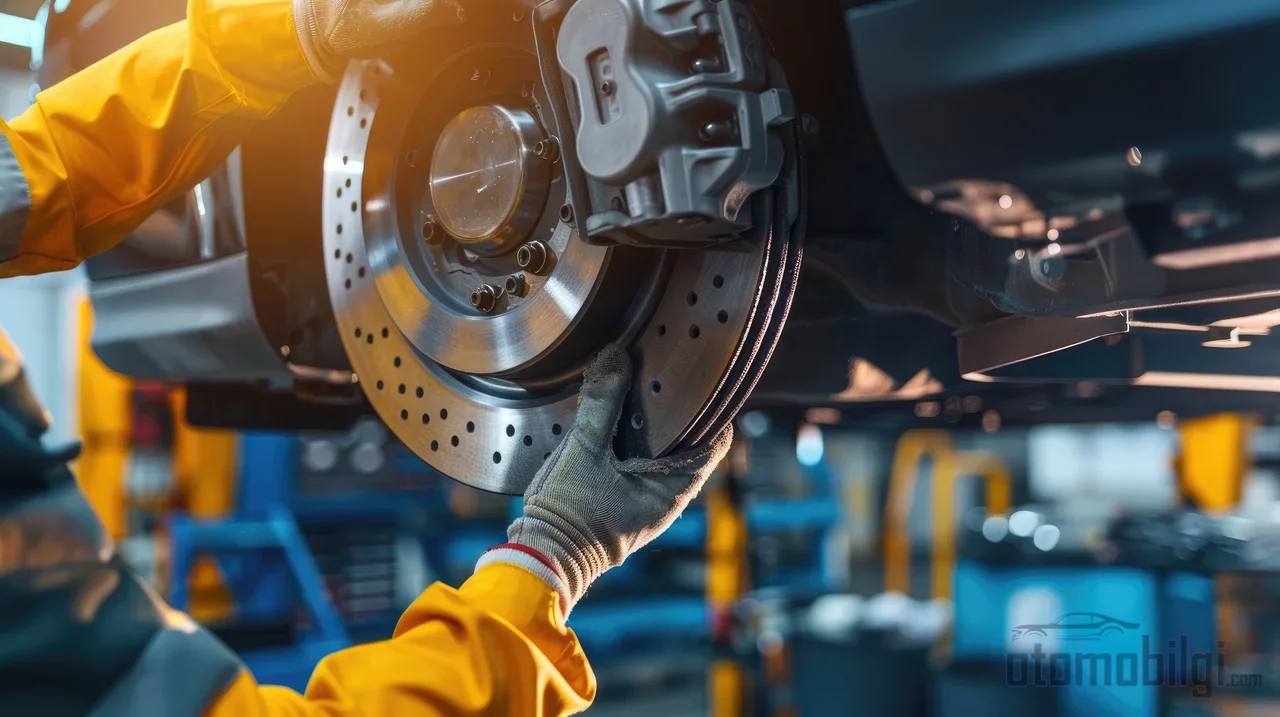
ABS is not a distance system, it is a control system: its job is not to stop you earlier, but to keep the steering in your hands.
What Replaced the ABS Locking Brake, and What Does It Save?
Lütfi Mete Odabaşı12 October 2026

ABS's job is not to shorten stopping distance on every surface; it is to prevent the wheels from locking during hard braking, allowing the driver to keep steering control in hand. On high-grip surfaces the distance may shorten or stay the same; on lo…

Read More
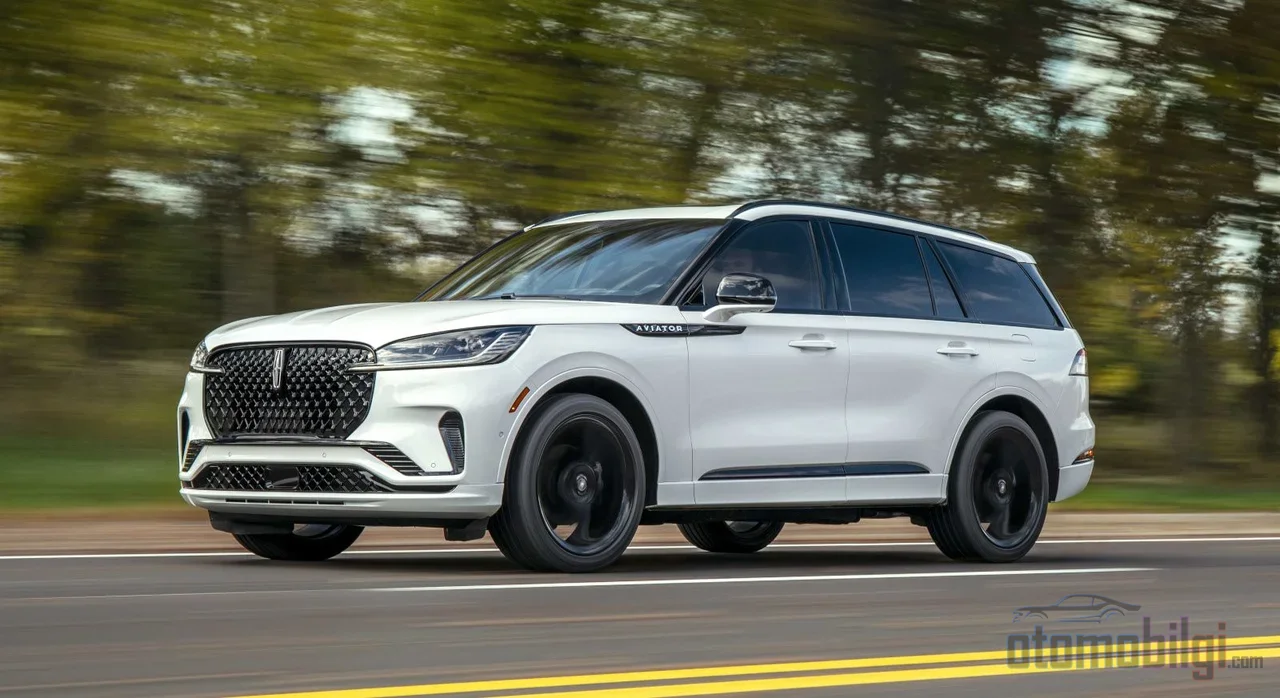
The airbag activates after the crash; ESP prevents the accident before it even starts and reduces deadly skids in SUVs by 70 percent.
How Does Electronic Stability Control Save You When Your Car Skids?
Lütfi Mete Odabaşı12 October 2026

Electronic Stability Control (ESC; known as ESP on some brands) is an active safety system that detects when the car begins to skid using wheel speed, steering angle, and yaw sensors, then corrects the trajectory by limiting engine power and braking …

Read More
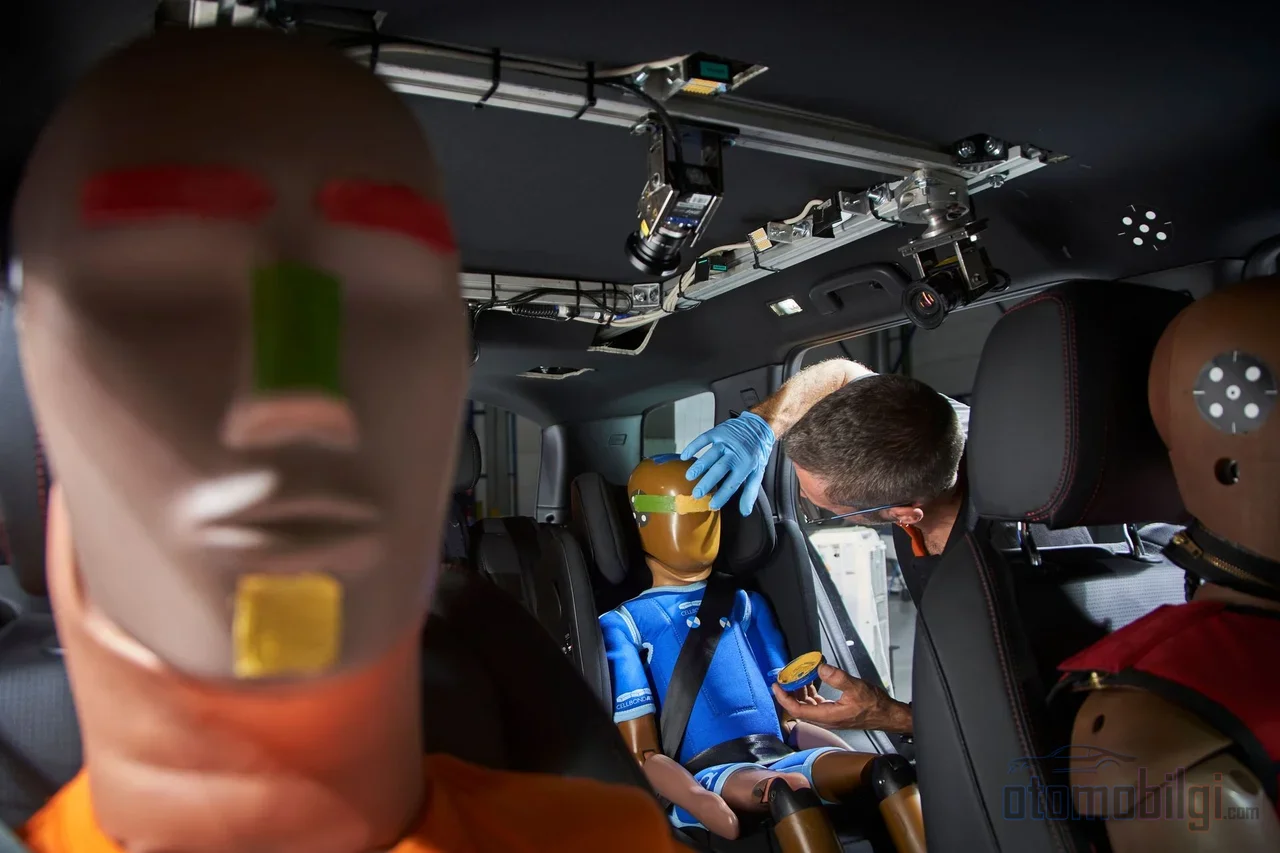
The star ratings from Euro NCAP crash tests summarize the safety record of vehicles on a scale of 0 to 5.
The Inside Story of Crash Tests and How Euro NCAP Stars Are Awarded
Lütfi Mete Odabaşı11 October 2026

The Euro NCAP star rating is a weighted evaluation of a car's crash protection and accident avoidance capability, summarized on a scale of 0 to 5 stars. In other words, those cars you see crashing and flipping over in videos are not the exam itself b…

Read More
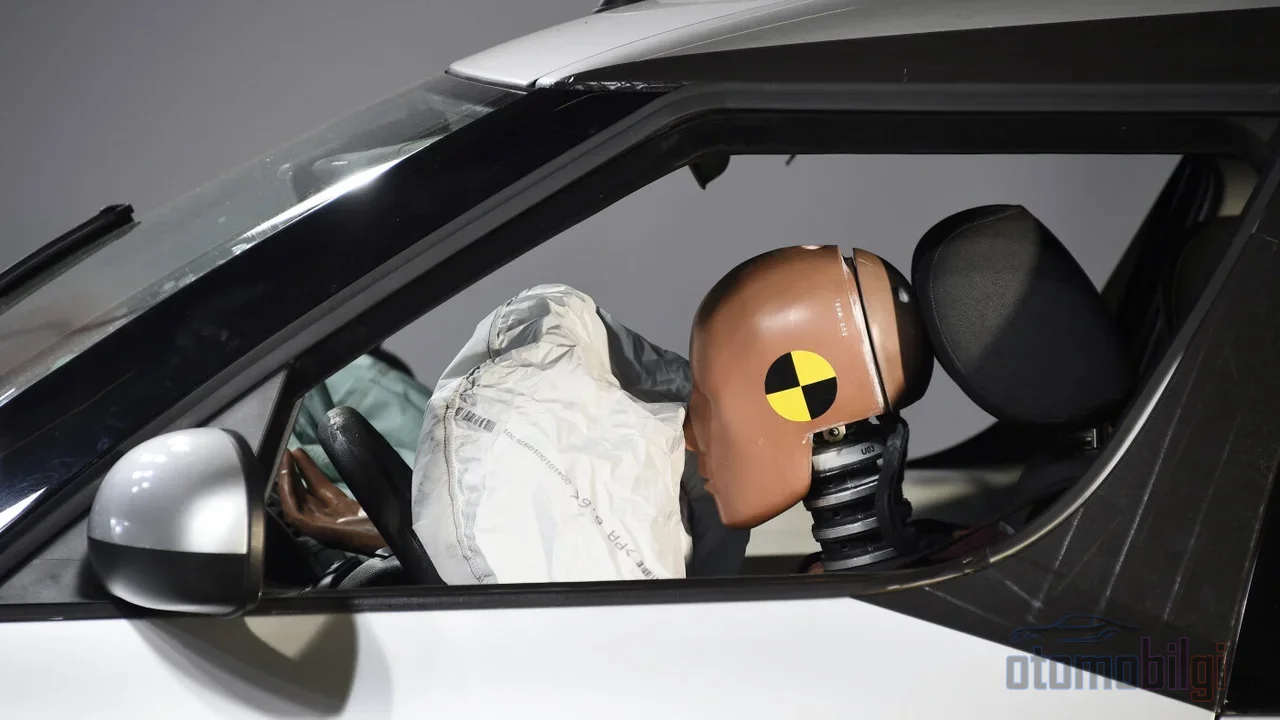
An airbag is not a miracle, but a flawless choreography measured in milliseconds: the sensor decides, the belt tightens, and the airbag saves a life in 50 milliseconds.
The 60 Milliseconds of a Collision: How Airbags and Seatbelts Work
Lütfi Mete Odabaşı11 October 2026

In the first 60 milliseconds of a collision, the following happens in sequence: sensors detect the deceleration, the control module makes the decision, the seatbelt pretensioner removes the slack, the airbag inflates within 15-50 milliseconds, and th…

Read More
  • Previous
  • 1
  • 2

Category Editor

Lütfi Mete Odabaşı

Lütfi Mete Odabaşı

A young, dynamic automotive and motorsport enthusiast who loves researching and learning. Mete adds value to our automotive news, information, and culture platform with a young person's perspective. He closely follows innovations in automotive technologies and developments in motorsport, turning what he learns into rich, useful content for otomobilgi.com.

Follow Us on Social Media

Share This Page

Follow Us on Social Media

  • About Us
  • KVKK Disclosure Statement
  • Privacy Policy
  • Contact
Otomobilgi.com
INDEPENDENT AUTOMOBILE CULTURE PLATFORM
Powered by Virgo CMS