Why Is the Color of Cars Not Just a Matter of Taste?
Share This Page
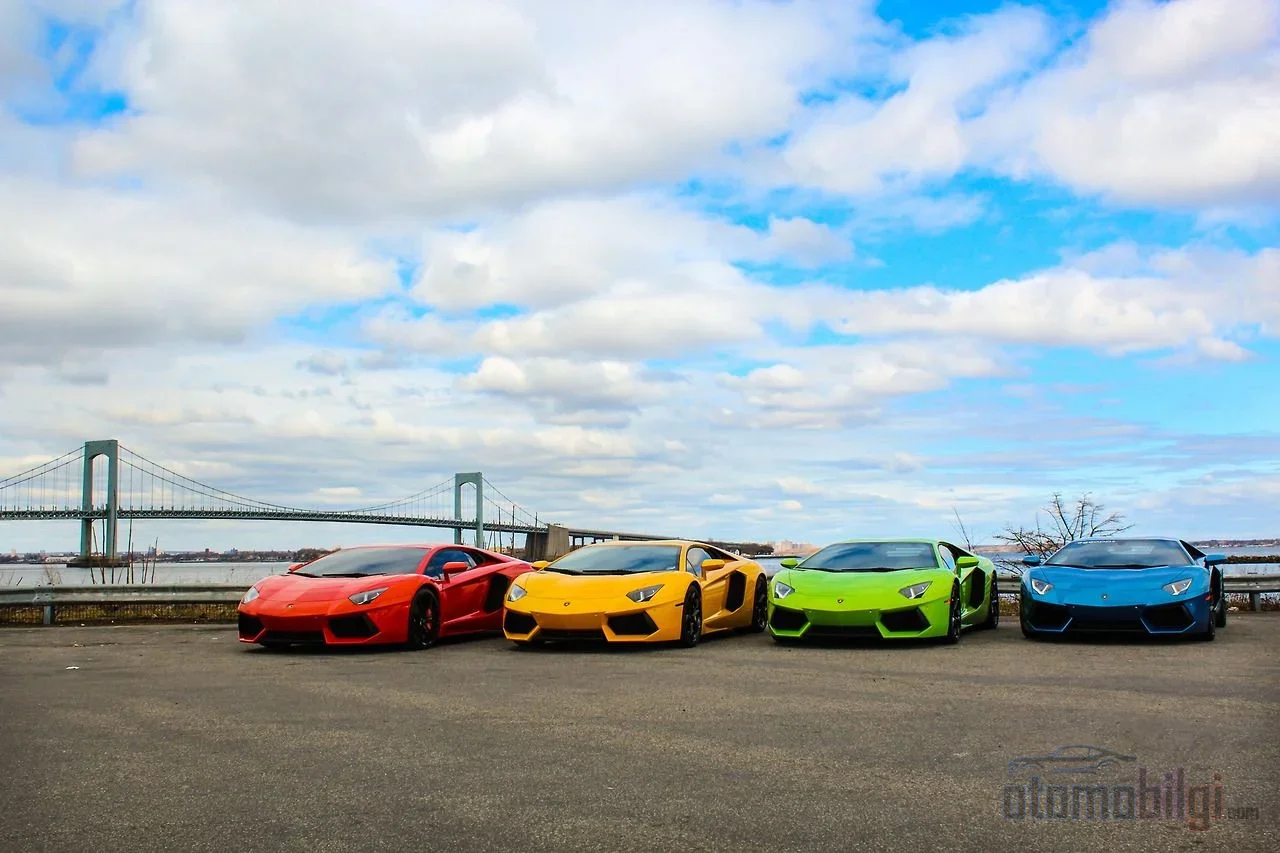
A car's color isn't just a matter of taste; it's a major industrial decision where many factors intersect, such as paint companies' annual trend reports, climate conditions, resale value, and buyer psychology. In other words, when you pick that orange one at the dealership, you're actually touching the final end of a multi-million dollar decision made years ago.
Highlights
- Approximately 80% of global sales are in neutral colors such as white, black, gray, and silver
- According to Axalta data, white 29% leads the world; black follows with 23%, gray with 22%
- In Türkiye in 2026, gray 41.6% took the top spot, ending white's leadership
- After 3 years, the color that loses the least value is yellow: the loss is only 24%
- Color can affect resale value over 3 years by more than 5,000 dollars
How Is a Car's Color Decided? Manufacturers' Color Selection Process
I think it's really fun to know this: a car's color isn't chosen by the person sitting at the design table saying "I'm feeling blue today." Automakers work together with giant paint and pigment companies like PPG, Axalta, BASF, and AkzoNobel. These companies publish trend reports every year; they develop color palettes fed by fashion, architecture, and even technology, and put them through the prototype stage together with manufacturers. Only then can a color that has received customer approval go out for road testing.
Even more interesting: every brand has its own distinctive tone and color palette. One brand's blue shines differently from another's, because that tone has been identified with that brand for years. Moreover, not every color suits every body. The shape of the body directly affects the shine and reflections; the same blue can look fiery on a coupe while appearing dull on a boxy body.
Fashion color or timeless color?
This is where the real tension begins. In the fashion world, colors change from top to bottom every year, but a car is not a product you can change after one season. Consumers plan to keep the vehicle for years and want it to look good years later. That's why timeless, safe classics come to the fore in cars. Still, trends aren't entirely empty: lately, subtle nuances in blue-green tones and understated, flat light colors are gradually making their way into palettes. Wearing a fashionable color on an outfit is cool; the color of the car you'll wear every day for seven years is a somewhat more calculated decision.
Why Are Most Cars White, Black, and Gray?
It looks boring from the outside, doesn't it? But when the numbers speak, the picture changes. Gray tones - white, black, gray, and silver - make up approximately 80% of global sales. In 2025 estimates, this figure rises to as much as 80.4%. In recent reports, white leads with 29%, followed by black with 23% and gray with 22%. Silver has risen to 14%, while blue stands at 7%. Not appetizing, but practical: neutral colors suit every vehicle type, appeal to a much broader pool of buyers, and make sales easier.
| Color | Global Market Share |
|---|---|
| White | 29% |
| Black | 23% |
| Gray | 22% |
| Silver | 14% |
| Blue | 7% |
The dominance of white is no coincidence. In temperate and hot climates, white reflects sunlight, making it advantageous both practically and in terms of performance; in these regions its market share reaches 35%. The general rule is simple: light colors win in hot regions, dark colors in cool climates. In the Asia-Pacific market, nearly half of all vehicles are white; pearl white in particular has become a classic there.
The role of psychology in color choice
Now let's get to the part I love most. More than 80% of buyers see color as a key factor in their purchasing decision. In other words, color is as serious a decision factor as engine power. The psychological readings are also exciting: white is a clean slate, conveying a sense of modernity and a fresh start - much like the aesthetic of sleek minimal electronics. Silver, on the other hand, evokes status and pragmatism. Two main factors are constantly weighed on the same scale: personal taste and ease of maintenance. Dark colors are stylish but show every speck of dust; white is unpretentious but a guarantee of looking clean.
There are also some interesting findings about gender differences: men choose yellow vehicles noticeably more often than women; women, on the other hand, lean more toward blue-green tones. So we always dream of a colorful world, but the wallet usually votes for the neutral side.
Does Car Color Affect Resale Value?
The short answer: yes, far more than you might think. An analysis of used car data shows that color can affect a vehicle's value after just 3 years by more than $5,000 In other words. The average vehicle loses 31% of its value in 3 years. But here's the dancing part of the story: the color that loses the least value is yellow (24.0%), followed by orange (24.4%). In other words, unconventional colors hold up better than conventional ones.
The reason is a very simple supply-demand balance. Over the past 20 years, vehicles have lost more than half of their color variety; because everyone buys vehicles in the same shades of gray, a surplus of neutral-colored cars has formed on the used market. A rare yellow or orange, on the other hand, retains its value because few people are looking for it and even fewer are sold. So the "safe" choice makes selling easier, but a rare color delights your wallet more. More than 60 consumers already cite color as an important factor when buying - so it's not hearsay, it's market reality.
Which Car Color Sells the Most in Türkiye?
Here's a surprise for you. The years-long dominance of white in Türkiye has come to an end: according to TÜİK data, of those buying new cars, 41.6% chose gray, 25.7% white, and 11.9% black. In other words, gray has taken the top spot, both for its classic and elegant look and for reducing the perception of dirt. Gray was also the leader among the more than 456,000 cars registered to traffic in the first half of 2026.
Even two years ago the picture was quite different: in the September 2022 data, 40% of sales were white and 28% gray. The rise of gray actually accelerated over just a few years. At the bottom of the list are green at 5.3%, red at 3.3%, and brown at 1.3%. The second-hand market has a similar vibe: white cars are still among the fastest-selling colors, because it's easy to sell a classic that everyone trusts. Meanwhile, for those curious, the fastest-selling model is also clear: the one that finds a buyer in an average of 39 days, the Fiat Egea.
Innovations in Paint Technology: Matte, Color-Changing, and Shimmering Surfaces
Now let's move on to the most forward-looking part of this piece. Matte paints have stood out in recent years as a very stylish alternative: since they don't reflect light, they give a calm, mysterious finish. But don't think it's a cheap trick - they accentuate imperfections and their upkeep is far more demanding than regular paint. There are also peelable paints and color-changing vinyl films: a somewhat lower-risk way to change your car's look without touching the permanent paint.
The real craziness, though, is in color-changing vehicle technology. A system developed at BMW's innovation center can change the hue of a car's exterior color. It is said to be based on E Ink and to consume power only during the color change - which means unlimited looks without the cost of repainting. Renault, for its part, aims to apply Renault 4 E-Tech two-tone paint using Jet Print Paint technology; that is, a method that could fundamentally change how two-tone body schemes are painted.
Trend colors standing out in 2026
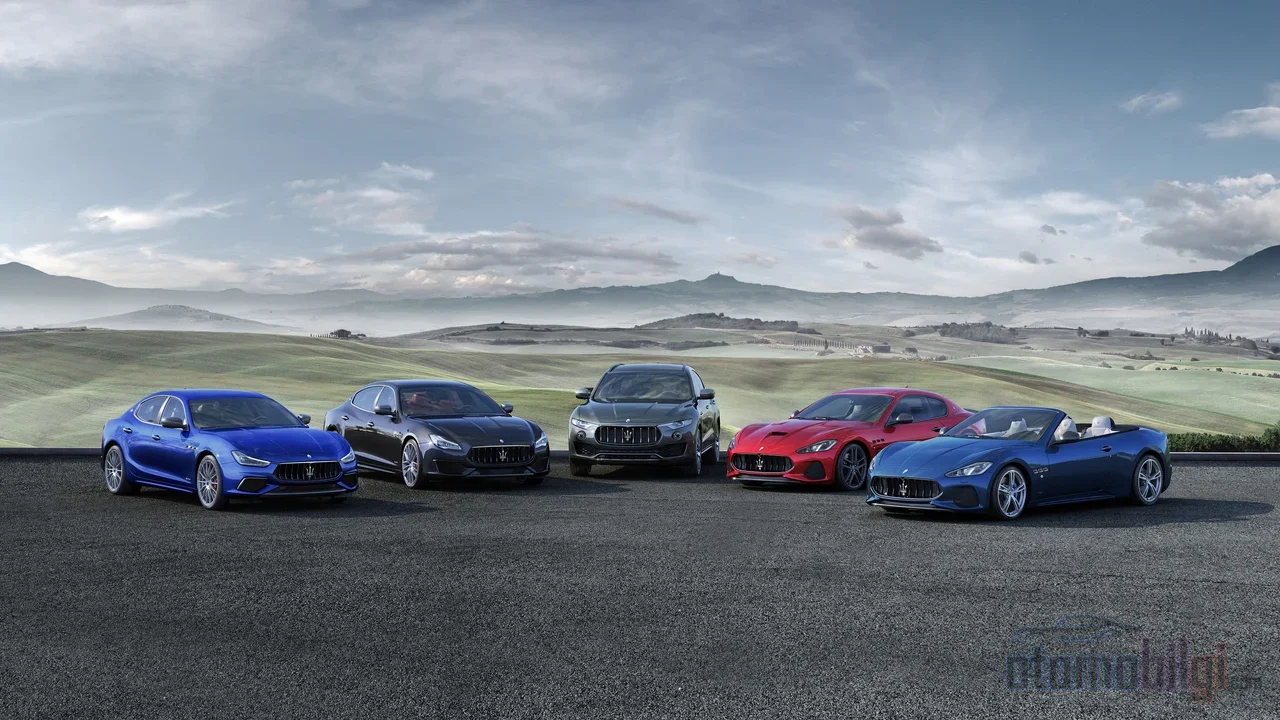
The palette for next season has already been announced. Axalta named its 2026 color of the year "Solar Boost": a warm orange enriched with champagne-colored flakes, evoking optimism and energy. BASF's regional proposals include a vivid blue with a greenish-purple shimmer, a warm metallic tone, and a culturally inspired dark brown. AkzoNobel offers a set of three different shades of blue: calmness, balance, and energy together. The most preferred tones this year, however, are soft gray, deep blue, and clean white - meaning the ones that are both eye-catching and practical win.
Paint companies especially emphasize one point: consumers want to individualize, and the shift toward expressive colors is growing. The picture in Europe is partly the same; roughly 70% of purchases are still in neutral colors, but Fiat 500 and Renault 5 emotional models are making themselves known with their colorful options. In other words, within the global sea of gray there is a small but bright resistance movement. I would very much like to see this movement grow.
Conclusion: The Color Decision Is Actually a Strategy Game
When choosing a car's color, you are not really deciding on your own; you are choosing the combined product of paint companies' trend analyses, the climate, the used car market, and personal taste. Neutral colors still stand at the center of the stage with their practicality and ease of resale, but the value retention chart for yellow and orange proves that being unusual is also an investment. So if it were up to you: safe white, or the yellow that will make you happiest 3 years later?
Sources
- Axalta Releases 2025 Global Automotive Color Popularity Report
- Axalta Announces Orange 'Solar Boost' as its 2026 Global Automotive Color of the Year
- Automotive Color Trends of the Year - Mankiewicz
- 2026 Car Color Trends - Accio
- Shades of success: Europe's Favourite car colours - JATO
- Car color impacts resale value - wusa9 (iSeeCars)
- The Unusual Car Color That Instantly Increases Resale Value - TopSpeed
- Matte Car Paint - Kelley Blue Book
- Türkiye's car color preference revealed - TÜİK
- Least preferred colors - TÜİK