Why Is Comprehensive Insurance for a Hybrid Car More Expensive?

Share This Page
The comprehensive insurance premium for hybrid cars is usually 15–25% more expensive than their gasoline equivalents; the main reasons are the vehicle's high market value, the expensive battery pack, the mandatory authorized service requirement, and delays in spare parts supply. In short, the insurer calculates the average cost of a claim on a hybrid vehicle as higher, and this difference is directly reflected in our premium. Below, we will examine step by step the concrete components of this difference, the problems you may encounter at the time of a claim, and effective ways to reduce your premium.
Highlights
- The hybrid comprehensive insurance premium is estimated to be 15–25% higher compared to gasoline vehicles.
- The cost of a hybrid battery pack in the US market ranges roughly 1,000–6,000 USD .
- The legal maximum repair time for a passenger car is 45 business days.
- Battery coverage is generally not standard in Türkiye; it requires additional coverage or an endorsement.
- In case of minor damage, not using the policy is the simplest way to preserve the no-claims discount.
Why is hybrid car insurance more expensive? Four concrete reasons
The most decisive factor in the comprehensive insurance premium is the vehicle's market value. The insurer calculates the maximum amount it will pay in the event of damage based on the vehicle's value; as the vehicle's value increases, so does the risk it assumes. Since hybrid models are sold at higher prices than equivalent gasoline vehicles, the starting point of the premium is already elevated. This is not a special policy of the insurance company against you, but a value-indexed pricing logic.
The second factor is the battery itself. The high-voltage battery pack is the most expensive single component of the vehicle and the insurer's biggest uncertainty in damage assessment after an accident. In the event of a battery failure, the replacement cost can even exceed the vehicle's entire second-hand value. This risk leads to electric and hybrid vehicle insurance being priced in more detail compared to conventional vehicles.
Repair restrictions and labor expertise
The number of services that can intervene in the high-voltage system of a hybrid vehicle is limited. From an insurance perspective, this means that the damage can only be repaired at authorized and specialized services, and therefore labor costs increase. The comprehensive insurance premiums of brands and models with high spare parts and service costs and difficult workmanship come out higher compared to other vehicles in the same price band. Insurance regulators abroad list the same trio: high vehicle value, parts requiring expertise, and battery repair/replacement cost.
Parts supply times
Hybrid-specific parts are not kept in stock at every dealership; for components such as the battery module, inverter, or dc-dc converter, supply times may be longer. The legal framework is clear: according to the After-Sales Services Regulation, the maximum repair time for passenger cars, light commercial vehicles, and motorcycles 45 business days. However, for the insurer, a long repair time means replacement vehicle costs and operating expenses. These indirect items also enter into the premium calculation.
Battery exclusions in policies
Here is the most misunderstood point: even if your comprehensive insurance premium is expensive, the battery may not automatically be covered. In Türkiye, battery coverage is generally not standard; it is added as extra coverage or by a clause in the policy. The charging unit and charging cables are also excluded, but can be added upon request. Extra coverages such as "battery protection coverage" especially raise the prices of comprehensive insurance for new vehicles. Moreover, range and capacity loss due to the battery's natural aging, as well as manufacturer recalls, are excluded from comprehensive insurance; these are matters of the manufacturer's warranty.
Where do comprehensive insurance prices stand in 2026?
2026 is being described as a year of transformation on the comprehensive insurance front: the rise of electric vehicles, the transition to personalized premium periods, and the spread of mini repair practices stand out. Comprehensive insurance prices for new vehicles average in the range of 15,000-45,000 TL deviations of 20-40% from these amounts according to driver profile should be considered normal. The basic factors increasing premiums are cited as rising vehicle prices, exchange rates, and growing spare parts costs.
| Vehicle | 2026 new vehicle comprehensive insurance range |
|---|---|
| Toyota Corolla 1.6 Vision | 17,000-22,000 TL |
| BMW X3 | 29,000-34,000 TL |
| Togg T10X | 32,000-37,000 TL |
| Tesla Model Y | 33,000-38,000 TL |
The lesson from the table is clear: the premium prices not only the market value but also the battery risk. The comprehensive insurance of electric models carrying large battery packs can exceed that of internal combustion equivalents at the same price. The comprehensive insurance value itself is determined for all vehicles, including hybrids, according to the officially updated comprehensive insurance value list updated monthly; the same list is used for both new and second-hand vehicles.
What awaits the hybrid owner in case of damage?
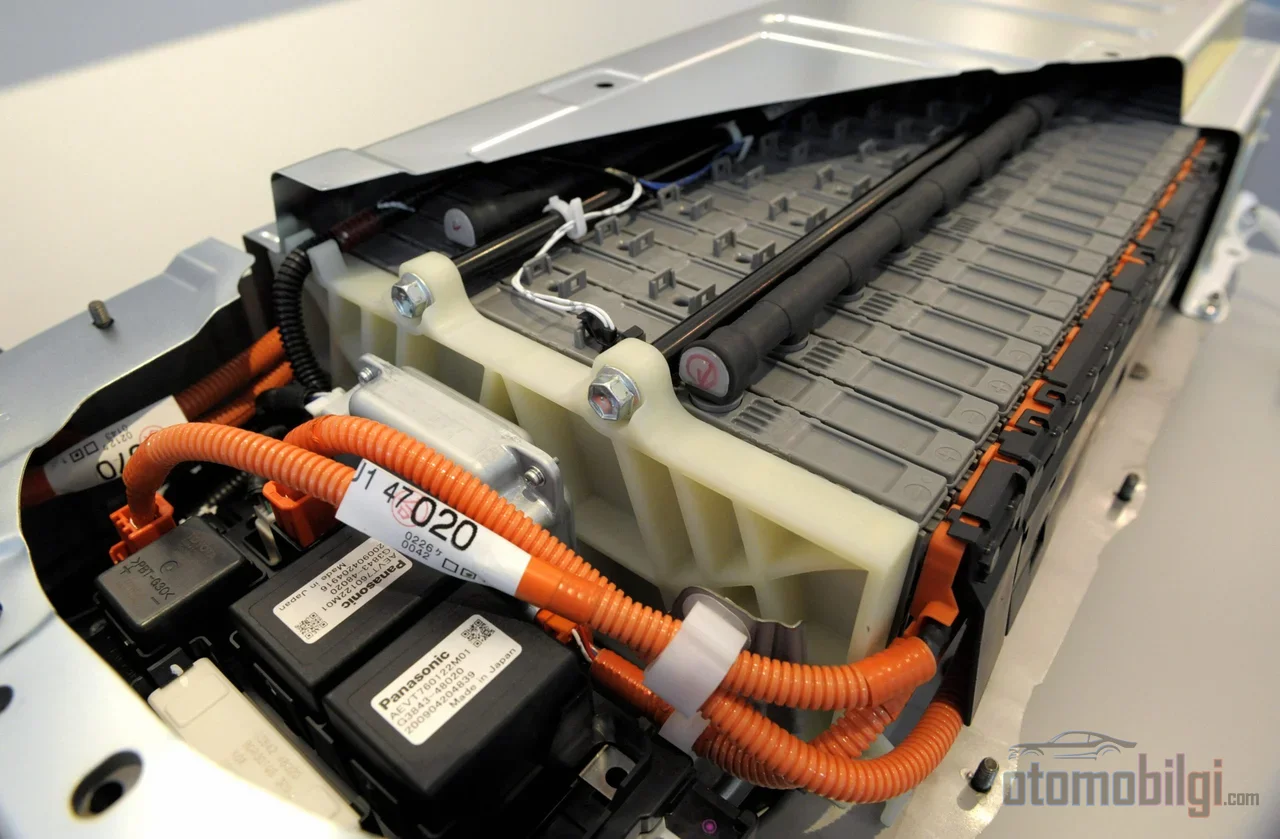
The process at the time of damage is largely the same as for other vehicles, but two additional variables come into play with hybrids. First, inspection of the high-voltage system during the appraisal: in impacts to the front bumper area, the chassis, or the underbody, whether the battery casing was affected is additionally examined. Second, the repair can only be performed at high-voltage certified service centers; this can extend the repair time and the need for a replacement vehicle.
If battery replacement is involved, the picture is more delicate. A new hybrid battery pack is priced across a wide range depending on the market and model; in the US market this amount is approximately 1,000-6,000 USD Reconditioned batteries offer a lower upfront cost but carry uncertainty in performance and lifespan; which option will be approved in an insurance damage claim depends on the policy terms.
Here the line between the manufacturer's warranty and comprehensive insurance needs to be clarified. In Türkiye, high-voltage battery warranties for hybrid and electric vehicles vary by brand but are generally around 8 years Toyota also offers the Extended Hybrid Battery Assurance: for hybrids over 4 years/85,000 km and not yet 10 years old, if the vehicle passes the Hybrid System Check successfully, the battery assurance is extended up to 1 year/15,000 km extended. Service data supports that Toyota hybrid batteries can last 12-15 years in real-world use. In short, an aging battery is the warranty's job, not the comprehensive insurance's; comprehensive insurance covers accident-related damage. Even after the warranty period expires, the manufacturer or importer is legally obligated to provide maintenance and repair services for the vehicle's lifetime.
Things to watch for in inspection, damage record, and tramer queries
When buying a used hybrid or renewing a policy, three checkpoints are critical. First, battery history: having records of any battery replacement, repair, or warranty work performed on the vehicle is an advantage in terms of both price and safety. The expertise report must clearly state the battery health, warranty coverage, and exclusions; warranty transfer and coverage exclusion conditions vary by vehicle.
The second point is the damage record query. Using the license plate or chassis number, you can learn the comprehensive insurance history, damage history, ownership status, and changed part information via e-Devlet, the SBM web query page, the 118 90 Alo Damage Call Center, or by sending an SMS to 5664. Query fees may vary between channels; preferring official channels (e-Devlet and SBM) is the safest path in terms of both cost and accuracy.
Third is the no-claims discount: starting at 30% in the first claim-free year, the discount can rise to 65% over the years. You can transfer the no-claims right you earned from your previous vehicle to your new hybrid. Also, mini repair applications (scratch and minor dent repairs) do not break your no-claims status. Hybrids are in high demand in Türkiye's used car market; this suggests that the effect of the tramer record on vehicle sale value is no less than that of gasoline vehicles.
Ways to reduce hybrid comprehensive insurance premium
You cannot completely eliminate the premium difference; but there are items you can control. These directly make a difference in your policy:
- Protect your no-claims status: Do not use the policy for small damages such as scratches and minor dents; each use lowers your discount the following year.
- Consider deductible comprehensive insurance: By covering 1-2% of the damage yourself, you can obtain a significant premium discount.
- Review the service option: The "independent service authorized" option lowers the premium; the "authorized service only" statement increases the premium. With hybrids, make this decision together with battery risk.
- Multiple policy discount: Combine your traffic, home, and health policies with the same company; starting comprehensive insurance the same day as registration also provides an advantage.
- Remove unnecessary coverages: Eliminate additional coverages you do not use; in the early years, consider a mini comprehensive insurance alternative instead of full coverage.
- Use the driver profile: Single driver declaration, occupation discount, and safety equipment such as an immobilizer or tracking device lower the premium.
As for battery protection coverage, weigh the cost-benefit balance according to the vehicle's age: for a young vehicle still under warranty, this coverage is in most cases an unnecessary expense; for an out-of-warranty, high-mileage vehicle, the increase in the premium can be thought of as insurance against possible battery damage.
Is there a special hybrid comprehensive insurance policy, and for whom does it make sense?
No, a separate insurance product is not needed for a hybrid vehicle; a standard policy handles hybrids through the same process as other vehicle types. The difference shows up in the policy's price and additional coverages. For a buyer at the decision stage, the practical formula is this: when getting premium quotes, compare with the same set of coverages, request in writing whether battery coverage is standard or extra, and in a second-hand purchase be sure to verify the battery health in the inspection report and the warranty transfer terms. When the premium difference is evaluated together with the hybrid's fuel savings and second-hand demand, it leaves a balanced picture in most scenarios; what matters is not paying the difference blindly, but knowing what you are paying for.
Sources
- The Factors That Increase Comprehensive Insurance Premiums the Most in 2026
- A Guide to Comprehensive Insurance for Hybrid Cars
- New Car Comprehensive Insurance Prices 2026
- What Are the Factors Determining Comprehensive Insurance Prices and Coverage?
- What Does Hybrid Car Comprehensive Insurance Cover? Coverage Guide
- Toyota Hybrid System Inspection and Hybrid Battery Guarantee
- When Does a Hybrid Vehicle Make Sense? - 2026 Decision Guide
- How long does a hybrid vehicle battery last?
- Electric Vehicle Insurance 2026: Battery Coverage Guide
- Electric Vehicle Insurance Rates – NAIC
- Hybrid Battery Replacement Cost – AutoZone
- After-Sales Services Regulation
- Comprehensive Insurance Policy and Damage Information Inquiry – e-Devlet
- Inquiry via Web – SBM
- Comprehensive Insurance in 2026: What Awaits Vehicle Owners?
- What Should You Look for When Buying a Used Hybrid Vehicle?