What Kind of Test Does a MotoGP Rider's Body Face in Every Race?
Share This Page
A MotoGP rider's body experiences the absence of both the gym and the steam room at the same time over the course of a race: for 45 minutes, the heart rate fluctuates in the 190–200 bpm range, roughly 2 liters of fluid are lost through sweat, and on a machine reaching 350 km/h, the neck, abdomen, and arms work muscle by muscle in every corner. In other words, MotoGP is not just a test of courage; it is also a physiological limit test of the human body.
Highlights
- Jorge Martín revealed that his heart rate stayed ~200 bpm throughout the race.
- In an average race, a rider loses about 2 liters of sweat; the loss can reach up to 4 kilograms.
- Carbon brake discs 1000 °C can withstand temperatures up to; under hard braking the discs can reach 850 °C.
- The cardiovascular load of rider-inertia squash is compared to the sport of; it is greater than football and tennis.
- A 2025 study showed that MotoGP riders' hand grip strength is higher than that of riders in other categories.
Why Does the Heart Stay at 200 bpm Throughout the Race?
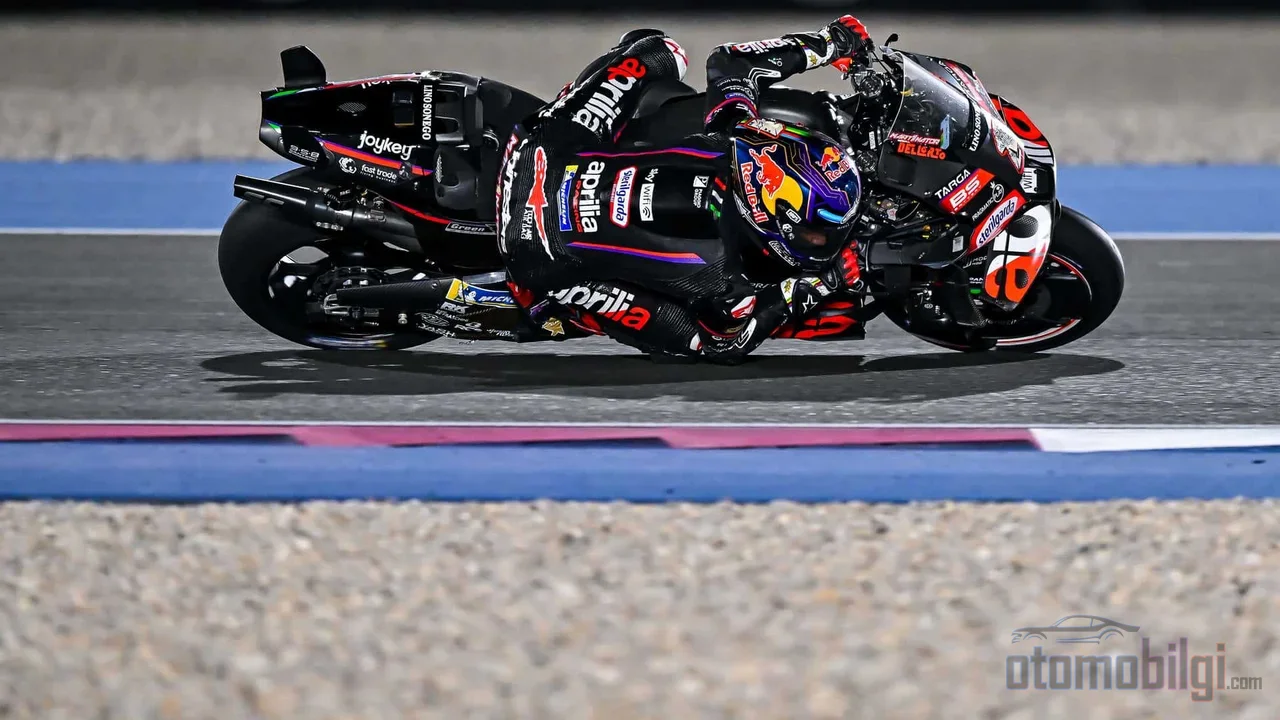
Normally, even during an intense cardio workout, it is surprising for the pulse to exceed 170–180. In MotoGP, however, things are on another level: during a race lasting roughly half an hour, it is routine for the heart rate to fluctuate between 190 and 200 bpm. This means an average of nearly 90% of the estimated maximum heart rate. Riders like Jorge Martín say their pulse hit 200 in post-race data; and this is not a sprint, but a full-distance race.
So does this pulse come only from muscular effort? That's the interesting part. There are two different engines raising the heart rate: one is physical load - helmet, leathers, braking muscles, heat. The other is mental load. Anxiety, excitement, and the sense of danger fire up the sympathetic nervous system, hormones flood into the bloodstream, and the pulse hits its ceiling without waiting for the legs to tire. A marathon runner can manage their pulse at a steady pace; a rider is negotiating with both their body and their adrenaline at every moment.
There is also a subtle side effect: under thermal stress, even if the effort remains the same, the pulse keeps rising disproportionately. This is called cardiovascular drift, and it is one of the main architects of early fatigue. Think about it: your pulse rises on the treadmill without you changing your pace at all. That is exactly what the rider feels toward the end of the race.
Meanwhile, the question "are riders really athletes?" was once a subject of humor; not anymore. In terms of cardiovascular load, riding in MotoGP is compared to the sport of squash - a greater strain than football and tennis. It used to be thought that "courage is enough, physical effort is minimal"; today, riders are regarded as true athletes.
45 Minutes in the Steam Room: Sweat, Salt, and Weight Loss
On a hot race weekend, the rider's enemy is not only the rivals; their own leathers are too. Leather suit, undersuit, boots, gloves, helmet... the rider is almost completely sealed, and this protective armor blocks heat from escaping. The body starts sweating to cool down, and this is where it turns into a physics lesson: in an average race, a rider loses about 2 liters loses sweat profusely. Some sources mention weight loss of up to 4 kilograms in under an hour; the widely cited figure in the motorcycle press is that losing 1.8-3.2 kg of water becomes routine in hot conditions.
Body temperature needs to stay ideally around 36.5 °C, and maintaining that balance on hot tracks requires serious engineering. On tracks with hot conditions, the body sometimes cannot achieve thermal balance at all; that is, heat production exceeds the heat being shed. This is called "uncompensable" heat stress, and it is not a problem the rider experiences just by sitting and doing nothing.
A good example of how seriously a team takes this: a MotoGP team, in collaboration with a scientific institution, equipped a rider with wireless sensors; heart rate, core/skin/helmet/suit temperature, dehydration level, hand grip strength, and even reaction time and memory tests were measured in real time. The results showed clear cardiac stress and neuromuscular load during races, a thermal load that could likely even affect cognitive performance.
This data is extremely valuable to us in rider training and protective gear development.
Neck, Arms and Abdomen: The Body Works Muscle by Muscle in Braking Zones
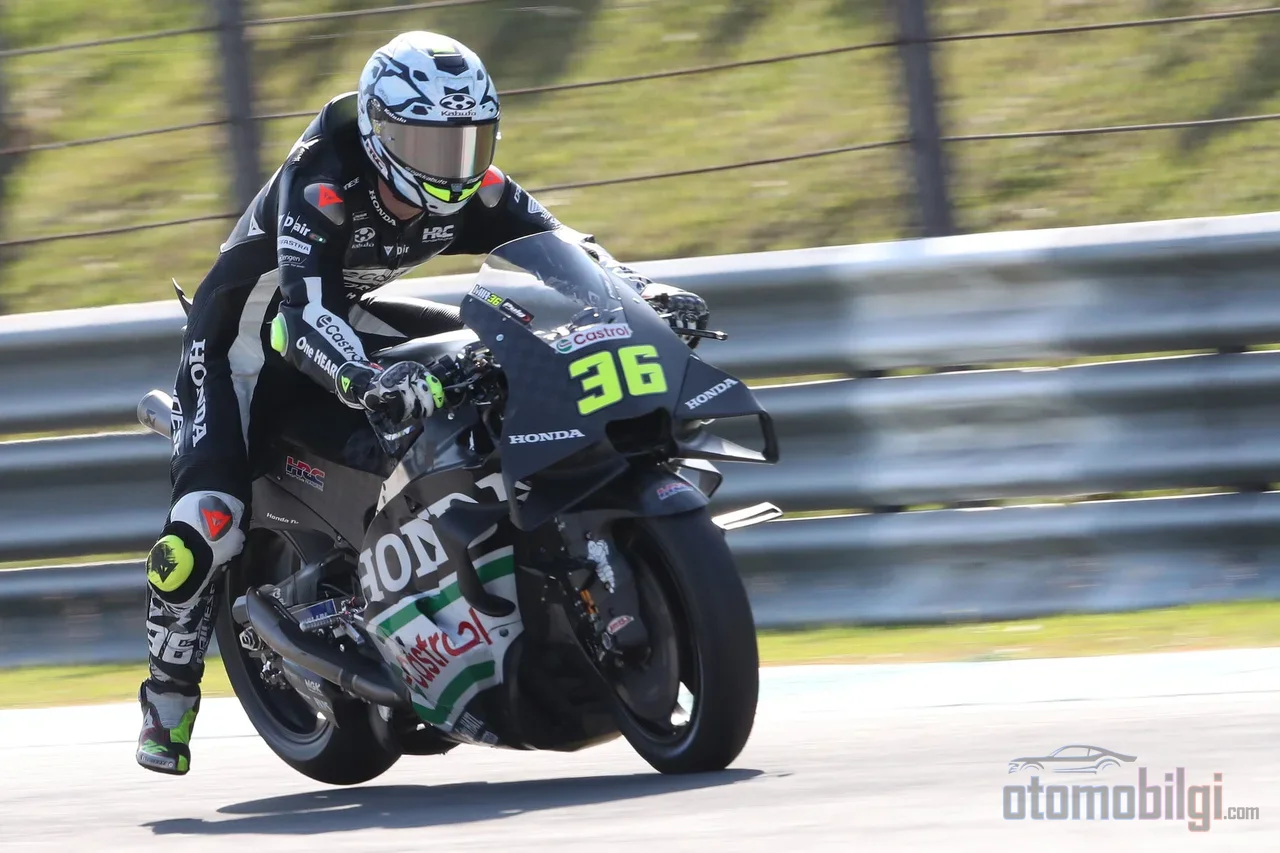
From the outside, the rider appears to simply "stand" on the motorcycle. In reality, at every corner exit and braking zone, the body works like one giant muscle block: a balanced position is achieved through the isometric contraction of the neck, abdomen and legs - that is, without shortening, through constant tension. Under hard braking, the entire torso braces like a wall against the forward force. Moreover, energy demand increases as the race progresses; the reason is most likely the muscles engaging more and more to maintain balance.
As for the hands... The left hand controls the clutch, while the right hand manages the front brake and throttle. So both hands are on constant duty. A 2023 scientific study confirmed this with numbers: the left and right forearm grip strength of MotoGP riders came out measurably higher than riders in other categories. The top category's demands are, quite literally, in our hands.
One side of the machine also heats up like hell: carbon brake discs can withstand sustained temperatures of up to 1000 °C; under heavy braking, disc temperatures climb to around 850 °C. There is no direct data on whether the rider's physical load is directly affected by brake heat; the main heat load lands on the body through ambient temperature, the heat retained by protective gear, and the heat radiated by the motorcycle. But even these numbers are enough to convey just how "hot a workplace" they are working in.
How Do Riders Prepare for This Load? Conditioning and Neck Training
Now comes the real question: How do riders prepare in order to pay this price? The answer is not a single workout; it is a cocktail.
- High-intensity cardio: Getting the heart rate up to race level and training the body to hold it there. Some trainers introduce high heart rates to the body with 10 km fast running sessions.
- Cycling: Ideal for training heart rate regulation at different tempo intervals. The muscle strength and flexibility to control a machine weighing about 160 kg with around 280 horsepower are a must.
- Strength and neck training: Weight training continues all year long to make the body and neck resilient against braking and acceleration forces.
- Reflexes and flexibility: When speeds reach 350 km/h, a small mistake can be fatal; reflexes and flexibility are like survival equipment.
- Mental focus: We mentioned above that the second engine that raises the pulse is the mind; that is why mental exercises are also part of the training.
One of the coolest details: some pilots train their body's response to oxygen deprivation with free diving, that is, breath-holding exercises. While you look out the window, they are negotiating with their lung capacity. Meanwhile, let's admit it: science hasn't always kept pace by running. For a long time, pilots and trainers had to discover the right training areas on their own due to the lack of scientific data; and teams were reluctant to share experimental data because it could give rivals an advantage. So some techniques were born in the gym through trial and error.
Post-Race Recovery: How Do They Repair Their Bodies?
The checkered flag coming down doesn't mean the pilot's job is over; in fact, the body's accounting department is just opening. The first item is fluids and salt: What is lost through sweat is not just water, but electrolytes too. That is why it is recommended to replace roughly 500-700 ml of fluids and electrolytes for every pound lost immediately after the race. If rehydration is delayed, muscles and concentration don't postpone the bill.
Active recovery, sleep, and acclimatization
Recovery is not just lying on a couch and drinking water. The approach stands on three pillars: active recovery - gently cooling down the muscles with a light jog, cycling, swimming, or walking; absolute rest and sleep - the body's main repair shift works here; and hydration and nutrition - replenishing the lost fuel. It is estimated that full neuromuscular recovery after an effort at race pace can take 2-7 days; that is, everything between Friday practice and Sunday's race is planned.
There are also smart moves against the heat. Heat acclimatization - for example, one hour of daily exposure to 50 °C heat combined with race simulation - has improved driving and psychomotor performance in rally drivers. Although direct data for MotoGP under race conditions is still limited, daily acclimatization throughout the week before a race is seen as a practical method. A strategy of lowering core body temperature before the race is also used: a pilot who feels cool at the start gets an early head start on the heat credit. On the teams' side, solutions turn to engineering: pilot cooling systems and cooled helmet prototypes are being tested in laboratories. Tomorrow's MotoGP's fastest thing may not be just the engine; the coolest pilot can win too.
So What's the Difference from a Marathon Runner? A Final Comparison
A marathon runner manages their pulse in a single rhythm for over two hours; a rider does the same job with choppy efforts, pushing their pulse to the maximum in half an hour and straining the body in every braking zone. Add heat shielding, mental pressure, and 350 km/h speeds on top of that. On social media, claims circulate that "a MotoGP rider's heart rate is more extreme than an F1 driver's"; official comparative data is limited, but the numbers within each sport - 200 bpm pulse, 2 liters of sweat, 1000 °C brake discs - already whisper the story. Do you think it is still possible to say someone paying such a price is "just riding a motorcycle"? I don't think so anymore; this is an athletics show performed on two wheels.
Sources
- Monitoring Moto GP rider's physiological strain - Aspetar Sports Medicine Journal
- Heart rate in MotoGP: a heart of steel - Box Repsol
- How Do MotoGP™ Riders Train? - MotoGP.com
- Race Workload and Strength Profile of MotoGP World Championship Riders - PubMed (Espí-López, 2025)
- Why Do MotoGP Bikes Use Carbon Brakes? - MotoGP.com
- The Physics of MotoGP in Extreme Heat - Motorcycle.com
- Aprilia's MotoGP Rider Cooling System - Cycle World
- How does a MotoGP rider keep cool in the Malaysian heat? - MCN
- How Do MotoGP Riders Stay Fit - BikeDekho
- 10 Things You Should Know About MotoGP - IntentsGP