How Has the Sprint Race Format Changed the Weekend in MotoGP?
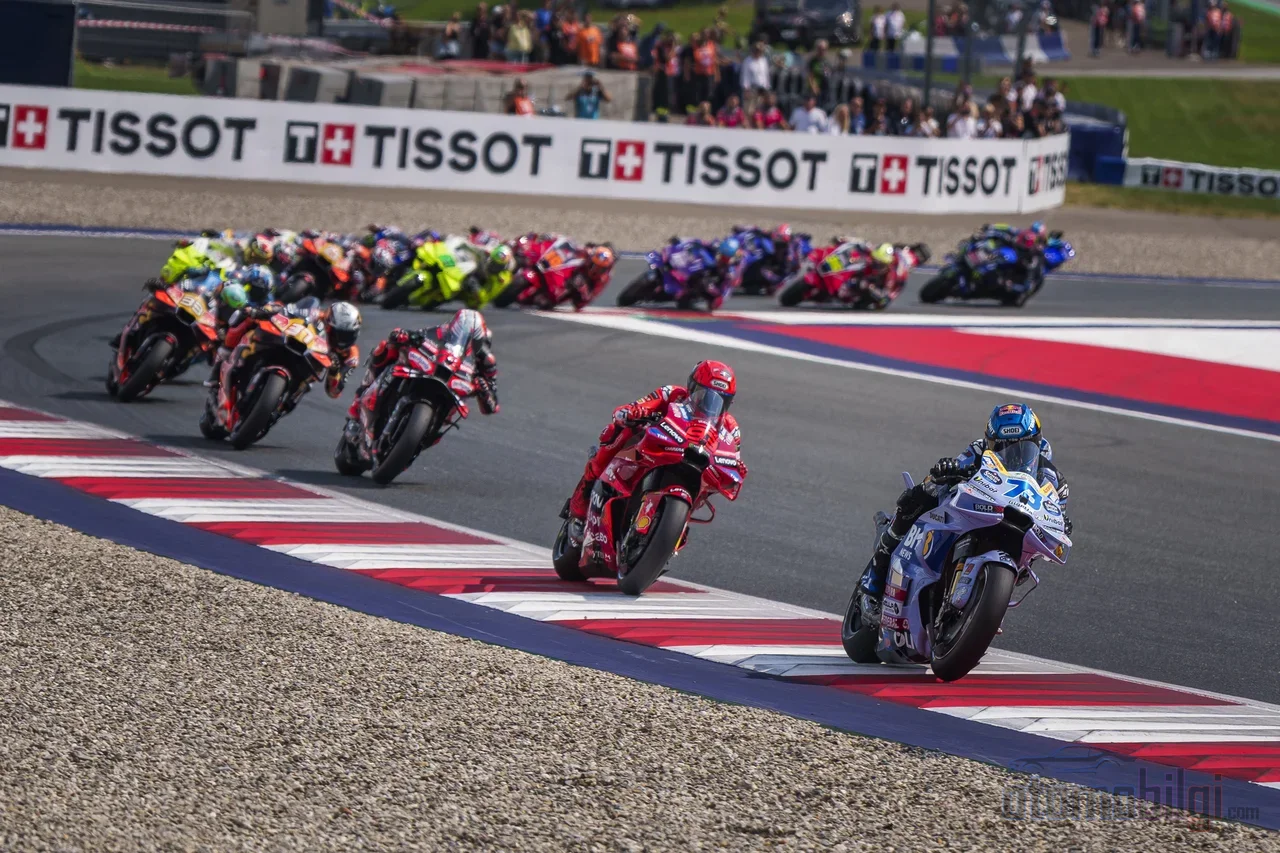
Share This Page
The MotoGP sprint race, established in the Saturday afternoon slot of every Grand Prix weekend since 2023, is a short-format race about half the length of the main race and averaging around 20 minutes. Half the fuel of Sunday's race, a maximum of 37 points across a weekend, and a single qualifying session... In short, the format turned the weekend into two separate races and rewrote the championship calculations from scratch. Now let's break down this change in full detail.
Highlights
- The first Tissot Sprint was run at the 2023 Portuguese GP, with Francesco Bagnaia as the winner was run, and its winner was Francesco Bagnaia
- Maximum points that can be collected in a single weekend: 37 (12 Sprint + 25 race)
- Fuel limit in the Sprint: 12 liters, compared to 22 liters
- in the full race
- Sprint wins do not count as Grand Prix wins In 2024, Jorge Martín won the championship through Sprint consistency by a margin of 10 points
What Is a Sprint Race and Why Was It Introduced?
Imagine you're in front of the TV on a Saturday afternoon, thinking you'll have to wait two hours, but MotoGP offers you a 20-minute race that's full-throttle from start to finish - no tricks involved. That's the core motivation of the Sprint. Officially named the Tissot Sprint, it was permanently added to all Grands Prix in the 2023 season and began being run at 3:00 PM on Saturday. The goal is very clear: to offer fans, both at the track and on screen, a better show every day. The FIM also states that it aims for the Sprint to deliver the "best experience" on every day of the weekend.
When it comes to distance, it's simple: the Sprint is about 50% the length of the main race. While a standard full race lasts 40-45 minutes, the Sprint usually finishes in 20 minutes. So you can even turn it on during a movie without taking a break, without creating a scene. But this brevity doesn't mean luxury either: the margin for error over a short distance is nearly zero, because you have no time to recover from a bad start.
How Does Sprint Scoring Work and How Does It Affect the Championship?
There's an interesting imbalance in the points system, and I believe it was done intentionally. The Sprint winner gets 12 points , second place 9, third place 7 , and points run down to ninth place (9th position gets 1 point). In the full race, the classic system applies: 25, 20, 16... points are distributed down to fifteenth place. That's why even if a rider wins on Saturday, the gap doesn't close if they fail to win on Sunday. And to avoid confusion, there's a clear rule: Sprint wins do not count as Grand Prix wins and are not a tie-break criterion in case of a points tie.
| Position | Sunday Race | Sprint |
|---|---|---|
| 1. | 25 | 12 |
| 2. | 20 | 9 |
| 3. | 16 | 7 |
| 4. | 13 | 6 |
| 5. | 11 | 5 |
| 6. | 10 | 4 |
| 7. | 9 | 3 |
| 8. | 8 | 2 |
| 9. | 7 | 1 |
If you'd like to examine these ratios in detail with comprehensive tables, you can check out our separate page where we explain the points system from start to finish; there we discuss how the system never changed from 1993 to 2023 and how the Sprint disrupted it. As for the championship side: 22 GPs were run in 2025 and the theoretical maximum total for a season is 814 points. So Sprint points are now a serious slice of the pie, and a rider who ignores them is losing ground in the championship race.
How Did the Weekend Format Change?
Where the Sprint is at least as influential as the race itself is the rhythm of the weekend. Saturday is no longer just a "pre-race preparation day," but a battle day in its own right. The schedule works like this:
- Friday: A 45-minute FP1 and a 60-minute Practice. The top ten from Practice advance directly to Q2.
- Saturday: A 30-minute FP2, followed by 15-minute Q1 and Q2 sessions, then the Sprint.
- Sunday: A 10-minute warm-up and the main race at 2:00 PM.
The critical detail is this: a single qualifying procedure determines both the Sprint and the Sunday race. So the result of the Sprint run on Saturday has no effect at all on Sunday's grid. The fastest rider out of Q1 starts from 13th place. This doubles the weight of qualifying sessions, because the position you set in a single lap is the starting point for both races. That's why Friday Practice has become a timed session, and the risk of an unrepresentative lap has structurally decreased. In the past, there were riders who would wake up on Saturday morning saying "let's see how qualifying goes"; now, everyone is playing to advance to Q2 from Friday evening onward.
There are also technical differences specific to the Sprint: the fuel limit in the Sprint is 12 liters (22 liters in the full race), and the track limits violation penalty threshold in the Sprint is 3, compared to 5 on Sunday. But the rest of the rules fall under sporting regulations that are exactly identical to the full race.
How Does the Sprint Affect the Sunday Race and Championship Calculations?
The most striking example in my opinion comes from the 2024 season. That year, Jorge Martín won only 3 full races ; Bagnaia, on the other hand, recorded a full 11 to his name. So how did he become champion? On the Sprint side, they each took 7 wins, but Martín reached the podium 16 times in Sprints and collected a full 43 points more than Bagnaia on Saturdays. Bagnaia's superiority on Sundays was balanced out precisely by these Sprint points, and the championship went to Martín by a 10-point margin. This is the clearest example showing that the Sprint is no longer a side event but part of the main storyline.
There was similar drama in the 2023 Valencia finale as well: Martín won the Sprint to cut the gap to Bagnaia to 14 points, but Bagnaia won the Sunday race and rescued the championship. So points lost on Saturday can be compensated on Sunday, but this isn't always possible.
The Sprint can absolutely change the outcome of the championship... You can't say "I'll wait for Sunday" - you may have already lost too many points.
Another point Brivio emphasizes: in the Sprint, the start is everything, because coming back is nearly impossible. Also, in his view, it's a different game where "you can play everything without worrying about tire consumption." Although the Sprint result doesn't affect Sunday's grid, it provides data: Bagnaia observed the weakness of his rear tire grip in the 2023 Portuguese Sprint and used that information for his tire choice in the Sunday race. So the Saturday race works like a test track for Sunday's strategy.
Tire and Physical Fatigue Balance: How Much Load Is Put on the Rider?
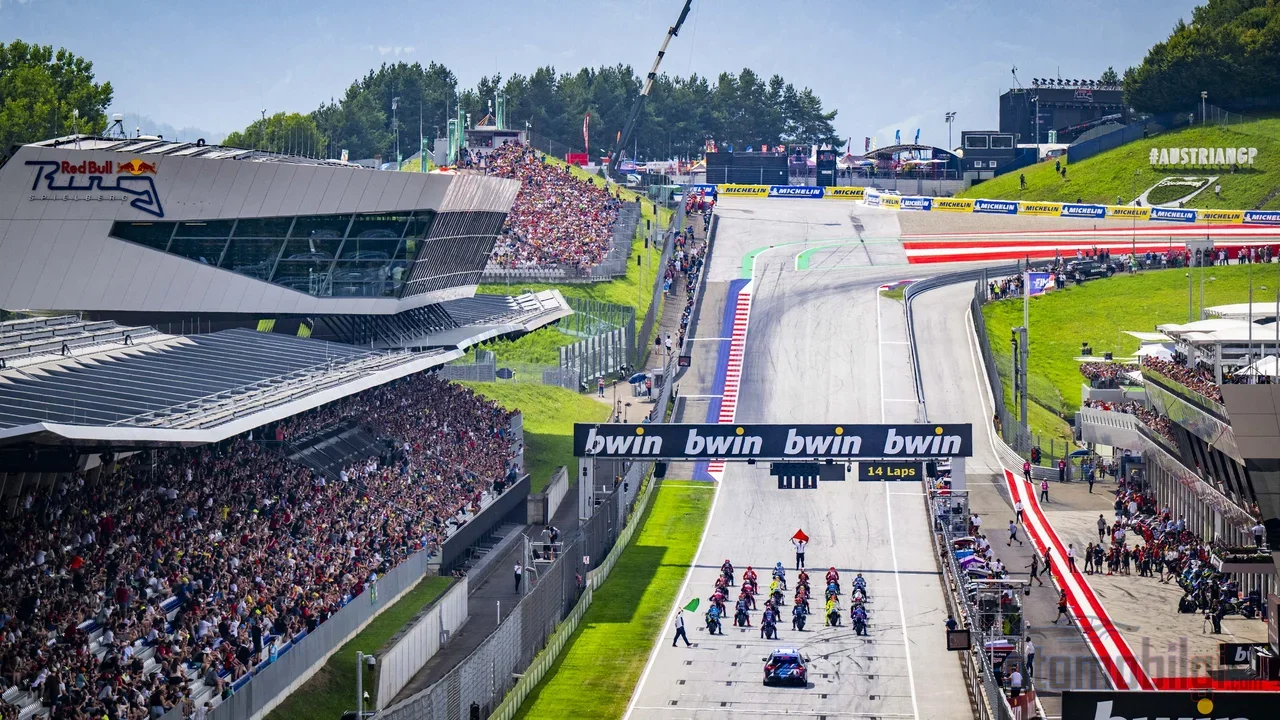
In the Sprint, the short distance means limited tire wear and physical fatigue, but in return riders have to be more aggressive. There is no moment to breathe; the entire 20 minutes is spent at full intensity. Think of it this way: it is like taking a footballer who normally prepares for a 90-minute match and sending him out twice on the weekend for 20-minute full-pace runs. The physical and mental load of the Saturday-plus-Sunday doubleheader also shapes the riders' winter preparations.
On the tire side, a new rule comes into effect in 2026: riders must run at minimum pressure for at least 30% of the laps in the Sprint and at least 60% in the main race. This rule drew strong criticism especially from the KTM camp, and Michelin's change of the hard rear tire after the Motegi Sprint was also a talking point. So while tire management matters less in the Sprint, tire-related debates never end.
How Do Riders Approach the Sprint and Where Is the Format Heading?
Every rider's approach to the Sprint is not the same. Some see Saturday as a championship points bank and take maximum risk on every lap; others proceed a bit more cautiously in the Sprint to protect Sunday. But Martin's 2024 campaign shows that the "lose Saturday, win Sunday" strategy is no longer a luxury. On forums and social media, people debate how the top 5 would change if Sprint points were removed, and some even propose awarding full points to both the Sprint and the race. So the debate over the format is still hot.
There are also changes ahead: 2027 sees MotoGP introduce a separate 15-minute Sprint Qualifying (SQ) on Friday, with the current Practice session removed. The new schedule: FP1 45 minutes, FP2 30 minutes, SQ 15 minutes (Friday); FP3 20 minutes, Q1 and Q2 15 minutes each, with the Sprint starting from the SQ grid. Also, in 2027 the tire supplier changes from Michelin to Pirelli; at the Misano tests, test riders tried 7 different tire sets and did a Sprint simulation, and the first feedback was positive. Giving the Sprint its own qualifying session may slightly reduce the hidden qualifying pressure on Saturday, but removing the effect of practice sessions on qualifying is also creating debate among fans.
And of course there is the fan side: looking at MotoGP from Türkiye, we can say that sprint races have both changed viewing habits and completely redefined what Saturdays mean for the segment of fans following Toprak Razgatlıoğlu taking his place on the grid with Prima Pramac Yamaha in 2026. Do you think Saturday has stopped being a race day, or has it become even more fun? I definitely think the latter.
Final Word: Saturday Is No Longer the Same Day
When the sprint race arrived, many people said "sport has been ruined for the sake of the show," but the 2024 championship showed us something else: a rider who manages the Sprint well can become champion even if he wins less on Sunday. Although a 12-point Saturday victory is not worth a 25-point Sunday victory, it gained overwhelming weight in the championship mathematics. The format will change again in 2027; until then, Saturday afternoons will remain MotoGP's sharpest, most brutal, and most exciting 20 minutes.
Sources
- What is the MotoGP™ Points System? – all you need to know
- How Does a MotoGP™ Sprint Race Work?
- What is a MotoGP Sprint Race?
- What are the MotoGP™ Rules? – A complete overview
- Sprint races to be introduced at all Grands Prix from 2023
- MotoGP confirms 2027 weekend format changes
- MotoGP 2026 – Q1, Q2, Sprint and more explained
- KTM Harshly Criticizes the MotoGP Tire Pressure Rule
- Michelin Made Major Tire Changes After the Motegi MotoGP Sprint