Where Do Film Companies Get Their Stunt Cars From?
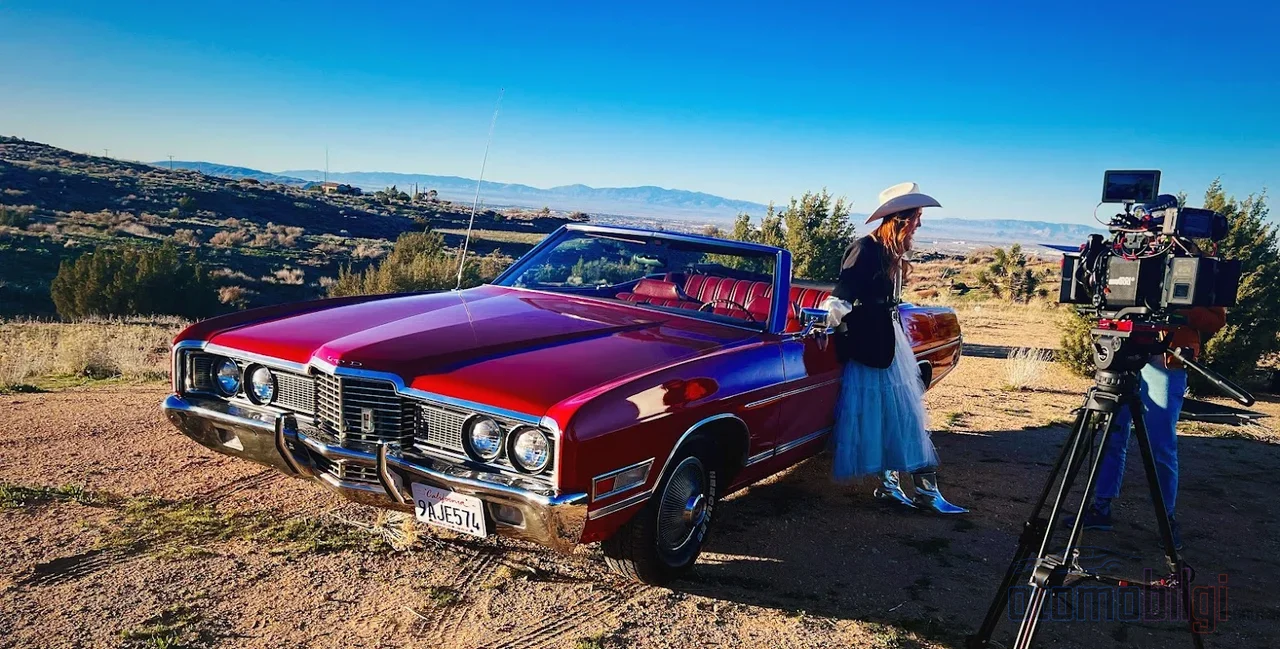
Share This Page
Film companies source their scene cars from three main channels: specialized picture car rental companies, private owners and collectors who lend their vehicles to sets, plus the in-house studio fleets of major productions. Not every vehicle that appears on camera gets there by chance; it's the result of a meticulous sourcing process extending from script analysis to director approval.
Highlights
- Giant rental companies operating fleets of more than 4,000 vehicles are active in Los Angeles.
- A typical scene's car rents for around $250 per day; some owners can charge up to $500.
- A street scene set in 1985 can require 30-50 period-appropriate vehicles.
- Giant supplier Cinema Vehicles was founded in 1975 and has been in the industry for over 40 years.
- When filming wraps, the vehicles are usually quietly put up for sale or donated to museums.
What Is a Picture Car? The Invisible Heroes of the Screen
The term picture car, derived from the English phrase "motion picture" meaning a movie, refers to any vehicle that appears in front of the camera: films, TV series, commercials, music videos, even photo shoots. Picture it in your head: that dirty van in the chase scene of your favorite movie - that's a picture car too. And how that van got there is a story far more organized than you'd think.
The industry categorizes vehicles by their roles, and each role has its own requirements:
| Type | Role | Key requirement |
|---|---|---|
| Hero car | The lead actor's vehicle, close-ups | Must be cosmetically flawless |
| Background car | Traffic filling street scenes | Period accuracy; 30-50 vehicles for a single scene |
| Stunt car | Crash, jump, and drift scenes | Lightened and reinforced replicas |
| Camera car | Filming vehicle carrying the camera | Invisible on screen |
The reason multiple copies of stunt vehicles are made is actually very simple: they can be smashed to pieces in every take. So that famous collision doesn't have just one version - it has five or six versions, each one rebuilt for the next stunt.
Vehicle Coordinator: The Vehicle Detective on Set
There's a profession responsible for sourcing, preparing, and managing all these vehicles on film sets: the picture car coordinator, or vehicle coordinator. Coordinators usually work closely with the props team - the prop master responsible for all the accessories on set. In major productions where vehicles are central to the story - Baby Driver, Mad Max: Fury Road, Fast & Furious - this job even turns into a separate career branch called "vehicle coordinator."
The workflow operates in four steps:
- Script analysis: The period the story takes place in, vehicle type, color, working headlights, even special license plate requirements are determined.
- Request list: The requirements are sent to rental companies.
- Selection: The vehicles are reviewed with photos, and director approval is obtained.
- Preparation and delivery: Cleaning, detailed maintenance, license plate changes, light modifications if needed - then off to set.
Think about it: if a movie character lives in the 1980s, every vehicle on screen needs to be from that era. The coordinator's job is precisely to make sure of that: making sure a 2010 model car doesn't accidentally end up in the frame.
Hollywood's Vehicle Rental Giants
The backbone of the industry is large rental companies established solely for this job. One of the best known is Cinema Vehicles, founded by Ray Claridge in Van Nuys in 1975, which began working with major productions within two years. The company operates in North Hollywood and Atlanta today; it supplied vehicles for productions such as Fast and Furious, The Hunger Games, The Avengers, American Sniper, The Big Short and Crash. Beyond renting out its inventory, it also has a fully equipped fabrication department: graphics work, upholstery, paint. So if a vehicle needs to be converted for a scene, the entire job is handled under one roof. The company also works directly with production teams for brand placement.
Another major player in Los Angeles is Malibu Autobahn: a fleet of more than 4,000 vehicles across more than 15 categories. Classics, muscle cars, lowriders, military vehicles, JDMs, supercars... Whatever you need, it's sitting on their shelf. Picture Car Warehouse supplied vehicles for dozens of films, commercials and TV series: Rush Hour 3, The Bucket List, Grindhouse, Taxi and The Runaways are among them. Film Fleet, a family business run in Texas, offers full-scale production rentals; meanwhile, Movie Cars serves as both a picture car company and a coordinator for TV, film, press, advertising and events across the country. A Philadelphia-based firm is also known for producing restored-body cars it calls "Curb Cars" for the film and TV industry. In 2026 guides, Revolution Picture Cars, Cinema Vehicles, Picture Car Warehouse and USA Movie Cars are listed among the most preferred suppliers.
Collectors: When Your Own Garage Moves to Hollywood
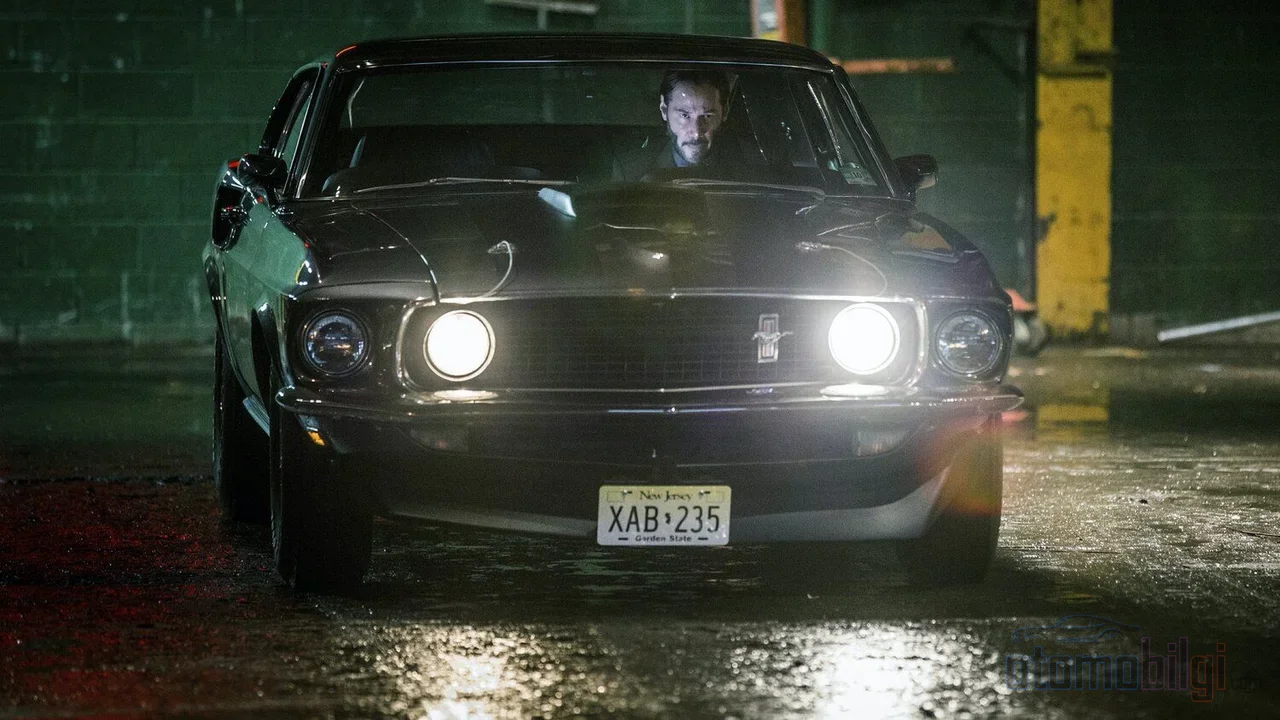
So where do vehicles not in the giant warehouses come from? This is where collectors and individual vehicle owners step in. Vehicle owners can register with several picture car companies; the companies usually handle the process on the owners' behalf. There are also platforms like DriveShare that connect classic and vintage vehicle owners with productions - even delivery and pickup arrangements included. Older vehicles are rented from private owners, automobile clubs and specialized companies; when damage or restoration is needed, the studios cover the cost. Some owners say they have earned extra income from their cars, trucks and motorcycles this way for years. There are even examples of a vehicle scout reaching out directly to local vehicle owners for a series set in the 1980s.
But not every collector opens their door. Some have special cars they absolutely will not rent to studios, and there are more than a few who claim the deals in the old days were better. A vehicle coordinator from within the industry put it this way:
If you love your car, don't rent it to a studio.
That sentence really sums up a serious debate in the collector community. On one side are those who emphasize the risk of cars getting worn out on set, on the other are those who see renting as "smart extra income." Both views make sense - it comes down to how attached you are to your car.
Studio Fleets and What Happens After Filming Wraps?
Alongside rental companies and private owners, the third source is the major studios' own fleets. In big-budget productions where cars are central to the story, studios buy or build some vehicles directly - this is especially common for hero and stunt cars.
So what happens to these cars once filming ends? It may not sound romantic, but most production cars are quietly put up for sale once the credits roll and the lights go out. There are luckier scenarios for hero and prop cars, too: being gifted, sold, or placed in a museum. So a famous movie car displayed in a museum today might once have sat with a "for sale" sign while gathering dust in a warehouse.
How Much Do Prices Run? The Numbers of the Set Economy
The daily rental rate for an ordinary car is around $250; demanding owners can push that figure up to as much as $500 a day. For a historical comparison: in 1991, around $200 a day was paid for a car driven by the lead actor or a featured vehicle - roughly twice what background cars earned. So what we call the "featured vehicle premium" has been around for decades. Given that today's $250 figure covers ordinary cars, it isn't hard to guess that hero cars' prices are still well above that.
What is considered when choosing a rental company? Fleet size and variety, camera-ready condition of the vehicles, set protocols, union rules and logistics experience, proximity to the filming location, and fast response. There's no such thing as "we have cars, that's enough" - film sets are places that run on quarter-coin-thin timelines.
How Are Scenes Shot? Behind the Scenes of Driving Scenes
Finding the car isn't the end of the job; showing that car in motion on camera is a whole different science. There are two main methods for driving scenes: the process trailer, meaning the car being filmed is carried on another carrier vehicle; and the more budget-friendly poor man's process - shooting while the car is stationary. In the traditional method, the car was brought into a studio, the windshield was removed, and the actors were filmed in the stationary car. In modern studios, green screens come into play; windows are lowered or removed entirely to reduce reflections. The next time you watch someone driving a car in a movie, remember this: that car is most likely being towed by a truck, and the "road" is actually a screen.
There is also the operations side: Productions keep mechanics on set so the vehicles stay running throughout the shoot. Because the golden rule of the set is simple: expect anything.
Can I Get My Car Into a Movie?
You are not the only one wondering - this is one of the most frequently asked questions by car owners. The roadmap is pretty clear: register with coordinators or work with picture car companies. And the interesting thing is, having an ordinary car is not always an advantage - unusual modified vehicles can be exactly what certain projects are looking for. For those asking where movies find these vehicles for past eras, the answer is yes: there really are warehouses that specialize in period-appropriate vehicles. The common belief that studios own all the cars they use is wrong; a mix of rental companies, private owners and studio fleets makes everything work.
Now if I asked you: do you have a car in your garage, or even if you do not, which movie vehicle would you want to park in your garage one day? I stopped writing Bond's Aston Martin long ago - everyone wants that one anyway.
In short, behind every car you see on screen there is a coordinator, a rental fleet, and sometimes a collector safely handing over their vehicle. Cinema is a dream industry, but the warehouses, invoices and insurance policies behind that dream are real. On your next movie night, take another look at the chase scene: now you know what is really going on there.
Sources
- Cinema Vehicles - Movie and Film Car Rental, Fabrication
- What is a Picture Car? The Complete Guide
- Picture Car Warehouse
- Film Fleet Motion Picture Vehicles
- Find the perfect Picture Car for your Movies & Videos
- If you love your car, don't rent it to a studio
- The Man behind the Machines - Ted Moser, Picture Car Coordinator
- Renting Your Car to Hollywood (1991)
- The one-stop shop where Hollywood gets its vehicles
- What Should You Know About Renting Cars for Your Movie
- Screen Time - How to Get Your Car in TV Shows and Movies
- What Happens to Movie Cars After the Wrap Party
- What is a picture car coordinator?
- Vehicle Coordinator
- Best Picture Car Rental Companies (2026 Guide)
- The 2 Ways To Shoot Car Scenes
- Car Scenes in the Movies
- Picture Vehicle Coordinators