Why and How Did the Rights to the Saab 9-3 Pass to Turkiye?
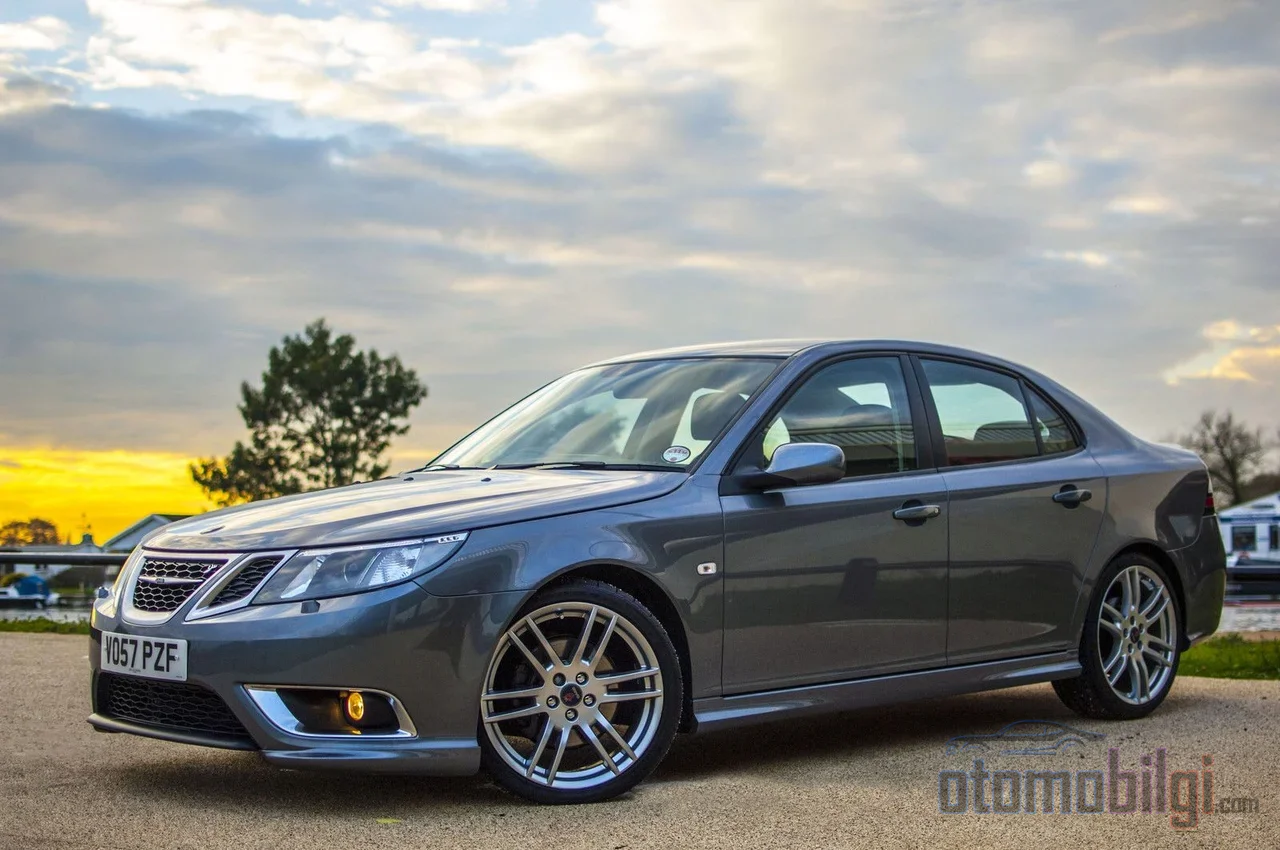
We all know Togg: The electric car from Gemlik, controversial perhaps, but one we're proud of. But let me tell you about a lesser-known move by the state, made a few years before Togg? In 2015, the Ministry of Industry purchased all the intellectual property rights to a model of a Swedish brand in crisis. In other words, a car's design, engineering, everything on paper. So why was this idea never announced to the world, and why did it never come off the production line? Buckle up, the story goes all the way back to 1961.
Why Did the Rights to the Saab 9-3 Pass to Turkiye?
On October 15, 2015, the Science, Industry and Technology Minister of the time, Fikri Isik, made an announcement on live television: Turkiye had purchased not only the name of the Saab 9-3, but all of its intellectual property rights. What were these so-called intellectual property rights? Let me explain with a simple analogy: Buying a car's design and engineering is like buying not just a book's cover, but the entire text and its copyrights. So everything about how this car was made was now in Turkiye's hands.
The owner of the rights was the Sweden-based NEVS (National Electric Vehicle Sweden), which had bought Saab in 2012 under a rescue plan. NEVS had taken over Saab's factories, real estate, and assets in Sweden. But not everything was for sale: General Motors refused to sell the 9-5 platform, which it still owned. However, all intellectual property rights to the 9-3, produced between 1998 and 2010, had passed to NEVS, and this is exactly what Turkiye acquired. So why exactly this car, and why not a project from scratch?
Highlights
- The purchase announcement: was made on October 15, 2015 by Minister Fikri Isik.
- It was claimed in the press that 40 million Euro was paid; the official figure was never disclosed.
- Compared to developing from scratch, an advantage of approximately 3 years and 1 billion dollars was calculated.
- The goal was an electric car with extended range based on the Saab 9-3 platform.
- The project never reached mass production; but a few years later, Togg was born.
Build From Scratch, or Buy? The 1-Billion-Dollar Calculation
Here is the heart of the project in this question. The Ministry had to decide between two options: The first was to develop a prototype from scratch. But that meant three to five years and roughly 1 billion dollars. Minister Isik explained this with a world-famous analogy: starting from scratch was like rediscovering America. The second option was to buy a platform that had proven itself, in other words, one tested on the road for years.
The second option was chosen, and the calculation was as follows: starting the project with the rights in hand would provide an advantage of at least 3 years and 1 billion dollars. The negotiations took approximately 6 months; it was announced that a year and a half of intensive work had preceded them. The reason Saab was chosen was also clear: the brand was known for its high-quality, comfortable, and solid vehicles. So in the short term it looked like a golden ticket. But the most interesting thing about the goal was not the car itself, but what would be done with it.
From Platform to Electric: The Vision and Rules of the Project
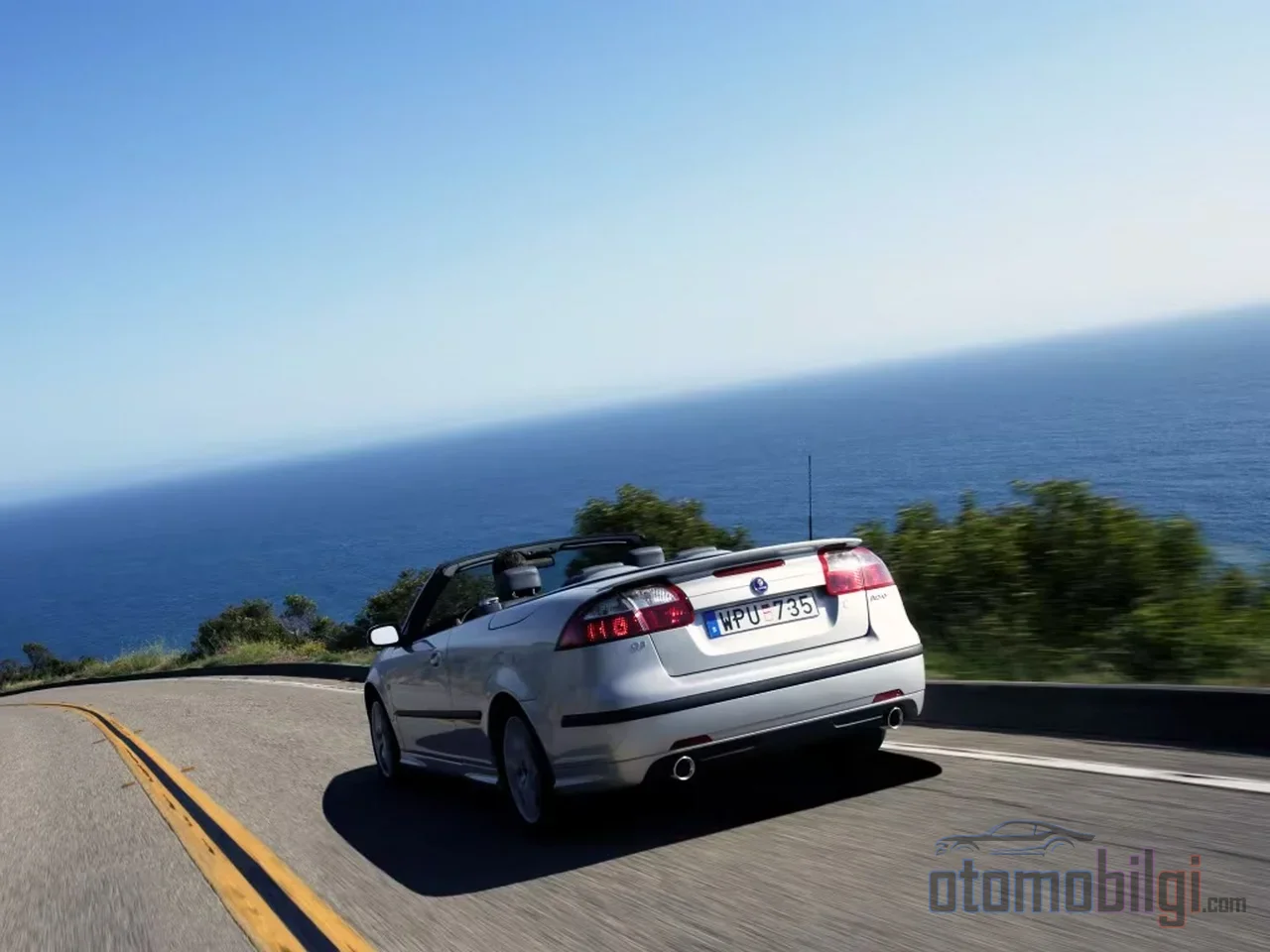
Remember, it's 2015. Electric vehicles are not as widespread as they are today. The project's goal was to take the Saab 9-3 platform as a foundation and develop an extended-range electric car on top of it. TUBITAK would take the lead in the project; in addition, cooperation with NEVS was planned on electric vehicle and battery topics. Turkiye already had an accumulation related to its own battery technology development and work on electric drive systems; these were among the cornerstones of this plan.
The project was accompanied by four clear principles, and these formed the essence of the 2015 domestic car debates:
- The brand would be a Turkish brand; the Saab name would not be used.
- The technology would absolutely be developed in Turkiye.
- The center of everything, including design, would be Turkiye.
- In series production, the target was a minimum localization rate of 85 percent.
Isik was saying that the project would put a car on the roads in 2020 that everyone would be proud of. There is also an important nuance: It was emphasized that this move was not made out of hollow nationalism, and that categorical oppositions reminiscent of the 1961 Devrim debates were avoided. So on one side there was a big claim, and on the other, those who looked with skepticism. In fact, this skepticism was not new; the history of our automotive industry is full of this dilemma. Shall we go back a little?
From Devrim to Anadol: A Forty-Year Story of the Same Dilemma
The roots of the idea of manufacturing cars in Turkiye run deep. The first attempt goes back to 1929, to Ford's assembly line in the Istanbul free zone; but the economic conditions of the 1930s end this venture. The real leap happens in the 1950s: In 1954, the first automotive products begin to be produced with the Jeep factory in Tuzla, and from 1955 onward, motor vehicle production develops in the form of assembly industry. Until the 1980s, the sector remains largely assembly-based.
Then 1961 comes: Devrim goes down in history as the first domestically produced car in Turkiye, and its transmissions are produced entirely domestically at the Ankara Factory. Five years later, on December 19, 1966, the Anadol rolls off the line; official sales begin in 1967, and Anadol becomes the symbol of the transition to series production with foreign partnership. Its production ends in 1984. Between 1970 and 1980 the assembly industry develops, followed by the parts industry and the era of partnerships in the 1990s and 2000s, with which the sector truly takes root. For everyone who looks at this history, there are always the same two paths ahead: build from scratch or get started with a ready-made one. The 2015 Saab move was precisely this dilemma's answer in the new century. But the story takes a surprising turn here.
Brand or Platform? Saab's Harsh Reaction
Right after the purchase announcement, a confusion arose: Had Turkiye actually bought the Saab brand itself? Minister Isik explicitly corrected this: The Saab brand was not purchased; only the intellectual property rights of the 9-3 model were acquired. How serious that difference was became clear immediately from the Saab side. The owner of the brand, Saab Group, issued a stern statement on October 23, 2015 - just one week after the announcement - demanding that the brand name not be pronounced in connection with Turkiye's domestic car project. In other words, the line between brand rights and intellectual property rights became clear not on paper, but precisely at moments like these.
There is also the matter of price. No official figure was ever disclosed; it was stated that this was due to commercial confidentiality. Two different claims circulated in the press: 40 million Euros (as reported by Otoplus and Otoajanda) and 47 million Euros. These figures were never officially confirmed. This uncertainty over the price became one of the main reasons the project faced criticism over transparency. So what is the real question: Why did all this expense and planning never produce a single car?
Why Was It Never Produced? The End of the Story of Uncertainty
Here is the most frustrating part of the story: The project did not result in production. There is no clear official explanation for this in the material; sources treat the matter as a story of uncertainty and say the project was forgotten. But there are some milestones along the way. On June 21, 2016 - just about eight months after the announcement - it was reported that Saab's Trollhättan plant in Sweden would no longer produce cars under the Saab brand. In other words, the very place where the platform was born had abandoned production during the period when the project was moving forward. In the following years, it was written that Saab entered the grip of bankruptcy and that Turkiye, which had bought the rights to the brand, lost its last stronghold in Sweden.
One authority's assessment is very apt: The Saab (NEVS) 9-3 was another venture from a few years before Togg was founded; it was a complete story of uncertainty - it was forgotten and went away. In forums and on social media, however, comments were made that this move paved the way for Togg, and that Togg engineers examined Saab chassis systems in those years. But I have to be clear about this: These are interpretations; there is no official statement of any connection.
So what legacy has this story left us? Here is the answer:
A Stop on the Road to Togg: What Does the Legacy Mean?
Shouldn't the Saab 9-3 move, despite never resulting in production, be considered a waste? To my mind, part of the answer lies in Togg. In a speech recorded in the TBMM minutes, it is stated that sixty years after the Devrim automobile, which was destroyed through countless obstacles, Togg - the automobile of the era - has been built and put at the nation's service. Togg produces in Gemlik, with a localization rate of 81.5 percent. That figure is right at the edge of the minimum 85 percent targeted in 2015; in other words, the localization dream discussed back then has become a reality under a different name and with a stronger structure.
So the Saab 9-3 story, in my opinion, is less a failure than a milestone in a learning process. The answer given in 2015 to the question of whether to build from scratch or buy an existing platform did not pay off; but it showed that the state could run a serious project in this field and prepared the ground for the next attempt. A car came off the line, perhaps, but a vision survived. Do you think a project's success should be measured only by the cars that roll off the line? I am not sure; but knowing the story of the Saab 9-3 means understanding Togg a little better.
Sources
- 'We bought all the intellectual property rights of the Saab 9-3'
- Minister Işık: The intellectual property rights of the Saab 9-3 have been acquired
- Minister Işık: We did not buy the SAAB brand
- 40 million euros from Türkiye to Saab
- SAAB, which developed a prototype for the domestic car, will no longer be produced
- WHY THE DOMESTIC CAR SAAB NEVER CAME TO FRUITION
- Türkiye's domestic car journey from Devrim to Anadol
- The Devrim Car
- History of the Turkish Automotive Industry and TAYSAD
- TBMM General Assembly speech record