Would You Like to Start Rallycross from Scratch?
Share This Page
To start rallycross from scratch, you first get a TOSFED license and join a licensed club, then complete your first season in the entry category either with a daily car or a rented race car; after gathering essential safety equipment like a helmet and HANS, your first race day begins with technical inspection and the mandatory driver briefing. In other words, the door is far more open than you think - and this guide helps you walk through that door step by step.
Highlights
- In Türkiye, the athlete license fee across all disciplines is 3600 TL; details are on TOSFED's guide page.
- On the FIA side, the entry ladder is widening with RX3, RX4 and, starting from 2026, new grassroots categories.
- The most common advice given to newcomers: start your first season by renting and decide on buying later.
- At entry level, a roll cage is not mandatory; a helmet and HANS, however, are essential.
- The first race day proceeds in this order: registration → technical inspection → track walk → mandatory briefing.
The First Step to Starting Rallycross: License and a Licensed Club
Let's clarify one question first: what do you need to start rallycross? The answer is surprisingly simple - a valid ID and a federation license. The system works differently in different parts of the world: in the US, a regular driver's license can suffice at grassroots level, while in the UK an RS Interclub license is required for club races. In Türkiye, the route is classic: an athlete license.
The mechanism here works like this: the athlete license fee is obtained from Provincial/District Directorates of Youth and Sports and is the same across all disciplines - 3600 TL. A share of this fee also goes to the federation. TOSFED's website has both an up-to-date list of documents and license fees and a guide titled "How Can I Become a Racer?". For disciplines like rally, drift or offroad, the site directs you straight to the list of licensed teams for car preparation, rental and service work. So the first to-do list is clear: apply for the license, then find a club or licensed team that will put you into a racing environment.
Don't take the club issue lightly. Just like a guide character who shows you the way in the starting zone of a new game, a licensed team supports you at every step, from regulation preparation to your first track experience. Starting this pursuit alone by reading on the internet is like entering a dungeon without looking at the map.
Which Category to Enter? RX3, RX4 and the Promotion Ladder
At the top of rallycross are World RX and RX1 cars, but nobody wears a jersey in the Champions League in their first match. The FIA's ladder is clear: at entry level, the electric RX2e championship started in 2021, and on the European side, Euro RX1 and Euro RX3 categories were established. Then RX4 came along and brought Rally4 cars back to rallycross - a pretty nice move to say "rally DNA is returning to racing".
The most exciting part is this: in December 2025, the FIA World Council, effective from 2026 onward, approved two new grassroots categories approved. So even the international system is moving in your direction, saying "entry is too expensive, let's bring back the lower rungs of the ladder." Under the 2026 FIA RX sporting regulations, drivers complete one joker lap in each race unless stated otherwise - you can start learning the tactical side right here.
We can summarize the path upward as follows:
- In grassroots / local categories, learn the course and race rhythm.
- Move up to RX3 or national entry classes, and produce consistent results.
- At stages like RX4 and RX2e, prove that you can rise again.
- At the very top, Euro RX1 and World RX await you.
First Race Car: Rent or Buy?
Here is the biggest dilemma for a newcomer. If it's about a daily car, the decision is easy; if it's about a race car, things change. The most common advice you'll hear in racing circles is this: first race whatever you own or can rent, and after a few events get to know the classes before making the big purchase accordingly. The logic behind this is solid - in your first season you test both the classes and the cars without the burden of maintenance, transport, and repairs. TOSFED also offers car rental through licensed teams as a legitimate alternative; so this route is very real in Türkiye.
If you want to bring the budget closer to reality, there are two practical moves. The first is "dual driving": two people share one car, splitting fuel, maintenance, and accommodation in half. The second is choosing the right car - at grassroots level a special car isn't necessary; a daily car with a fixed hard roof and sufficient clearance is enough. Front-wheel-drive compacts and small rear-wheel-drive cars are the classics of this business.
And tires... Undoubtedly the most important investment after skill. Soft-compound, aggressive-tread winter tires are free in all classes, and rivals typically use 38-40 psi high pressures like these - why? Because high pressure stiffens the sidewall and prevents the tire from coming off the rim. Details like these turn you from "the new kid" into "the kid who knows their stuff" in the paddock.
Safety Equipment: Are Helmet, HANS, and Roll Cage Really Necessary?
The roll cage question bothers everyone, so let's answer it clearly: at entry level, when racing a normal road car with a fixed roof, a cage is not required. But at professional and FIA championship level, full cage and comprehensive safety equipment standards apply - as you climb the ladder, the rules get stricter too. For now, the list that concerns you is short:
- Helmet: It is mandatory, and being road-certified alone isn't enough - a current Snell certification is required. Loaner helmets are also available at most events, a lifesaver for the early days.
- HANS device: Not every helmet is HANS compatible; the helmet must have FIA or SFI approved connection points on the sides of the chin bar and lower shell. Be sure to check before buying.
- Details: If the roll cage tubes are close to the helmet, covering them with energy-absorbing material is recommended; a flame-retardant balaclava goes under the helmet, and a proper helmet fit is critical.
Don't think of this list as a shopping list - think of it more as a "life support system." In motorsport, it's not speed that makes the difference but preparation - and half of preparation comes down to the right equipment.
First Race Day: How Does Technical Inspection (Scrutineering) Work?
The morning of your first race brings a bit of excitement and a bit of chaos - completely normal. But the flow is actually almost the same everywhere: registration, technical inspection, track walk, and the mandatory driver briefing. The purpose of technical inspection, i.e. scrutineering, is simple: to verify that the car complies with the regulations, is safe, and that everyone is competing fairly. The official checks the hood, the interior, the trunk, the tires, and the suspension; they also pick up your helmet and inspect it.
A small checklist to prepare for inspection:
- Remove all loose items from the car completely, and take off the wheel covers and removable trims.
- Make sure the battery is securely fastened and there are no excessive fluid leaks.
- Enter the inspection point with the hood and trunk open and the car empty.
- Make sure your numbers comply with the size rules; in an emergency, even a temporary paper number taped on will do.
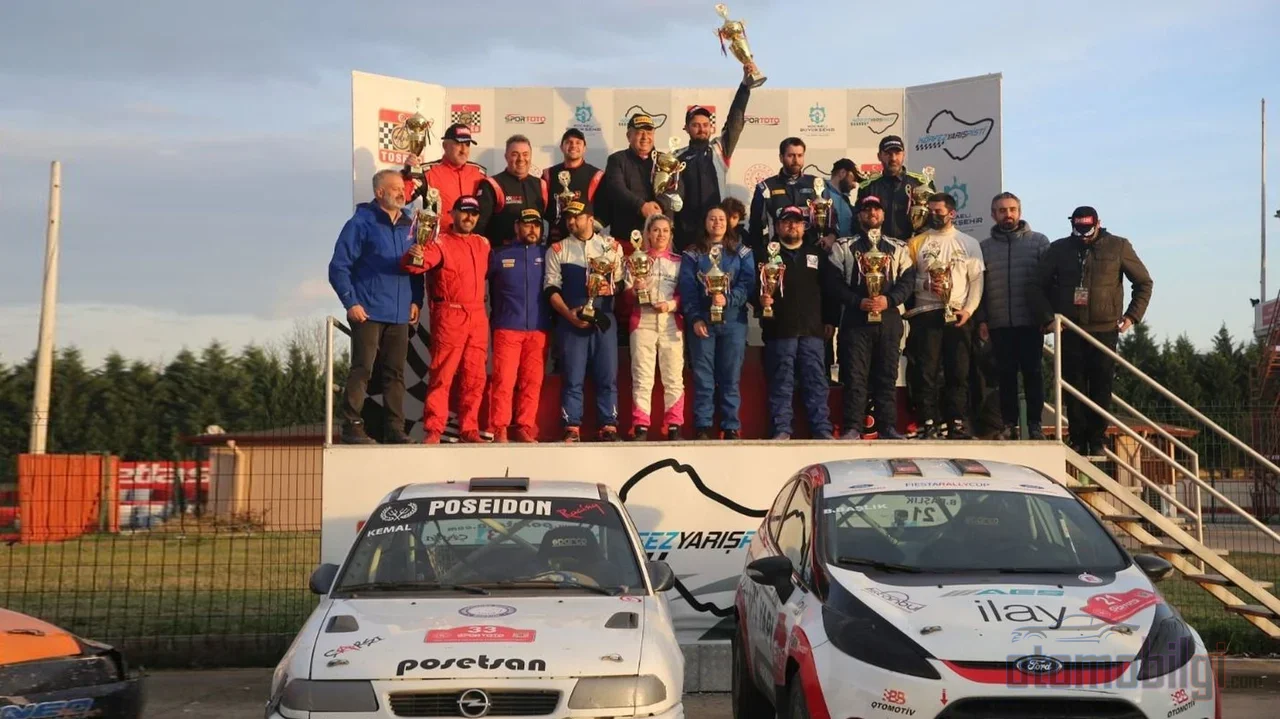
Once you pass inspection, the day turns to the real fun. Do the track walk at least once, for 5-10 minutes, and map out your lap plan in your head. Never skip the briefing - it's mandatory, and missing it can end your day. Then comes the race, and here's the nice part: most events have a "run/work" format, meaning drivers take part in tasks like cone stacking or timekeeping during part of the day. This is exactly why this sport remains accessible. A typical day wraps up with 4-6 runs, a break, an awards ceremony, and paddock cleanup - yes, the cleanup is your job too.
Getting Started Opportunities and Cost Items in Türkiye
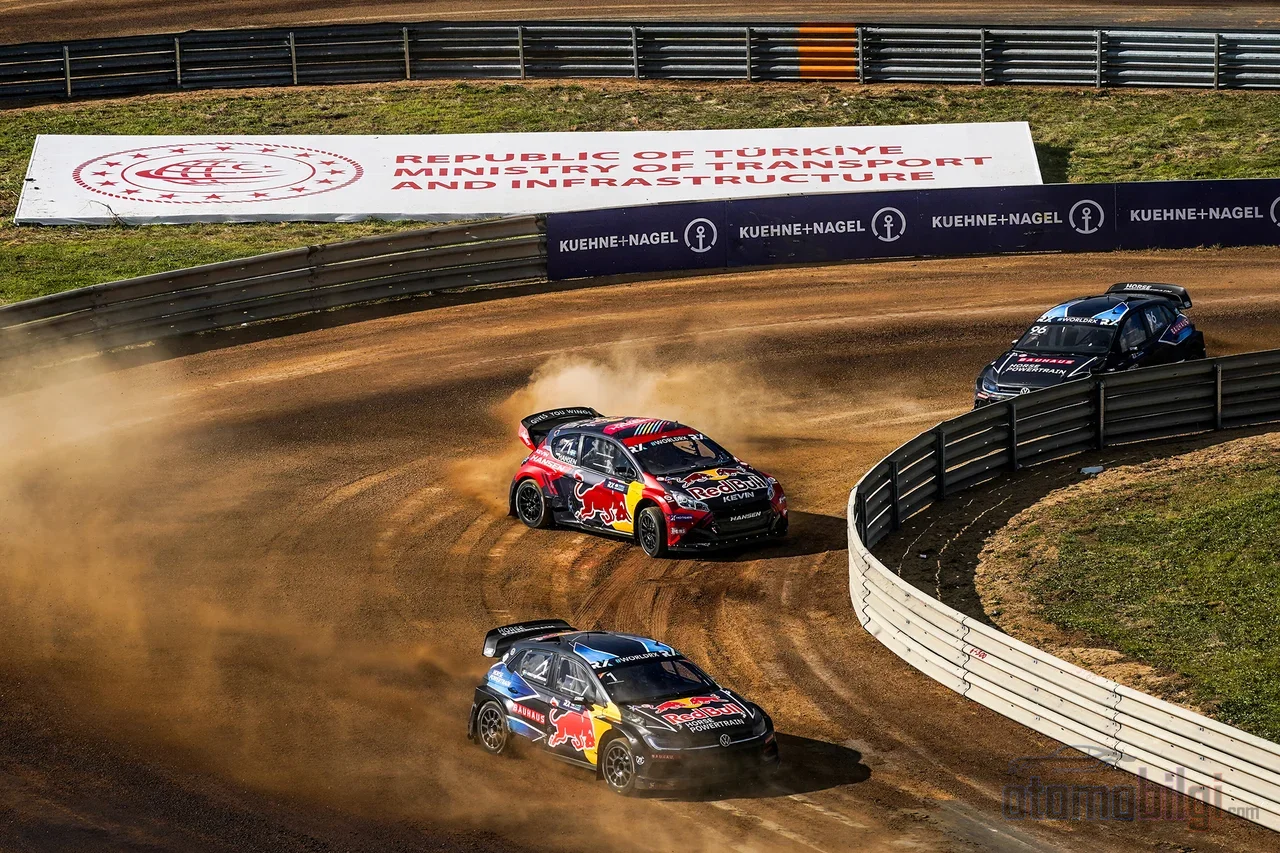
Now for my favorite part: it's all happening here, in your country. September 20-21, 2026 World RX of Türkiye was held at Istanbul Park - the world championship taking to the track in Türkiye is proof of how seriously this sport is taken here. On the national side, the Türkiye Rallycross Championship Final Round will be held on November 28-29, 2026 So there are real events on the calendar where you can watch, wander around the paddock, and ask questions.
For those who want to give it a try, there's an address too: Istanbul Park hosts test drives and experience events alongside national and international races. Experiencing your first "vroom" moment here is like bringing dreams from thousands of kilometers away right to your feet.
On the cost side, here are the exact figures: the competitor's license is 3600 TL (the same across all disciplines). In the US, grassroots event entry fees range from 25-60 dollars depending on the region around - local event fees in Türkiye vary by organization, so the best way to verify current amounts is to check with the federation's documentation and license list. For Türkiye-specific car preparation and rental cost items, the most honest route is again to write to the list of licensed teams and get clear prices; because every car's condition and every team's offer is different. Don't forget the general rule: a big-budget purchase decision should be made after real track experience, not in your first season.
Final Word: From Spectator to Driver's Seat
As you can see, the roadmap is clear: get a license, connect with a licensed team or club, spend your first season renting or in an entry category, take your helmet and HANS seriously, and face your first race day with a checklist. The beauty of this sport is that beneath the top-level joker-lap duels lies a completely different world - and that world's door is truly open to newcomers. What event is next on the list? Good racing in advance!
Sources
- How to RallyCross: A Beginner's Guide
- Rallycross FAQs
- Get Started in Rallycross
- Rallycross - Motorsport UK
- FIA Rallycross Championships | Official Website
- New Grassroots Categories added to the FIA Rallycross Pyramid
- 2026 FIA RX Sporting Regulations
- Best Rally Cars for Beginners and the Smart Way to Get One
- HANS Device Guide
- Safety (K) Regulations - Motorsport UK
- Scrutineering - Motorsport UK
- TOSFED License Fees
- TOSFED - How Can I Become a Racer?
- TOSFED Istanbul Park
- Türkiye Rallycross Championship Final Race
- Things You Need to Know About Rallycross