Why Does a Digital Instrument Cluster Carry Much More Information Than an Analog Clock?
Share This Page
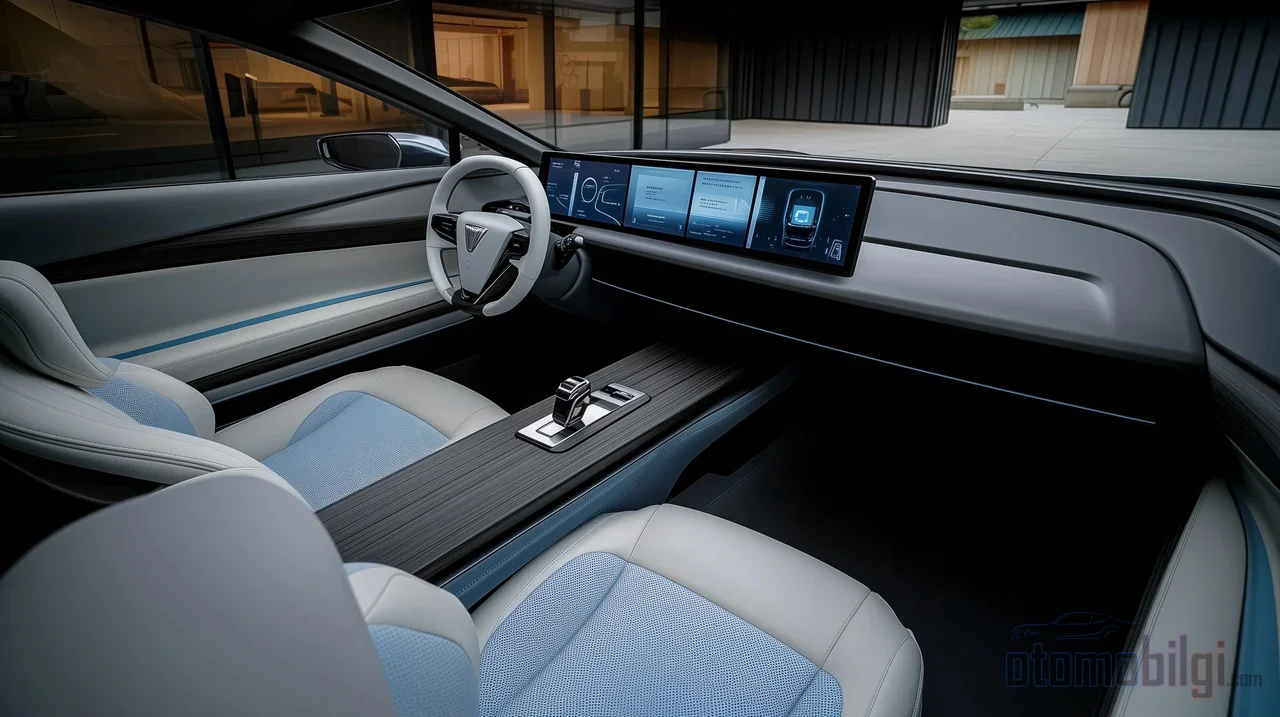
A digital instrument cluster replaces the needle gauges and warning lights behind the steering wheel with a single LCD/TFT screen; this way, speed, fuel, navigation and driving assistance information are shown not in a fixed layout, but in a shifting order of priority that changes according to driving conditions and the driver's preference. In short, an analog watch only tells the time, while a digital cockpit also decides which time matters when.
Highlights
- The digital cluster gathers data from ECUs and sensors CAN, Ethernet and LIN networks
- When adaptive cruise is active, the cluster prioritizes traffic visualization; at a tricky navigation moment, the map goes full screen
- 2026 The Subaru Outback comes with a full digital cluster as standard
- Voice and touch in-car technologies can keep the driver occupied for longer than 40 seconds can occupy the time
- The Volkswagen ID. 2all concept showcased a retro digital cluster mimicking the classic Beetle dial
Here's a question for you: when you get into your car, what do you see on the instrument panel? If your answer is "speed, revs, fuel," then you're still in the analog age - and that's not a bad thing at all. But in recent years, especially with 2026 models, the picture has changed quite a bit. Those dials have been replaced by screens like the one in our phone, and these screens do far more than a needle ever could. Let me explain, because this topic is more fun than you'd think.
How Does a Digital Instrument Cluster Work?
First, let's clarify what's what. In an analog cluster, there are needle gauges, fixed warning symbols, and usually a tiny LCD showing the clock and odometer. Here's the interesting part: behind those needles, the car is already working with digital data, so as long as the face remains analog, the cluster is considered analog. In a digital cluster, however, the needles, LCD, and warning lights are all moved onto a single screen. As long as the display is digital, the entire cluster is considered digital.
So where does the information on that screen come from? The ECUs and sensors in the vehicle continuously generate data; the instrument cluster collects this data through in-vehicle communication networks such as CAN, Ethernet and LIN, decodes it, and presents it in a way the driver can interpret without taking their eyes off the road. If I had to make an analogy, an analog cluster is like a single photo scanned with a scanner, while a digital cluster is a live stream of information - constantly updated and able to be rearranged.
What Is Displayed on the Screen?
The list keeps growing: speed, fuel or charge level, outside temperature, tire pressure, engine diagnostics and maintenance warnings, safety warnings. Lane-keeping and adaptive cruise control information, as well as blind spot warnings, are added to these. In some luxury vehicles, even the night vision camera's image appears on the cluster. Most modern clusters also support Android Auto and Apple CarPlay; music, calls, and notifications can be accessed from the cluster.
Which Information Is Shown First, and Why?
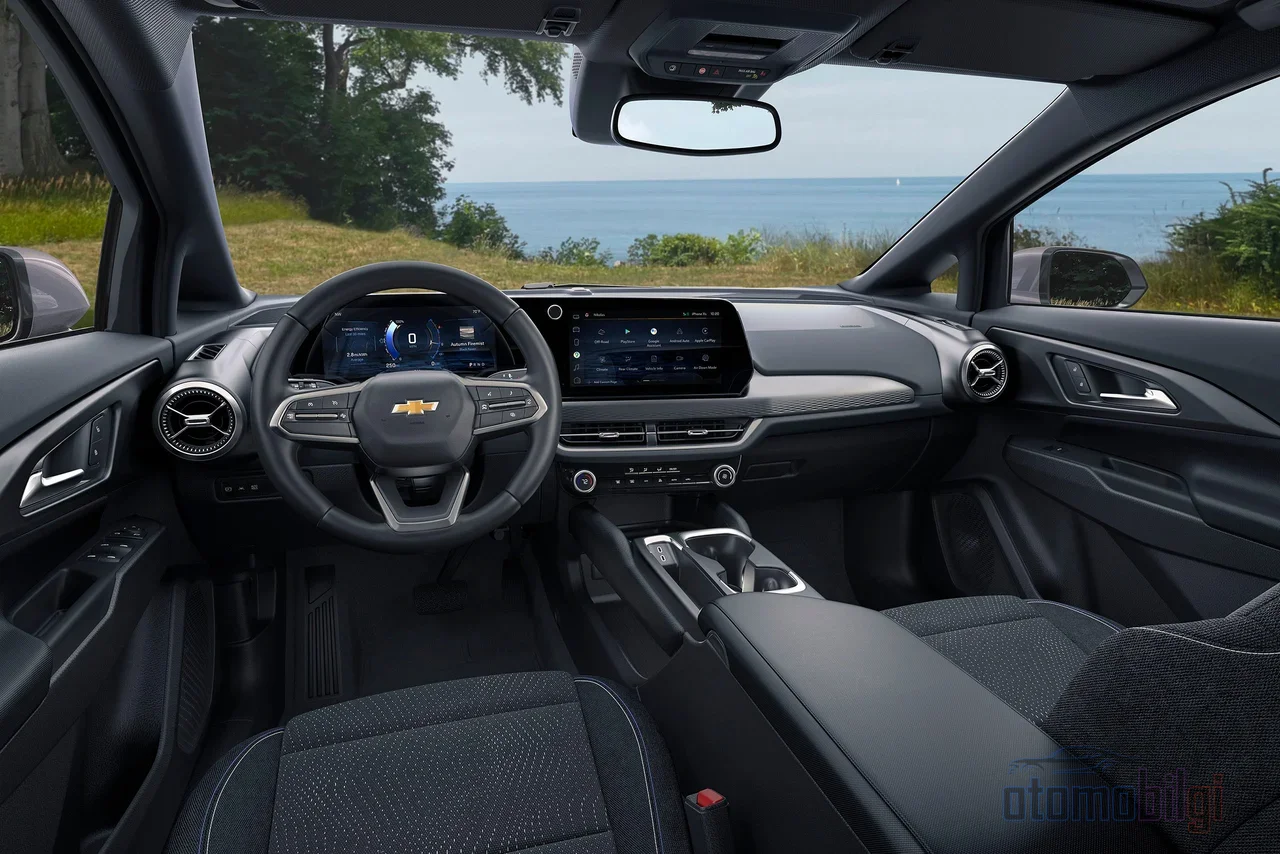
The digital cluster's real superpower starts here: prioritization. The graphics change dynamically according to driving conditions. While adaptive cruise control is active, the cluster brings forward the visualization of vehicles in your lane and adjacent lanes. When you enter a difficult navigation situation, the map can expand to full screen. In other words, the screen is not a fixed poster, but a theater stage whose curtain changes according to the drive.
The infrastructure for this is already in place. Android Automotive's Instrument Cluster API allows navigation apps (including Google Maps) to be displayed on the secondary screen behind the steering wheel. TomTom's ADAS SDK can transmit driving assistance data directly to the cluster without an external navigation unit. This is the technical way of moving information to where the driver should actually be looking.
What Is the Situation in 2026 Models?
- Toyota Corolla's 12.3-inch digital cluster can prioritize driver assistance status, navigation commands, audio or efficiency indicators at a single glance.
- Hyundai Sonata offers layout options that determine which information takes priority in the field of view.
- Genesis G70 has a fully configurable cluster: you can choose between the navigation map, driving performance data, or themes.
- Honda Pilot's 10.2-inch cluster offers a compass, altitude, slope and pitch indicators along with access to audio sources and phone calls.
In addition, 2026 Subaru Outback makes the full digital cluster standard; digital clusters also stand out in models like the Honda Prelude, Jeep Recon, and Chevy Trax. So this is no longer a luxury segment privilege, and is on its way to becoming an ordinary equipment item.
Is There Still Anything an Analog Dial Can Do?
Actually there is, and it is quite important: calming clarity at a single glance. The quick-read logic of analog clusters is simple - if all the needles are near the center and no warning light is on, everything is fine. The driver grasps the situation with one short glance. And since they have been used for decades, the pictorial glancing habit is well established. Moreover, production and maintenance costs are low; on the development side there is none of the processing power and cost that a digital cluster requires.
The digital side's answer is also strong: no moving parts, no parallax error, higher accuracy and reliability. Thanks to the programmable screen, pop-ups, scrollable multi-screens, and driver-level layout, theme, and color customization are possible. The advantage for the manufacturer is also great: new variants can be produced with software without changing the hardware. The aesthetic debate, meanwhile, resembles the watch - in the age of the smartwatch, the mechanical dial still has many admirers, and some drivers do not want to give up the feeling of reading analog's depth and rates of change. For this reason, the combination of an analog dial plus a digital screen continues to be developed as hybrid clusters for markets that do not want to go fully digital.
What Is the Difference Between a HUD and a Digital Instrument Cluster?
The two do different jobs, even though they are often confused. The head-up display (HUD) projects information onto the windshield or a transparent panel in the driver's line of sight; typically it shows speed, safety warnings and navigation directions. The goal is for you to read the information without looking down. The traditional instrument cluster, on the other hand, presents the information on the glovebox side, in a clock-like position. In other words, the HUD puts info in your line of sight, while the cluster is the main screen read with a quick glance downward. Some AR-based systems go one step further, tracking the driver's line of sight with a camera and overlaying information directly onto the road - an image straight out of the future, but the technology already exists.
Do These Screens Distract, Then?
Here is the burning part of the topic. The instrument cluster's job is to strike a balance between distraction and drawing attention: the driver should be kept informed of speed limit changes or warnings even without looking directly. But no matter how capable the screen is, driver attention is the biggest constraint determining what the cluster can show. Rendering errors, lag and flicker on the screen are unacceptable - because the driver's eyes cannot wait there.
The numbers warn too. Voice and touch in-car technologies can keep the driver visually and mentally occupied for longer than 40 seconds at a time. A study showing that using a touch panel can equate to a level of distraction nearly five times the UK alcohol limit has made its way into the automotive press. Distraction caused by modern technology use is estimated to increase accident risk by 50% . NHTSA also examines the issue under three headings: visual, manual and cognitive distraction - official guidelines for visual-manual in-vehicle devices have actually existed since 2013. As screens grow, criticism from the automotive press has been constant; it has even been written that manufacturers claimed digital panels would not distract, while their plans showed the opposite.
And a technical detail: delayed updating of digital speedometers is among drivers' common complaints. Speed is reflected with a slight delay in almost every vehicle - a small detail, but it affects how "live" the screen feels. Current studies using eye tracking continue to measure the effects of analog and digital clusters on driver attention; so this debate is not closed yet.
One Cockpit, Updates from the Cloud
The digital cluster's future is not a solo act. The cluster, infotainment and HVAC are merging onto a single SoC platform; ECU consolidation gives manufacturers reduced complexity. In other words, the screen behind the steering wheel and the big screen in the middle are effectively becoming two faces of the same brain. Thanks to FOTA, the cluster's software can be automatically updated over the cloud, at times planned by the manufacturer and in specific drive modes. Your car no longer freezes on the day it is sold - it updates like your phone.
There is also a headwind: the retro trend. The Volkswagen ID. 2all concept showcased a retro digital cluster option that imitates the analog dial of the classic Beetle. Combining analog nostalgia with a digital screen is, in my opinion, the sweetest part of the matter - technology moves forward, but our hearts can stay with those dials.
Digital or Analog: Which Should You Prefer?
There is no definitive superiority; budget, frequency of use, and aesthetic preferences decide. In terms of readability at night and during the day, digital clusters use OLED panels, anti-glare coatings, and brightness optimization; digital cockpit experiences that perform well in sunlight and hybrid clusters that appear clearer in variable light are being discussed. On the analog side, needle breakage or sticking are among known issues, and digital upgrades are offered as a solution precisely at this point.
My take is this: the digital cluster does the work that analog does, and adds an information management layer on top of it. The question is not "which is better," but "when do you need which information." Vehicles that take their answer from you are now waiting behind the steering wheel.
Sources
- What is Digital Gauge Cluster & How It Works?
- Analog vs Digital Instrument Cluster: Key Differences
- Head-up Display: Why You Need It in Your Next Car
- What is a Heads-Up Display (HUD) & How Does it Work?
- Instrument Cluster API - Android Automotive
- ADAS SDK for Android: Introduction
- The Problem With Digital Instrument Clusters
- Instrument Cluster: Automotive Dashboard Electronics
- AAA: Vehicle Infotainment Systems Create More Distractions
- Distraction Study Calls Out Touchscreens
- Allianz: Drivers are too distracted by modern technology
- NHTSA Distracted Driving
- The Impact of Gauge Cluster Displays on Driver Attention (Oh, 2025)
- Why the 12.3-in Digital Gauge Cluster on the 2026 Toyota Corolla
- 2026 Hyundai Sonata Digital Cluster
- 2026 Genesis G70 Technology
- 10.2-Inch Digital Instrument Cluster - 2026 Honda Pilot
- Digital Instrument Cluster Solutions to Analog Cluster Issues
- Dissected: The Frightening Idiocy of the Smart Dashboard