Why Are Car Manufacturers Turning Their Backs on CarPlay and Android Auto?
Share This Page
Car manufacturers are moving away from CarPlay and Android Auto, because phone mirroring systems hand over the screen and the data to Apple and Google; manufacturers, on the other hand, want to seize three big advantages with their own software platforms: data control, freedom of OTA updates, and subscription revenue. In other words, there is a software war raging in the background, and your phone is one of the sides.
Highlights
- General Motors aims to remove CarPlay and Android Auto from all its new vehicles by 2028.
- Tesla and Rivian have never offered phone mirroring in any of their vehicles from the start.
- Factory CarPlay support in existing vehicles is not affected by GM's decision.
- Apple's next-generation CarPlay Ultra hit the road in 2025 with Aston Martin models.
- In most mainstream 2026 model vehicles, Android Auto is still part of the standard equipment.
Just think about it: There is a system that brings the maps, music, and messages from your phone to the car's screen and makes your life significantly easier. Millions of people use it, love it, and even look for it when choosing a vehicle. So why are some car manufacturers turning their backs on these very systems? The answer is not "user experience" as you might think; it is data, control, and money. Come on, let's uncover the inside story of this together, because the subject is far more interesting than you think.
How Do CarPlay and Android Auto Actually Work?
Let's lay the foundation first, and then it will become very easy for you to understand why the war broke out. Apple CarPlay is a phone-to-vehicle projector system that mirrors the apps on your iPhone - maps, music, messages, calls - onto the vehicle's screen. Android Auto is Google's counterpart, developed for Android users with the same function. The two are not interchangeable: CarPlay works only with an iPhone, and Android Auto works only with an Android phone.
The critical word here is "mirroring". CarPlay carries the phone to the vehicle screen in a simplified form that will not distract the driver. That is exactly where it differs from the method called full screen mirroring: mirroring gives the entire screen to the phone and is generally preferred for uses such as watching videos while parked. Both systems restrict their functions when they know the vehicle is in motion; Android Auto, however, can even allow experiences such as games while parked. So these systems are already bound by strict rules in terms of safety.
The key point is this: While these systems are running, the car's brain comes into play, but the content displayed comes from the phone. Data traffic, app preferences, navigation habits - it all revolves within Apple's or Google's ecosystem. The manufacturer, even though its own logo is on the screen, is not the rule-setter of the game. This is exactly where the reason why manufacturers cannot stomach this begins.
The Three Big Prizes Awaiting Manufacturers: Data, Revenue, Control
The reasons behind this shift can be reduced to a trio that is also voiced in forums: system integration, data control, and revenue. But each one needs to be opened up one by one, because there are three separate motivations at play here.
Data: Keeping the Driver in Its Own System
When a driver connects to CarPlay, the manufacturer loses access to a great deal of valuable data - from location to driving behavior, and from app usage to vehicle diagnostics. With its own system, it holds all of this data in its hands, and the stated goal is to develop better vehicles. When phone mirroring is removed, the entire interface passes into the manufacturer's control - an open trade-off between customer interest and control.
Subscription Revenue: A New Cash Register per Screen
The second prize is more tangible: money. Manufacturers want to seize an extremely attractive revenue item: subscriptions for software features sold directly to the driver through the infotainment hub. While phone mirroring is active, this cash register belongs to Apple and Google; when the system switches to the manufacturer's own, the door opens to it. It is an openly discussed scenario that GM's move to its own system would give it the opportunity to increase subscription revenue.
OTA Updates and Deep Integration
The third advantage is technical: OTA, that is, wireless software updates. After the vehicle is purchased, performance, safety and feature improvements can arrive over the air; this reduces recalls and dealer visits and lowers the manufacturer's costs. Wireless updates can also cover infotainment and navigation software. However, while phone mirroring is active, most of the screen is not the manufacturer's software - leaving no room to update, improve, or sell subscriptions on top of it.
Let's add the integration advantage to this as well: Native systems can be far more integrated with route planning, battery preconditioning, vehicle settings, driver assistance systems and subscription services in an electric vehicle. So the defense is not entirely up in the air; especially on the EV side, there are real technical justifications as well. Still, the war is not one-sided - Apple has already given its answer.
GM's Decision: A Hard Transition Toward 2028
The most striking scene of this story took place at General Motors. The company aims to remove Apple CarPlay and Android Auto from all of its vehicles by 2028. The decision was first explained with electric vehicles, but in October 2025 GM confirmed that it covers not only its EVs but its entire vehicle lineup. It will also remove mirroring systems from future gasoline models.
GM's alternative is its own system built on Google-based Android Automotive OS. The company argues that the system will work like a phone in terms of calls, contacts and apps; its aim, it says, is to optimize the navigation and charging experience. With navigation and charging so tightly linked - range calculation, charging stops, battery temperature - the inability of mirroring systems to enter this chain is a real engineering problem.
For users, the most critical detail is this: CarPlay and Android Auto support in existing vehicles is not being removed retroactively. If mirroring works in your GM today, it will keep working for life. The decision only covers future new vehicles. Still, some users wonder whether a monthly subscription will be required for similar but limited functions, and clearer answers to this question seem to come in the future as GM's system matures.
Tesla and Rivian: No Mirroring From the Start
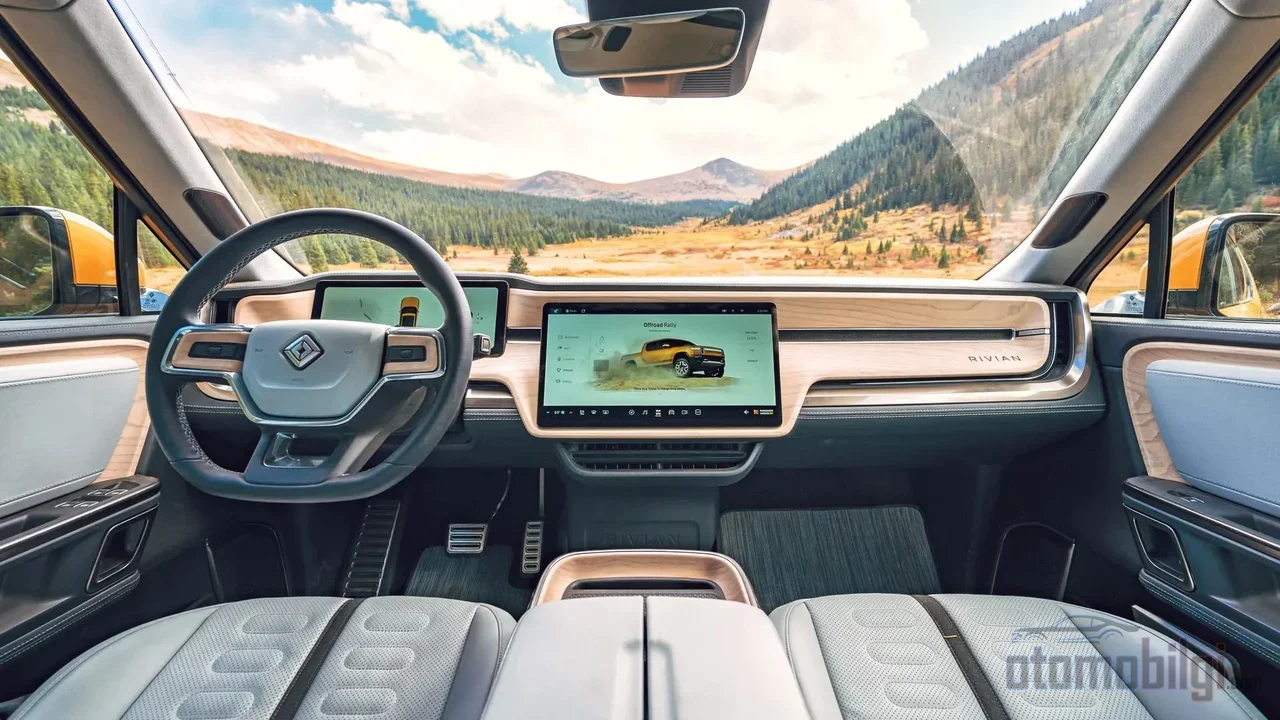
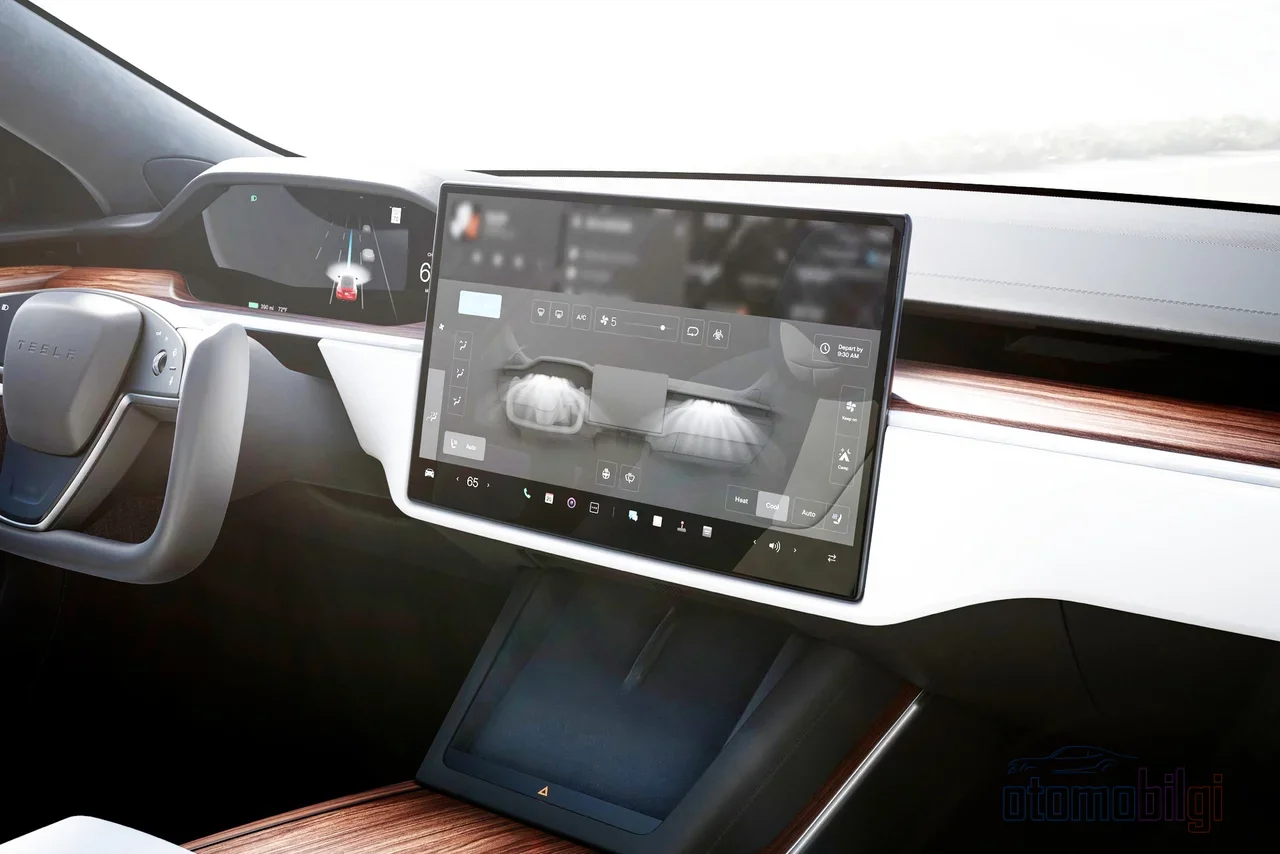
GM is actually not a pioneer; brands that produce only electric vehicles, like Tesla and Rivian, have carried neither CarPlay nor Android Auto on their panels since day one. Tesla offers an experience built on its own infotainment ecosystem and has gained experience with millions of vehicles in this regard.
On the Rivian front, the debate is more philosophical. The company's software chief argues that the deeply integrated, AI-powered system will render separate apps unnecessary and that phone mirroring will lose its function in the age of AI. There are plenty of skeptics of this view too: The question of why Rivian still hasn't integrated CarPlay despite very intense user demand remains up in the air. The truth is that even if AI agents work wonders, it is a fact that people don't want to leave their phone games behind in the car, and on this matter the final word is always spoken not by technology chiefs but by buyers.
Apple's Counter Move: CarPlay Ultra
Apple, of course, didn't sit idle. Unlike basic CarPlay, CarPlay Ultra, which aims for deeper vehicle-iPhone integration, began rolling out with Aston Martin vehicles in 2025. This new generation promises an experience extending all the way to the instrument cluster, but there is one critical condition: the automaker's participation is mandatory. So Apple isn't saying "leave the screen to me" either; it's saying "let's design the screen together."
This detail actually summarizes the whole picture. While manufacturers cite integration and control as justification, CarPlay Ultra is precisely trying to close that integration gap. Both sides are playing on two faces of the same coin: the lines between car and phone are being redrawn, and everyone wants to draw the line in their own favor.
Opposing Voices: Who Does This Decision Benefit?
If the decision is this controversial, there's a reason. CarPlay and Android Auto are seen by many users as the most practical solution to overcome the poor software in vehicles. In part of the discussions, it is also stated that the real issue is not interface beauty but data trust: Who is your data and backups entrusted to? This question is far more important than the subscription picture.
The privacy side is not empty either. Modern vehicles can collect location, vehicle status, app usage, driving behavior and diagnostic data; vehicles have been subject to serious criticism by privacy organizations, and consumer protection agencies have warned that connected vehicle data must comply with legislation. In other words, the "the manufacturer's system is better" argument also brings with it the question of who the data flows to.
On the other hand, the picture is not entirely black and white. In some 2026 model vehicles, there are complaints of CarPlay randomly disconnecting or freezing; problems have been reported with third-party head units after some software updates. On the other side, there are users who say that with GM's own system they can reach everything they want. Real-world usage experience is always messier than the promises in the brochure.
Is CarPlay Being Removed Entirely, and What Should You Do When Buying?
Let's answer the most common question clearly: No, CarPlay is not being removed entirely. Apple maintains a broad list of officially supported models, and CarPlay remains valid. What is changing is that some manufacturers are preferring their own systems or selective support. The assumption that "a newer car = better CarPlay support" is also not valid; even among 2026 models, support varies not by brand but by the exact model, year, and hardware package.
When buying a car, this checklist will do the job:
- Before purchasing, verify that CarPlay or Android Auto is present on that exact model, year, and trim level.
- Find out whether it is wired or wireless; wireless adapters only work if the car has factory wired CarPlay.
- If possible, test it by connecting your own phone; let real experience speak, not the brochure.
- Do not expect mirroring on brands like Tesla that use their own ecosystem; make your decision accordingly.
When it comes to retrofitting, there are three scenarios: If the car has factory wired CarPlay, a wireless adapter is the solution. If installing an aftermarket head unit is possible, CarPlay can be added later. But in many electric vehicles with a locked native system, it is not possible to add factory CarPlay to a system that does not support CarPlay at all with a normal adapter. In other words, the "I'll just buy an adapter and sort it out" calculation does not hold for every car.
The good news is this: In most mainstream 2026 model vehicles - from brands like Toyota, Honda, Hyundai, Kia, Ford, and Subaru - Android Auto is still standard equipment. Even though the obituary of mirroring has been read, the graveyard has not yet been dug. In the coming years, hybrid solutions where two worlds coexist: some manufacturers will put their own system at the center and leave mirroring as optional, while others will move entirely to their own ecosystem. The only thing you need to do is check which side that specific model falls on before buying the car. After that, who owns the relationship between your phone and your car - and the data - is entirely up to your choice.
Sources
- CarPlay Ultra begins rolling out - Apple Newsroom
- GM Will Abandon Apple CarPlay, Android Auto - Kelley Blue Book
- Why Automakers Are Ditching Apple CarPlay and Android Auto - MotorTrend
- GM axing CarPlay is part of larger automaker battle over subscription revenue - Automotive News
- Car manufacturers are ditching CarPlay in 2026: Here's why - Engadget
- GM to Remove Apple CarPlay, Android Auto From Future Vehicles - Cars.com
- GM's End of CarPlay and Android Auto: What It Means - White Auto and Media
- Rivian's Head Of Software Thinks CarPlay And Android Auto Will Be Replaced With AI Agents - The Autopian
- What is OTA? A Comprehensive Guide - Sonatus
- Drive with Android Auto - Google
- CarPlay vs. Smartphone Mirroring: Which Do You Need? - BeatSonic USA
- Is Apple CarPlay Going Away? Automaker Changes Explained - CARLUEX