Why Did Features in Cars Start Being Sold by Subscription?
Share This Page
Car features have started being sold via subscription, because thanks to OTA updates, manufacturers can remotely connect to the vehicle after delivery and activate hardware that's already built in with software. The hardware sits inside the car from the factory; the activation switch is no longer a button but a monthly payment. So how does this model work, which features have turned into subscriptions, and what should you watch out for as a buyer? I'll explain everything one by one, so if you're ready, let's get started!
Highlights
- BMW withdrew its heated seat subscription in September 2023; the monthly fee was around 18 dollars
- Tesla became the first manufacturer to sell Model 3 an OTA acceleration package for 3,000 dollars GM's
- Super Cruise system costs $39.99/month or $399/year The US vehicle subscription market reached
- in 2025 1.7 billion dollars Safety recalls done via OTA are free by federal law
- until the vehicle is 15 years old free of charge at no cost
The Hardware Is Already Inside the Car: The Core Idea of the Model
Think of it this way: you download an app to your phone, but the camera is already on the phone, right? The app just lets you use that camera. Something similar is happening in the car world. Manufacturers install the hardware for many features, from seat heaters to driver assistance systems, into the vehicle at the factory. The fact that all this hardware is built into the vehicle is described in the industry as "an open secret." This model is called "hardware-already-installed."
This seems normal so far, doesn't it? Indeed, the hardware has been in the car for decades. What changed the game is that the method of activating this hardware changed. In the past, you had to go to the dealer and maybe replace parts to activate a feature. Now it can be switched on with a software update. And manufacturers are sitting at the controls of that switch.
What Is an OTA Update and How Did It Create the Subscription Economy?
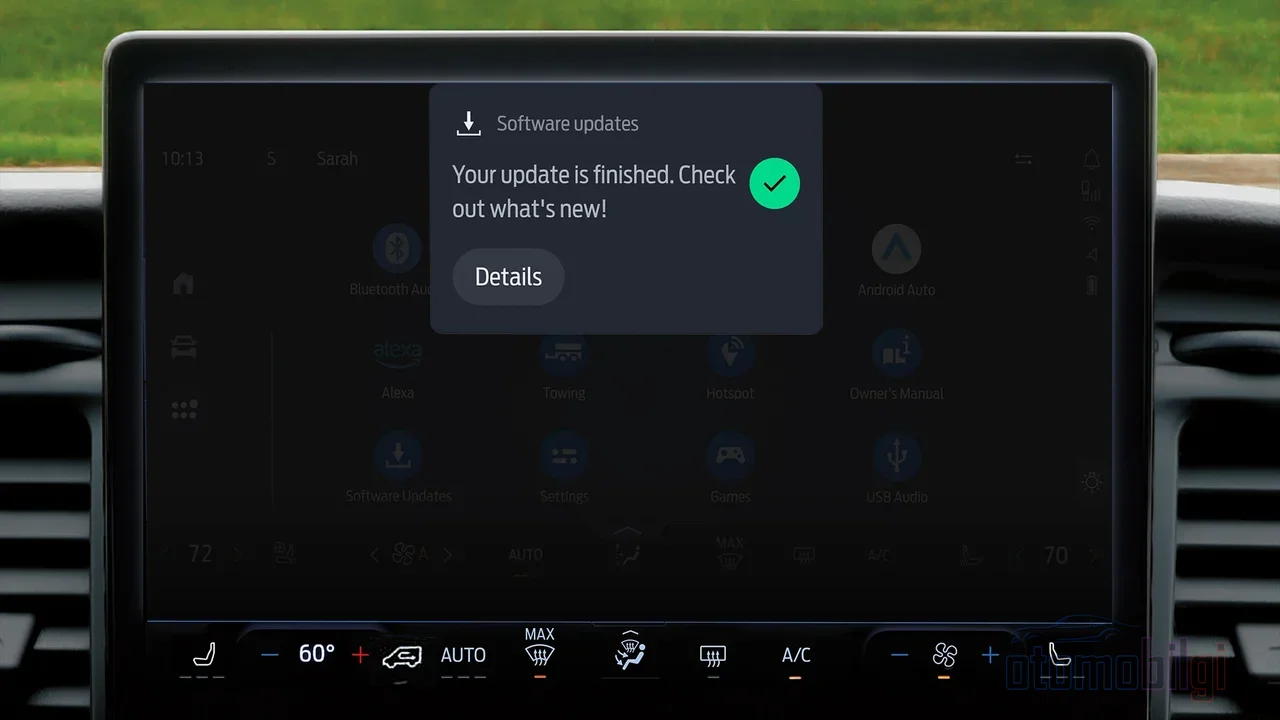
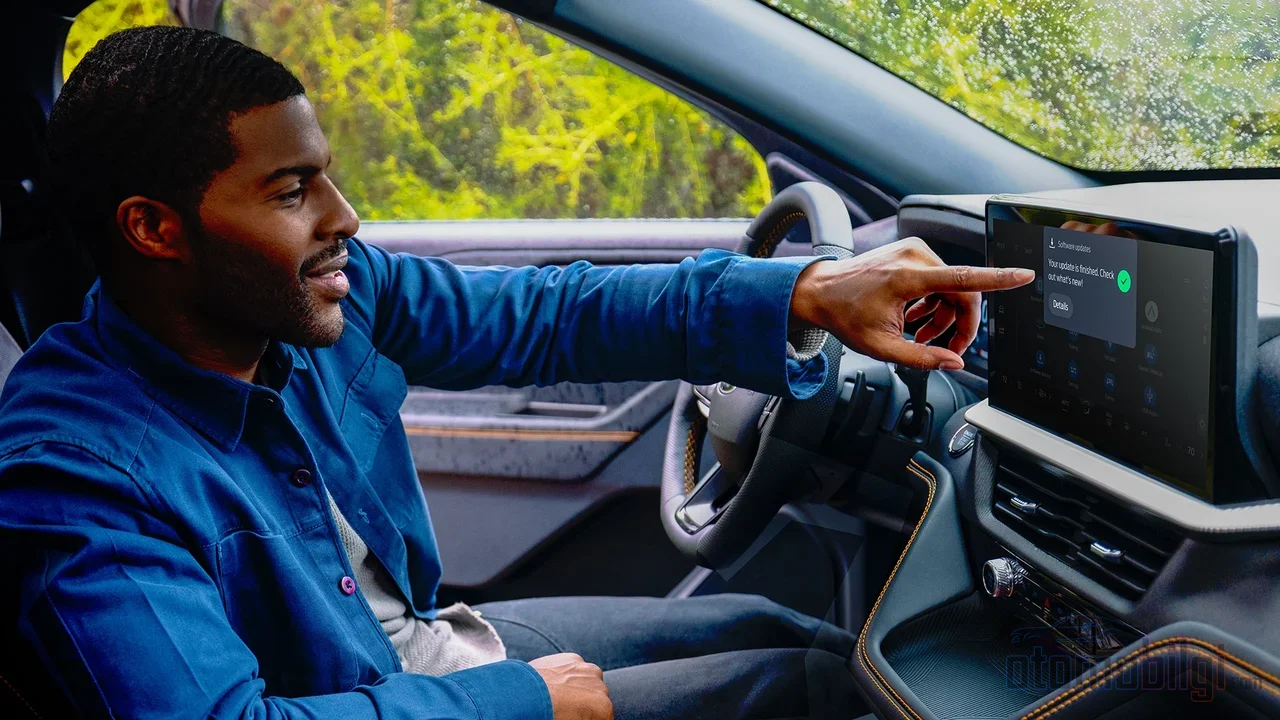
OTA, meaning "over-the-air" update, means the vehicle's software being delivered remotely and wirelessly - via Wi-Fi or a cellular network. You don't need to go to the dealer; it's like a phone update, but inside a giant metal body. The update reaches the vehicle's Telematics Control Unit, or TCU for short. The TCU then distributes this package over in-vehicle networks like CAN, Ethernet, FlexRay, or MOST to separate control units, i.e., ECUs.
There are two main categories, and this distinction matters: SOTA covers systems like infotainment and navigation; FOTA on the other hand, touches critical systems like powertrain, chassis, brakes, and ADAS. Because FOTA requires far more processing power and safety, on scale only a small number of manufacturers like Tesla and NIO can apply it. Thanks to modular architecture, a navigation update doesn't affect the braking system; that means no fear of your brakes failing because of a map update.
So how does a subscription come out of this? OTA updates enable dynamic configuration changes; the manufacturer can connect to your car remotely and activate a feature with a single-line decision. Since the hardware is already in the vehicle, moving from one-time sales to service-based revenue becomes very easy. Instead of selling once, selling every month - that is exactly the business model. According to analysts, by 2023 half of the global top 10 automakers would offer feature unlocking via software updates, and that prediction was not far off.
There are good examples showing this is not just small things like "seat heating". In 2019, Tesla Model 3 offered owners an acceleration package that improved 0-100 acceleration from 4.6 seconds to 4.1 seconds for $3,000 and became the first manufacturer to turn OTA upgrades into a revenue stream. Lucid enabled Android Auto and Apple CarPlay compatibility through an OTA update. Volvo released a major software update that overhauled the infotainment screens from top to bottom. So your car can gain new capabilities over the years, just like your TV at home - provided you pay for it.
The Heated Seats Affair: The Most Controversial Moment of Subscription
The most famous example of this issue is undoubtedly BMW's heated seat subscription. Drivers had to pay around $18 per month to use the heated seats already installed in their cars. The reaction was fierce: "Your car already has heated seats installed, and BMW just wants $18 a month for you to use them." Moreover, even if customers had never wanted the seats, technically they had already paid for that hardware in the vehicle's price.
BMW in September 2023 backed off from this subscription, and it lived for less than a year. But the story does not end there: although BMW gave up charging for heated seats, it did not completely abandon the subscription model. In other words, the company redrew the line on which features could be sold via subscription; seat heating fell outside that line, but software-based services are still inside it. In my view this is a subtle but very important distinction - and the debate is precisely about where that line should pass.
Which Features Are Subscriptions, and Which Are One-Time Purchases?
Not everything turns into a subscription; the real picture is more complicated. Features such as remote start, navigation, connectivity services, performance and advanced driver assistance tend to become monthly or yearly subscriptions. Others can be unlocked for life with a one-time purchase. Typical car subscriptions range from $10-25 per month or $300-500 per year ; some are offered as packages.
| Service | Subscription | One-Time |
|---|---|---|
| GM Super Cruise | $39.99/month or $399/year | - |
| Ford Connectivity Package | $14.99/month or $149.95/year | $745 |
| HondaLink | $10/month-$26/month ($110-260 per year) | - |
| Ford BlueCruise | $280 per year service plan | $1,900 hardware/package upgrade |
There is also a fine detail: Hyundai and Kia require an active telematics subscription for OTA updates. If you don't have a subscription, you may have to go to a dealer for the update and pay a service fee. In other words, it is not only features - sometimes simply keeping your vehicle up to date can go through the subscription gate as well. Tesla's active driver assistance system also requires a monthly subscription.
Do Subscriptions Only Sell Features? The Update Side
Subscriptions have a broader impact than it appears. OTA updates now even cover safety recalls: Ford, GM, Mercedes-Benz, Porsche and Stellantis have issued recalls that can be done via OTA. Under federal law, safety recalls are free for vehicles up to 15 years old . A physical recall can cost a manufacturer up to 500 dollars per vehicle; OTA eliminates this cost. So from the manufacturers' perspective, a software update is both a revenue stream and a cost reducer - both at once, isn't that nice?
There are things to watch out for on the safety side as well. In May 2025, a Volvo XC90 driver crashed after an OTA update affected the braking function; in October 2025, some Jeep s lost power while driving after a failed OTA. In both cases, the manufacturers released a new OTA that fixed the error. According to experts, in a well-designed system, only software signed with the manufacturer's cryptographic signature can be installed, and the risks are relatively low; moreover, an un-updated vehicle actually poses a higher risk. Updates can take anywhere from a few minutes to 90 minutes; most vehicles cannot be used during this time, and EVs may require a charged battery.
Subscription or Injustice? Let's Look at Both Sides
The argument against is very clear: since the cost of the hardware is already reflected in the vehicle's price, the subscription seems like a kind of "double charging." Consumers' summary is this: "I bought all the hardware, it is my right to decide how to use it." There is also the concept of "subscription fatigue" - with streaming services, cloud storage, phone apps and so on, hundreds of small payments pile up every month, and the car is being added to that list.
Those in favor think differently. According to them, software-defined vehicles offer owners flexibility: you can pay only for the period you need it - for example, you could turn on heating for a month for a long winter trip and then turn it off. Manufacturers also gain insight into which features are actually being used and can reflect this in development. While admitting that the heated seat backtrack stemmed from consumer concerns, there is also a defensive argument - so much so that some commentators even raised the question of whether BMW was "right" with that subscription. I don't entirely agree, but it is clear that both sides of the debate have serious points.
What Should You Pay Attention to Before Buying?
Here comes the most useful part! It is still unclear to buyers which features in a vehicle are locked by software; that's why get your document folder ready and apply this list:
- Ask the dealer in writing whether the features you want (connectivity, driver assistance, remote start) are free or subscription-based
- Find out the subscription prices and the annual total; 300-500 dollars a year may seem small, but it adds up
- Check whether there is a one-time purchase option; some packages allow a lifetime payment of around 745 dollars
- Ask whether OTA updates are tied to a subscription requirement
- If you are buying second-hand, test the CarPlay/Android Auto compatibility, USB ports, and Bluetooth connection on the spot
After buying your vehicle, also pay attention to the following: Don't ignore software updates; check the settings menu regularly. Read the update release notes - manufacturers sometimes use vague expressions like "general improvements". Perform the update when you don't need the vehicle, with a good signal and while parked; don't open the doors during the process. Never install updates from unofficial sources, and enable two-factor authentication with a strong password on your account.
The Bottom Line: Is the Car Now a Service?
Manufacturers are now moving vehicle features increasingly toward a subscription model, and this is fundamentally changing car ownership. The technology side is genuinely exciting - your car can actually get younger as years pass. But on the wallet side, caution is a must: Knowing which hardware you paid for and what is subject to extra fees is now basic literacy for anyone interested in cars. Here's my question to you: Would you pay a monthly fee for a feature that is already sitting in your vehicle?
Sources
- Impact of OTA Software Updates on Automotive
- OTA Car Software Updates: Are They Safe and How Do They Work?
- What is OTA in automotive? Over the air updates explained.
- Future-Proofing Automotive Software via OTA Updates
- How OTA updates enhance software-defined vehicles
- BMW Drops Controversial Heated Seats Subscription Service
- BMW Commits to Subscriptions Even After Heated Seat Debacle
- Nickeled and Dimed? Why Automakers Are Moving to Subscriptions
- Your Next Car Comes With A Monthly Bill-And It's Not The Payment
- Connected Car Subscriptions
- What Automakers Offer App Subscriptions and How Much Do They Cost
- How to Spot (and Avoid) Sneaky Car Subscription Services
- US Car Subscription Market Report
- Why BMW Was Right To Make You Pay A Subscription For Heated Seats
- Hidden Used Car Tech Features Buyers Overlook