Why Is Palou Driving an Indy NXT Car at the IMS Track?
Share This Page
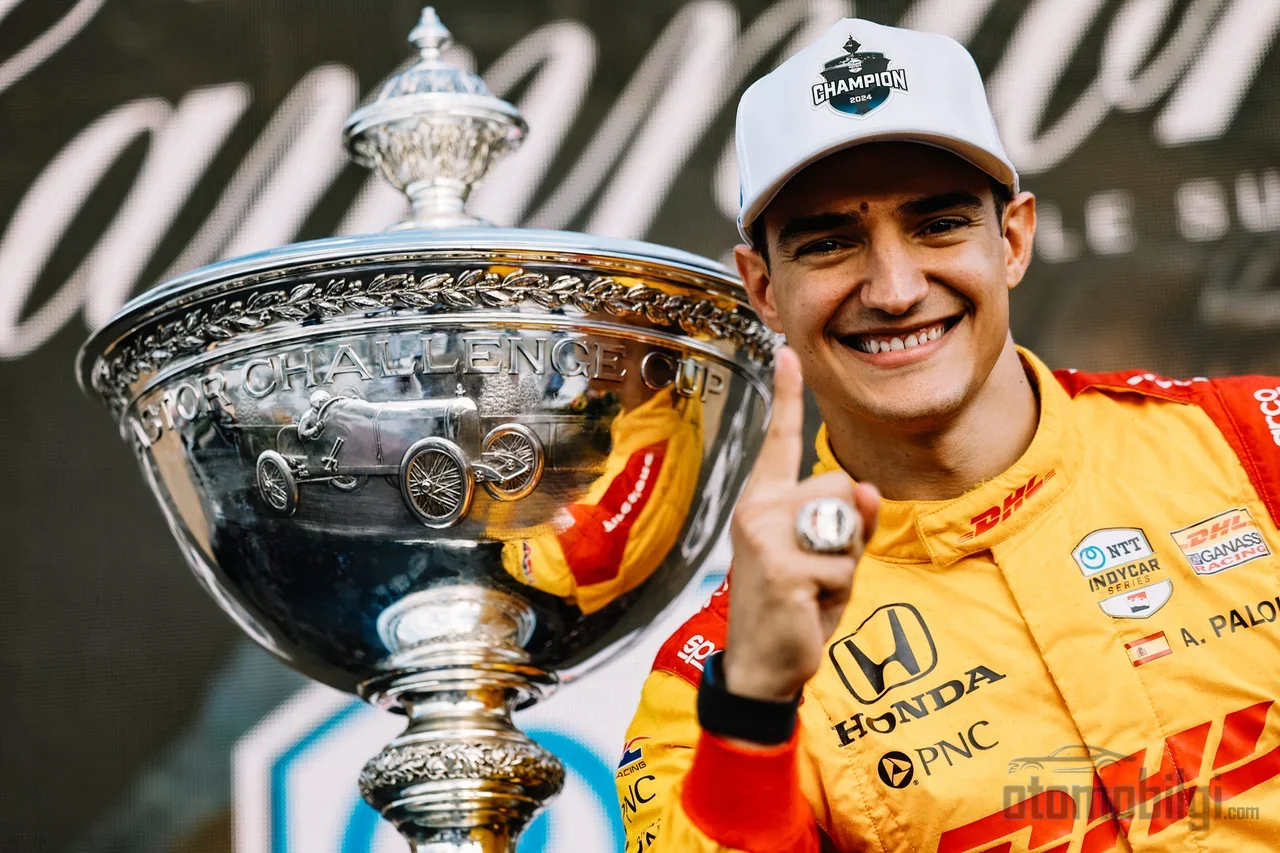
Alex Palou, having already secured the IndyCar championship, got behind the wheel of an Indy NXT car for the first time in his career on October 16, 2026, at the Indianapolis Motor Speedway road course. The reason was not simple curiosity: Chip Ganassi Racing was looking for an experienced reference driver to replace Carson Etter, a full-time Indy NXT driver who suffered an injury; Palou joined the test to contribute setup knowledge and a measurable performance benchmark to his team's four-car development program. The result: He passed all 22 cars and finished the day as the fastest name with a 1:14.5050.
Highlights
- Alex Palou drove an Indy NXT car for the first time at the Chris Griffis Memorial Test on October 16, 2026.
- The leader of the 22-car field with 1:14.5050; the fastest among the regular Indy NXT drivers was Tymek Kucharczyk (1:14.8209).
- Palou took the track in the No. 11 CGR car in place of Carson Etter, who underwent shoulder surgery.
- An Indy NXT car produces approximately 200-300 horsepower less than an IndyCar.
- CGR expanded its Indy NXT program to four cars in 2026; there is not yet an Indy NXT race win.
Why Is a Champion Driver Getting Into a Development Series Car?
Palou's role in this test can be summarized under three headings. The first is practical: Etter's inability to take the track due to shoulder surgery pushed CGR to search for a name to fill the seat. The second is technical: the team wants a driver with a proven track record in IndyCar to evaluate the quality of the Indy NXT setups. The third is strategic: what is still missing on Ganassi's Indy NXT side is a race win, and the program needs to be accelerated to change that.
For Palou, the picture is a bit simpler. A five-time NTT IndyCar Series champion, winner of the 2025 Indianapolis 500, and the 2026 champion getting into a development series car might seem like an unnecessary effort at first glance. But those who look deeper into this business know: driving a different machine maintains a certain muscle memory and flexibility in interpreting the car for a driver. Palou himself frames the matter not as racing ambition but as an excuse to gather knowledge; it is reported that when the offer for the test came, his answer was an easy yes, because he loves driving all kinds of cars. Yes to the test day, no to racing.
What Is the Chris Griffis Memorial Test and Why Is It Important?
Organized in memory of Chris Griffis, the former Schmidt Peterson Motorsports team manager who died suddenly in September 2011, this test is essentially the closing and opening event of the Indy NXT ecosystem. Teams evaluate drivers, conduct setup trials, and prepare for the next season. The 2026 event was held between 9:30-16:30 ET, with 22 cars completing a total of 1,573 laps on the 2.439-mile road course with 14 turns. The cold and overcast weather conditions also showed that the teams' hands were tied when it came to keeping conditions as neutral as possible. The Turn 2 spectator mounds were open to fans; this shows that the test was not a closed-door practice session, but, as Radikal put it, the season's first showcase.
It is reported that Palou's car carried an R marking with a Rookie plate; The Spanish driver is said to have remarked that this felt strange to him, but that technically he is a rookie and his first expectation was not to be the fastest. Still, being at the top of the timesheet raises the dose of track and team familiarity.
Track Knowledge and Reference Times: Palou's Three Trump Cards
Palou had three clear advantages in this test, and none of them are abstract.
- Track knowledge: He has three Sonsio Grand Prix victories at this road course over the last four years. By his own account, knowing the track makes the job easier; he already has a mental map of which corner to brake into on which approach.
- Setting reference times: He sees his teammate Alessandro de Tullio as the baseline benchmark; de Tullio took two wins and eight poles in 2026 and had finished sixth in this test with a 1:15.0009. The lap times of an IndyCar champion serve as a ruler that shows young drivers their shortcomings in concrete terms.
- Setup insight: As CGR's driver development director Chris Wheeler noted, having a driver of Palou's caliber in the car provides serious insight while the program is scaled up. This insight translates into concrete data in the form of telemetry, driving interpretation, and braking-transition techniques.
In a classic development test, when young drivers share the same telemetry screen with an experienced name, the way they measure themselves changes. The notebook records on the Indy NXT side show that young drivers had the opportunity to learn from Palou's feedback. So this test is not only about Palou learning; it is also about those around him learning from him.
CGR's Four-Car Indy NXT Plan and the Win Drought
Chip Ganassi Racing's success on the IndyCar side is beyond dispute; but things have progressed differently in Indy NXT. The team still has no Indy NXT race victory, and expanding the program to four cars in 2026 is a tangible sign of its intent to change that. Palou's participation in the test is also part of this effort: to assess the quality of the cars, showcase the program's capability, and run the speed through the filter of a championship-experienced name.
At this point, the old-versus-new comparison is inevitable. In the past, teams saw development drivers as long-term investments and showed up at tests with young names. Now, teams seat proven names in their programs, who have internalized speed measurement, in the car on a short-term basis to find the right setup. The Palou example is the highest-profile version of this approach; an IndyCar champion setting the fastest lap in an Indy NXT test elevates both the program's prestige and the quality of measurement at the same time.
How Does an Indy NXT Car Differ from an IndyCar?
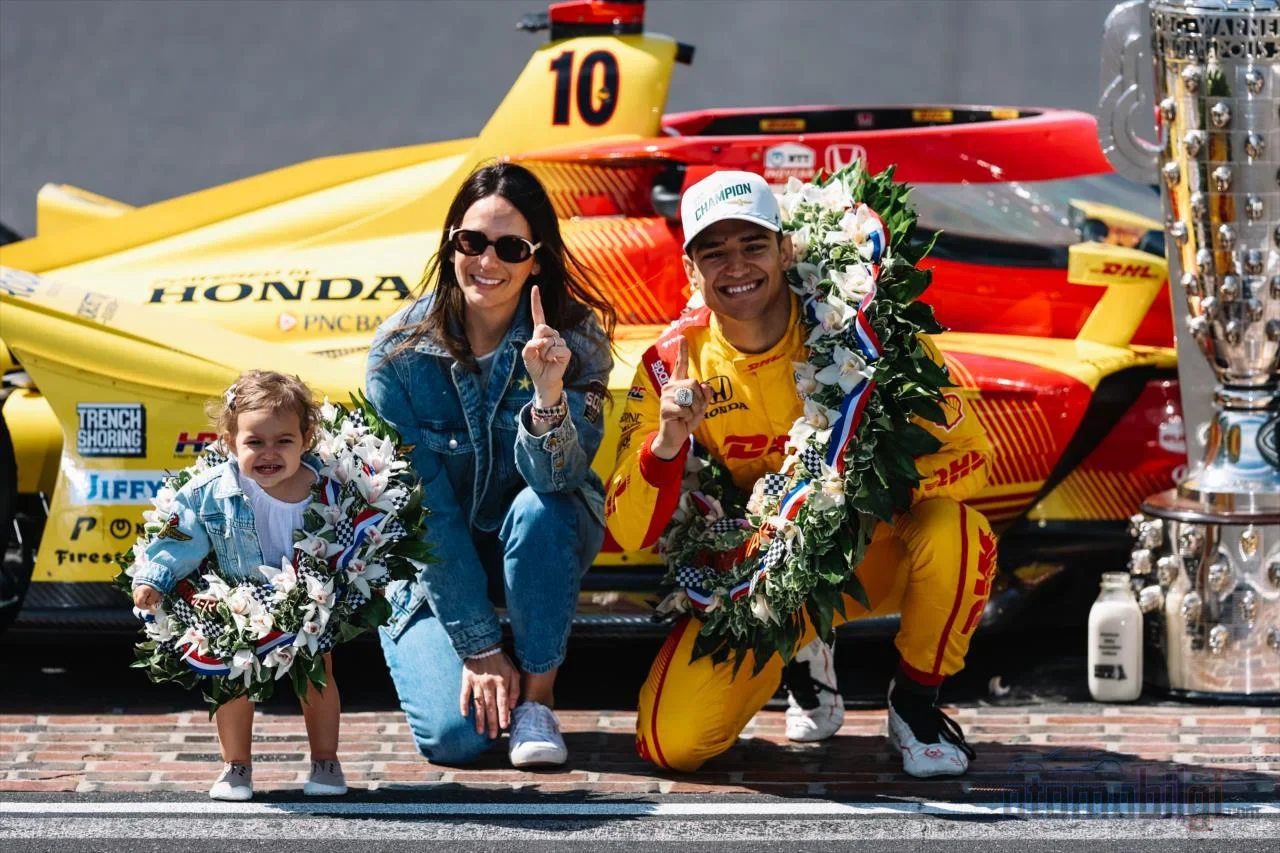
If you were to ask why this experience is valuable for Palou, it is enough to look at the technical difference. The Indy NXT car produces roughly 200-300 fewer horsepower than an IndyCar; downforce is lower, and braking characteristics are different. Palou emphasizes that IndyCar experience can help, but braking technique and habits of interpreting the car are completely different in Indy NXT; this machine is closer to the Formula 3-like cars he drove 8-10 years ago. In other words, the track is familiar, but the machine is not.
| Feature | IndyCar | Indy NXT |
|---|---|---|
| Power | Roughly 200-300 horsepower more | Roughly 200-300 horsepower less |
| Downforce | Higher | Lower |
| Braking characteristic | Unique to IndyCar | Markedly different |
| Driver experience | Championship level | Development series |
The Young Drivers' Table: Kucharczyk and Taylor Stood Out
Although the main topic was Palou, the real stakeholders of the test were Indy NXT's regular drivers. The two fastest names were the highest-ranked entrants in the 2026 championship standings: Tymek Kucharczyk (No. 71 HMD Motorsports) was second with 1:14.8209, and Max Taylor (No. 28 Andretti Global) was third with 1:14.8453. Max Garcia from HMD finished fourth with 1:14.9443, and Jack Beeton completed the top five with 1:14.9577. This table serves as an early sign of which drivers are in form before the season starts.
Another detail worth summarizing under a heading: Palou has already been through a busy stretch. On October 3, he drove the Acura ARX-06 prototype for Meyer Shank Racing at Petit Le Mans; he was in the Lone Star Racing Mercedes-AMG entry at the Indianapolis 8 Hour; and he tested the new IndyCar chassis debuting in 2028, called the IR-28, for 43 laps at Sebring. The Indy NXT test should be read as one link in this packed schedule. In other words, this is not a trial a driver did in his spare time, but a planned piece of work that is part of the team's development strategy.
The Test's Meaning Within the IndyCar Ecosystem
The Chris Griffis Memorial Test is a connection point that keeps the bond alive between the top rung of the IndyCar ladder and the main series. For teams, it is setup data; for drivers, an exam ahead of next season; and for fans, a showcase that gives an early idea about the 2027 Indy NXT season (which starts on the first weekend of March). Having an IndyCar champion appear in this showcase both draws attention to the development series and makes the gap between the main series' stars and the young drivers on their way up numerically visible.
Palou's time is, in a way, a measure of that gap. A lap just over 0.3 seconds behind the fastest of the Indy NXT regulars is quite meaningful for a first day in a different car; but Palou himself emphasizes that the result came not from chasing the top spot, but from learning. This test was not a race; but it is a well-constructed example of the kind of knowledge exchange that circulates in the IndyCar ecosystem.
Conclusion: A Champion's Day of Gathering Knowledge
Palou's Indy NXT test was a move made with a more complex list of goals than the headline might suggest. Filling Etter's gap, adding setup insight to CGR's four-car program, leaving a measurable benchmark for the young drivers, and accumulating a different machine experience for himself. Ending the day fastest was a surprising but not entirely unexpected bonus added on top of these goals. The rest will be revealed on track when the 2027 season begins in March.
Sources
- Alex Palou To Help Ganassi Hone INDY NXT Setups at Griffis Test
- Tymek Kucharczyk Tops INDY NXT Regulars at Griffis Test
- Palou predictably quickest in Indy NXT test
- Palou Sets The Pace For Indy NXT Testers
- Griffis Test Notebook: Drivers Savor Chance To Learn From Alex Palou
- No Rest for Palou: INDY NXT test latest stop in busy offseason
- Five-Time IndyCar Champion Alex Palou Will Test INDY NXT Car At Indy
- Alex Palou to drive CGR's Indy NXT car at IMS test this week