Driving Habits That Reduce Fuel Consumption
Share This Page
Fuel-saving driving habits are the sum of all behaviors that change how many kilometers per liter the same car can travel: steady and moderate speed, avoiding sudden acceleration, not idling unnecessarily, correct tire pressure, reduced load, and smart use of air conditioning. When these habits are applied, consumption between 6% and 12%, and in the hands of a skilled driver it can drop even further. In other words, the same car can show completely different figures with two different drivers; the difference lies not in the car, but in the throttle foot and the habits.
Highlights
- Most cars 50-80 km/h operate most efficiently in this range
- Per hour, 120 km of speed consumes about 20% more fuel than 100 km/h
- An idling engine consumes on average 1 liter of fuel per hour
- Every 25 kg of extra load increases consumption by about 1% increases
- Regular tire pressure checks alone provide at least 1.5% savings
I have been in this business for over thirty years; over the years engines got smaller, injection systems got smarter, and consumption figures dropped. But the surprising thing is this: the complaint of "my car burns too much fuel" in forums and coffeehouse conversations has never faded. Because the problem is usually not in the car, but in the person behind the wheel. The driver who achieves consumption close to the catalog value and the driver who strays 25% from it usually hold the keys to the same model. In this article, I will explain how to bring consumption down without taking your car to a lab, simply by reviewing your own driving habits.
Why is the relationship between speed and consumption so steep?
The range in which a car uses fuel most efficiently is usually 50-80 km/h ; in some measurements this band extends up to 80-100 km/h. Why is the range so wide? Because the most economical point balances engine rpm, gear level, and the extra load imposed by aerodynamic drag all at once. At low speed, low rpm is efficient, but on the highway, as speed increases, the cost of pushing through the air grows exponentially. That is why there is no single "magic speed"; as long as you drive in top gear at a steady pace without keeping the revs high, you are fine.
To give a concrete example: a car traveling at 120 km/h consumes about 20% more fuel than one traveling at 100 km/h. So what does this speed difference gain you in travel time? On a 25-kilometer journey, the answer is modest enough to be disappointing: just two minutes. Raising the highway speed down to the 110 km/h band, on the other hand, means up to 11% less consumption. Back when fuel was cheap, the logic of "arriving early is saving" was widespread; in today's price tables, that logic easily reverses.
As important as speed is the steadiness of speed. A drive that fluctuates the speed up and down between 75-85 km/h every 18 seconds can increase fuel use by 20%. The speed limiter works well for this on flat and long highway stretches. On hilly sections, however, the engineering advice is different: do not intervene with the speed, allow the vehicle to accelerate slightly downhill; trying to maintain speed uphill means extra throttle, and that is fuel out of your pocket.
Sudden acceleration and idling: two silent sources of waste
Being gentle with the gas pedal is savings for free
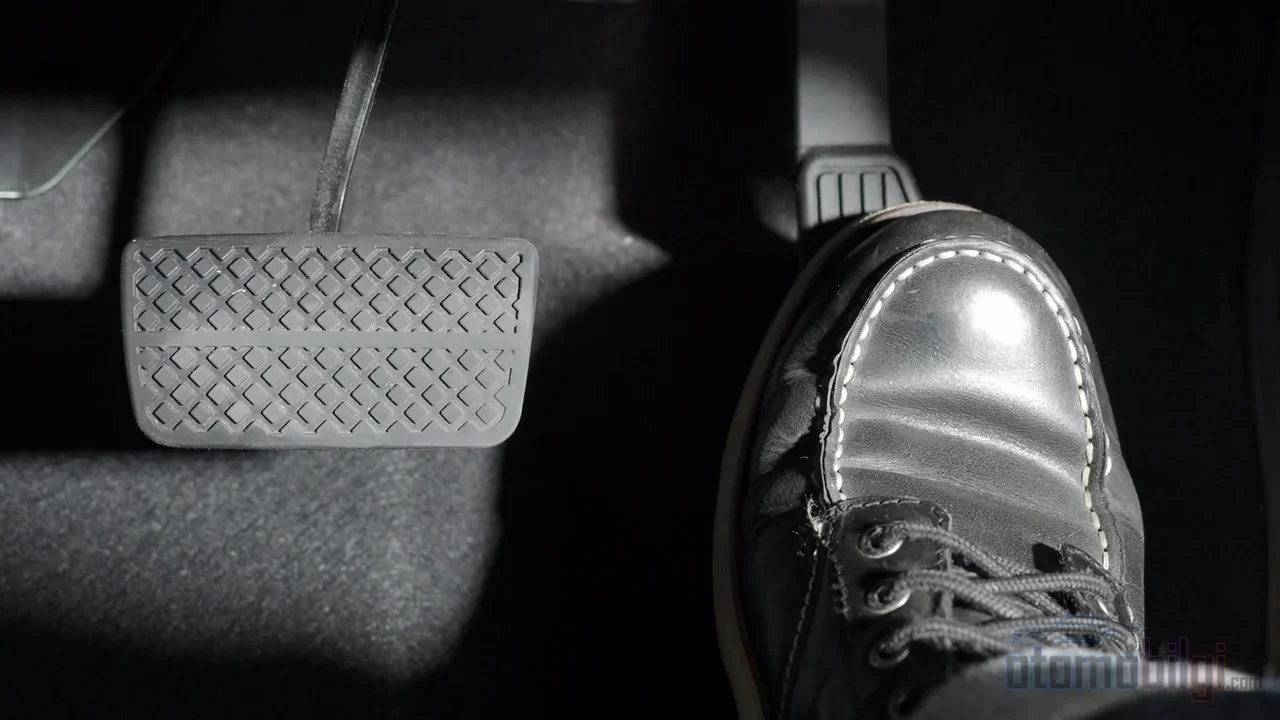
Sudden acceleration, sudden braking, and driving at high revs are the trio that consumes fuel the fastest. A practical rule within the city is this: reach 20 km/h gradually in five seconds. Hold the throttle as delicately as if a cup of coffee were sitting on the dashboard; if the coffee is not spilling, consumption is not climbing either. In vehicles without a gear indicator, shifting up without exceeding 2,500 rpm is a good reference; waiting in low gear is only the job of the first few seconds.
Let me also correct a long-standing misconception here: shifting into neutral and coasting is not saving, on the contrary, it consumes fuel. When the gear is in neutral, the connection between the engine and the transmission is broken and the engine continues to burn idle fuel. Taking your foot off the gas and stopping while in gear, that is, engine braking, cuts off fuel injection in injection engines because it receives rotation through the transmission. When approaching a red light or a queue, easing off the gas early and coasting to a stop protects both your brake pads and your tank.
An engine idling away makes no one rich
Idling is the least talked-about item of waste. An average vehicle consumes close to 1 liter per hour of fuel at idle; a large 3-liter engine burns 300 milliliters, that is, more than a glass, every 10 minutes of idling. Waiting with the engine running in front of a school, idling during a long cameral saying "I'm warming it up," all of these are liters flowing away for nothing. Modern engines do not need lengthy warming up like before; warming up a cold engine at idle, just like suddenly loading a cold engine, is a habit that increases consumption. Turning off the engine during stops outside of traffic provides gains in waits exceeding 30-60 seconds; if the vehicle has a Start&Stop system, it does this automatically for you.
How do tire pressure, load, and air conditioning affect consumption?
Beyond driving habits, three technical factors directly determine consumption: the air in your tires, the load in the vehicle, and the air conditioning. Each of these are items that take less than five minutes to fix but make a visible difference in the annual account.
| Factor | Effect on consumption | Note |
|---|---|---|
| Insufficient tire pressure (below 10 psi) | Approximately 3% extra consumption | Tire wear increases by up to 45% |
| 0.3 bar less air | Approximately 1.5% extra consumption | Rolling resistance increases |
| Every 25 kg of extra load | Approximately 1% increase | Do not use the trunk like a warehouse |
| Unremoved roof box | Up to 20% increase | Creates aerodynamic drag on the highway |
| Air conditioning use | Up to 20% increase | AUTO function is the most efficient mode |
Tire pressure is the cheapest gain of all. You can find the correct values in the owner's manual or on the sticker inside the door; blindly inflating them is also wrong, because excessive pressure unnecessarily heats the tire and increases the risk of a blowout. Check the pressure at a gas station once a month; this single habit alone means at least 1.5% savings and can extend tire life by tens of thousands of kilometers.
As for load, you will find that the roof box you never use has become a permanent resident that never leaves the vehicle; that box cutting through the air on the highway can raise consumption by up to 20%. The formula for air conditioning is simple: at low city speeds, open the windows; above 80 km/h, keep the windows closed and the air conditioning on; the drag created when fast-moving air enters through the window costs more than the air conditioning. Using the recirculation feature on the air conditioner is useful because it finishes the cooling job quickly and leaves the compressor idle.
How to drive economically in Türkiye's traffic conditions?
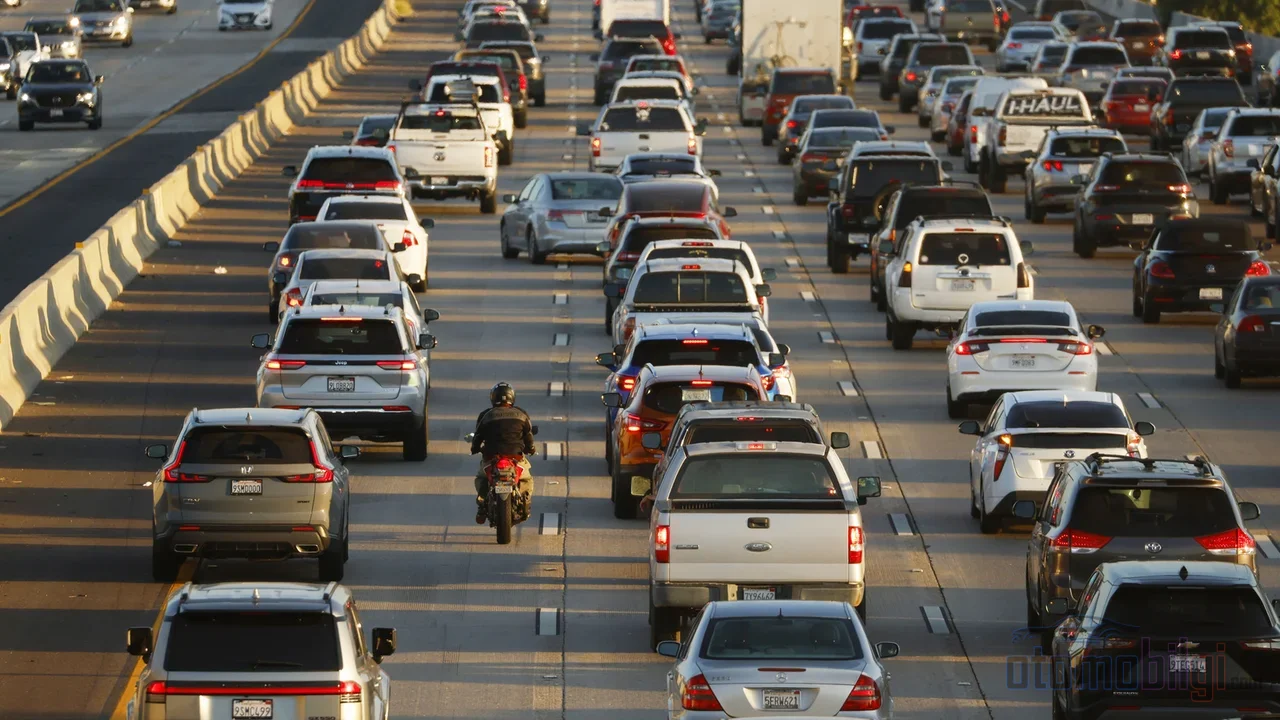
Our city traffic is the toughest exam for economical driving. The stop-and-go cycle, intersections entered abruptly, the accelerator pedal constantly in exploration mode... Still, there are things to be done. First, increase your following distance; getting too close to the vehicle ahead means hard braking every time, followed by hard acceleration. Second, plan your route according to traffic density: over the same distance, a side road with no waiting at lights can be both faster and cheaper than the main street. Also, combining several errands into a single trip yields gains related to engine coldness as well; two separate short trips with a cold engine burn more fuel than one long trip with a warmed-up engine.
Avoiding morning and evening rush hours, if possible, is also a kind of saving method; every minute you spend in heavy traffic inevitably means idling or low-gear fuel consumption. On hilly routes, enter the hill by gaining speed, and ease off the accelerator early on the way out. These are, of course, savings made with planning power, not wrist power; but it is precisely these plans that make the biggest difference at those moments when city consumption doubles those catalog values.
Measuring consumption and turning savings into an annual expense account
Continuing to save without measuring is like dieting without stepping on the scale. The most reliable way to measure average consumption correctly is the full-tank method: fill the tank, drive a few hundred kilometers with normal use, refill the tank, and compare the liters consumed with the kilometers covered. The formula is simple: consumption (L/100 km) = fuel consumed divided by kilometers covered, multiplied by 100. The average consumption gauge in the vehicle is a guiding tool; drivers who revise their driving based on these gauges can see up to a 15% drop in consumption. Just do not trust the gauge blindly; long idling periods are not included in the average calculation, so it can sometimes hide the truth.
To convert the consumption you measure into money, use the trip cost formula: divide the distance by 100, multiply by the average consumption, and multiply by the price per liter. My recommendation is to track not per liter but cost per kilometer is to think in terms of cost per kilometer: divide the amount you spend by the kilometers covered. "So many liras per liter" is an abstract figure; "this much per kilometer of mine" directly tells you what came out of your pocket. Once you have this baseline figure, change your habits one by one and measure again each month; you will see in numbers which measure saves you money.
In the bigger picture, fuel is just one line item in the total cost of ownership. When comprehensive insurance, traffic insurance, motor vehicle tax, periodic maintenance, tires, and depreciation are calculated together, the impact of a 10% improvement in fuel consumption on the annual budget becomes clearer. Not postponing periodic maintenance is also part of this picture: a clogged air filter disrupts the combustion balance, and old engine oil and worn spark plugs make the engine inefficient. The vehicle's mechanical health and fuel economy are fed from the same vein.
Putting it into practice: what to do in the first month
Theory is nice, but this business settles in with practice. In your first month, do the following in order: fill up the tank and measure your baseline consumption, bring the tire pressure to the label value, remove the unnecessary items from the trunk and roof, open the average consumption display and in vehicles without gauges manage your foot according to the rev line. Switch off idling waits, settle urban acceleration into the five-second rule, and make cruise control a habit on the highway.
Repeat the measurement at the start of the second month. You would love to see a 25% drop in the first week; but those ambitious upper limits are only approached once all the habits have taken hold and the vehicle is well maintained. A realistic expectation is for consumption to drop by a percentage in the tens for a measured driver, which is no small figure in the annual fuel budget. Remember: fuel is the only irreversible expense of vehicle ownership; every liter flowing from the pump never returns to your pocket. To win back half of that liter, applying the values written in the manual and the habits above is the oldest and most reliable method of this business.
Sources
- Fuel-Saving Driving Techniques
- 8 Tips for Fuel-Efficient Driving
- 7 Ways to Save Fuel
- Why Should You Check Tire Pressure?
- How to Save Fuel? The Most Effective Methods
- Fuel Saving in City Traffic
- Tips for Fuel Saving
- Fuel Consumption Calculation
- Vehicle Ownership Cost Calculation Guide
- What Is Fuel Saving, and What Is the Ideal Speed?