How Did the Chrome Age in Cars Come to an End?
Share This Page
The chrome age of automobiles is the name of a period lasting from the 1950s to the early 1970s that measured luxury by shine; safety criticisms, the 1973 oil crisis, and changing tastes ended this era. Today, the stars of detailing are matte black and carbon fiber. So how exactly did chrome disappear? Here's that story.
Highlights
- The first tail fin appeared on the 1948 Cadillac; its inspiration was the Lockheed P-38 Lightning fighter aircraft.
- The 1959 Cadillac Eldorado carried record-breaking fins about 107 cm tall.
- The 1957 Chevrolet grille passed through copper and nickel layers before chrome.
- Today the most popular "chrome delete" color is matte black.
- Carbon fiber is 5-10 times stiffer than steel of the same weight.
Why Was Chrome So Valuable? The Price Tag of Shine
Think of it this way: in a group of friends, whoever wears the shiniest shoes always draws attention, right? In 1950s America, that shoe on cars was chrome. Automotive historians call this decade the "Golden Age" of American automobile design, and not for nothing. Amid post-war prosperity, a new car was a symbol of prosperity sitting in the garage.
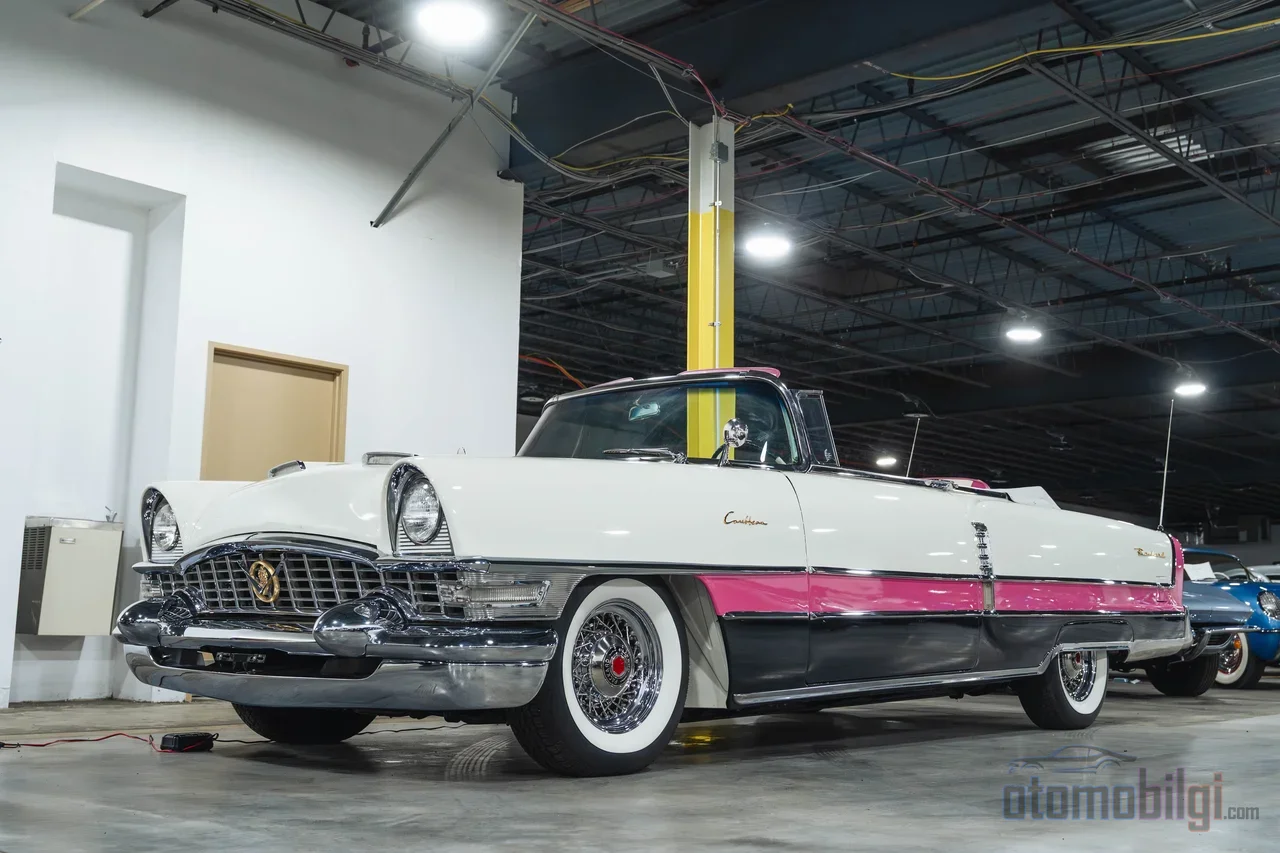
But chrome was not merely an ornament; it was also a price signal. Manufacturers used chrome by the pound on grilles, bumpers, and window frames to visually separate luxury models from economy models. When you looked at a Cadillac, a Buick Roadmaster, and a Chevrolet side by side, you could tell which was more expensive just by the level of shine. Chrome, in other words, was a price tag you could read with your eyes.
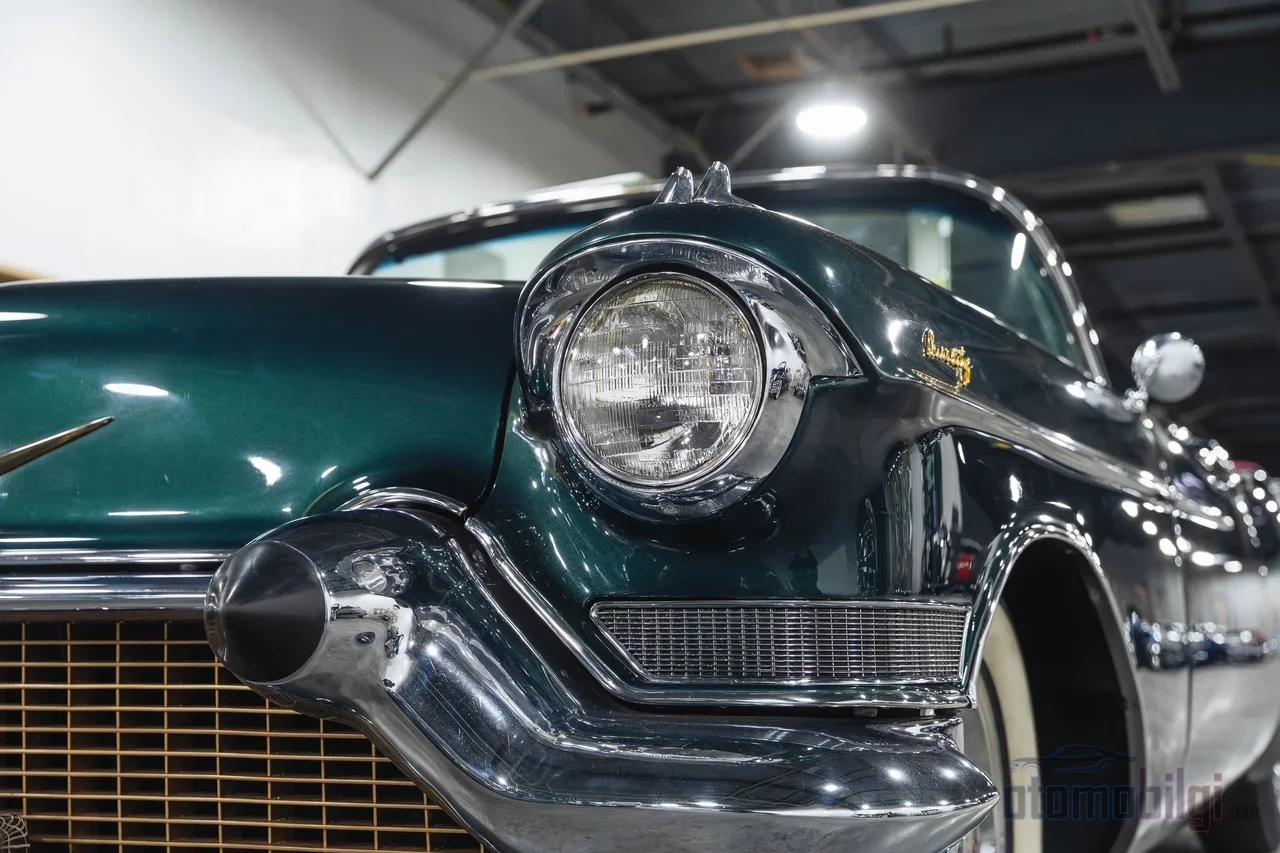
Moreover, there was serious craftsmanship behind that shine. Parts like the 1957 Chevrolet grille were not dipped into chrome in one go; first copper, then nickel layers were applied, and finally the chrome plating came. It's like making a cake: you see the cream, but beneath it there is layer upon layer of effort. Today, even re-plating a single bumper can cost hundreds of dollars.
The Jet Age Lands on the Roads: The Story of Tail Fins
So where did those legendary tail fins come from? The answer came from the sky. In 1941, General Motors design chief Harley Earl took his young designers to an air base and showed them a secret Lockheed P-38 Lightning prototype. The aircraft's twin-tail structure was carried over to the rear of post-war cars. The first fin was seen on the 1948 Cadillac.
What came after? Quite literally a race. The "Forward Look" philosophy introduced by Chrysler's chief stylist Virgil Exner starting with the 1955 model year turned Earl's fin experiment into a growth game the entire industry joined. The 1957 Chrysler models were sharper and lower than GM's. In roughly a decade, fins transformed from a modest detail into a giant ornament: the 1959 Cadillac Eldorado, equipped with twin rocket taillights, carried fins about 107 cm (42 inches) tall. Imagine wings the size of an aircraft tail on the back of a car!
Let us note that in this period some historians have claimed that the 1950 Studebaker was also designed to evoke an airplane; while not everyone agrees with this view, it shows just how dominant aviation was over the design tables of the era. Influential pens of the period include names such as Virgil Exner, Raymond Loewy, Charles Jordan, Richard Teague and Roy Brown.
The End of the Shine: Why Did Chrome Disappear from Cars?
Every excess has a limit. In the 1960s, the safety critiques led by Ralph Nader highlighted heavy decorative trims and sharp fin edges as dangers. The public, while enjoying the excess, suddenly began saying "wait a second, what is this?" Even Cadillac, shortly after its 1959 model, shortened the fins and replaced the twin rocket taillights with simple "knife-edge" lenses.
The real blow came from the 1973 oil crisis. When fuel economy suddenly became everyone's concern, heavy chrome trim and giant fins turned into disadvantages in terms of weight and cost. Manufacturers phased out both by the mid-1970s. Hood ornaments also disappeared into history for similar reasons: the trio of safety regulations, theft concerns and aerodynamic priorities left no room for the little figurines dancing on the hood.
There is also an invisible case: the environment. Automotive designers had been using a material called hexavalent chrome for shine since the 1920s, and the emissions from electroplating processes had long been a source of environmental concern. Stellantis' step to abandon this practice is considered one of the strongest signs that the end of the chrome era is effectively approaching. Although processed chrome itself is not toxic, these production-side problems opened a separate line in chrome's file.
The New Stars: How Did Matte Black and Carbon Fiber Rise?
Now let's return to the present, because this is where things get really interesting. The defining personalization trend of recent years is "chrome delete", that is, covering a vehicle's visible chrome-effect trims, usually with special automotive vinyl film. The most popular choice? Matte black. You can choose a glossy, satin or matte finish if you like, but in the luxury segment matte black is enjoying a new rise of a color that has been popular for decades.
There is an ironic side to this trend: most of today's "chrome" trim is actually plastic. So people are not covering a symbol of luxury, but a detail perceived as cheap. This tells us how much chrome's status power has changed. There is also an ongoing debate: the "black badge" practice has become so widespread that some believe this black finish has now lost its meaning as an "exaggerated performance signal." As the symbol spreads, does its value fall? I think it's worth pondering.
Alongside matte black, the other star is carbon fiber. The numbers speak: carbon fiber is approximately 50% lighter than steel, approximately 30% lighter than aluminum; compared to steel and aluminum of the same weight, 5-10 times it offers a stiffer structure. That is why we see it in sports car chassis. The 2026 design trends are looking in the same direction: manufacturers are emphasizing minimalism, advanced aerodynamics, and smart use of materials. Glossy surfaces are being replaced by soft-touch materials, matte finishes, and sustainable fabrics; digital camouflage, brushed metal, and carbon fiber textures are strong trends.
Comparison of Two Eras
| Feature | Chrome Era (1950s-70s) | Today's Aesthetic |
|---|---|---|
| Status code | Shine = expensive model | Matte black, carbon fiber |
| Source of inspiration | Jet aircraft, skyscrapers | Minimalism, aerodynamics |
| Material | Copper + nickel + chrome layers | Vinyl film, composites |
| The reason that ended it | Safety, the oil crisis, the environment | Demand for personalization |
| Situation today | Bids of $100,000+ at collector auctions | Still on the rise |
The Price of Chrome Today: Nostalgia or Investment?
Here is life's sweet irony: chrome, once used by the kilo and diminished in value until it seemed cheap, now shines in museums. Models from 1957-1959, with the longest tailfins and heaviest chrome, are fetching six-figure, i.e. over $100,000 bids at major collector auctions today. That "excessive" design has become one of the most sought-after pieces in history.
This passion is alive in Türkiye too. The love of classic cars is told through eye-catching chrome details and images of wood and leather shaped with flawless craftsmanship. In Erzurum, Burak Arpacık has turned the curiosity he inherited from his father into an 11-vehicle collection; the collection even includes models of which only two examples exist in Türkiye. Old Opel models are also mentioned as symbols of nostalgia with their chrome details and classic lines. So although chrome has vanished from the roads, it continues to live on in collectors' garages.
Which Do You Prefer: Shine or Matte?
To me, the story of chrome is not just the closing of a design era; it is the answer to a question: what should a car look like to seem "valuable"? In the 1950s the answer was clear: every inch reflecting sunlight. Today the answer has changed: clean lines, matte surfaces, and lightweight materials. What I wonder is this - years from now, will someone write that matte black, too, will fade away as a fashionable choice of an era? Which do you think will stand the test of time: a shiny 1959 Cadillac tailfin, or today's matte black finish? Let's discuss in the comments!
Sources
- The Iconic '50s: Chrome, Tail Fins, and a Dash of Color
- How Chrome and Fins Turned Cars Into Rolling Art
- The Chrome Era May Be Coming to an End
- Why Is Chrome Losing Its Shine With Current Automotive Culture
- The death of car hood ornaments
- Here's Why Chrome Delete is the Best Car Trend
- Has Black Badging Lost Its Meaning in Modern Car Design?
- The Latest Trends in Automotive Color: From Matte Black to Chrome Finishes
- The Biggest Car Design Trends Taking Over in 2026
- The Development Trend of Carbon Fiber Materials in Automotive Lightness
- What Is Carbon Fiber?
- A Meeting Point for Classic Car Enthusiasts
- He turned the curiosity he inherited from his father into an 11-car classic car collection
- Muscle Car and Hot Rod History - Part 2