How Did Italian Design Houses Shape Automobile Design Lines?
Share This Page
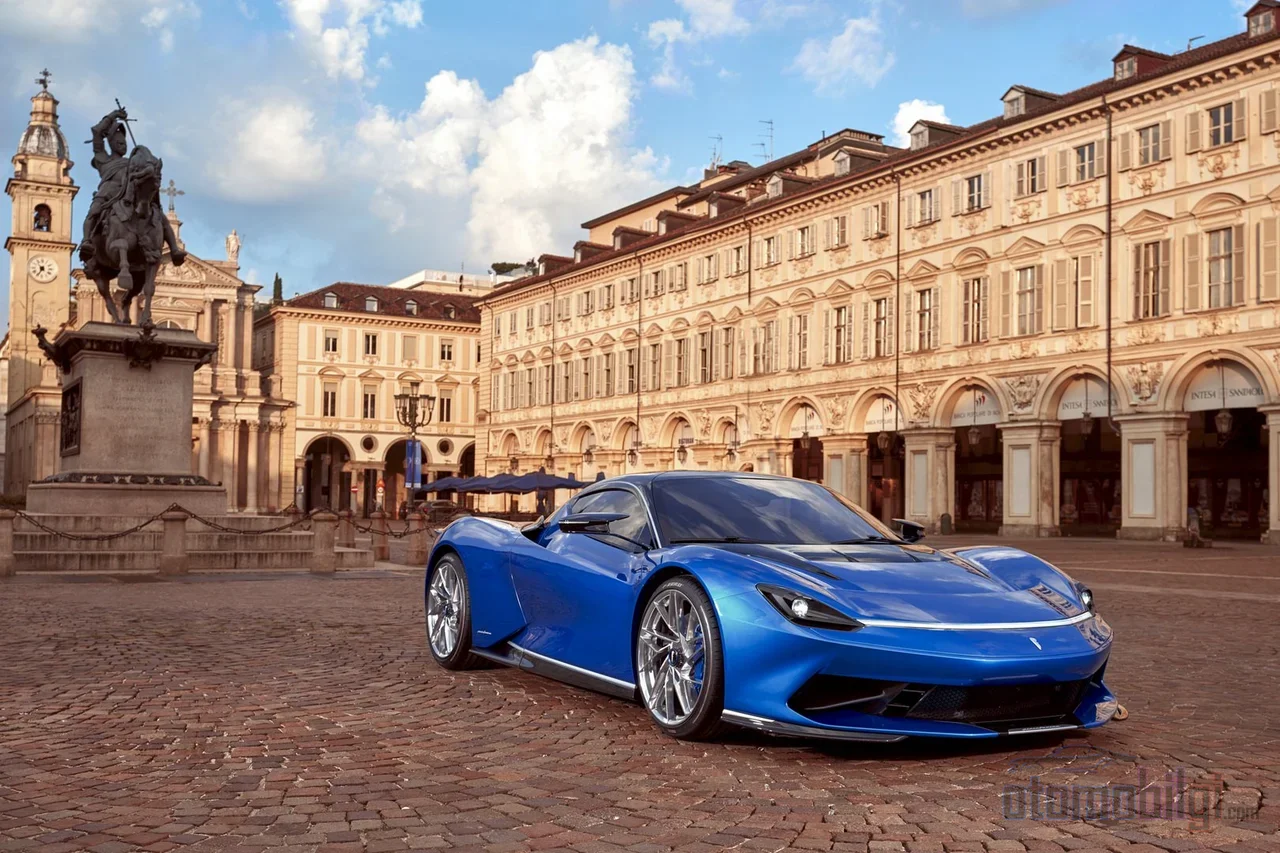
Italian design houses were independent workshops that personally drew the automotive aesthetics of the 20th century, regardless of whose emblem sat on the hood: Pininfarina, Bertone, Italdesign, Zagato and Ghia. Many Ferrari, Alfa Romeo and Fiat models emerged from the drafting tables of these firms; today, the signature of many of the classics we admire belongs more to these houses than to the brands. So how did workshops of a few dozen people become the apple of an entire industry's eye? Let's explain.
Highlights
- Pininfarina was founded on May 23, 1930 by Battista "Pinin" Farina.
- The Cisitalia 202 Coupé was honored in the Museum of Modern Art's (MoMA) automobile exhibition in 1951.
- The lines of the VW Golf came from Giorgetto Giugiaro's Italdesign table in 1974.
- Pininfarina opened one of Italy's first full-scale wind tunnels capable of testing complete automobiles in 1972.
- The partnership between Ferrari and Pininfarina lasted 61 years; the Dino 308 GT4 was the sole exception.
Workshop, Not Brand: Who Acted Like They Owned the Right to Define What Cars Look Like?
Today, a car's design is done by the brand's own studio; Mercedes has a design department, BMW has a team of hundreds. But it was not always like this. In the past, brands manufactured the chassis and engine, leaving the question of "how should the body look" to independent coachbuilding workshops. These workshops in Italy became so powerful that in 1984 a newspaper wrote "Pininfarina, Bertone, Ghia and Italdesign are known everywhere cars are sold," describing Italy as "a country drowned in artistic history."
The most interesting thing about them is this: unlike modern design departments, each of these workshops had a characteristic personality. Looking at Bertone, you would see wedge forms and concepts from the future; looking at Zagato, bold, even controversially avant-garde lines. Even when the brand changed, you could recognize the signature of that workshop - just like spotting a painter's signature on different canvases.
Pininfarina: From a Family Surname to an Industrial Giant
The story begins in 1930. Battista "Pinin" Farina leaves his brother's coachbuilding firm and founds his own workshop; in its first year, it produces a full 50 automobile bodies with 18 employees. The numbers are small, but not bad for a start, right? The real leap comes with the Cisitalia 202 Coupé: this automobile with its low hood and elegant proportions is generally considered the work that established Pinin Farina's fame, and it was honored in MoMA's famous "Eight Automobiles" exhibition in 1951. Displaying an automobile in a museum like a sculpture - it was quite a radical idea for the time.
Then familiar names line up one by one. In 1951, because neither Farina nor Enzo Ferrari wanted to meet at the other's headquarters, a meeting held "on neutral ground" at a restaurant in Tortona launched the Ferrari-Pininfarina partnership. This relationship lasted a full 61 years, and throughout it, the only production Ferrari with a design outside Pininfarina was the Dino 308 GT4. On the Alfa Romeo side, the Giulietta Spider and Pininfarina's first mass-produced vehicle takes the stage: 1,025 units in 1958, more than 4,000 in 1959.
As the workshop grew, it moved beyond being just a "firm that draws beautiful things." In 1966 a research center capable of producing 25 prototypes per year opened, in 1967 a computation and design center, and perhaps most importantly, in 1972 a full-scale wind tunnel. Why does it matter? Because at that time there was no tunnel in Italy where you could test a full-size car in the wind; General Motors' tunnel would not open until 1980. In other words, beautiful looks were now grounded in physics - the design house was transforming into an engineering laboratory.
Even the family's name is a testament to this rise: in 1961, the President of Italy approved the official change of the family's surname to "Pininfarina." In 2015, 76.06% of the company was purchased by the Mahindra Group for approximately 168 million euros; car manufacturing had ended in 2011. Today, Pininfarina is a multidisciplinary group working beyond automotive in architecture, rail, yachts, and product design; its wind tunnel still provides aerodynamic and aeroacoustic testing services to manufacturers.
Bertone: The Birth of the Wedge Form and "Rock Star" Style
Bertone's name has become synonymous with the bold, "magnificently excessive" side of Italian design. Why? Because behind the scenes there was a drawing genius like Marcello Gandini: wedge forms, aggressive lines that made their way onto Lamborghini posters, concepts that seemed to have jumped straight out of the future. Miura, Countach and the Alfa Romeo Montreal - the name behind these legends is exactly this name. By the 1970s, Bertone had virtually become the "rock star" of automobile style - not a design that sat quietly in the showroom, but one whose poster hung on the wall.
But there is an interesting point: Bertone was not alone. Around it were dozens of small coachbuilders and style houses, and they too quietly shaped some of the most beautiful, most influential, and sometimes strangest cars. This ecosystem, which today has been lost in the shadow of a single giant studio, was actually the secret of Italian design: small workshops that competed, fed off one another, and each left its own signature.
Bertone's present day is somewhat sorrowful: news that the design house has at times come close to bankruptcy also fuels the debate about the sustainability of the coachbuilder model. Even if a workshop's aesthetics are very strong, its business model may fail to keep up with the times - a painful but real lesson.
Giugiaro and Italdesign: The Answer to the Question of Who Designed the VW Golf
Here is a section that will make you never forget the table below: the lines of the VW Golf, one of the world's best-selling cars, came off the desk of an Italian design house. Giorgetto Giugiaro and Italdesign had drawn the forerunner of the Golf with the 1969 VW EA 276 concept; 1974 when it went on sale, the Golf I became the revolution of its era with its "clean lines, pure design" formula. The design of this modest hatchback, which took on the difficult task of succeeding the Beetle - the most popular model in automotive history - is considered one of Giugiaro's most widely produced works - in 2024, the Golf celebrated its 50th birthday.
The Italdesign–Volkswagen collaboration established a completely new design language for compact cars: simple, functional, unpretentious. So if the first thing that comes to mind when you think of Italian design is curvy sports cars, let these lines set you straight: the same country's workshops also drew one of the most understated everyday cars in the world. Giugiaro also worked with MoMA on a taxi concept in 1976; this work evolved into a Lancia in 1978. And in 2005, Italdesign produced the Ferrari GG50, Giugiaro's 50th anniversary design.
Zagato: The Workshop of the Avant-Garde, Controversy, and Aerodynamics
When Ugo Zagato founded his workshop in 1919, his business was not producing ordinary bodies: he was building innovative bodies that blended materials science and aerodynamics with sculptural beauty. In 1936, racing driver Vincenzo Lancia had already ordered a two-door streamliner race car from Zagato - meaning "overcoming air resistance" was on this workshop's agenda 100 years ago.
Zagato's signature is striking avant-garde designs; so much so that they often spark disagreement. Some call them "legends," others ask "what kind of car is this?". But creating debate is also a design strength - a car nobody talks about means a design failure. The Zagato–Aston Martin collaboration spanned fully six decades; it should also be added that in the electric future, historic Italian design houses are seeing a reason to "dare."
Speed Versus Beauty? The New Era of Design in the Wind Tunnel
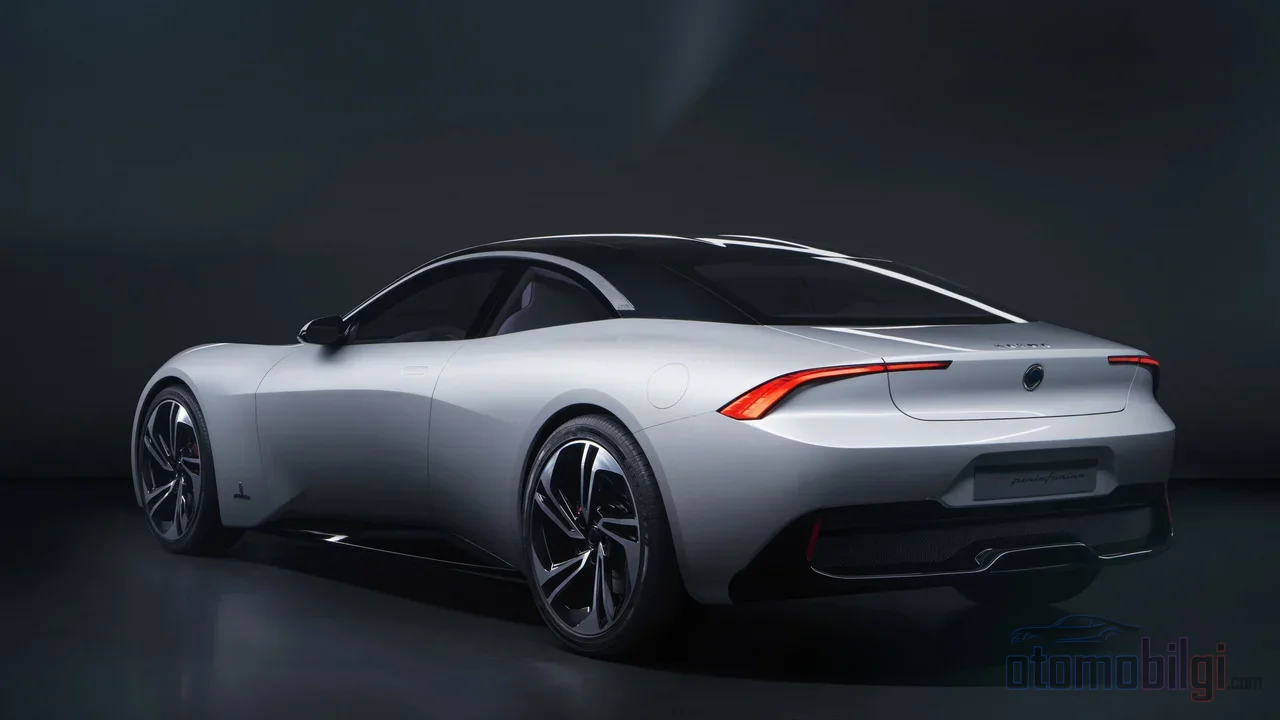
Why would a car design house build a wind tunnel? The answer is simple: from the 1970s onward, beauty alone was no longer enough; air resistance, fuel consumption, and road holding came into play. The tunnel Pininfarina opened in 1972 is a symbol of the era when design and engineering met at the same table. Today, even Pininfarina's magazine treats the aerodynamics known as "ground effect," associated with F1 and prototype racing, as one of the most sensitive areas of vehicle design. There is even an analysis showing that the Lamborghini Miura was tested in a wind tunnel - meaning there is real physics behind supercar aesthetics.
This trend is also clear in the 2026 design philosophy: manufacturers are prioritizing minimalism, improved aerodynamics, and smart material use. The transition from sculpted hoods to aerodynamic minimalism is described as the car of the future virtually "changing its skin." In other words, the journey that began with Gandini's wedge forms continues today in the smooth silhouettes of electric cars.
Where This Journey Intersects with Türkiye: TOGG and Murat Günak
The legacy of Italian design houses is not only in Turin; Turkish designers also have ties to this ecosystem. Murat Günak, a designer of Turkish origin who worked at Mercedes-Benz, is reported in sources to have served as "Design Lead" at TOGG. Italian curator Prof. Luca Molinari, meanwhile, commented on "Türkiye's Car" TOGG, saying it "has a contemporary and good design; it is in Istanbul's DNA." In other words, this design tradition that emerged from the West can also touch the lines of a car emerging from Anatolia today. To me, this is the most beautiful closing sentence of the series.
Whatever the Emblem on the Hood Says
Now stop and think: in the next classic car photo, instead of the emblem on the hood, look at the handwriting of the lines. Perhaps you will encounter Bertone's wedge, Giugiaro's clean corners, or Zagato's bold curves. Italian design houses taught us one thing: a car's beauty sometimes comes less from its brand than from the hands that brought it to life. Do you think today's giant studios can bring back the distinctive signature of those small workshops?
Sources
- The Five Design Houses Behind Iconic Italian Cars
- Pininfarina
- Pininfarina: We move dreams
- Zagato
- The Unsung Heroes of Automotive Design Houses
- Golf - Italdesign
- The Golf - a benchmark of its time - Volkswagen
- Lamborghini Miura in a Wind Tunnel - Road & Track
- Lamborghini Miura Design Brief: La Supercar Originale - Hagerty
- Historic Italian design house sees reason to dare in EV future - The Globe and Mail
- Steeped in artistic history, Italy sets the design pace - CSMonitor
- Come cambia l'automotive design - Italian Design Institute
- Praise for the design of the "Car of Türkiye" - TRT Haber
- Who Is Turkish Car Designer Murat Günak? - Otosor