How Did the Ford Mustang Give Birth to 'Pony Car' Culture?
Share This Page
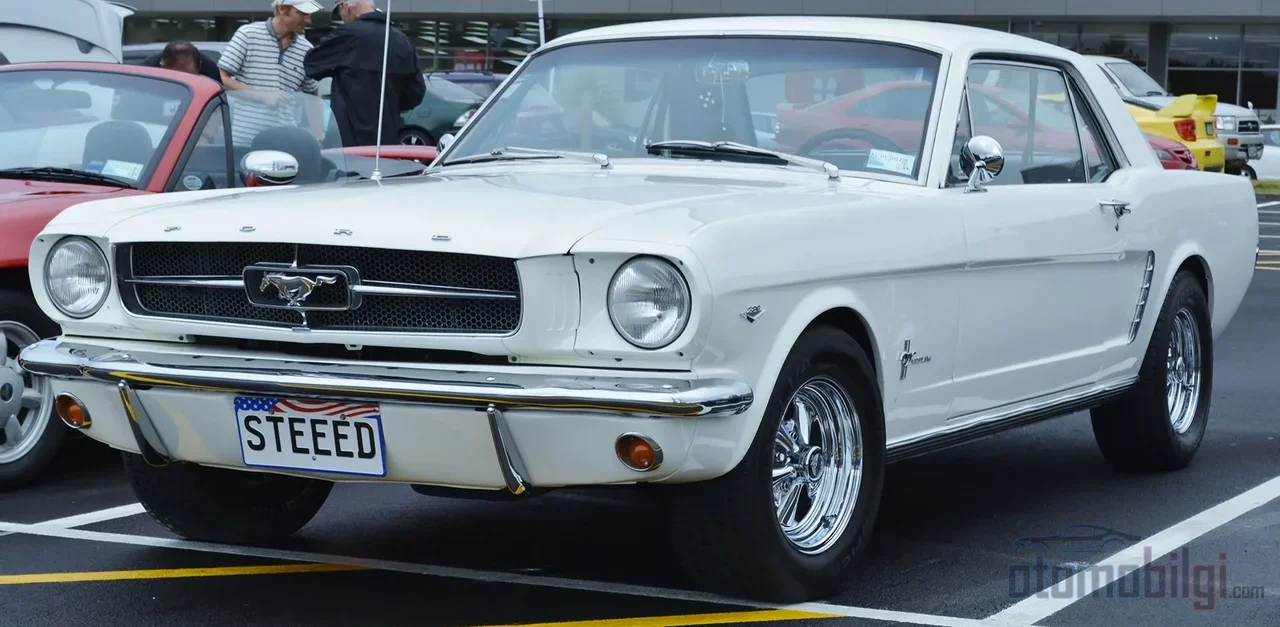
When the Ford Mustang was introduced at the New York World's Fair on April 17, 1964, it was not just a new car - it created an entirely new category of automobile: sporty coupes with long hoods, short trunks, four seats and affordable prices - in other words, the pony car class. Gathering more than 22,000 orders on its first day and selling 418,812 units in its first year, this model fundamentally changed American car culture and, produced across six generations to date, has achieved icon status.
Highlights
- Introduction date: April 17, 1964, New York World's Fair
- Base price: $2,368
- First-year sales: 418,812 units
- First day: more than 22,000 orders
- In 1966, the 1 millionth Mustang was celebrated
How was the Ford Mustang born? A revolution built on the Falcon chassis
The hero of the story is Lee Iacocca. When he arrived as general manager of the Ford Division in 1960, he was handed the Cardinal project, developed under Robert McNamara. Finding this small car unsuitable for the American market, Iacocca stopped the project, and Ford thus threw $35 million into the trash. It was a bold move - but what came next would be far bigger.
The Fairlane Committee formed around Iacocca (Don Frey, Hal Sperlich, Frank Zimmerman, Walter Murphy, Sid Olson and, of course, Iacocca) observed the market and caught several very clear signals:
- The sporty version of the Chevrolet Corvair Monza was selling surprisingly well.
- The 20-24 age group was growing by more than 50% in the 1960s - meaning a young and moneyed buyer base was at the door.
- The number of two-car families had jumped from about 1 million in 1959 to 13 million in 1962-63.
- Female buyers preferred small, easy-to-use cars.
From these observations the target became clear: a four-seat car (because annual sales of two-seat cars were thought to be limited to 100,000), weighing around 2,500 pounds and not exceeding $2,500. So how were costs kept down? Here is a modern analogy: instead of developing a new phone from scratch, Ford took an existing, proven model and filled it with the phone of his dreams. The Mustang was built using chassis, suspension and drivetrain components derived from the Ford Falcon and the Fairlane. Developing from scratch would have cost around $400 million; thanks to the Falcon underpinnings, the car could be sold profitably below $2,500. That is why, despite its original body, whether the Mustang was "Falcon-based" is still debated - official records state the components were derived from the Falcon, while enthusiasts insist the design was entirely original. In a sense, both are right: the bones came from the Falcon, but the character is completely different.
The design contest was won by the work of Dave Ash and Joe Oros; the selection was made at the end of the summer of 1962. The first Mustang rolled off the production line on March 9, 1964- just 571 days after the design was chosen. By launch day, 8,000 cars had been produced, and every Ford dealership in the US had at least one Mustang waiting.
Lee Iacocca's marketing genius: reaching 29 million households in a single stroke
Now let's get to the part that drives me crazy. Iacocca didn't just build the car - he turned its launch into a public spectacle. On April 16, 1964 - one day before the introduction - Ford bought simultaneous 9-minute advertising slots from CBS, NBC, and ABC; these announcements, aired during Perry Mason, Hazel, and The Jimmy Dean Show, cost about $500,000 and reached 29-30 million households. In the launch month, the ads reached 95% of US households with TVs. Even today's social media campaigns can't match that reach, I'd argue.
Television wasn't enough: on launch day, ads appeared in 2,600 daily newspapers, and 24 magazines with a circulation of 68 million carried advertising. On April 17, Iacocca and the Mustang were basking on the covers of Time and Newsweek. More than 125 media representatives attended the press launch on April 13, and the car was simultaneously introduced to about 2,000 journalists in 11 European capitals.
But the truly clever move was the appeal to the youth. Ford established a separate youth marketing department for college students; it organized campus events, hot-rod shows, teen fairs, and a national "Miss Smile" contest. Iacocca even lent test cars to college newspaper editors for a few weeks at a time - imagine a test car showing up at your school paper! The Mustang even won Tiffany & Company's "Excellence in American Design" gold medal; this was the first award Tiffany had given to a specific product. A car entering a jeweler's display window... That's what iconization looks like.
Are the numbers really that crazy?
Ford expected 100,000 sales for the first year. More than 22,000 orders came in on the first day, 250,000 were produced in the first 8 months, and demand exceeded supply. In the first year between April 17, 1964 and April 16, 1965, sales reached 418,812 units - a record for a single model in one production year. In two years, Ford earned $1.1 billion in net profit from the Mustang. The one millionth Mustang was celebrated on March 2, 1966.
Why do the numbers sometimes sound different? Because "first year" and "first full model year" are not the same thing. Since the launch happened in mid-1964, the 1965 model year sales and the first 12-month period diverge; that's why you see different figures in circulation like 418,000s, 559,000s, or even 680,000s. They're all correct, just with different rulers - like confusing a GPA with a semester grade.
What is a pony car and what rivals did the Mustang give birth to?
The Mustang was such a hit that its competitors panicked and responded one by one. The category that emerged took the name "pony car," evoking a foal rather than a horse: long hood, short trunk, low roof, four seats, and a price suitable for young people. The formula was that simple and that powerful.
| Model | Launch | Production periods |
|---|---|---|
| Ford Mustang | 1964 | 1965-present |
| Chevrolet Camaro | 1967 | 1967-2002; 2010-2023 |
| Pontiac Firebird | 1967 | Direct response to the Mustang |
| Plymouth Barracuda | 1964 | Early pony car |
| Mercury Cougar | 1967 | Direct response to the Mustang |
| AMC Javelin | August 22, 1968 | 1968-1974 |
| Dodge Challenger | 1970 | 1970-1974; 2008-2023 |
The rivalry born from this discord extended all the way to the legendary "Pony Car Wars" battle of the Trans Am series in the 1960s-70s. But there's a striking detail: while production of the Camaro and Challenger ended in 2023, the Mustang is still on the roads. It is the last representative of the segment - only one of the ponies survived, and now it runs like a horse.
Hollywood's favorite and a legacy spanning six generations
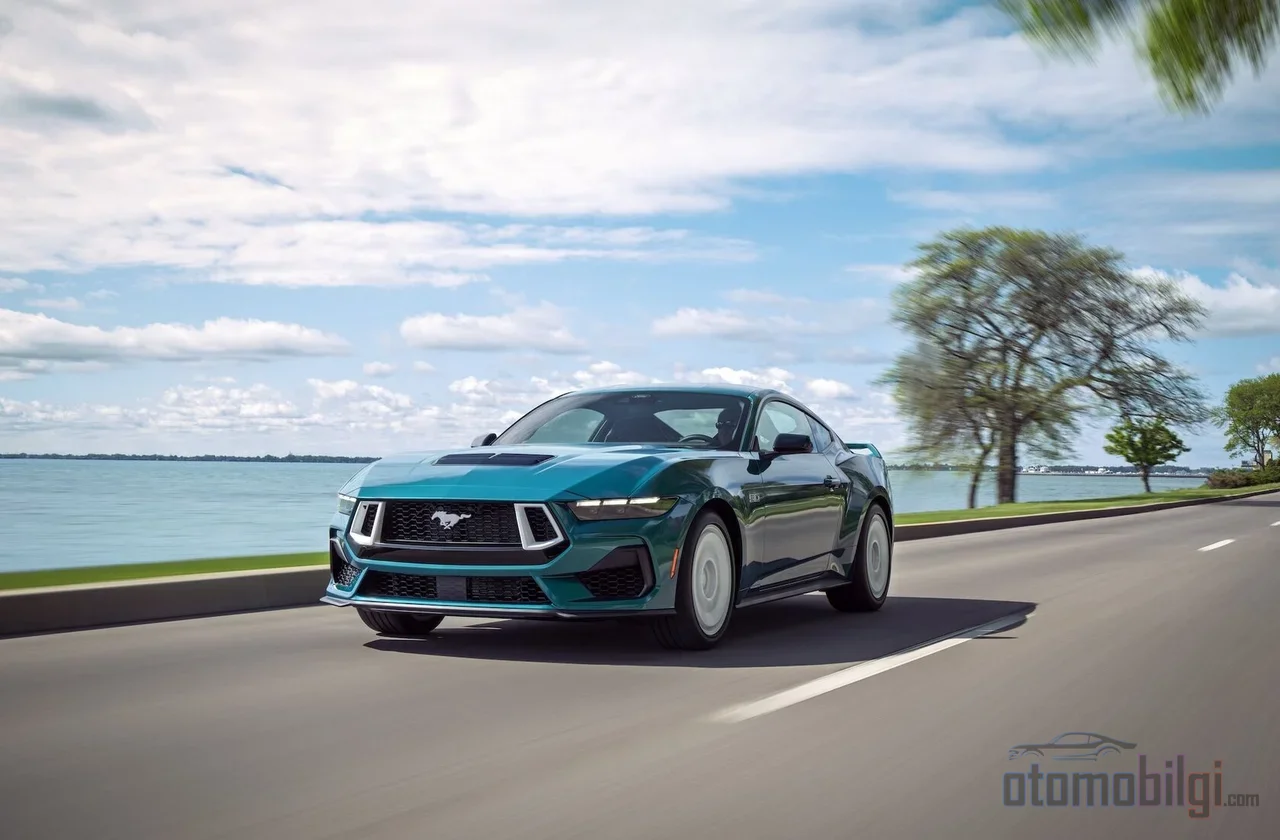
What makes the Mustang an icon isn't just its sales figures. As a symbol of freedom, individuality and power, it appeared in countless films, TV series, music and literary works. Its adrenaline-fueled role in Bullitt turned the car into a symbol of "American muscle and coolness" - don't you still think of that dark green fastback with Steve McQueen at the wheel? The 1967 Mustang Fastback, with its performance in a heist classic, became one of the most recognizable cars in cinema. Its design and engine power made it almost an "obvious choice" for Hollywood producers.
On the production side, the story continues uninterrupted: the sixth generation (S550) was produced between 2014-2023 and celebrated its 50th year with the 2015 model. In 2015, the factory-built right-hand-drive version was also offered for the first time - the Mustang finally officially greeted the other half of the world. Ford produced its 10 millionth Mustang in total, and in 2023 the seventh generation took over the wheel. A car being produced continuously for over 60 years across six generations... that's a crazy achievement in an industry where most brands' model names aren't even remembered.
What made the Mustang so special - luck or strategy?
I think both. On one side there's an ice-cold calculated strategy: the cost advantage taken from the Falcon, the marketing front opened toward youth, a launch that wrapped all three major TV networks at once. On the other side, some automotive historians argue that Iacocca was somewhat "lucky" during the 1964-66 period - they say the demographic wave of the era exploding at exactly that moment means timing also played a part. I think the most honest answer is this: the opportunity appeared to everyone at the same time, but only Ford was prepared both to build it and to sell it. When preparation met luck, pony car culture was born.
If it were you, which color of a car that gathered 22,000 orders on day one would you choose? I'd say dark green - the reason is obvious.
Sources
- Ford Introduces the Mustang | History | Research Starters
- 1964 Mustang Launch Speech – Lee Iacocca
- Mustang The Birth of an American Icon
- Remembering Lee Iacocca, 1924-2019
- Ford Mustang (first generation)
- Ford Mustang (sixth generation)
- Pony car
- 1964½-1966 Ford Mustang
- 10 Million Mustangs
- Ford celebrates 1 millionth Mustang, March 2, 1966
- 1964 ½ Ford Mustang Convertible
- The Pony Car: A Brief History
- Lee Iacocca got lucky with the 1964-66 Ford Mustang
- The Ford Mustang: How It Became A Cultural Icon
- AMC Javelin Debuts
- Original Mustang Based on Falcon Platform?