Internal Combustion Engine Technologies
Share This Page
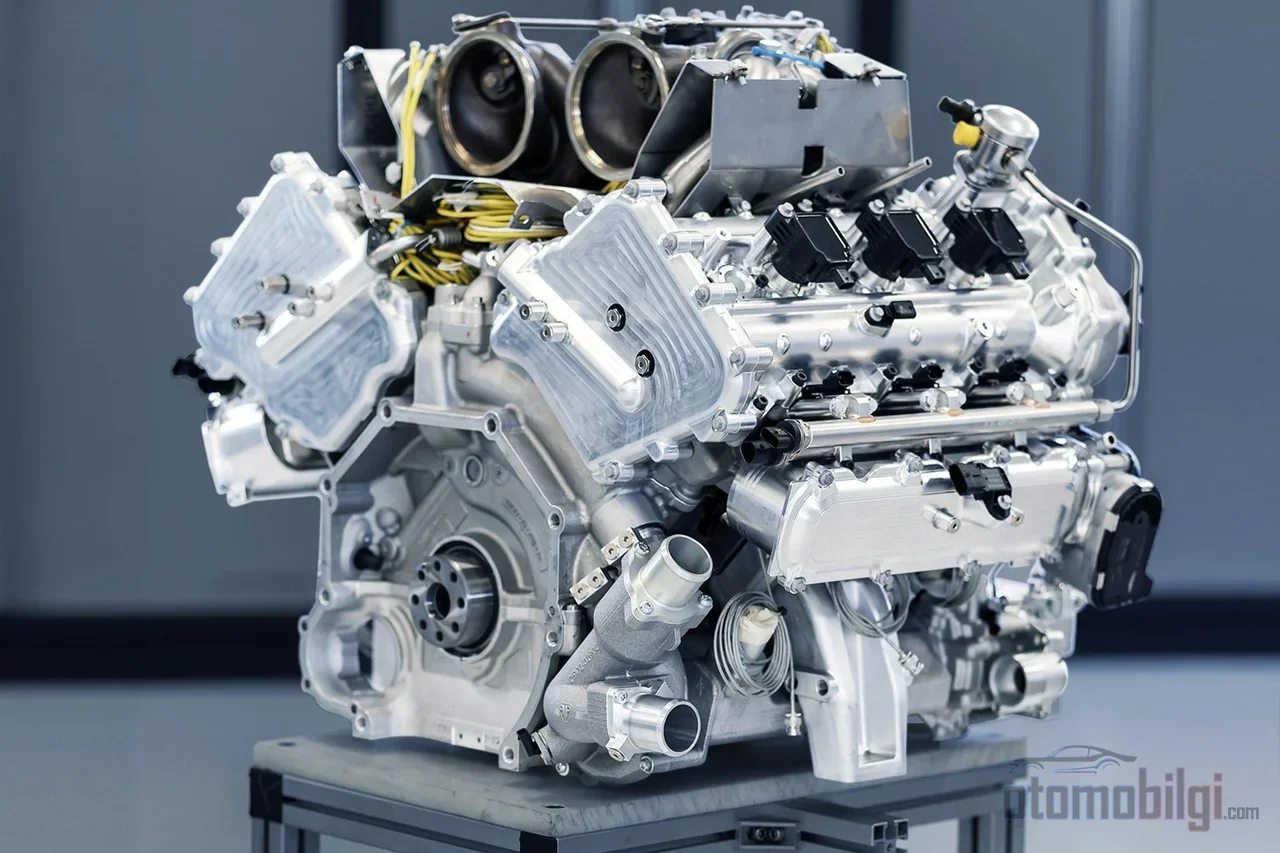
Inline, V, or Boxer? How Cylinder Layout Affects the Drive
Cylinder layout carries the engine's character into the driving experience more noticeably than power and torque figures. Inline (R4, R6), V-type (V6, V8), and boxer layouts differ from one another in terms of mechanical balance, vibration, center of…
Read More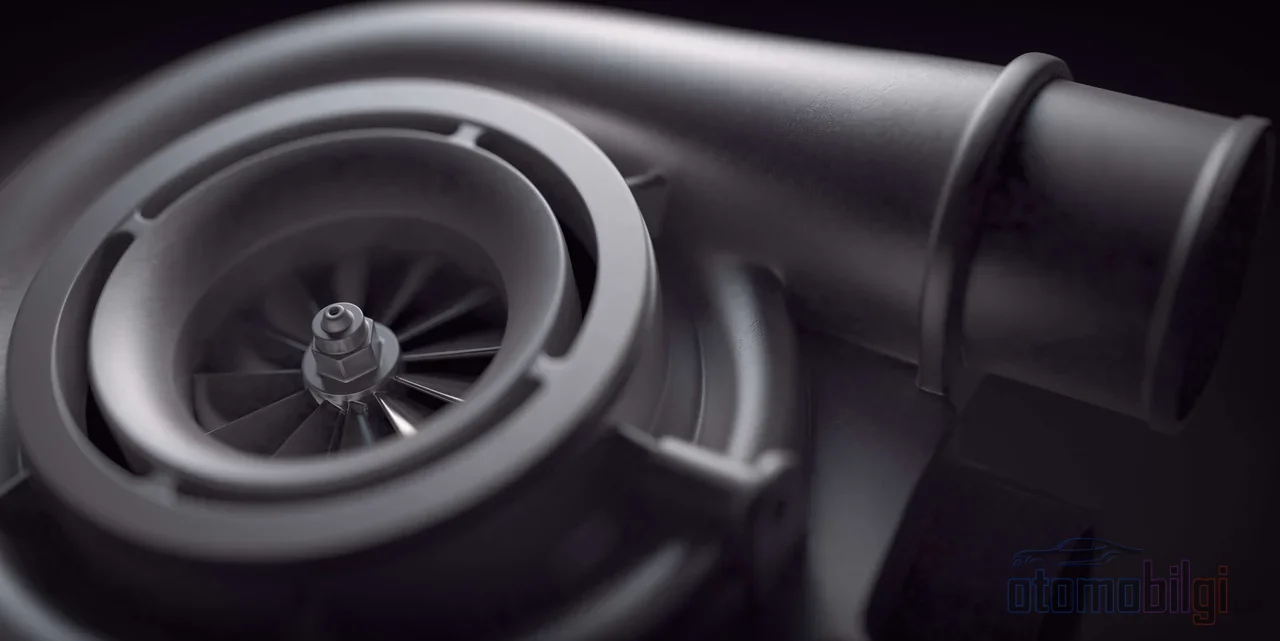
Is Turbo Lag Really a Thing of the Past?
Turbo lag is the technical term for the short delay between pressing the accelerator pedal and the turbocharger bringing its extra power into play. In modern engines, thanks to electric assistance, twin-scroll and variable geometry, this lag has beco…
Read More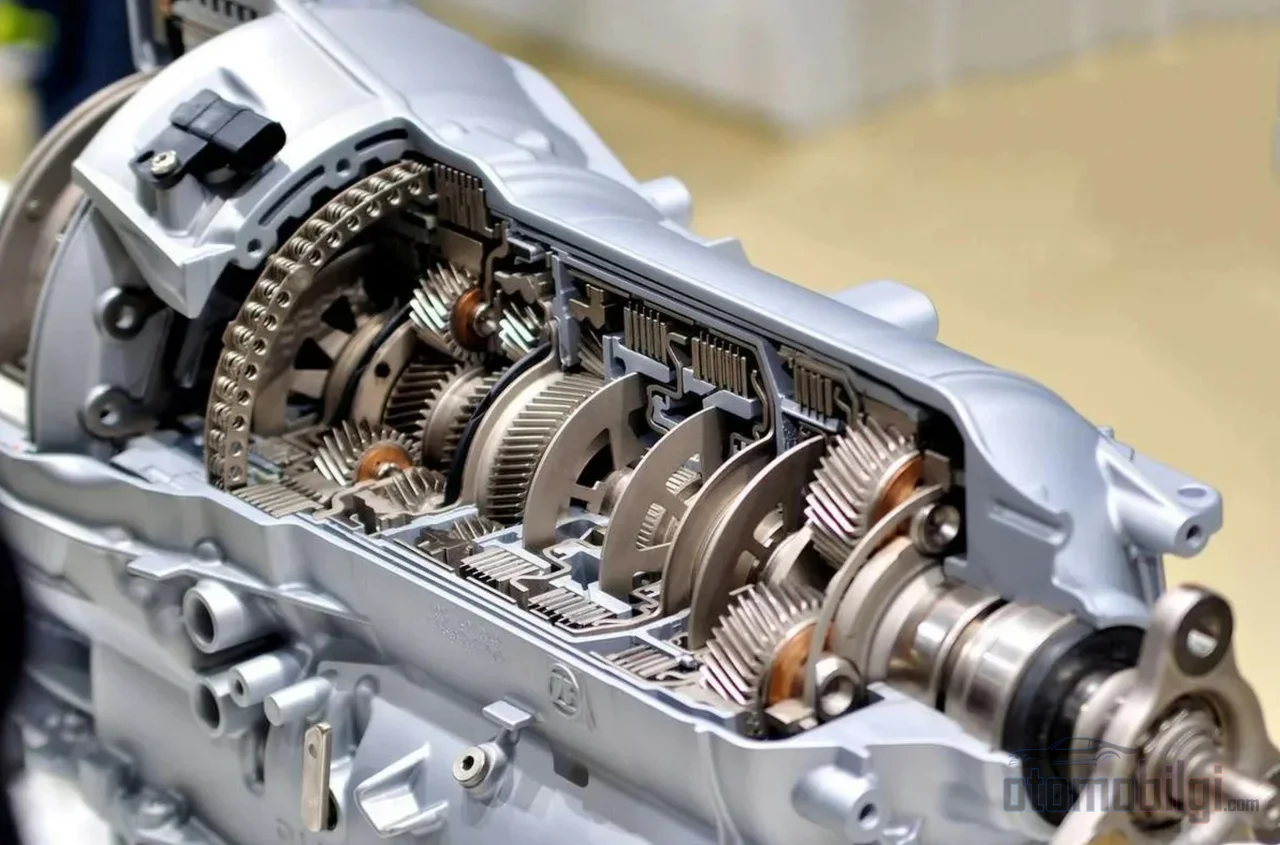
Short Gears or Long Gears? How Gear Ratios Meet the Engine
A short gear corresponds to a numerically high ratio; a long gear to a numerically low ratio: a short ratio sends more torque to the wheels and makes the car feel lively, while a long ratio lets the engine spin less at the same speed, offering fuel e…
Read More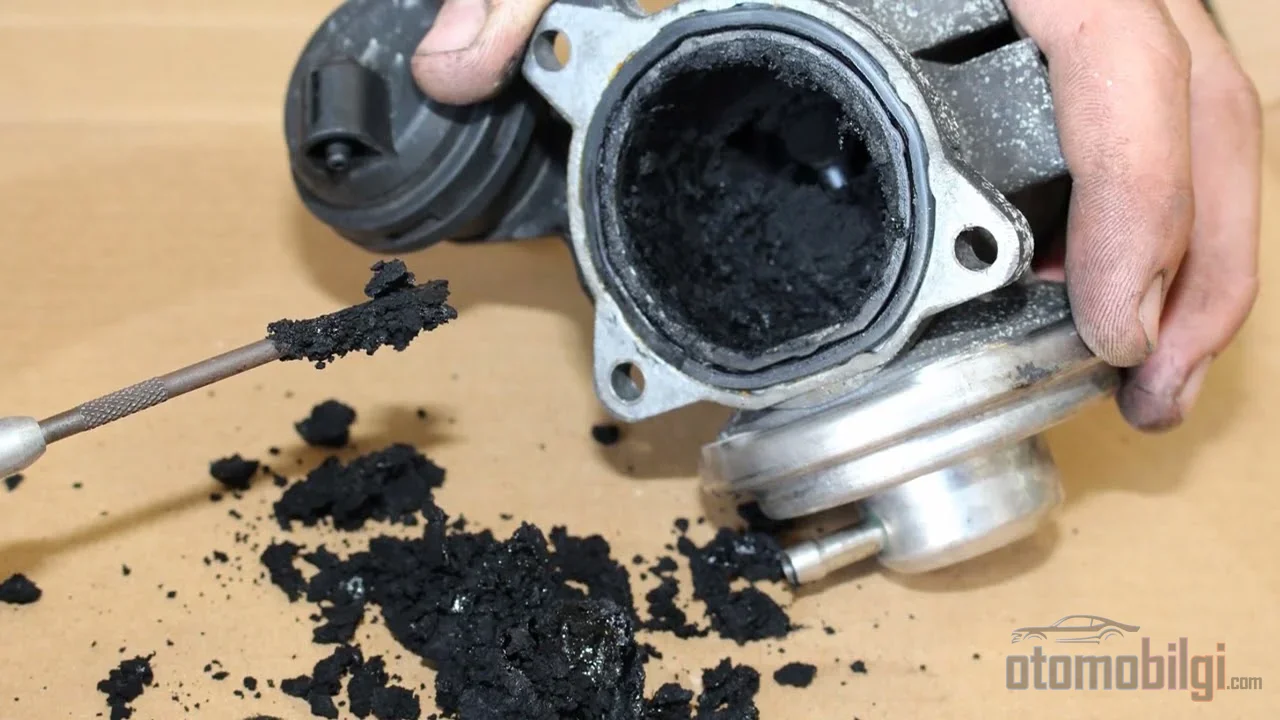
How Do EGR and DPF Engines Stay Clean?
EGR and DPF/GPF systems are two complementary emission technologies that help keep the engine clean: EGR returns a portion of the exhaust gas to the cylinder, lowering combustion temperature and preventing the formation of nitrogen oxides (NOx) from …
Read More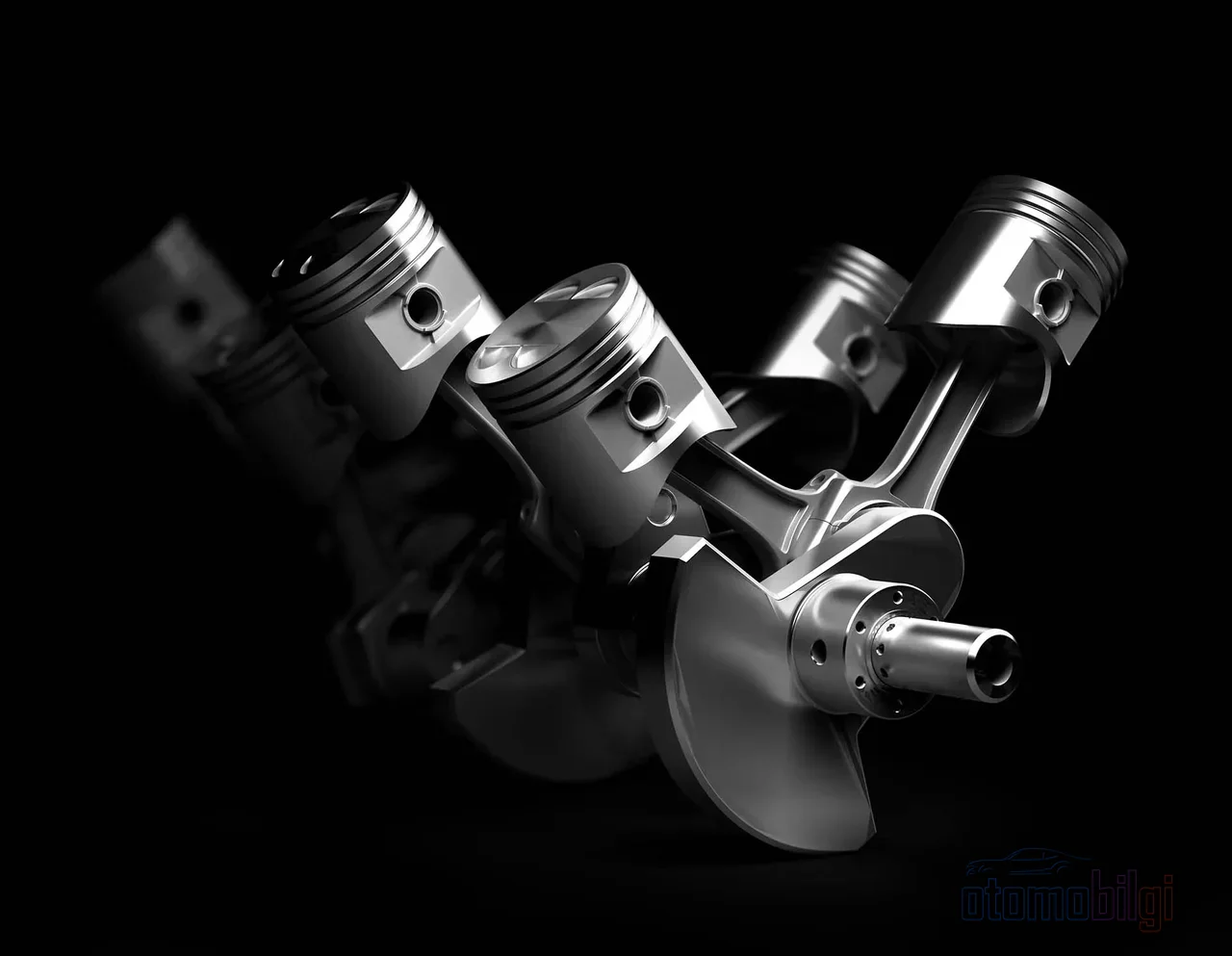
Why Is the Compression Ratio the Line That Separates Gasoline from Diesel?
The compression ratio is the fundamental dividing line between gasoline and diesel engines: gasoline engines typically operate in the 8:1-12:1 range due to knock risk, while diesels compress between 14:1 and 23:1 to bring the combustion chamber to a …
Read More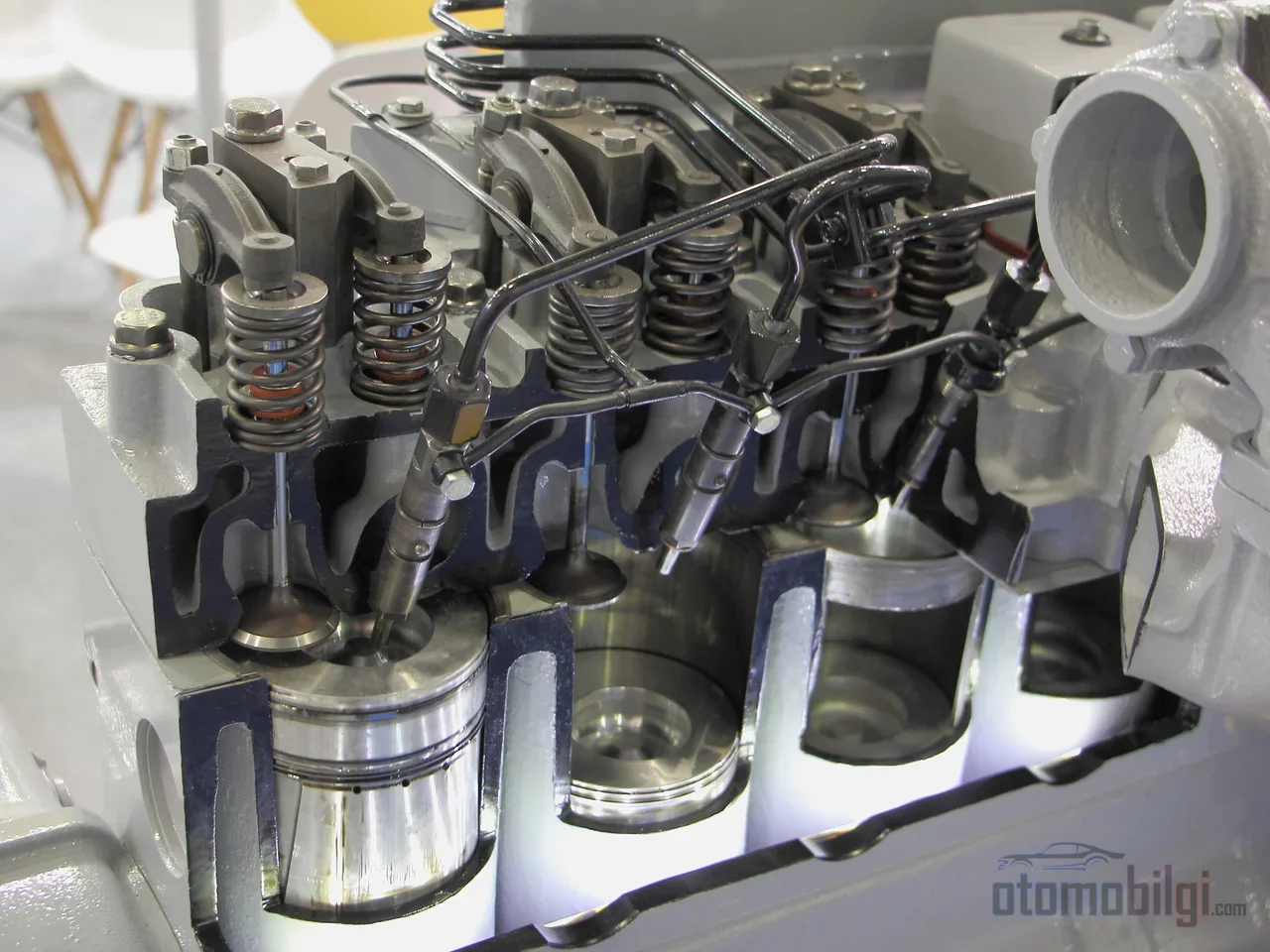
Port Injection or Direct Injection? Why the Engine Fuel Delivery Decision Matters
Port injection sprays fuel into the intake manifold, while direct injection sprays fuel directly into the combustion chamber; port injection offers a smoother throttle response and lower particulate emissions, while direct injection provides higher e…
Read More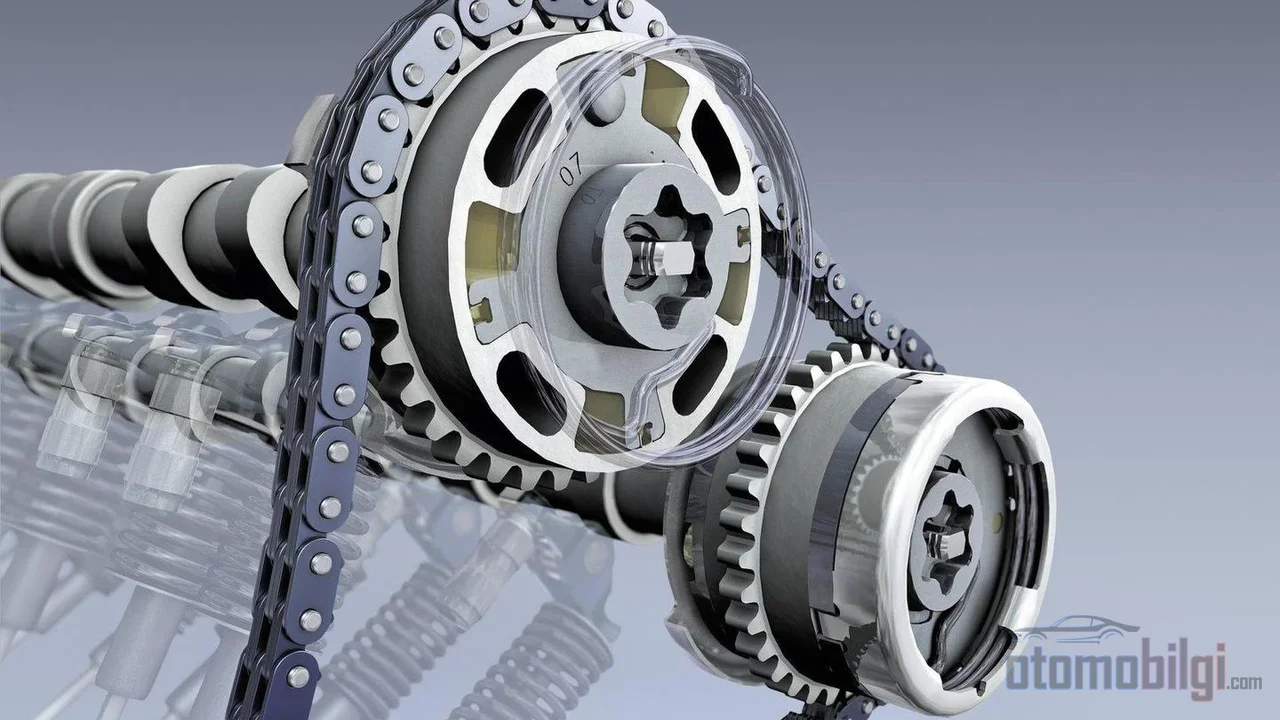
How Does Variable Valve Timing Fine-Tune the Engine's Breathing?
Variable valve timing (VVT) is the continuous readjustment of the moment when the intake and exhaust valves open and close according to engine speed and load. Since a single fixed timing cannot be efficient across the entire rev range, VVT simultaneo…
Read More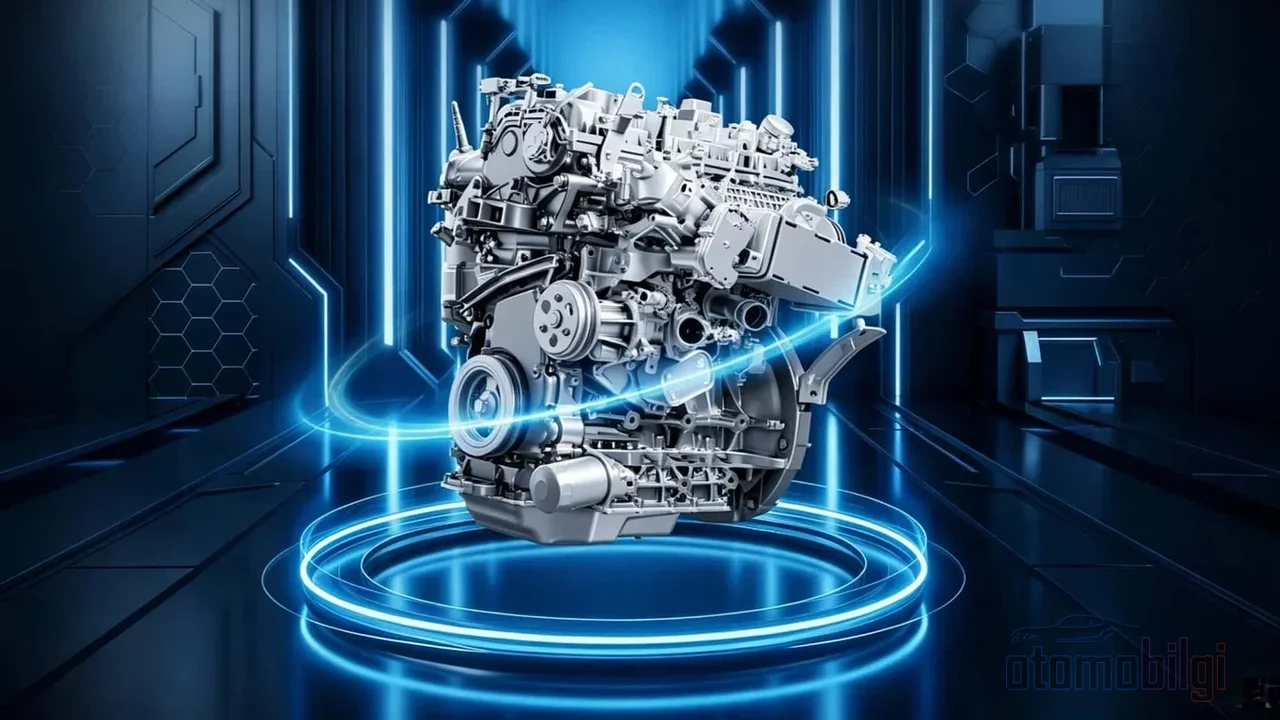
The Atkinson and Miller Cycles: Sacrificing Power for Efficiency
The Atkinson cycle holds the expansion stroke longer than the compression stroke, converting more of the fuel's heat energy into mechanical work, while the Miller cycle is the version of the same technique combined with turbocharging or supercharging…
Read More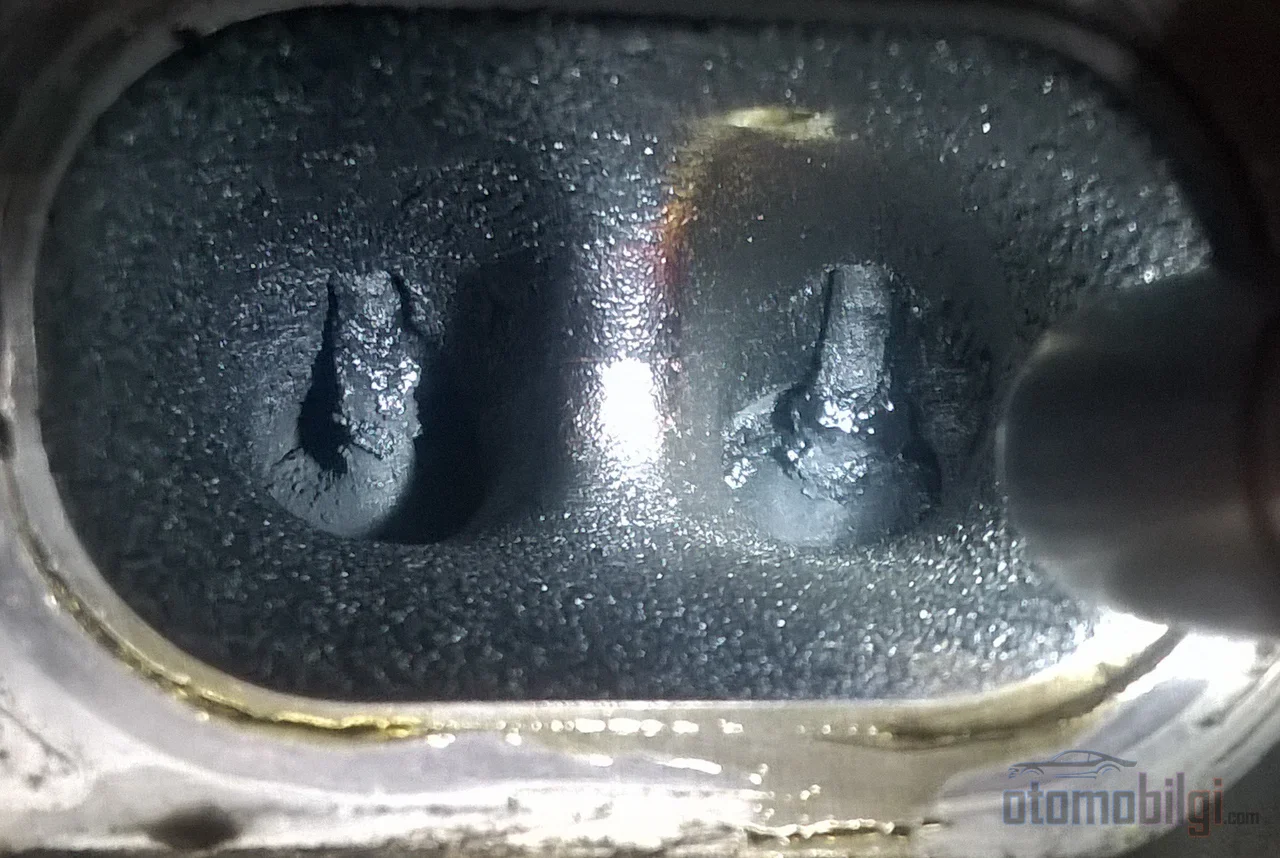
Why Does Direct Injection Invite Carbon Buildup?
The fundamental reason carbon builds up on intake valves in direct-injection engines is simple: the fuel never touches the intake valves. In older port-injection systems, fuel flows over the valve with every injection cycle, effectively washing it; i…
Read More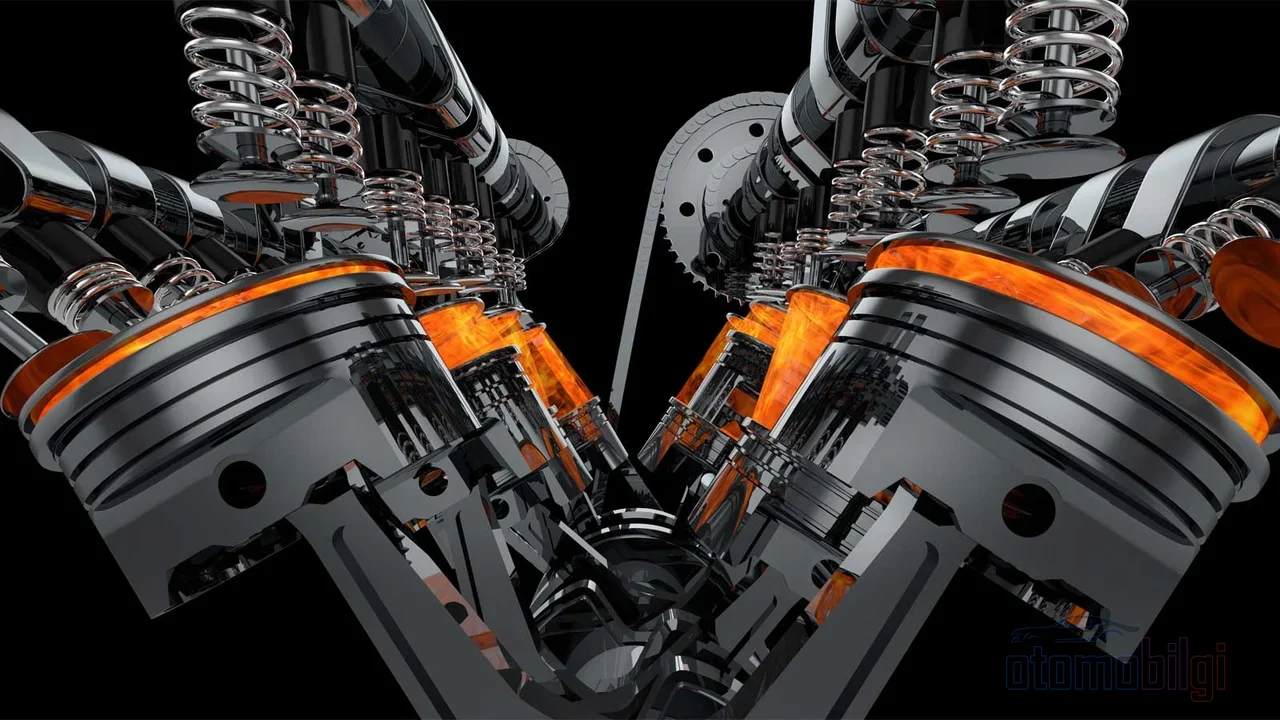
Gasoline or Diesel? The Comparison That's Still Relevant in 2026
The question "gasoline or diesel?" no longer has a single valid answer in 2026: the right answer comes not from how the engine works, but from your usage profile. The short version is this: if your annual mileage is low and your routes consist of sho…
Read More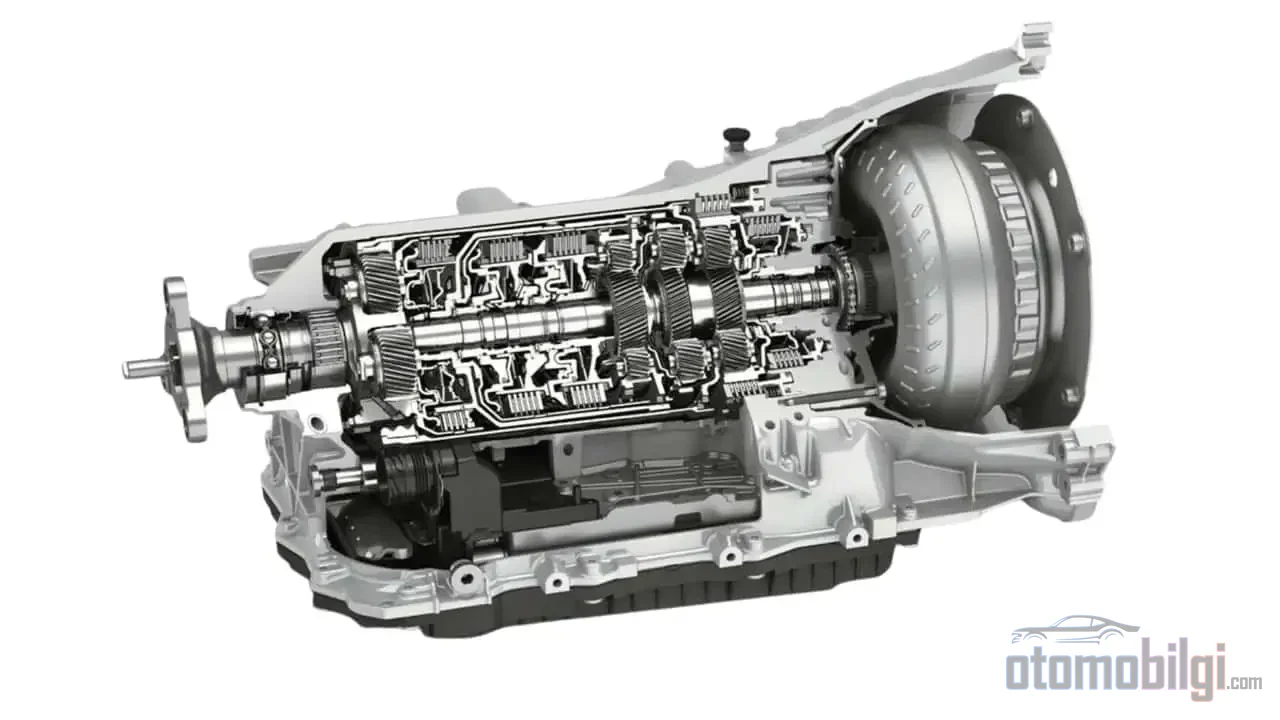
A Guide to Automatic Transmission Types: From Dual-Clutch to CVT
When it comes to automatic transmissions, it is not a single technology that should be understood, but three main families with radically different operating principles: the hydraulic torque converter automatic, the dual-clutch transmission (DCT), an…
Read More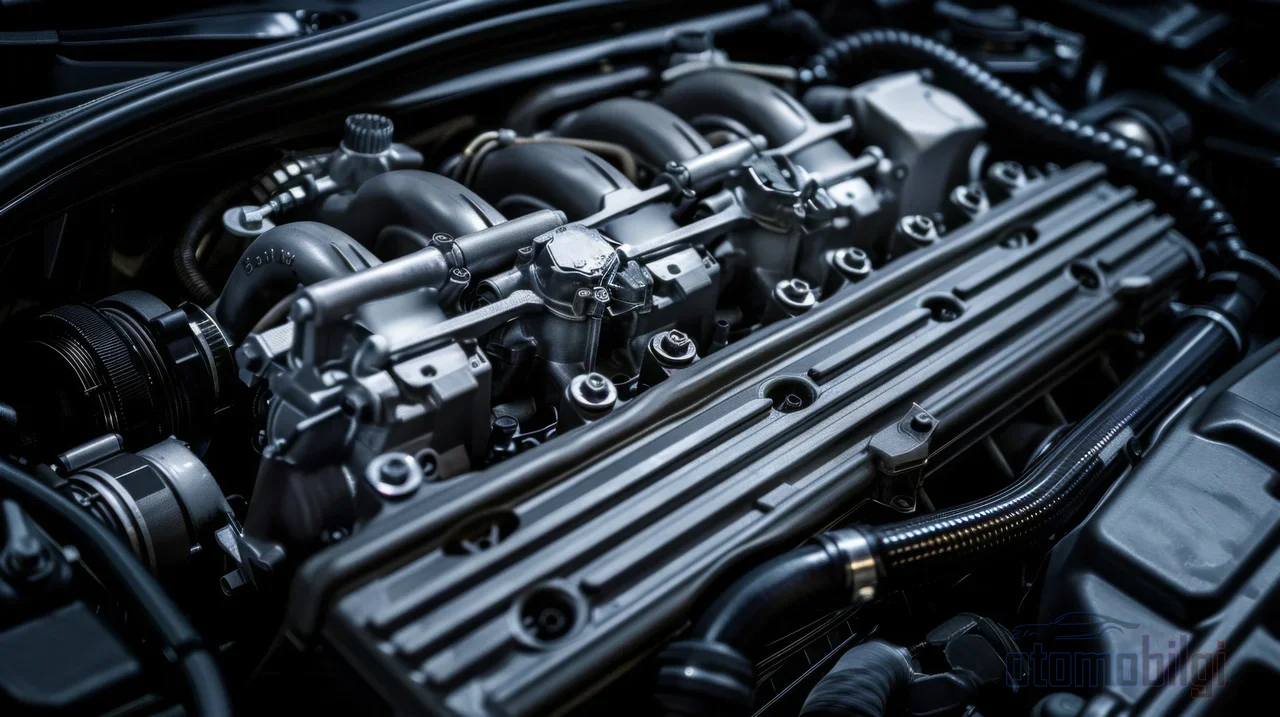
Turbo or Naturally Aspirated? The Relationship Between Power and Torque and Engine Displacement
Thanks to its small displacement, a turbo engine recovers the energy of exhaust gases to deliver more torque and power, while a naturally aspirated engine offers a direct, uninterrupted relationship between the accelerator pedal and power. Which one …
Read More