The DTM Madness of the 90s: The Racing Atmosphere That Hit the Streets of Germany
Share This Page
DTM, or Deutsche Tourenwagen Meisterschaft, was a touring car racing series run in Germany between 1984 and 1996 that became the country's biggest automotive spectacle in the 90s. But the real interest wasn't on the track, it was outside it: the grandstands, families in front of their televisions, showroom queues, and the BMW-Mercedes feud everyone was talking about on the streets. DTM went far beyond being a championship and blended into Germany's everyday conversation, ultimately turning into a full-blown social phenomenon.
Highlights
- Original series Ran between 1984-1996 and returned in 2000 under the name Deutsche Tourenwagen Masters.
- Mercedes 190 E 2.5-16 Evolution II's road version required for homologation, 502 units, sold out before the official launch.
- BMW, E30 M3 produced 5,000 units of the road version for homologation purposes.
- In 1996, Alfa Romeo's racing V6 was producing 490 hp at around 12,000 rpm producing.
- In DTM's 40th season, the number of spectators watching the tracks live was 471,500 announced as.
Why Did DTM Become Something an Entire Country Talked About in the 90s?
Think about it: a car with the same body as your mother's car, battling door to door and heading into a corner. Even someone with no interest in motorsport could see the difference between those two sedans on screen. That's exactly where the magic of DTM begins. The cars racing on the track were racing versions of the Mercedes 190E, BMW M3, or Audi V8 seen on the street; in other words, cars everyone knew, cars their neighbors drove.
The bond this created is hard to replicate. In Germany, the automobile is far more than a means of transport; it's part of the culture, and motorsport is practically woven into the country's fabric. DTM was a racing series that landed right in the middle of this already strong car culture. On a Friday evening, a family man couldn't relate to a flashy Formula 1 driver, but seeing his own brand's sedan on the track gave him a completely different kind of pride.
And I can't pass without asking this question: which racing series could be so tied to real life that it couldn't sell a road car without launching it first? That is precisely the secret of DTM's phenomenon status. The racing flowed into the showroom, and the showroom into the conversations on the street.
Brand War: Not Just on the Track, but on Billboards Too
At the heart of what set DTM apart from other series was that the rivalry between manufacturers wasn't limited to the track. The period when Mercedes-Benz and BMW clashed in the late 80s and early 90s coincided with the hottest years of the great commercial battle in the premium car market. Winning in DTM had become the loudest way of telling the market "we are better."
The Mercedes-Audi rivalry was likewise an extension of a commercial war that transcended sport. The interesting thing about these races is this: the brands that stood out in the series were also players in the premium car market that was increasingly talked about in Germany. So when you made an attack on the track, the sales board in the showroom was shaking too.
One of the most entertaining reflections of this rivalry took place off the track. In Germany, Audi launched a campaign challenging BMW's brand image, and BMW responded with a "checkmate" reply, as if delivering check in chess. This back-and-forth exchange, known as the billboard battle, proved that outdoor advertising can create not just visibility but momentum. In my opinion, it's impossible not to smile when reading this story - two giant brands were cracking jokes at each other through billboards!
Road Versions: Cars Sold for the Race Car
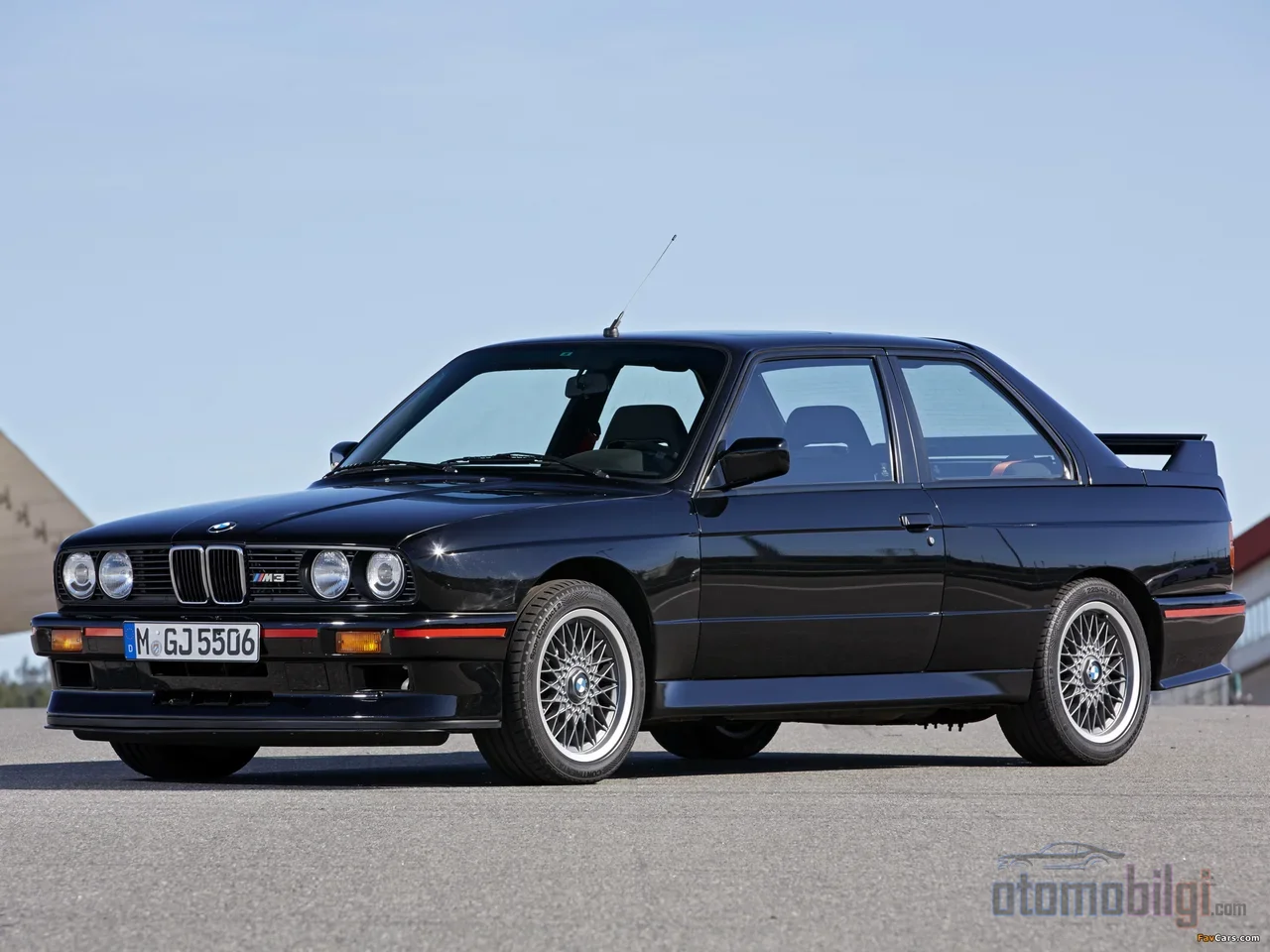
Here is the sweetest detail of the DTM phenomenon: to enter the race, you first had to build a road car. We call this homologation, meaning the requirement that enough civilian versions of the race model had been sold. Some of the most iconic cars of the 90s were entirely the product of this rule.
- BMW E30 M3: 5,000 road cars were produced for homologation. There was even an interesting inverted logic: the road car was the by-product, the real goal was the race car. The 2.3-liter version initially produced 300 hp at 8,200 rpm, reaching 2.5 liters and 340 hp by 1990. BMW's most successful touring car ever; in my opinion, every subsequent M3 exists because of this car.
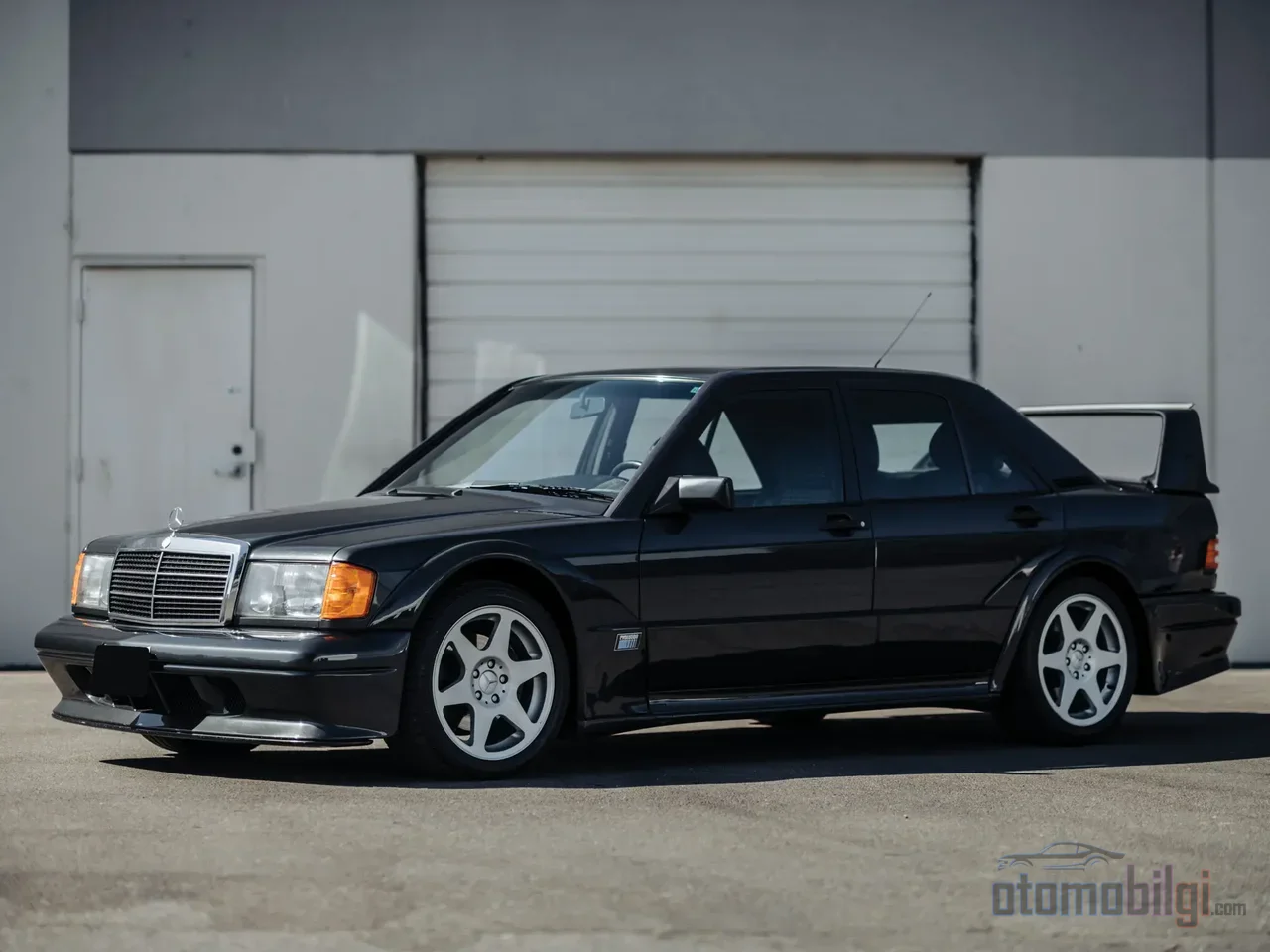
- Mercedes-Benz 190 E 2.5-16 Evolution II: It was unveiled at the Geneva Motor Show ahead of the 1990 season, and the 502 road cars required for homologation sold out before the unveiling. They didn't even wait for the show to get in line!
- Audi V8 Quattro: With its 3.6-liter V8 engine, 420 hp, six-speed manual transmission and all-wheel-drive system, it made its debut in 1990 with a 1-2-3 finish.
- Opel Calibra V6: Despite being a road-derived, front-wheel-drive-based car, it managed to be competitive. At launch, it had the lowest drag coefficient of any production car.
Today, these homologation models are no longer priced at auctions as "a race-prepped sedan" but as pieces of motorsport history. Collection values reflect this too; the DTM legends of the 90s have already become investment assets.
The laws of aerodynamics must be different between Munich and Stuttgart.
In my opinion, this quote is the best summary of just how much the winged Evo II was talked about at the time. A comment from a senior executive of a rival brand is enough to show what a phenomenon the car was on the streets.
The Class 1 Era: The Ladder from Road Car to F1
Throughout the 90s the regulations changed, and DTM turned into an increasingly exotic thing. It ran under Group A rules for many years; in 1994, the far more flexible FIA Class 1 rules were adopted and the car class was virtually rewritten from scratch.
In the Class 1 era, engines were limited to 2.5 liters and six cylinders, but the numbers were astonishing: advanced all-wheel-drive systems, sophisticated electronic equipment, and high-revving naturally aspirated engines. In 1996, Alfa Romeo's 2.5-liter V6 produced 490 hp at around 12,000 rpm. This car looked more like a Formula 1 machine than a family sedan. In other words, DTM's phenomenon status came at a price: the cars on the track were visibly drifting away from their street-going twins.
| Car | Highlighted Feature | Place in DTM |
|---|---|---|
| BMW E30 M3 | 2.5 liters, 340 hp (until 1990) | 5,000 road versions built for homologation |
| Mercedes 190 E Evo II | Homologation series of 502 units | Sold out before its launch |
| Audi V8 Quattro | 3.6-liter V8, 420 hp, all-wheel drive | A 1-2-3 victory on its debut |
| Alfa Romeo 155 V6 TI | High-revving V6 | The only Italian manufacturer to win DTM |
| Opel Calibra V6 | Lowest drag coefficient | Champion of the final season in 1996 |
The table is small but the story is big: every brand was on the track with its own identity. Alfa Romeo gained such a powerful advantage from the 1993 regulation change that the rules were specifically revised to reduce its dominance. Even the fact that a single rule was changed against a single manufacturer is proof of how seriously DTM was taken. As for the Opel Calibra V6, winning the championship in 1996, the final season of the original series, with Manuel Reuter was a classic underdog story of "the people's car beating the prestigious manufacturers." In my view, the kind of ending we all love.
Legendary Names and People's Heroes
A phenomenon also needs a face. DTM's roster was full of names entering the homes of German car enthusiasts of the era. Klaus Ludwig reached the top in 1988 with the Ford Sierra RS500 Cosworth, and in 1994 with the Mercedes C-Class. Italian Nicola Larini made history with Alfa Romeo in 1993; Alfa Romeo is remembered as the only Italian manufacturer to ever win DTM outright.
On the BMW front, Eric van de Poele became champion in 1987, and Roberto Ravaglia in 1989. Mercedes' star Bernd Schneider is remembered as the most decorated driver in DTM history; the 1995 championship is one of its brightest examples. In the series' final season, 1996, Manuel Reuter lifted the trophy on behalf of Opel. Each of these names had become synonymous with a brand, a car, even a brand identity. Fans supported not just the driver, but also the automotive culture that driver represented.
The Price of the Phenomenon: Growth, Collapse, and Return
So why did such a big phenomenon fall apart? Toward the mid-90s, the series went international: expansion took place in 1995, and in 1996 the series' name was changed to the International Touring Car Championship. But growth doesn't always yield good results; at the end of the season, with Alfa Romeo and Opel withdrawing, the original DTM collapsed. The shrinking manufacturer roster also took away that tremendous competitive energy that kept the phenomenon alive. After a long silence, DTM returned in 2000 under the name Deutsche Tourenwagen Masters.
Here's the interesting part: the phenomenon never entirely died. In DTM's 40th season, the number of spectators watching the races live was announced as 471,500; the series continues to be "a genuine crowd drawer." At the Hockenheim Historic's Class One Revival event, Class 1 cars from 1993-2020 are returning to the track at historic premium events as "the fastest DTM cars of all time." So that car madness of the 90s still knows how to fill the grandstands even today.
Its Reflection on the Streets: Tuner Culture and the German Love of Cars
Perhaps DTM's most lasting impact happened off the track, in garages and meetups. The 90s were the era when tuner culture went from underground to mainstream; motorsport, public car shows, and niche media were directly influenced by this transition. Young people who saw those winged, eye-catching sedans on the track began carrying the same aesthetic onto their own cars. It may sound like an exaggerating story, but it's literal: what happened at world-famous race circuits fed street culture.
It's no coincidence that Germany is "the country of automobiles." In that country, the car is a phenomenon deeply rooted in the culture; and DTM is one of the most striking proofs of this strong automotive tradition and legendary car history. A child who watched DTM in the 90s may today be telling those grandstand stories to their own child. I believe the secret to the love of cars being passed down from generation to generation so easily lies precisely in these kinds of shared memories.
Now I ask you: if it were you, which side would you take? The winged Mercedes, the boxy E30 M3, or the all-wheel-drive Audi? Give your answer, because in 90s Germany this question was never so casual - for some, it was almost a matter of identity.
Final Word: A Legend That Went Beyond the Track
DTM started as a racing series but turned into Germany's common language in the 90s. The brand wars continuing on advertising boards, road cars that sold out before even being introduced, families filling the grandstands, and driver heroes entering people's homes... When all of these combined, the result was a phenomenon not confined to the track, extending from brand prestige to street culture. The comeback in 2000 and today's revival events also show that this story belongs not to the archives, but still to the track.
Sources
- Deutsche Tourenwagen Meisterschaft - Wikipedia
- Records and benchmarks: The 40th DTM season in figures - dtm.com
- 8 DTM Cars from the 90s That Still Give Us Chills - deckorate.net
- DTM: How the German Brands Created and Dominated - notenoughcylinders.com
- 1990 Mercedes-Benz 190E 2.5-16 Evolution II - Motor1
- Racing homologation specials of the 90's - CarThrottle
- How Germany became the country of cars - BBC Travel
- Audi vs BMW Billboard War: The OOH Battle - bmediagroup.com
- The History and Impact of 1990s Tuner Culture - MotorTrend
- CLASS ONE Revival - Hockenheim Historic
- The DTM: all you need to know - Pirelli