Does Your Home Insurance Protect Your Electric Car?
Share This Page
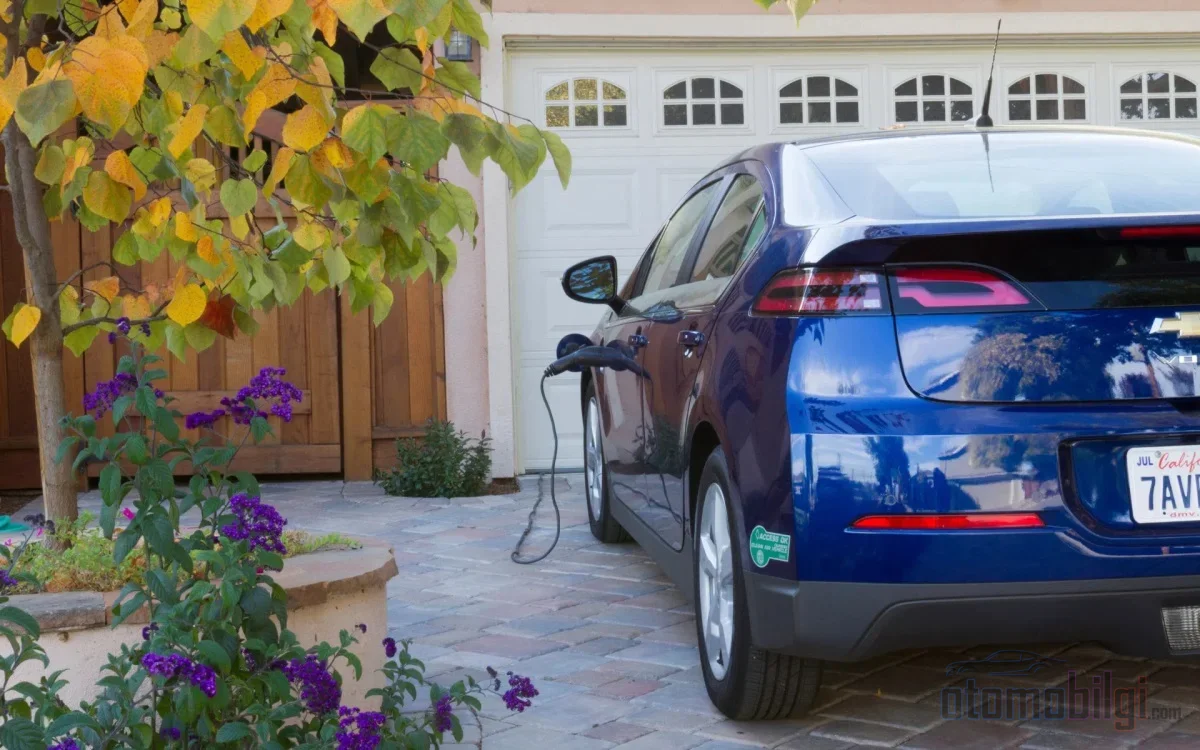
As a rule, the wallbox you mount on your home's wall is part of the building, not your vehicle: standard comprehensive auto insurance does not cover it, and its protection is provided through the coverages written into your homeowners policy. If the vehicle itself is damaged during charging, comprehensive coverage comes into play; if the charging unit itself is damaged, the right address is your home insurance. Below you will find which policy pays in which situation and what you should check when renewing your policy.
Highlights
- From an insurance standpoint, a wallbox is a fixed installation element belonging to the building ; its value should be written into the homeowners policy, not the vehicle policy.
- The Land Vehicles Comprehensive Insurance General Conditions contain no provision covering charging units; coverage comes only through special conditions.
- If a short circuit does not turn into a fire, the basic fire coverage will not pay; electronic equipment coverage is required.
- Installation in a shared parking area is possible as of July 23, 2024 with the written approval of the majority of property owners, per a ministry letter.
- For voltage damage caused by the grid, a claim can be filed with the distribution company within ten business days from the date of loss.
Why Does Home Insurance Cover the Wallbox but Comprehensive Coverage Does Not?
Reducing the problem to two variables using engineering logic works: where the equipment is mounted and which insured property is defined in the policy. A charging unit fixed to the wall and connected to the building's electrical installation is not considered vehicle equipment even if it is used for the vehicle. That is why the unit's value is written into the homeowners policy. If it is not, the underinsurance rule applies at the time of loss and the compensation is paid proportionally; in other words, the damage is partially covered and partially left to you.
On the comprehensive coverage side, the picture is clearer. The Land Vehicles Comprehensive Insurance General Conditions contain no regulation concerning charging, electric vehicles, or batteries; the coverage requires the equipment to be on the vehicle. A unit hanging on the wall falls outside this definition. Some companies offer the unit as additional coverage in comprehensive packages designed specifically for electric vehicles, but this is not the general rule; it is an exception that comes with the company's own special conditions and clause arrangements.
There is also no mandatory, one-size-fits-all insurance for every home charging unit. Protection depends on the insured property definition in the policy, additional clauses, and exclusions. For this reason, the same device can produce completely different outcomes under two different homeowners policies.
Which Damage Comes Out of Whose Pocket? Scenario-by-Scenario Coverage
In practice, the types of damage you may encounter can be grouped into a limited number of scenarios. The table below shows which policy generally comes into play in each scenario:
| Damage scenario | Generally pays |
|---|---|
| Short circuit turned into a fire, building and contents damaged | Homeowners policy's fire coverage |
| Short circuit damaged the unit, no fire broke out | Electronic equipment coverage (basic fire coverage will not pay) |
| Lightning strike damaged the unit | Homeowners policy's basic lightning coverage |
| Grid-caused voltage fluctuation damaged the device | Electronic equipment coverage; claim to the distribution company if no fault is found |
| The unit failed on its own | No policy pays; manufacturer/seller warranty |
| The vehicle itself caught fire during charging | Comprehensive insurance (in full comprehensive policies, fire is one of the main coverages) |
| The unit in the closed garage was damaged by impact or malicious intent | The special charging unit coverage in electric vehicle comprehensive insurance (limited) |
The most misleading point is the second line: basic fire coverage does not cover electrical damage resulting from a fire outbreak. Damages resulting from short circuits, grounding faults, or voltage fluctuations are excluded under general terms. However, if the same short circuit turns into a fire, the damage caused by the resulting fire to the building and belongings falls within the coverage. In other words, the outcome of the risk determines which policy will speak.
How Much Protection Does Electronic Device Coverage Provide?
The broadest assurance in a residential policy for a wallbox is the electronic device coverage. This coverage can include sudden and unexpected damages such as short circuit, high voltage, fire, theft, water, and humidity. In some home insurance policies, electric vehicle charging units and smart home devices are evaluated under this coverage.
But you need to look for two technical details in your policy. First, some policies limit electronic device coverage to devices inside the home; a unit in the garage or open parking lot may fall outside this definition. Second, an upper limit may be set on device age; whether depreciation is applied in compensation for a unit a few years old depends on this limit. Having the unit's cost and installation expenses written into the policy is the simplest way to prevent underinsurance calculations.
What Do Electric Vehicle Comprehensive Policies Promise for Charging Equipment?
Although the rule is that comprehensive insurance does not cover the wall-mounted unit, comprehensive packages designed specifically for electric vehicles have started to make exceptions to this rule. The differences in limits and coverage between companies are considerable, so you should choose the package based on the coverage list, not the price. Some example practices:
- In one company's electric vehicle comprehensive insurance, if the wall-mounted charging unit or induction plate in a closed garage is damaged by accidental impact or malicious action 45,000 TL limit is provided; damage to and theft of the charging cable is covered with a 15,000 TL limit, on the condition of a police report.
- At another company's electric comprehensive insurance, damages to the wall-mounted charging device from malfunction and accidents, as well as charging cable and adapter damage and theft, are within coverage; for the wall box and induction plate, even rodent damage is included in the coverage.
- Yet another company, under the name of faulty charging coverage, offers a coverage that protects the vehicle in situations caused by a wall-mounted charging unit installed in a residence.
Portable charging devices used from an outlet do not fall under wall-mounted unit coverage; these are evaluated under charging cable and adapter coverage. The wall unit left in a home you sold or rented out should not be treated as a cable.
Wallbox in Apartment Buildings and Complexes: Whose Policy, Whose Decision?
If you are installing it in your own parking space
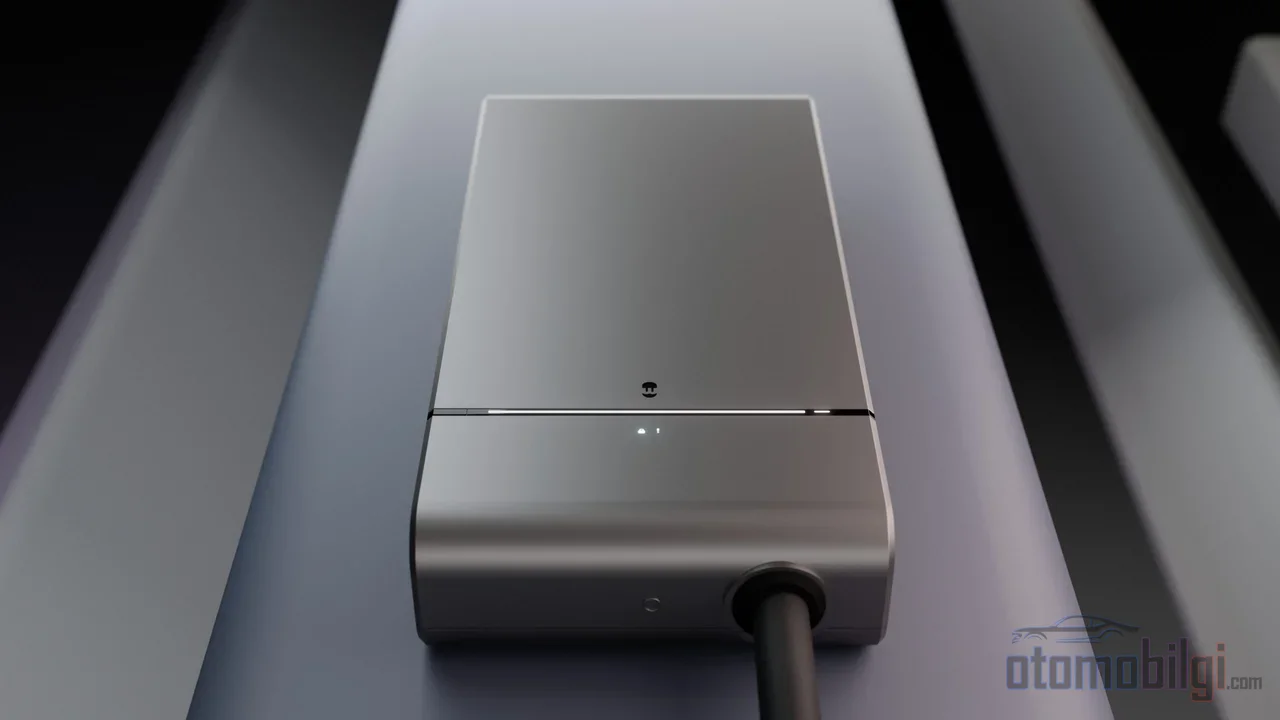
There is no requirement to connect to a charging network or obtain a license for non-commercial charging units installed at home for your own needs. If you paid for the device yourself, you can have it added to the goods and equipment coverage in your home insurance policy. If you are a tenant and had the unit installed, the cost remains under your personal property coverage; if it has been integrated into the building's infrastructure, the owner's building policy may also come into play. In this case, written approval and an ownership protocol will protect both parties from a major dispute down the road.
If you are installing in a shared parking area
According to the July 23, 2024 dated 9936676 letter of the Ministry of Environment, Urbanization and Climate Change, charging stations that do not require a permit or construction are not considered part of construction in common areas; this makes installation in shared parking possible with a simple majority of the property owners. Improper installation not only creates the risk of a lawsuit but also jeopardizes insurance protection: damages arising from unauthorized or faulty installation may fall outside insurance coverage.
Protecting the units in common areas, on the other hand, is a matter for the site or management policy. Practice in this area has not yet settled; some policies cover the device in common areas under building insurance, while others require separate coverage. Even in examples abroad, insurers have different approaches on this issue. If you are the site management, clarifying from the start which policy the device is listed under and as what insured value is your only line of defense. For commercial businesses, there are also special charging station products covering bodily injury to third parties during charging and disasters such as earthquake, flood, and hail.
Steps to Follow and Claim Deadlines in Case of Damage
The first question that comes to mind on the day of damage is: what caused the malfunction? If what damaged the unit is a grid-related voltage issue and you are not at fault, you can file a claim with the distribution company for equipment damages originating from the distribution grid within ten business days from the date of damage. Since this period is limited, having the fault diagnosed without delay is critically important.
If both the vehicle and the unit were damaged during charging, two separate files can be opened: the vehicle's damage from comprehensive insurance, the unit's damage from the home policy. However, compensation cannot be received twice for the same damage; the two policies do not substitute for each other. If the fire originated from the charging unit or the building's wiring, the allocation of responsibility between the manufacturer and the installation company also comes into question in the file.
Documentation directly affects the speed of compensation. Keep the invoice, serial number, installation form, and the technician's certification. Malfunctions during the warranty period are not an insurance matter; the first point of contact should be the manufacturer or seller's warranty.
Checklist When Renewing Your Policy
The annual renewal period is the most natural time to introduce your wallbox to insurance for the first time or to review your existing protection. The following six items summarize the questions to ask before signing the policy:
- What is the exact name of the coverage in the policy, and is the wallbox defined under that name?
- Does the definition of the insured location include your closed garage and open parking area?
- Was the unit cost and installation expense written into the policy?
- Is there an upper age limit for devices under electronic device coverage?
- Is installation required to be performed by an authorized technician?
- Is third-party liability coverage present and is its limit sufficient?
Summary: The Right Question Is Not Comprehensive vs. Home Insurance
The main takeaway of this article fits in one sentence: the right question is not which policy is better, but which policy defines your risk. Standard comprehensive auto insurance does not cover the unit on the wall; basic fire coverage does not pay for electrical damage without fire. These two gaps are filled by electronic device coverage and the special charging equipment coverage in electric vehicle comprehensive policies. Having your unit written into the policy with its cost, having the installation done by an authorized technician, and keeping the documents are the three most effective moves technically possible. The rest is ensuring that, when damage occurs, the boundary between the two claims has been drawn in advance for you, not against you.
Sources
- Wallbox Damage: Comprehensive Auto Insurance or Home Insurance?
- Home Charging Unit Insurance: Home Insurance Coverage
- If an EV Type Electric Vehicle Charger Breaks Down, Does Comprehensive Auto Insurance Pay?
- Home Insurance "Yuvam"
- Electric Vehicle Comprehensive Insurance
- Eco-Friendly Charging Station Insurance
- Wider deployment of electric vehicle charging units in apartment buildings and residential complexes
- Electric Vehicle Insurance: Traffic, Comprehensive and Battery
- Electric Charging Station Installation Requirements in Residential Complexes and Apartment Buildings