The History of Internal Combustion Automobiles
Share This Page
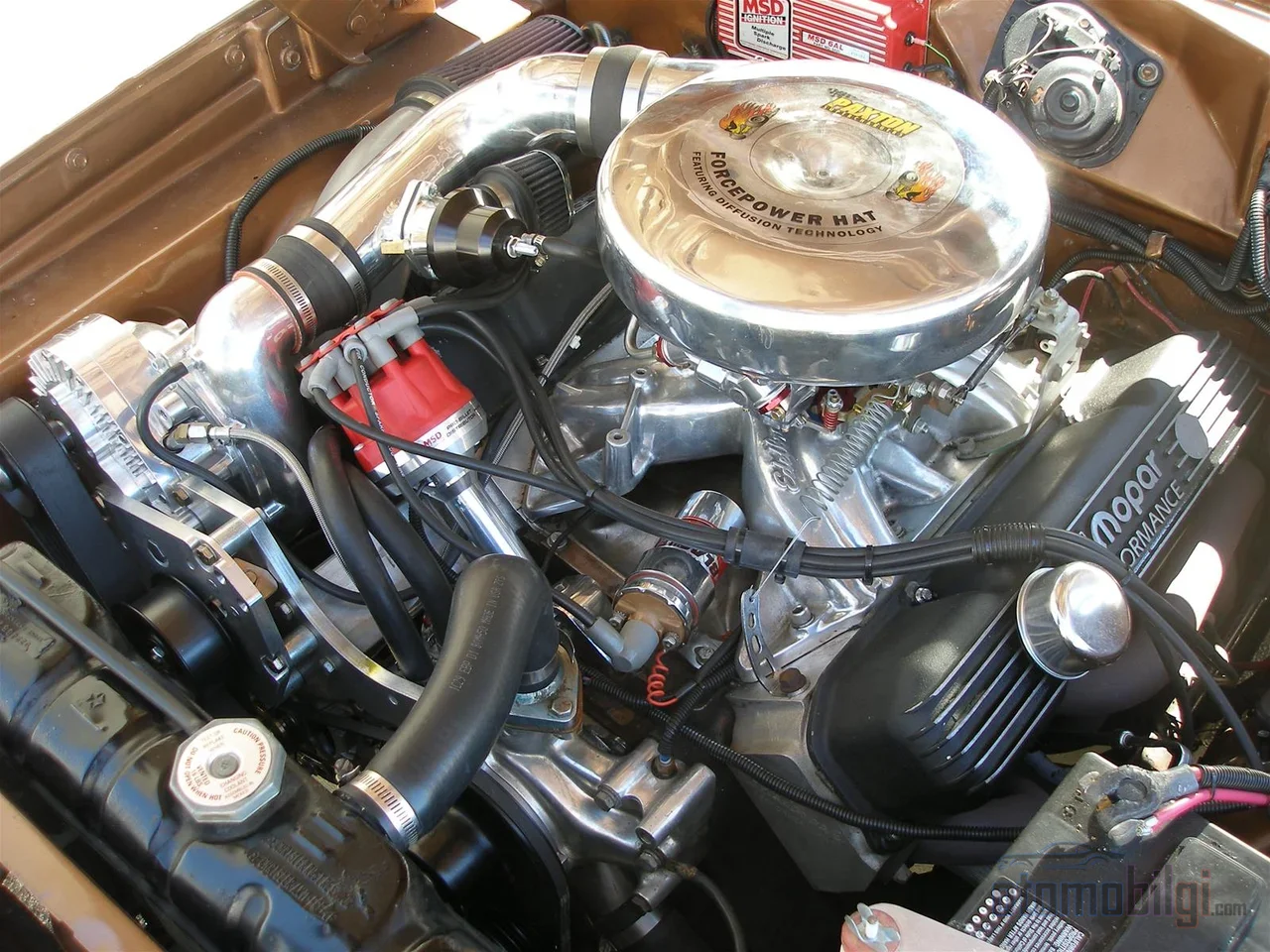
The Carburetor's Last Breath: The Birth of Fuel Injection
The transition from carburetor to electronic fuel injection is the quietest yet most decisive technical revolution in the internal combustion engine's century-long history: fuel injection was introduced in passenger cars in the early 1950s, Bosch's J…
Read More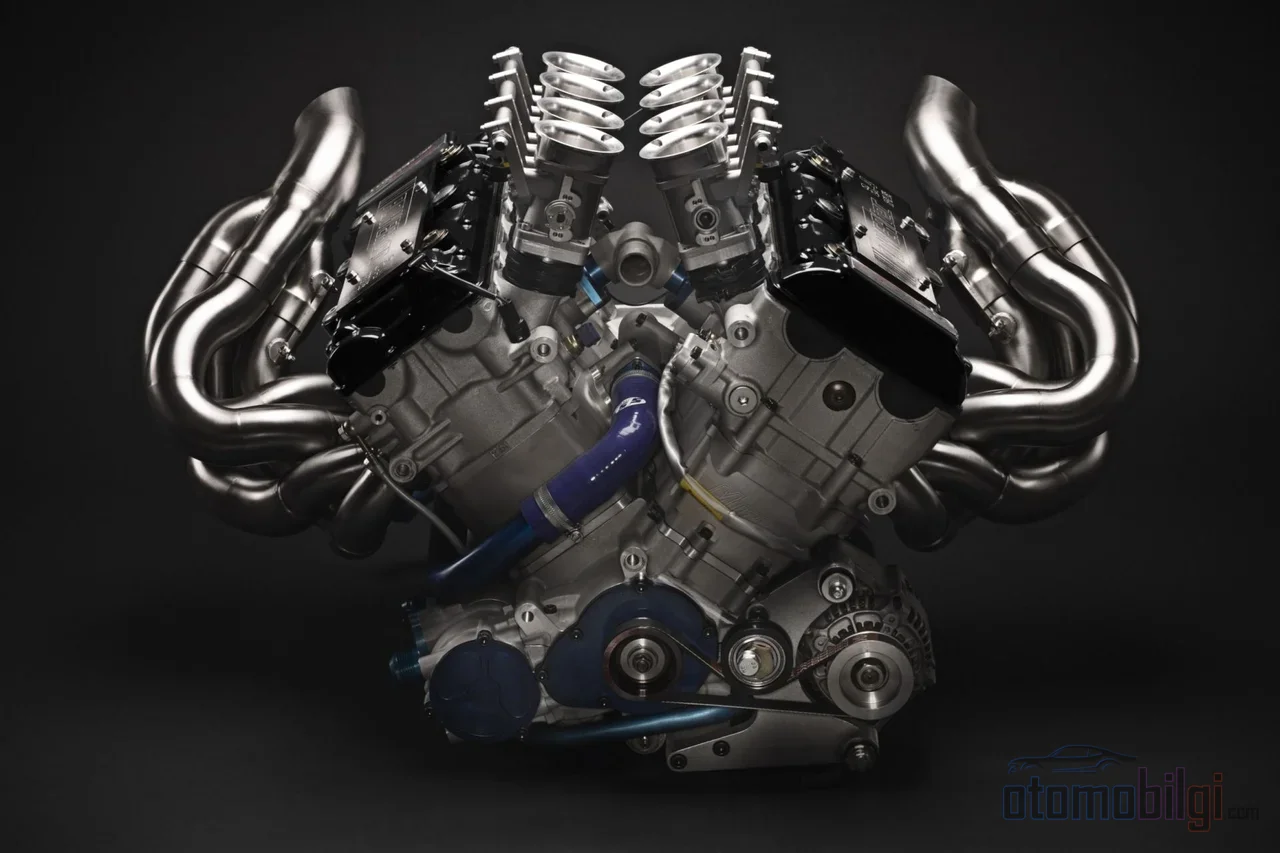
The Rise and Quiet Descent of the V8
The V8 is an engine architecture that joins two rows of cylinders at a 90-degree angle, with a proven track record in producing displacement and torque. The first working example appeared in the air in 1904, and the first mass-produced road version a…
Read More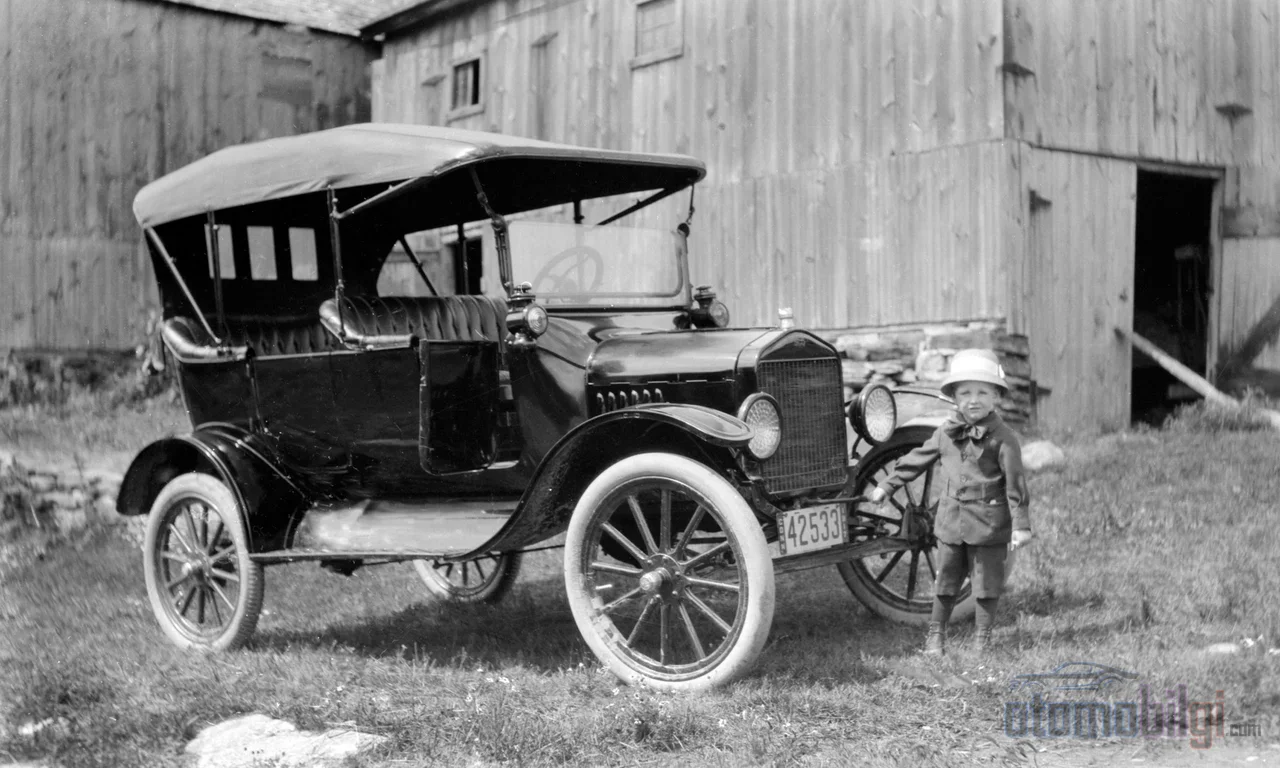
Those Who Brought the Car to the Masses: The Model T and the Assembly Line
The Ford Model T, produced between 1908 and 1927 in numbers exceeding 15 million, transformed the automobile from a luxury consumer product into an ordinary household appliance, and the technology that made this transformation possible was not the ca…
Read More
Small Cars Born from War: The Birth of the Post-War Compact Car
After World War II, small cars were not a luxury but a means of survival: destroyed infrastructure, fuel shortages, and a population with collapsed purchasing power made vehicles with limited engine displacement and size the only reasonable solution.…
Read More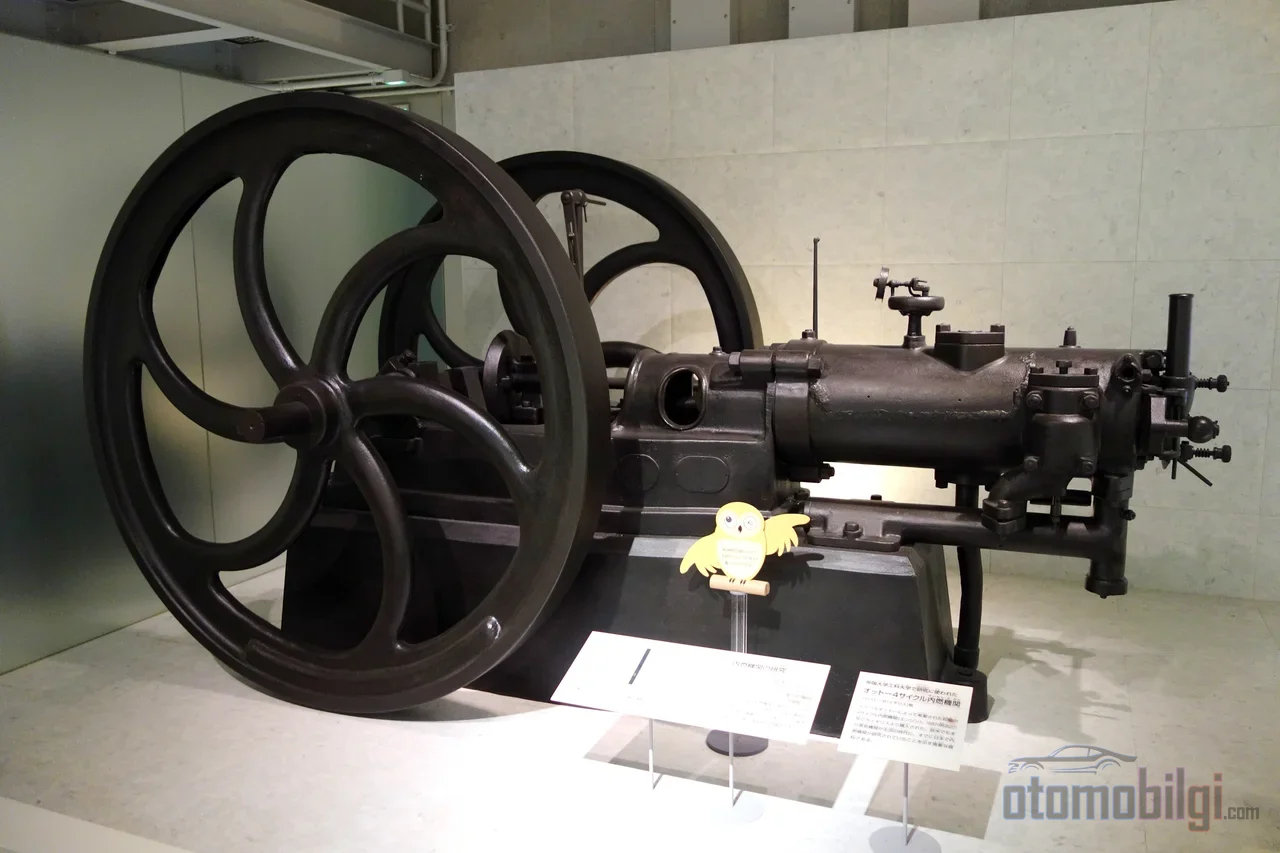
What Broke Otto's Patent? The Legal Battle of the Four-Stroke Engine
What broke Nikolaus Otto's four-stroke engine patent was the four-stroke cycle concept that Alphonse Beau de Rochas had patented in 1862 but never built: The German patent DRP 532 dated 4 August 1877 was invalidated in 1886 when this earlier filing c…
Read More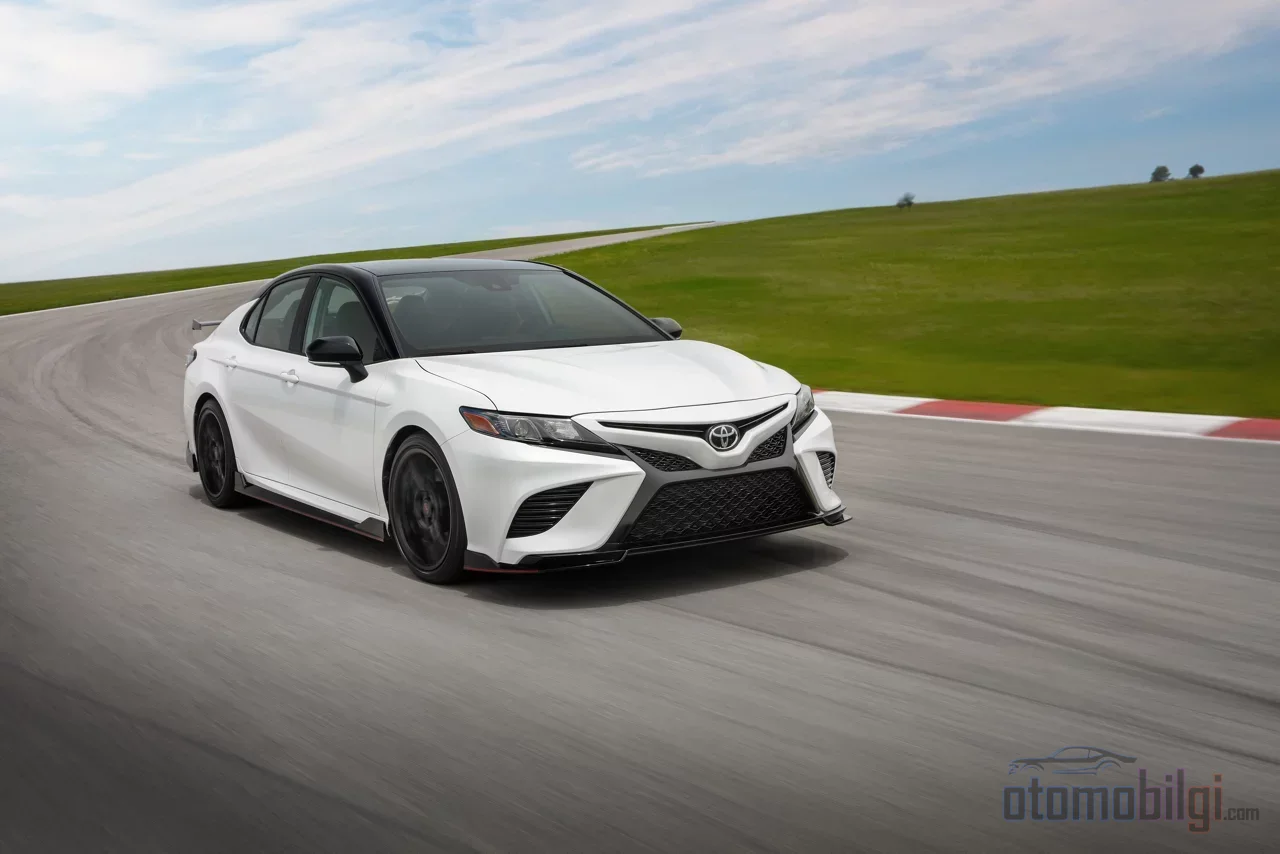
How Did the Japanese Car Conquer America?
Japanese automobiles entered the US market in 1958 as if it were a single factory defect; within twenty years, they dominated the market with small, fuel-efficient, and reliable cars that Detroit had long underestimated. Toyota's failed first step, H…
Read More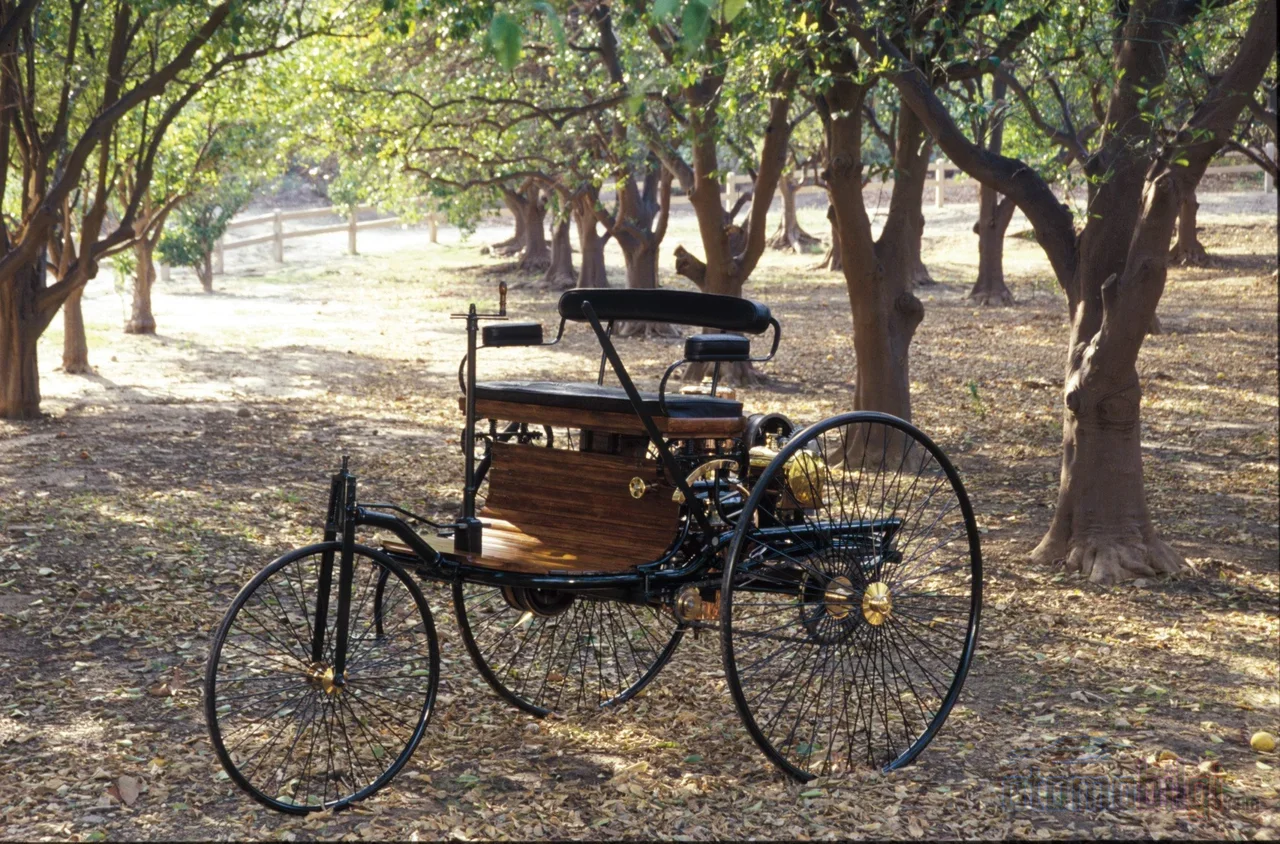
Four Cylinders or Twelve? Why the Number of Cylinders Has Always Changed
Cylinder count is the most fundamental architectural decision shaping the internal combustion engine's hundred and forty years: from Karl Benz's single-cylinder Patent-Motorwagen to today's turbocharged fours, both engineering physics and market cond…
Read More
How Did the Golden Age of Diesel End? Europe's Miscalculation
Diesel's golden age was a period of roughly twenty years, from the mid-1990s to 2015, that swept across Europe and reduced half of all car sales to a single fuel. Post-Kyoto Protocol CO2 pressure, tax policies, and the maturing of turbodiesel technol…
Read More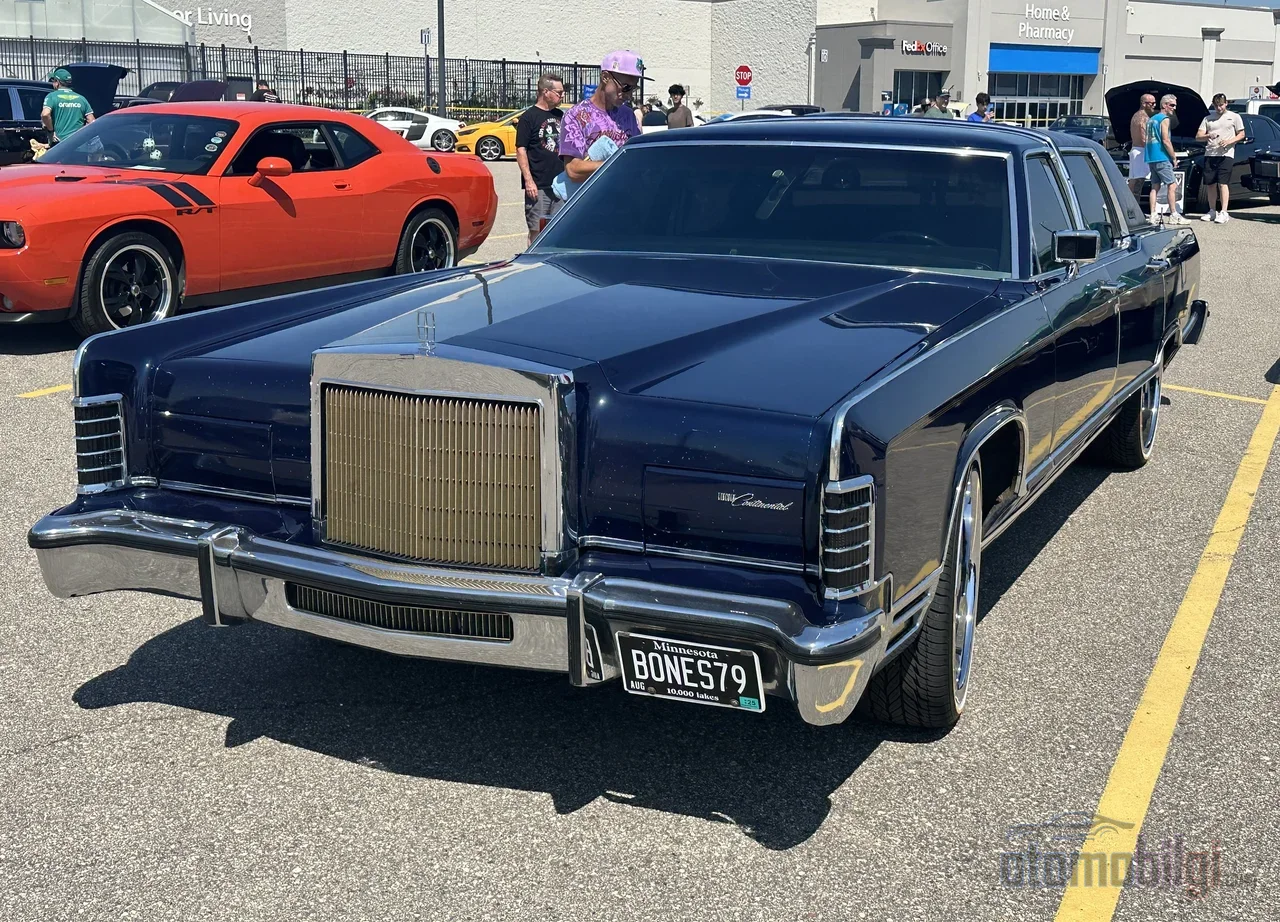
How Did Oil Crises Make Cars Smaller and More Efficient?
The oil crises did not just make car design worse on their own; they forcibly shrank it, made it more efficient, and laid the foundation for today's engine culture. Following the 1973 embargo and the shock of the 1979 Iranian Revolution, the price pe…
Read More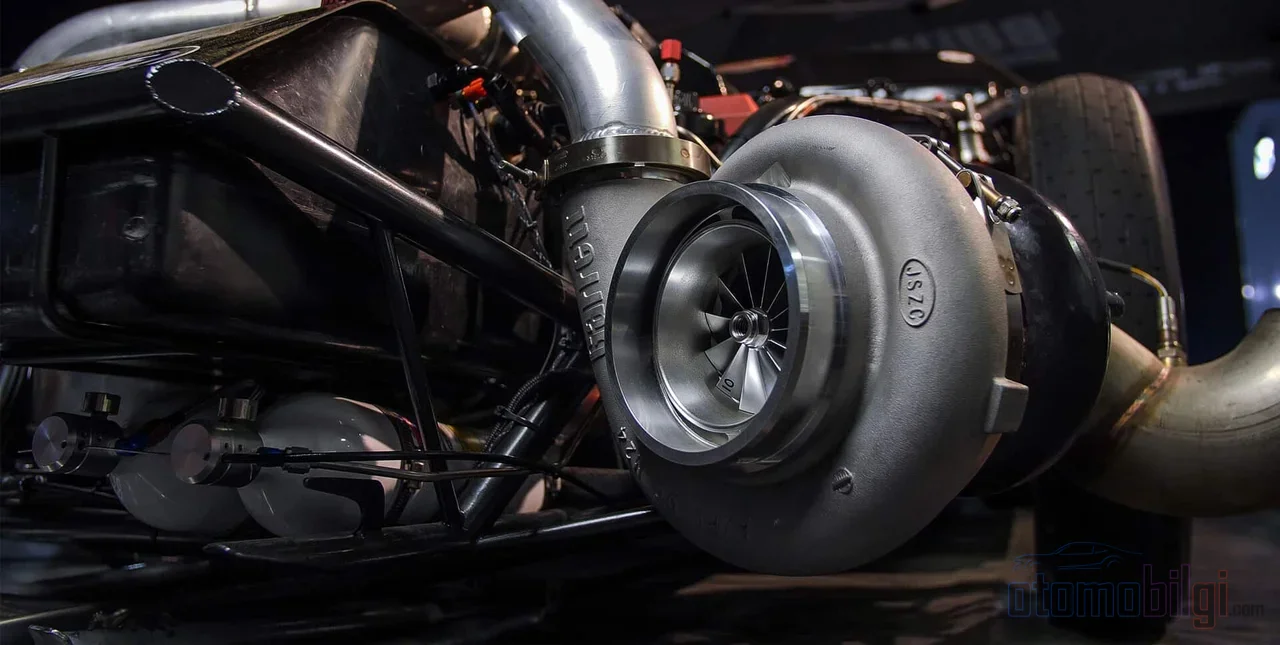
Garretten Greddy'ye: The Turbo Revolution's Journey Through Racing and the Streets
A turbocharger is a mechanical device that recovers the energy of exhaust gas and compresses more air into the engine; it received its first patent in 1905 and, after passing through the race tracks, has today become the backbone of mass-produced aut…
Read More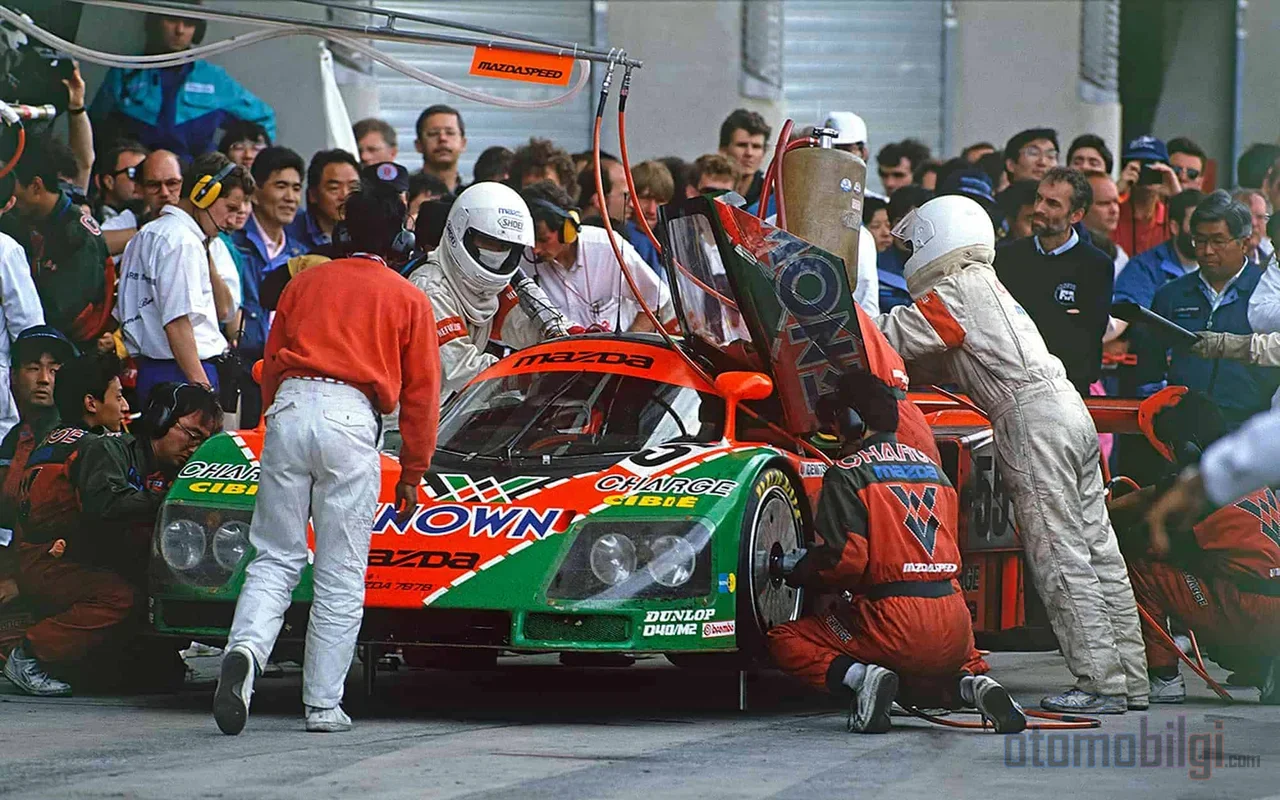
The Myth of the Triangular Rotor: The Rise and Silent Disappearance of the Wankel Engine
The Wankel engine is an internal combustion engine in which, instead of pistons, a three-cornered rotor travels in an orbit inside a peanut-shaped housing, with its three faces taking on the roles of intake, compression, combustion, and exhaust in tu…
Read More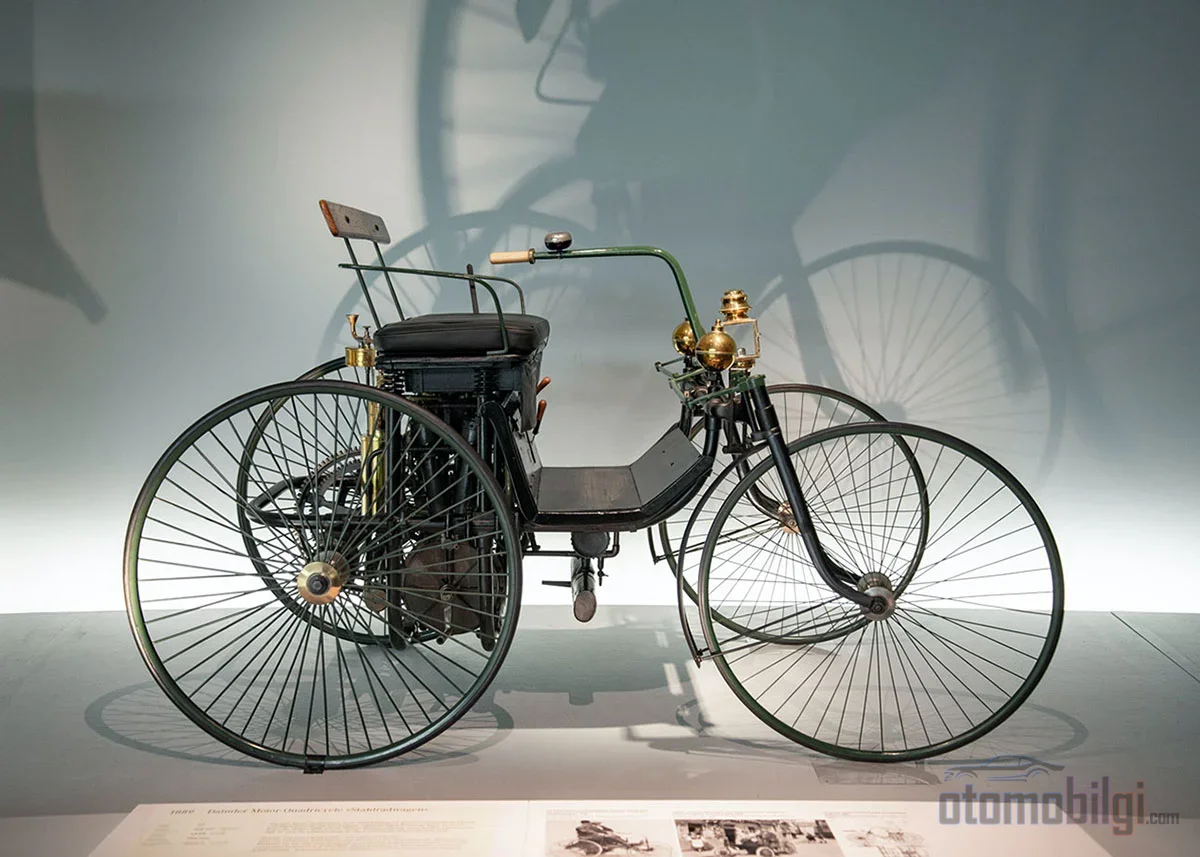
From Benz to Otto: The Fateful Century of the Internal Combustion Engine
The history of the internal combustion engine effectively begins in 1876 with Nikolaus Otto's compression four-stroke engine; it was transformed into the automobile by Karl Benz's Patent-Motorwagen in 1886, and the century that followed was an engine…
Read More