Otomobilgi.comOtomobilgi.com
  • Türkçe
  • English
  • Deutsch
  • Français
  • Italiano
  • Español
  • Português
  • Polski
  • Magyar
  • Azərbaycanca
  • Bahasa Indonesia
  • Русский
  • 中文
  • 日本語
  • 한국어
  • हिन्दी
  • বাংলা
  • العربية
  • فارسی
  • Türkçe
  • English
  • Deutsch
  • Français
  • Italiano
  • Español
  • Português
  • Polski
  • Magyar
  • Azərbaycanca
  • Bahasa Indonesia
  • Русский
  • 中文
  • 日本語
  • 한국어
  • हिन्दी
  • বাংলা
  • العربية
  • فارسی
  • HOME PAGE
  • NEWS
    Turkish Automotive Industry News
    Global Automotive Industry News
    Turkish Motorsports News
    Global Motorsports News
  • INTERNAL COMBUSTION
    Internal Combustion Models
    Internal Combustion Engine Technologies
    Fuel and Consumption
    Emission and Environment
    Internal Combustion Ownership
    History of the Internal Combustion Automobile
  • ELECTRIC
    Electric Models
    Electric Car Technologies
    Charging and Infrastructure
    Battery Technology
    Range and Consumption
    Electric Vehicle Ownership
    History of the Electric Car
  • HYBRID
    Hybrid Models
    Hybrid Systems
    Battery and Charging
    Consumption and Efficiency
    Hybrid Ownership
    History of Hybrid Cars
  • TECHNOLOGY
    Driver Assistance Systems
    Safety Technologies
    Lighting and Visibility Technologies
    Infotainment and Connectivity
    Autonomous Driving and Artificial Intelligence
    Future Technologies
  • GUIDES
    Buying Guides
    Sales Guides
    Maintenance and Use
    Ownership and Costs
    Tires and Wheels
    Insurance and Inspection
  • HISTORY & CULTURE
    Automobile History
    Iconic Models
    Classics and Collections
    Türkiye's Automobile Journey
    Automobile Design
    Cars and Popular Culture
  • MOTORSPORT
    Formula 1
    Rallying (WRC)
    Rallycross
    MotoGP
    Formula 2 & Formula 3
    Karting
    24 Hours of Le Mans
    WEC
    NASCAR
    IndyCar
    DTM
    GT Races
    Drift
    Drag Races
  • Türkçe
  • English
  • Deutsch
  • Français
  • Italiano
  • Español
  • Português
  • Polski
  • Magyar
  • Azərbaycanca
  • Bahasa Indonesia
  • Русский
  • 中文
  • 日本語
  • 한국어
  • हिन्दी
  • বাংলা
  • العربية
  • فارسی
  • Türkçe
  • English
  • Deutsch
  • Français
  • Italiano
  • Español
  • Português
  • Polski
  • Magyar
  • Azərbaycanca
  • Bahasa Indonesia
  • Русский
  • 中文
  • 日本語
  • 한국어
  • हिन्दी
  • বাংলা
  • العربية
  • فارسی
  1. HOME PAGE
  2. MOTORSPORT
  3. Formula 2 & Formula 3

Formula 2 & Formula 3

Share This Page
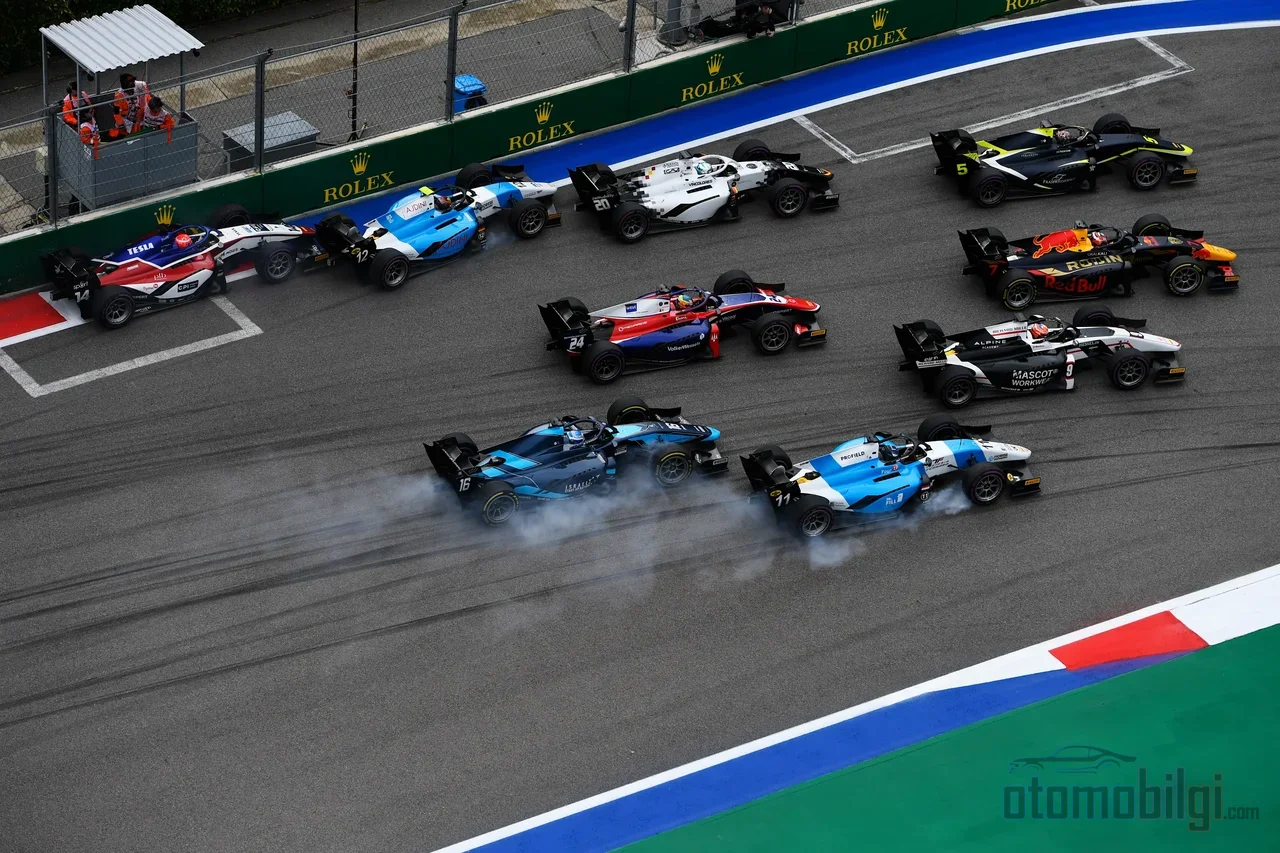
There are no salaried drivers in F2 and F3; a young driver competing for the championship is a partner who buys his own seat for 2-3 million dollars.
Why Are Drivers Bringing Budget to Teams in F2 and F3?
Lütfi Mete Odabaşı18 October 2026

In F2 and F3, drivers bring budgets to the teams, because in these series the teams' main income comes directly from the drivers themselves: a competitive F3 seat costs roughly $1.5 million, while a season in F2 is $2-3 million , and this money is br…

Read More
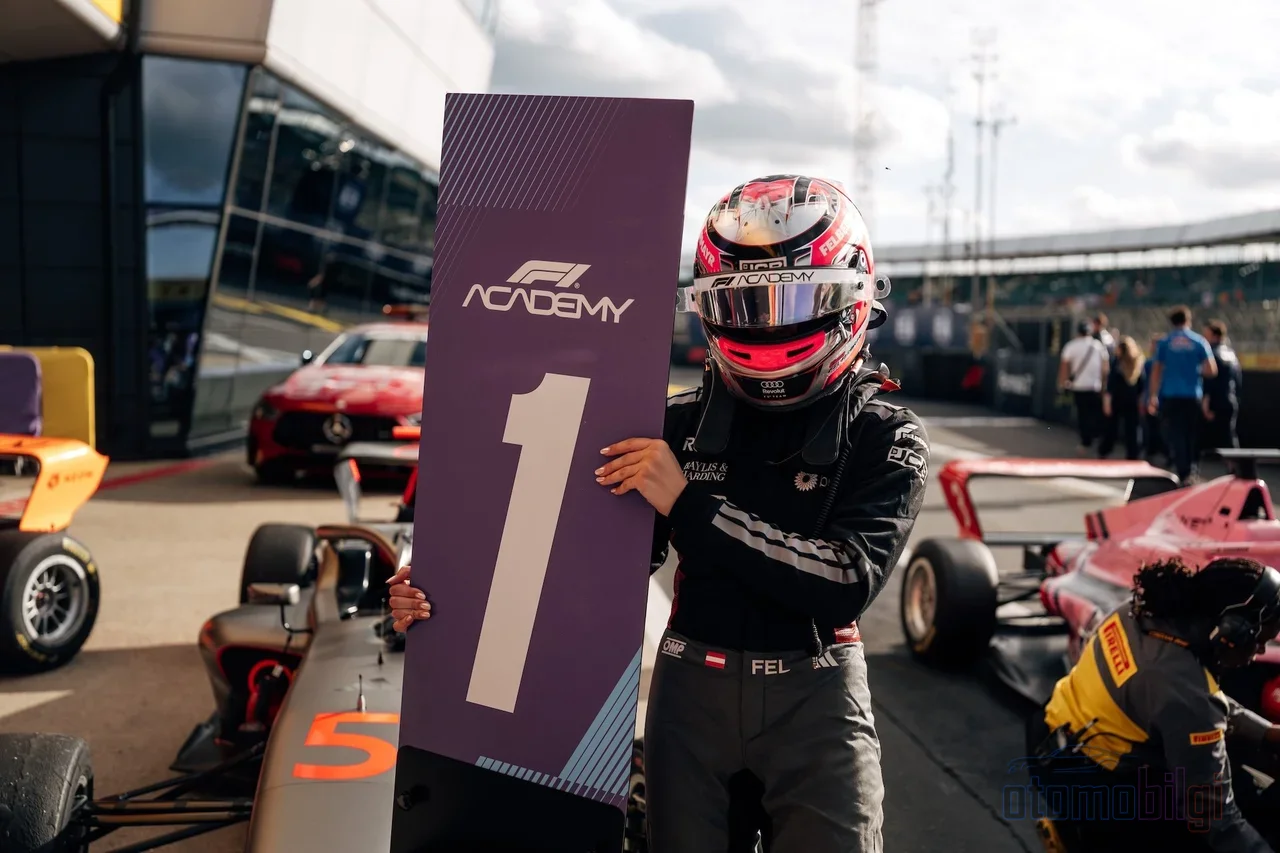
Half of the F2 and F3 grids now carry the signature of F1 academies, but independent drivers are still managing to climb up this ladder.
Have F1 Academies Gotten Their Hands on F2 and F3?
Lütfi Mete Odabaşı18 October 2026

Short answer: partially yes - a significant portion of the F2 and F3 grids now comes from the academies of major F1 teams, but it is still too early to say they have 'taken over'. These series are F1's official feeder steps, and academies are the str…

Read More
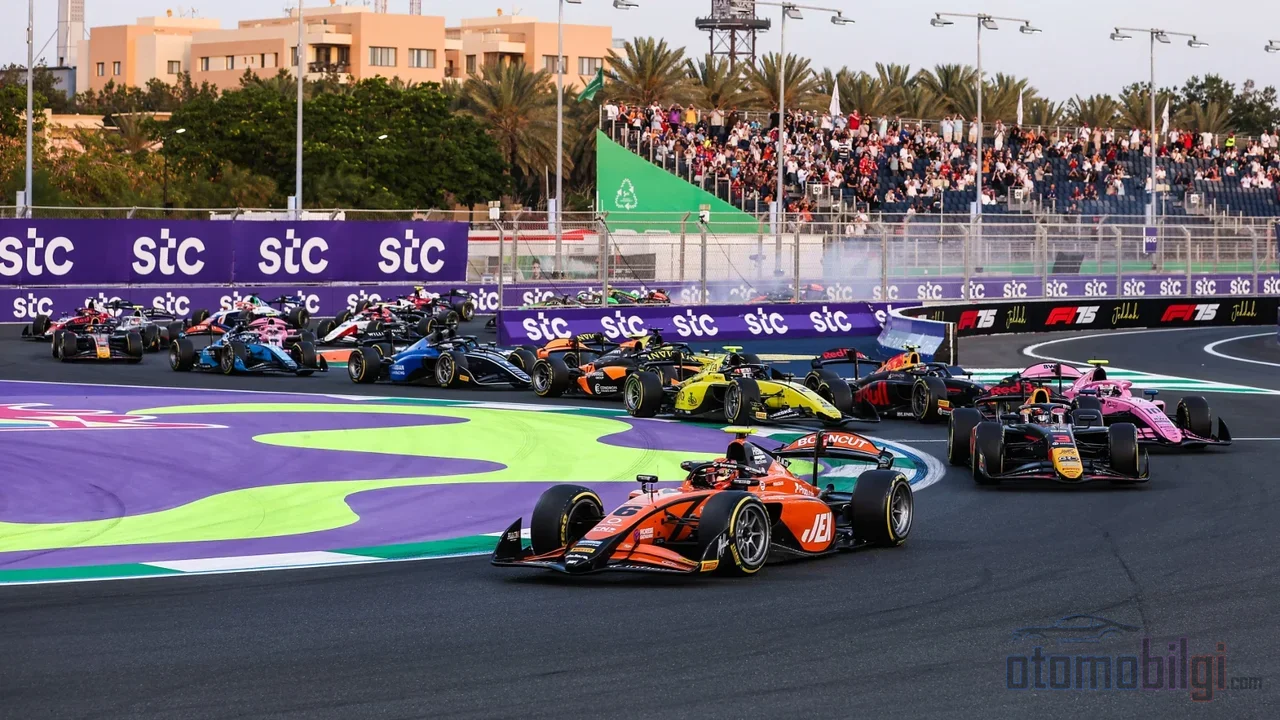
A driver moving up from F3 to F2 has to handle, all at once, a car whose power jumps by 60 percent in a single leap, new tire compounds, and competition decided by the narrowest of margins.
Why Do New Drivers Joining F2 Struggle in Their First Season?
Lütfi Mete Odabaşı18 October 2026

Drivers moving up from F3 to F2 struggle in their first season, because they are climbing not just one step but practically several steps at once: they move to a car with roughly 60% more power, they dive into corners with much higher downforce, they…

Read More
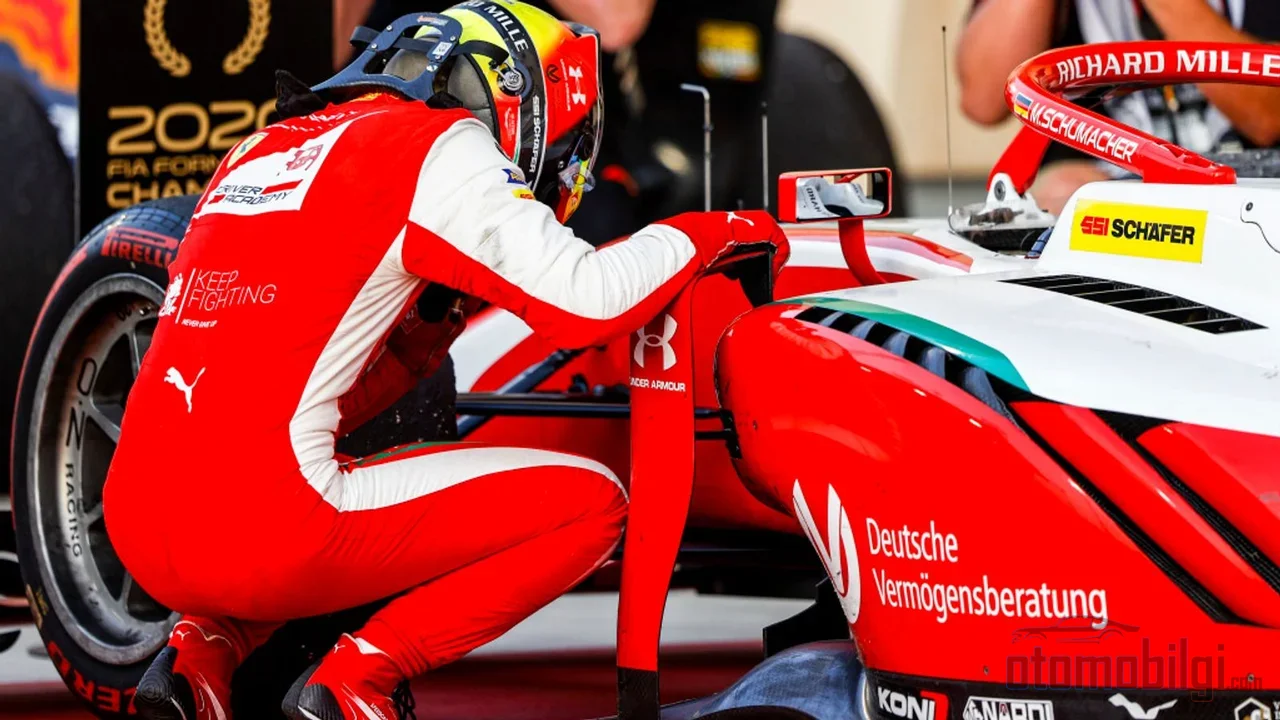
Nine of the GP2 and F2 champions made it to an F1 seat; Hamilton reached the pinnacle of the world one year after winning in 2006.
F2's Unforgettable Championship Battles
Lütfi Mete Odabaşı17 October 2026

Formula 2's (and earlier the GP2 era's) unforgettable championship battles, champions decided on the final lap, intra-team duels, disqualifications that changed results, and careers that extended all the way to F1 - a treasure trove. Here are the sea…

Read More
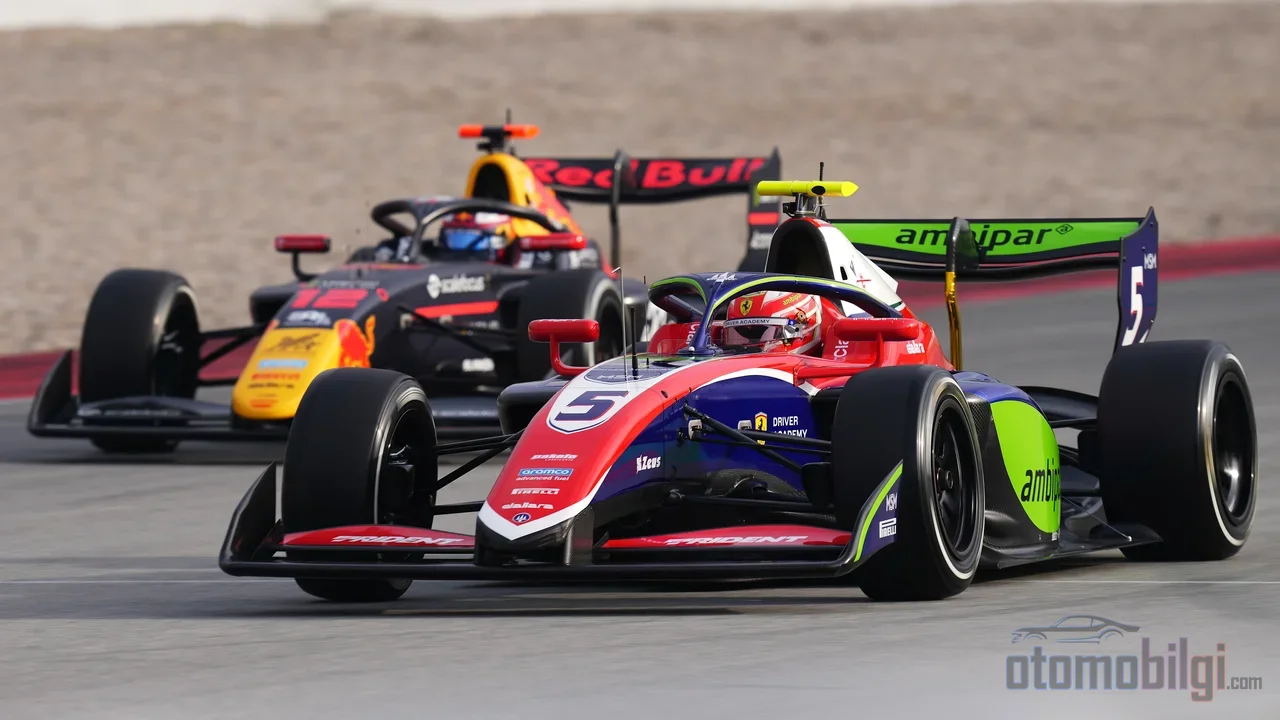
Of the dozens of names who lifted the F3 trophy, only Piastri and Bortoleto made it to the F1 grid; the championship grants a super license, but not a seat.
Is Winning the F3 Championship a Guarantee for F1?
Lütfi Mete Odabaşı17 October 2026

Winning the F3 championship is not an F1 guarantee; very few of the FIA Formula 3 champions to date have managed to secure a permanent F1 seat. Some of the names who lifted the trophy get stuck in F2, while others turn to other series. The championsh…

Read More
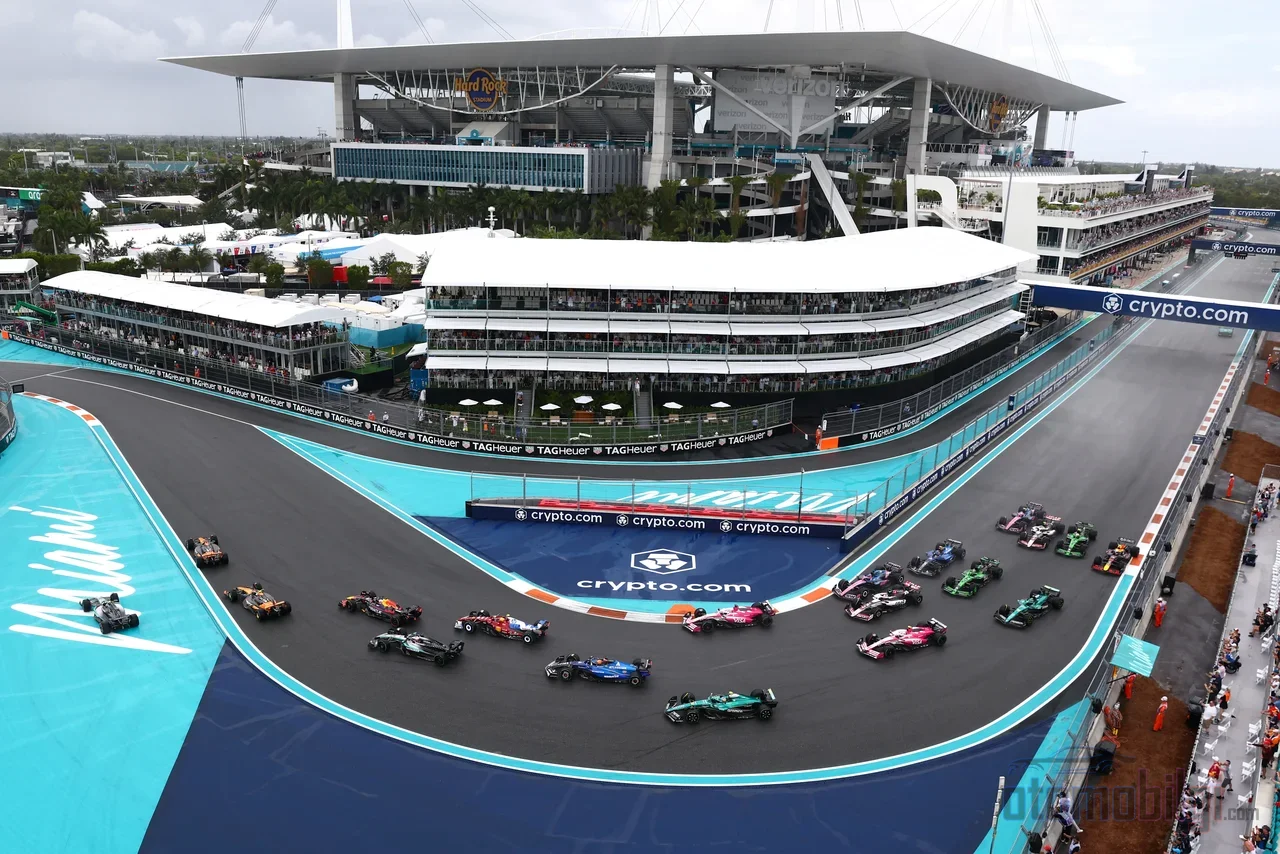
Formula 2 has two races, two strategies and two points standings in a single weekend; while the grid is reversed for the sprint, the mandatory pit stop becomes the deciding factor on Sunday.
How Does a Race Weekend Work in Formula 2?
Lütfi Mete Odabaşı16 October 2026

A Formula 2 race weekend begins on Friday with practice and qualifying sessions, continues on Saturday with the reversed-grid Sprint Race and on Sunday with the longer Feature Race featuring a mandatory pit stop; the two races together determine the …

Read More
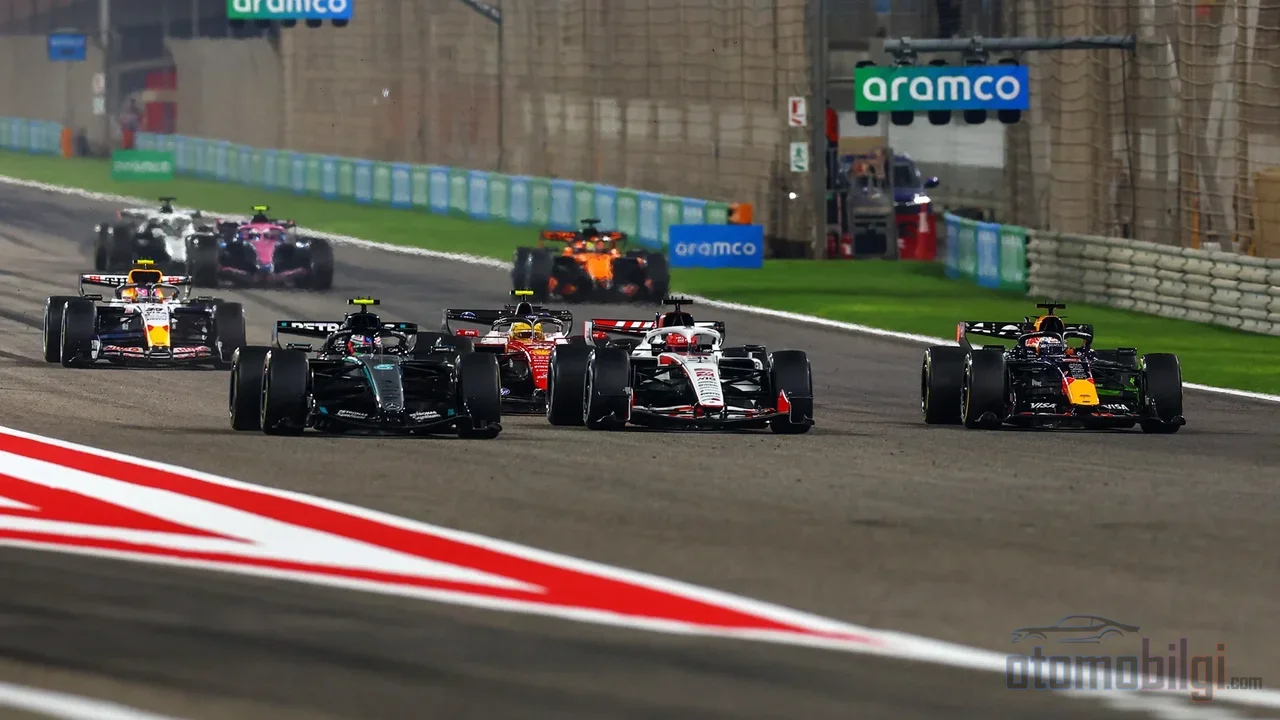
The price of the road to F1 can exceed 14 million euros; this figure is the clearest explanation for why there is not even a single Turkish driver on the grid.
Why Is It So Hard to See a Turkish Driver in F2 and F3?
Lütfi Mete Odabaşı15 October 2026

The answer is actually quite short: there are currently no Turkish drivers on the F2 and F3 grids, and there is not a single reason for it; annual costs reaching millions of euros, a career requiring a move to Europe as early as age 8-10, and Türkiye…

Read More
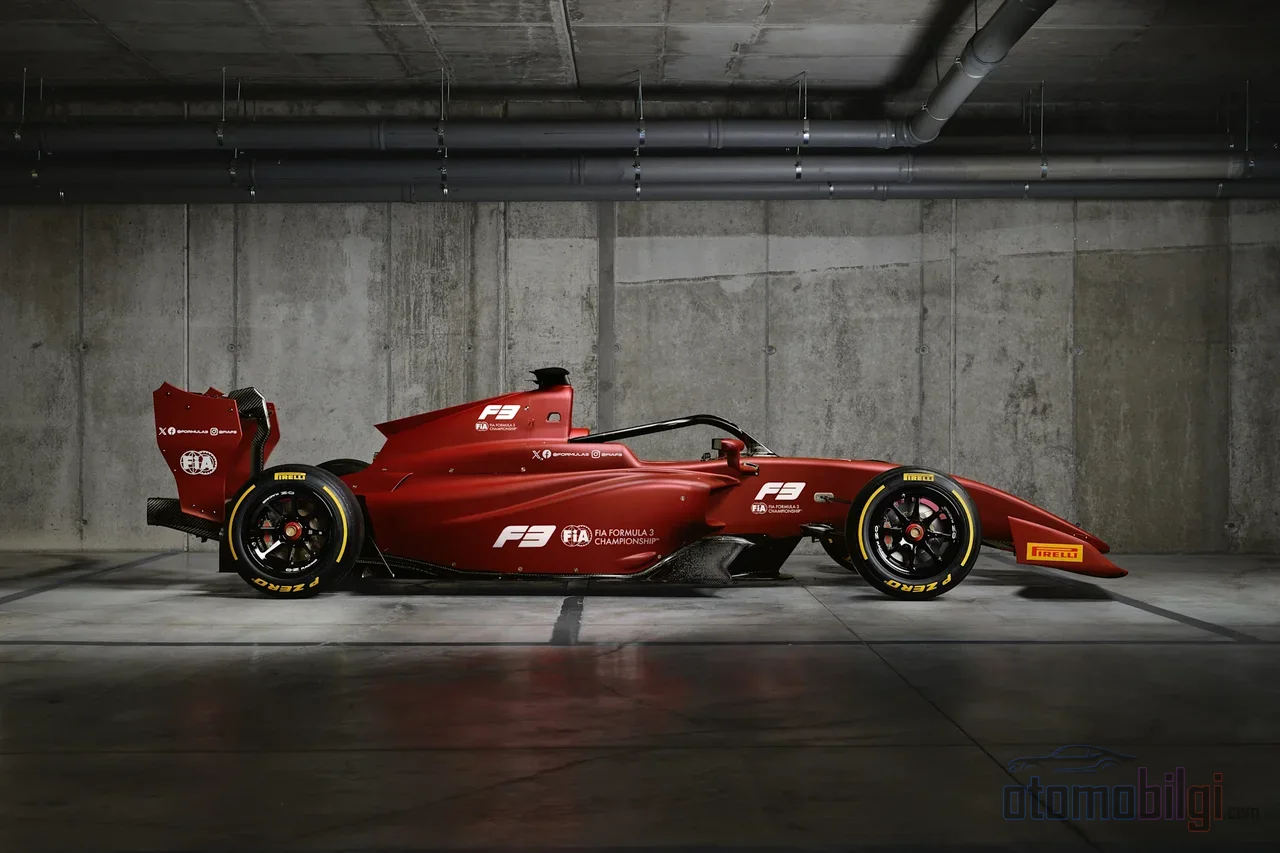
The only thing that makes the difference in one of the 30 cars using the same Dallara chassis is the driver behind the wheel.
From Dallara Chassis to Halo: Formula 3 Car Technology
Lütfi Mete Odabaşı14 October 2026

A Formula 3 car is a single-make racing car in which all 30 cars in the FIA Formula 3 Championship are built to the same specification, featuring carbon fiber monocoque chassis and powered by a 3.4-liter Mecachrome V6 engine. The current generation, …

Read More
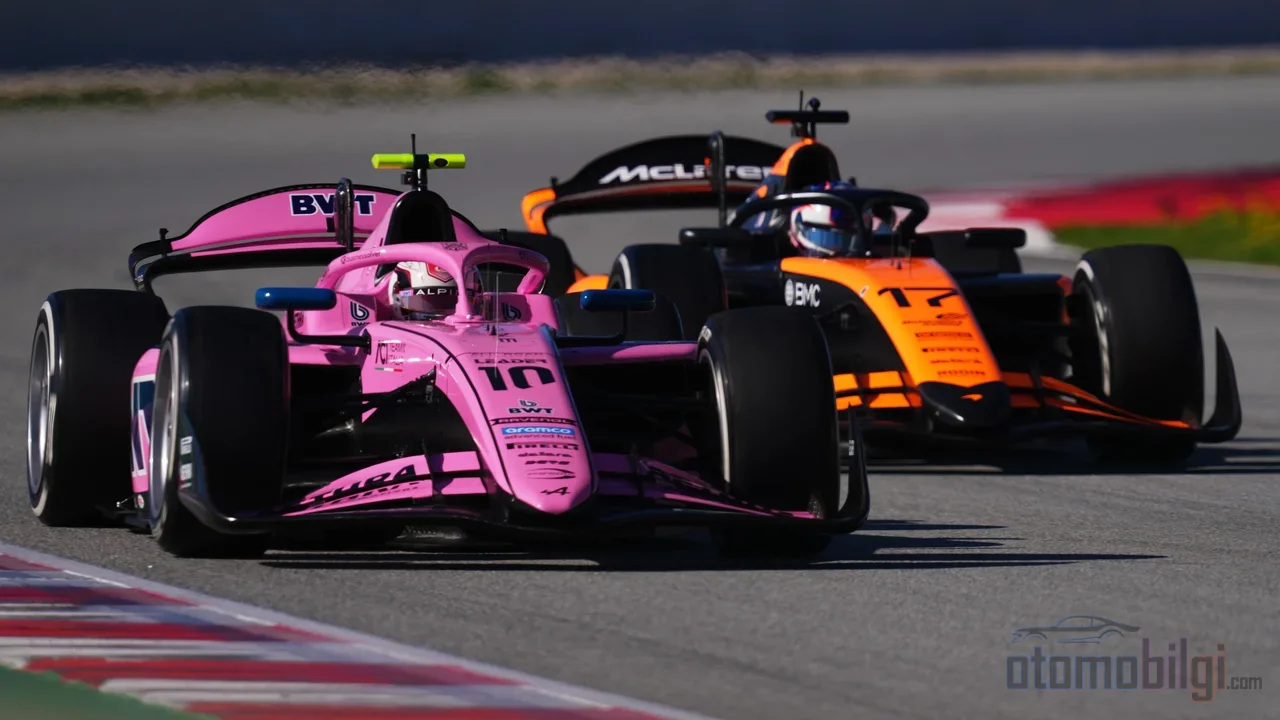
An F2 championship is not a contract but an exam; there is no rule on paper saying the winner will take one of the 22 seats on the grid.
Rising from F2: How Many Names Managed to Stay in F1 Permanently?
Lütfi Mete Odabaşı13 October 2026

The F2 championship is not an automatic ticket to F1; since 2017, while some of the crowned names have settled into Ferrari and Mercedes seats, some champions never even made it to an F1 race. So the second tier is not a guarantee but a de facto exam…

Read More
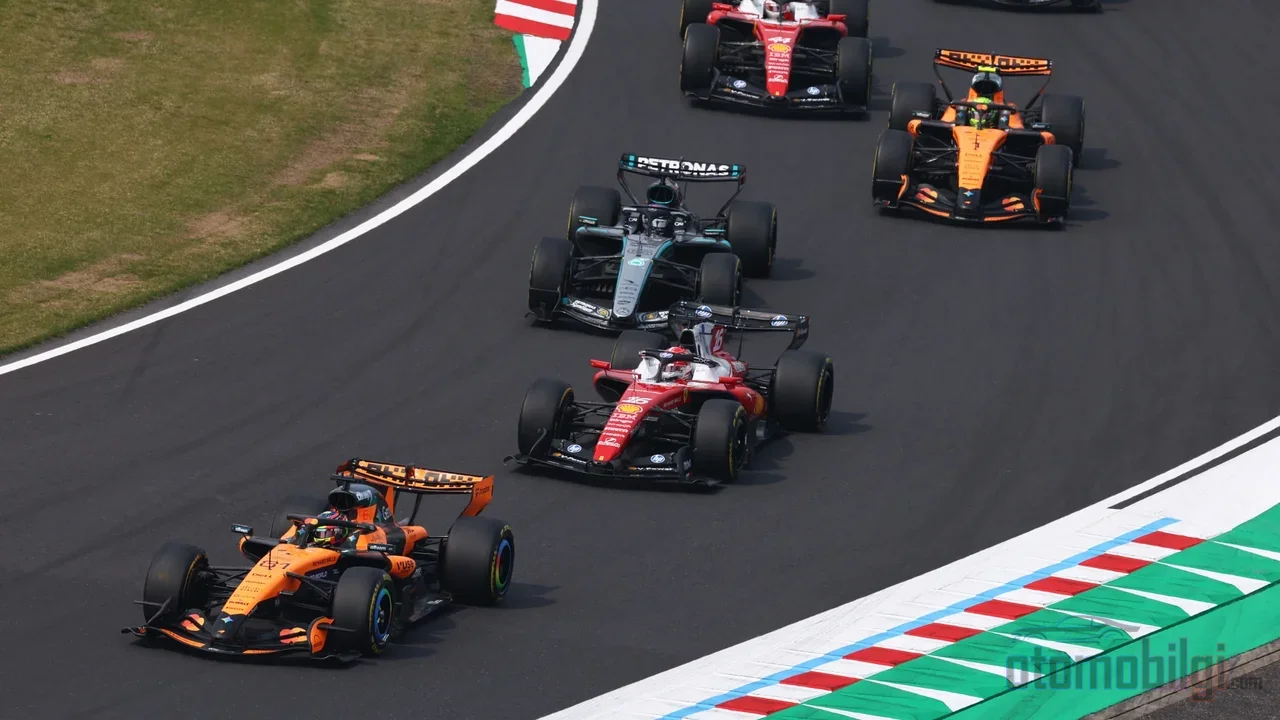
A competitive Formula 2 seat costs 2-3 million dollars per season, and pilots bring this money to the team not as a salary but as sponsor money.
How Much Does a Season in Formula 2 Cost?
Lütfi Mete Odabaşı12 October 2026

A season in Formula 2 costs around 2-3 million dollars if it is going to secure you a seat in a competitive team, and most pilots bring this money to the team not out of their own pocket, but as sponsor money. In other words, we can call F2 the world…

Read More
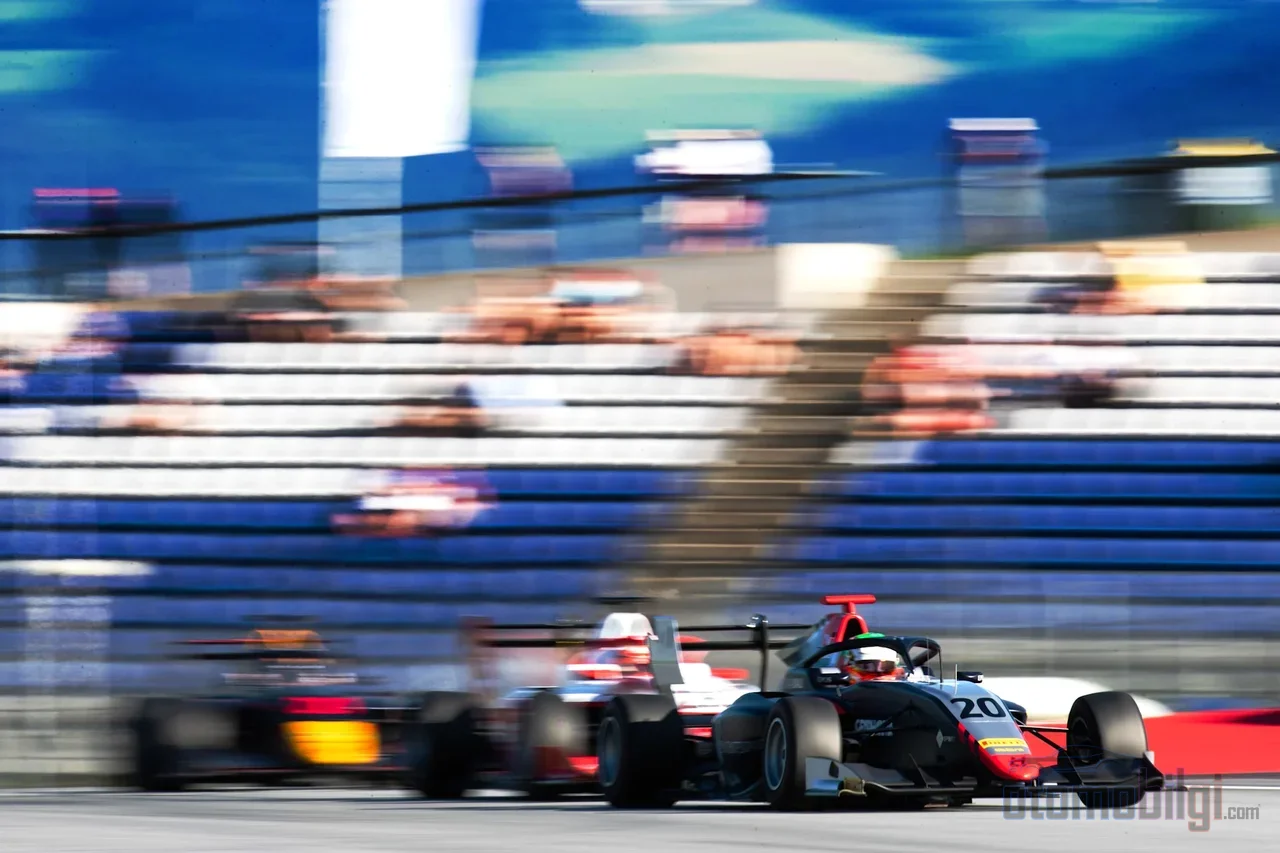
The F3 championship takes you right up to the Formula 1 door, but the key that opens that door isn't always performance - it's a budget of around $1.2 million.
Is Formula 3 Really a Stepping Stone to F1?
Lütfi Mete Odabaşı12 October 2026

Formula 3 was designed as the third rung of the F1 ladder but is a development series without a guaranteed F1 ticket: since 2019, only two of the champions have made it to F1. So an F3 title brings you to the F1 door but doesn't open it. So what exac…

Read More
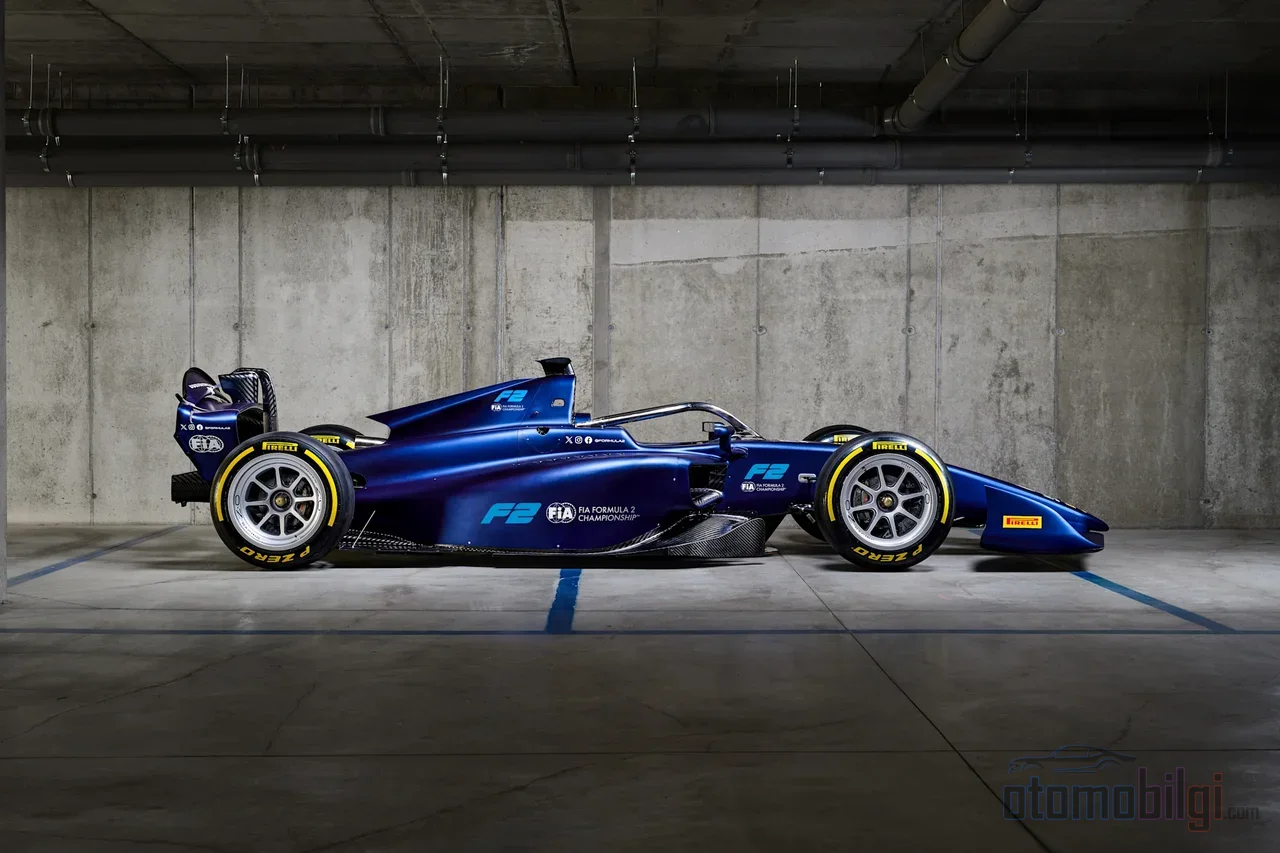
In Formula 2, all teams use the same Dallara chassis and Mecachrome engine; the winner is determined by the driver's skill.
Single Chassis, High Speed: How Do Formula 2 Cars Work?
Lütfi Mete Odabaşı11 October 2026

In Formula 2 cars, every team uses the same Dallara chassis, the same Mecachrome V6 engine and the same Pirelli tires; the aim of this "single chassis" philosophy is to keep costs under control while making the winner purely a matter of the driver's …

Read More
  • Previous
  • 1
  • 2
  • 3
  • Next

Category Editor

Lütfi Mete Odabaşı

Lütfi Mete Odabaşı

A young, dynamic automotive and motorsport enthusiast who loves researching and learning. Mete adds value to our automotive news, information, and culture platform with a young person's perspective. He closely follows innovations in automotive technologies and developments in motorsport, turning what he learns into rich, useful content for otomobilgi.com.

Follow Us on Social Media

Share This Page

Follow Us on Social Media

  • About Us
  • KVKK Disclosure Statement
  • Privacy Policy
  • Contact
Otomobilgi.com
INDEPENDENT AUTOMOBILE CULTURE PLATFORM
Powered by Virgo CMS