Will the 2026 Opel Grandland Electric AWD Find Buyers in Türkiye?
Share This Page
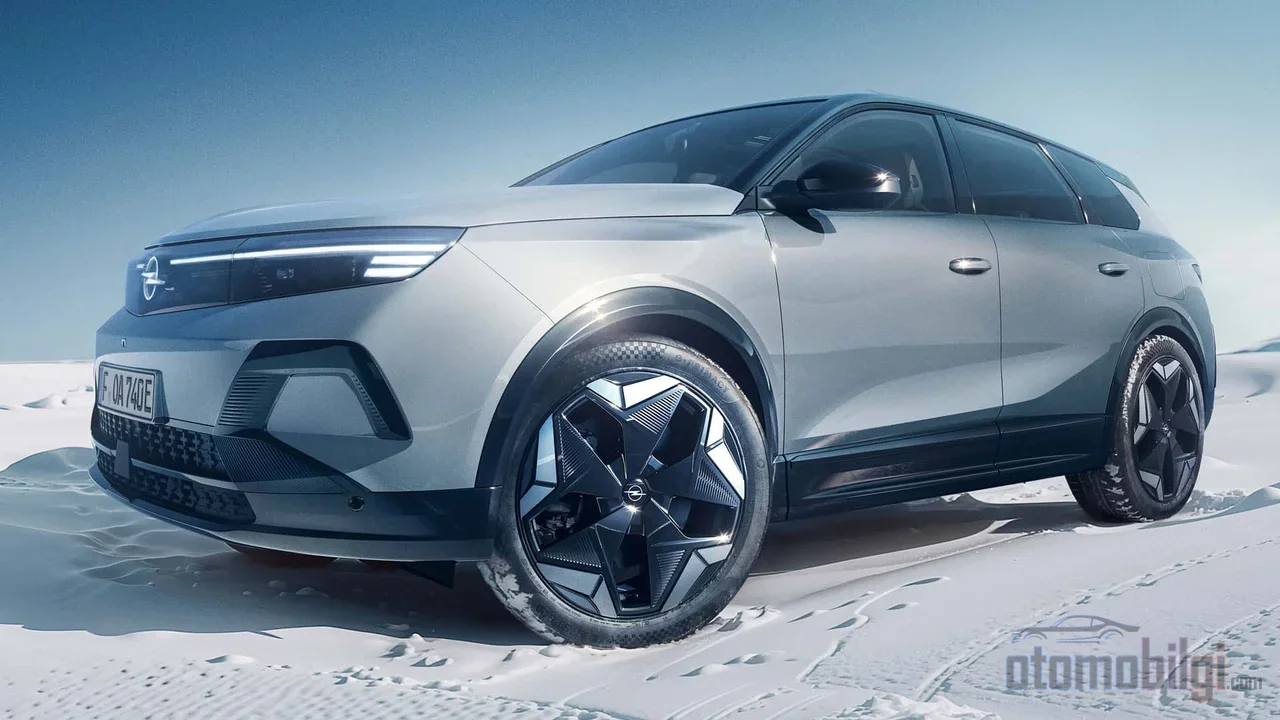
The Opel Grandland Electric AWD is a 325-horsepower 4x4 electric car in the C-SUV class, holding the distinction of being the first fully electric and first dual-motor Opel sold in Türkiye. Coming with a 73 kWh battery and 489-501 km of WLTP range, the model sits above the Corsa and Frontera in the German brand's electric lineup. So does this car actually find buyers within Türkiye's challenging pricing math? In this article, we examine the model's identity, technical character, and market chances with data.
Highlights
- System power 239 kW (325 hp), torque 509 Nm, 0-100 km/h 6.1 seconds
- 73 kWh battery, 489-501 km WLTP range
- DC fast charging 160 kW; from 20% to 80% in under 30 minutes
- With Electric AWD, a braked towing capacity of 1,350 kg
- In Türkiye, with GS equipment, priced in the range of 3.7-4.25 million TL
Model Identity: A German C-SUV at the Upper Limit of the Compact Class
The Grandland is Opel's compact crossover SUV. The new generation, with a body length of 4.65 meters, is at the upper limit of its class; it is nearly a mid-size vehicle, but with its positioning and pricing it counts as a C-SUV. There is a noteworthy detail in its technical foundation: the Grandland is the first Opel to use Stellantis' new STLA Medium platform. It shares this platform with the Peugeot e-3008; effectively, it is its German cousin. The platform partnership is an important clue to understanding the model's architectural limits - we will return to this shortly in the charging section.
The lineup does not consist only of the electric version; 100% electric, hybrid, and plug-in hybrid engine options are offered with Design, Griffin, GS, and Ultimate equipment levels. However, the subject of this article is the version that represents two breaking points in the brand's history at once: the Grandland Electric AWD. This model is Opel's first fully electric and also its first battery-electric all-wheel drive, i.e., four-wheel-drive Opel.
Powertrain and Performance: What Good Is 325 HP Dual Motor?
The system's math is clear. The front axle carries a motor producing 157 kW (213 hp) , which is also found in the standard electric Grandland. To the rear axle, an additional electric motor producing 82 kW (112 hp) has been added. Total system power is 239 kW (325 hp), maximum torque 509 Nm. The acceleration figure is 6.1 seconds from 0-100 km/h, with a top speed of 180 km/h. Respectable for the C-SUV class, but a performance far from the peak of dual-motor rivals.
What makes the system interesting is that the driver can choose between four different modes:
- Normal: Maximum 230 kW (313 hp) and 450 Nm; priority is on front-wheel drive, with the rear motor engaging when needed.
- 4WD: Both motors are continuously active, with power distributed in a balanced way.
- Sport: Power distribution is shifted forward in a 60:40 ratio, emphasizing the sporty character.
- Eco: Power is limited to 157 kW and 343 Nm; efficiency is at maximum.
On the suspension side, frequency-selective damping technology is offered as standard. This means the dampers respond with different stiffness to road impulses at different frequencies - a passive but intelligent solution that provides comfort for short-term impulses and stability for longer waves.
Range and Charging: The Power and Limits of the 73 kWh Battery
The AWD version comes only with 73 kWh lithium-ion NMC battery with usable capacity. Range varies depending on equipment: In the Ultimate trim 489 km WLTP, and in other trims 501 km (pre-WLTP) values are given. The manufacturer's WLTP consumption claim is 17.7 kWh/100 km; independent measurements point to a range of 14.3-15.6 kWh/100 km. With highway-heavy use, consumption rising to around 18 kWh/100 km and range dropping to around 360 km is a realistic picture that applies to every electric vehicle in this class. The standard heat pump helps preserve this value.
On the DC charging side, the ceiling is 160 kW. The 20-80% range takes under 30 minutes, completing in approximately 29 minutes. Here, STLA Medium's architectural choice is decisive: the platform is based on a conventional 400 volt architecture. Next to the Hyundai Ioniq 5 with its 800-volt system and charging speed of up to 260 kW, this value is technically one step behind, and this is the main factor limiting long-distance use. Expecting the real-world average charging power to sit in the 125 kW band is a reasonable conclusion.
The fact that the 82 kWh (582 km WLTP) version, which has opened for orders in Europe, and the upcoming Long Range variant with 97 kWh capacity promising 694 km WLTP range are not offered with AWD is a critical characteristic of the model. Those wanting all-wheel drive have to forgo the large battery. From an engineering perspective, this is a result of the cost and weight balance; however, from the buyer's perspective, it forces a choice between range and traction.
How Much Difference Does the Electric 4x4 Make in Real Life?
The system's name is Intelligent All-Wheel Drive and its operating logic is fundamentally different from a classic mechanical drivetrain 4x4. Thanks to the dual-motor architecture, the front-wheel-drive leg of the system completely disengages the rear motor at high speeds or when additional traction is not needed, thus saving energy. At low and medium speeds, it engages in 4WD mode when extra traction is needed instantly. In a C-SUV fitted with winter tires, the difference felt on snowy and wet surfaces is measured through short traction distances and trajectory stability; the system's official communication also emphasizes extra traction and safety especially in challenging conditions.
A value that most electric vehicles in this segment cannot reach is towing capacity: The electric AWD can tow 1,350 kg with a braked trailer. For comparison, front-wheel-drive electric versions are limited to 1,150-1,200 kg. For a user towing a caravan or boat, this 150 kg difference is a detail large enough to change the purchasing decision.
Interior and Technology Equipment
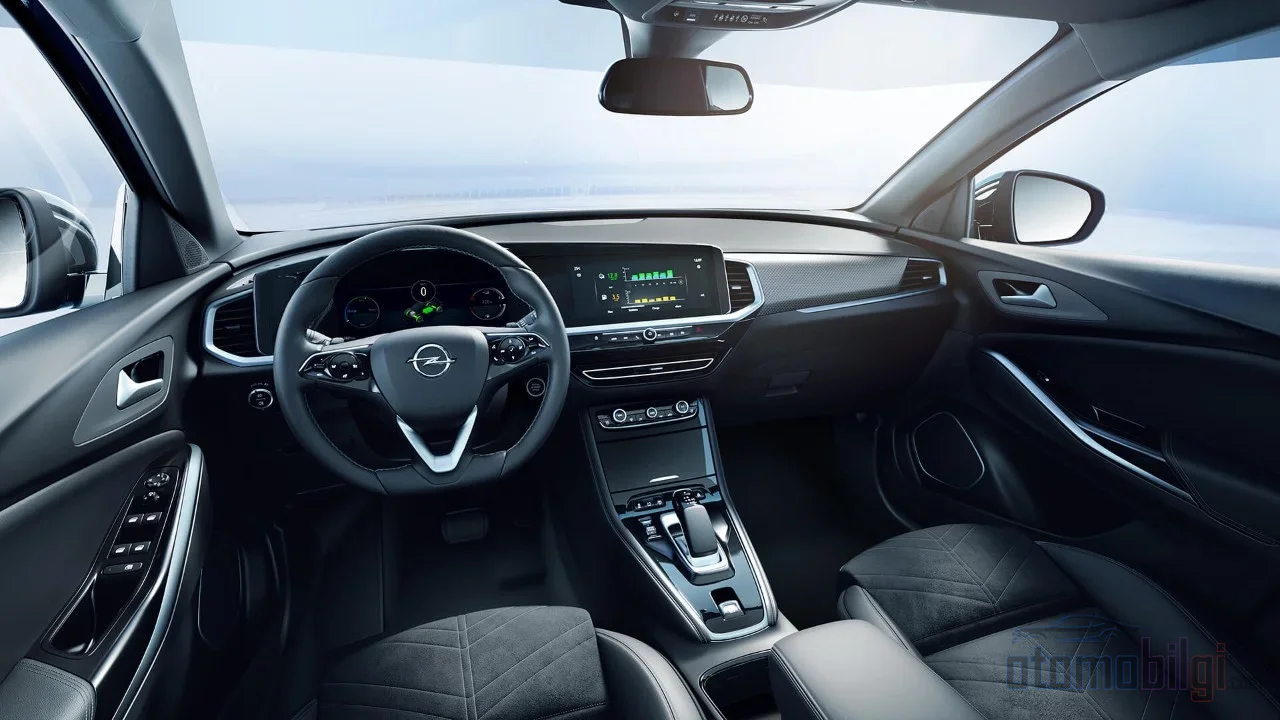
The standout piece in the cabin is the AGR-certified - meaning independently approved for back health - Intelli-Seats Pro front seats. Alcantara upholstery is offered as standard, while nappa leather is also available as a no-cost option. The Ultimate trim adds an electric sliding panoramic glass roof to the list. The dimensions sit at the upper limit of the compact class: approximately 4,650 mm in length and 20 mm more rear knee room than the previous generation.
The technology list is long: 16-inch multimedia touchscreen, Intelli-HUD head-up display, 360° Intelli-Vision camera system, and the Intelli-Drive 2.0 driver assistance system that is standard on Ultimate. On the headlight front, the Intelli-Lux HD matrix technology with more than 50,000 pixels illuminates the road without dazzling oncoming traffic. The console features a storage unit called the "transparent pixel box" with wireless charging.
On the practicality front, two points stand out. First, despite the 10- or 16-inch screen, physical buttons have been retained for climate control along with a real dial for volume - the right decision from an engineering standpoint. Second, the appearance of hard plastics in the second row slightly limits the cabin's perceived quality, but the interior spaciousness and cargo volume make up for it: 550 liters (expanding to 1,645 liters) of trunk space, together with a 40:20:40 split rear seat, is larger than most rivals in the class; only the Skoda Enyaq (585 liters) stays ahead.
Türkiye Market: Price, SCT, and the Question of Whether Buyers Will Come
The Grandland Electric AWD was launched for sale in Türkiye at the GS trim level, with a launch-specific price announced in the range of 3.78-4.25 million TL; the current Opel Türkiye price list should be consulted for the final figure. The key mechanism determining the pricing is the SCT (Special Consumption Tax) exemption. Exceeding the exemption upper limit for electric vehicles spikes the tax rate and directly affects the price; the application of different SCT rates depending on trim level is therefore what clearly separates list prices.
Opel's electric lineup in Türkiye consists of the Corsa, Frontera (44 kWh), and Grandland. Within this hierarchy, the Grandland AWD's role is clear: both the most powerful and the most expensive in the lineup. So where does it stand compared to its rivals?
| Model | Drivetrain | Range (WLTP) | Türkiye Price (approx.) |
|---|---|---|---|
| Opel Grandland Electric AWD | AWD, 325 hp | 489-501 km | 3.7-4.25 million TL |
| Hyundai Ioniq 5 (63 kWh) | Front-wheel drive/AWD | ~570 km (84 kWh) | From 3.35 million TL |
| Hyundai Ioniq 5 (84 kWh) | 568 km | 568 km | 3.999 million TL |
| Tesla Model Y Long Range AWD | AWD | Official campaign price not announced | Shown excluding SCT and VAT |
When performance is compared in bare numbers, the picture is clear: the Model Y Long Range AWD completes 0-60 mph in 3.9 seconds, the Ioniq 5 AWD in 4.5 seconds; the Grandland AWD's 6.1 seconds lags behind these two. The BYD Sealion 7's dual-motor version also comes with a battery roughly 4.5 kWh larger than the Model Y Long Range and is compared against this trio. So on the axes of speed and charging speed, the Grandland AWD is not at the summit.
On the other hand, there are areas where the model differentiates itself: 1,350 kg towing capacity, matrix headlights, AGR-certified seats, and a balanced presentation of all-wheel drive with efficiency. When looking at the product's sales dynamics in Europe, a more cautious picture emerges; the assessment is that the model is trying to compete without a single standout defining feature, and that its charging performance limits its long-distance capability. The element that could change the situation in Türkiye is price: a dual-motor C-SUV positioned right at the edge of the SCT exemption threshold sees few rivals at this size and equipment level.
Conclusion: Who Is It a Meaningful Choice For?
The Grandland Electric AWD is neither the fastest nor the longest-range in its class on the statistics table. However, when all-wheel drive, 1,350 kg towing capacity, a spacious trunk, equipment richness, and the perception of a German brand come together, it offers clear value to a specific buyer profile: a user living in a snowy region, towing a caravan, or seeking maximum equipment at the SCT threshold, but who does not prioritize the highest acceleration. The 400-volt architecture on the charging axis remains a weak point for those who drive long distances intensively. Whether it finds buyers depends on which of these three factors - towing, equipment, and price band - weighs most for the buyer in question.
Sources
- Opel Releases Details of Grandland Electric AWD
- Grandland: 100% Electric, Hybrid, Plugin Hybrid SUV
- First drive in the Opel Grandland Electric
- Opel Grandland Electric AWD: Winter Driving Pleasure with Electric All-Wheel Drive
- Order Books Open: New Opel Grandland Electric Long Range
- Opel Grandland Electric Price List
- IONIQ 5 Special Offer
- Design Your Model Y
- 2026 Hyundai Ioniq 5 vs 2026 Tesla Model Y
- Tesla Model Y vs BYD Sealion 7: Real world range compared
- Opel Grandland Electric 73 kWh
- Opel Grandland