Otomobilgi.comOtomobilgi.com
  • Türkçe
  • English
  • Deutsch
  • Français
  • Italiano
  • Español
  • Português
  • Polski
  • Magyar
  • Azərbaycanca
  • Bahasa Indonesia
  • Русский
  • 中文
  • 日本語
  • 한국어
  • हिन्दी
  • বাংলা
  • العربية
  • فارسی
  • Türkçe
  • English
  • Deutsch
  • Français
  • Italiano
  • Español
  • Português
  • Polski
  • Magyar
  • Azərbaycanca
  • Bahasa Indonesia
  • Русский
  • 中文
  • 日本語
  • 한국어
  • हिन्दी
  • বাংলা
  • العربية
  • فارسی
  • HOME PAGE
  • NEWS
    Turkish Automotive Industry News
    Global Automotive Industry News
    Turkish Motorsports News
    Global Motorsports News
  • INTERNAL COMBUSTION
    Internal Combustion Models
    Internal Combustion Engine Technologies
    Fuel and Consumption
    Emission and Environment
    Internal Combustion Ownership
    History of the Internal Combustion Automobile
  • ELECTRIC
    Electric Models
    Electric Car Technologies
    Charging and Infrastructure
    Battery Technology
    Range and Consumption
    Electric Vehicle Ownership
    History of the Electric Car
  • HYBRID
    Hybrid Models
    Hybrid Systems
    Battery and Charging
    Consumption and Efficiency
    Hybrid Ownership
    History of Hybrid Cars
  • TECHNOLOGY
    Driver Assistance Systems
    Safety Technologies
    Lighting and Visibility Technologies
    Infotainment and Connectivity
    Autonomous Driving and Artificial Intelligence
    Future Technologies
  • GUIDES
    Buying Guides
    Sales Guides
    Maintenance and Use
    Ownership and Costs
    Tires and Wheels
    Insurance and Inspection
  • HISTORY & CULTURE
    Automobile History
    Iconic Models
    Classics and Collections
    Türkiye's Automobile Journey
    Automobile Design
    Cars and Popular Culture
  • MOTORSPORT
    Formula 1
    Rallying (WRC)
    Rallycross
    MotoGP
    Formula 2 & Formula 3
    Karting
    24 Hours of Le Mans
    WEC
    NASCAR
    IndyCar
    DTM
    GT Races
    Drift
    Drag Races
  • Türkçe
  • English
  • Deutsch
  • Français
  • Italiano
  • Español
  • Português
  • Polski
  • Magyar
  • Azərbaycanca
  • Bahasa Indonesia
  • Русский
  • 中文
  • 日本語
  • 한국어
  • हिन्दी
  • বাংলা
  • العربية
  • فارسی
  • Türkçe
  • English
  • Deutsch
  • Français
  • Italiano
  • Español
  • Português
  • Polski
  • Magyar
  • Azərbaycanca
  • Bahasa Indonesia
  • Русский
  • 中文
  • 日本語
  • 한국어
  • हिन्दी
  • বাংলা
  • العربية
  • فارسی
  1. HOME PAGE
  2. INTERNAL COMBUSTION
  3. Emission and Environment

Emissions and Environment

Share This Page
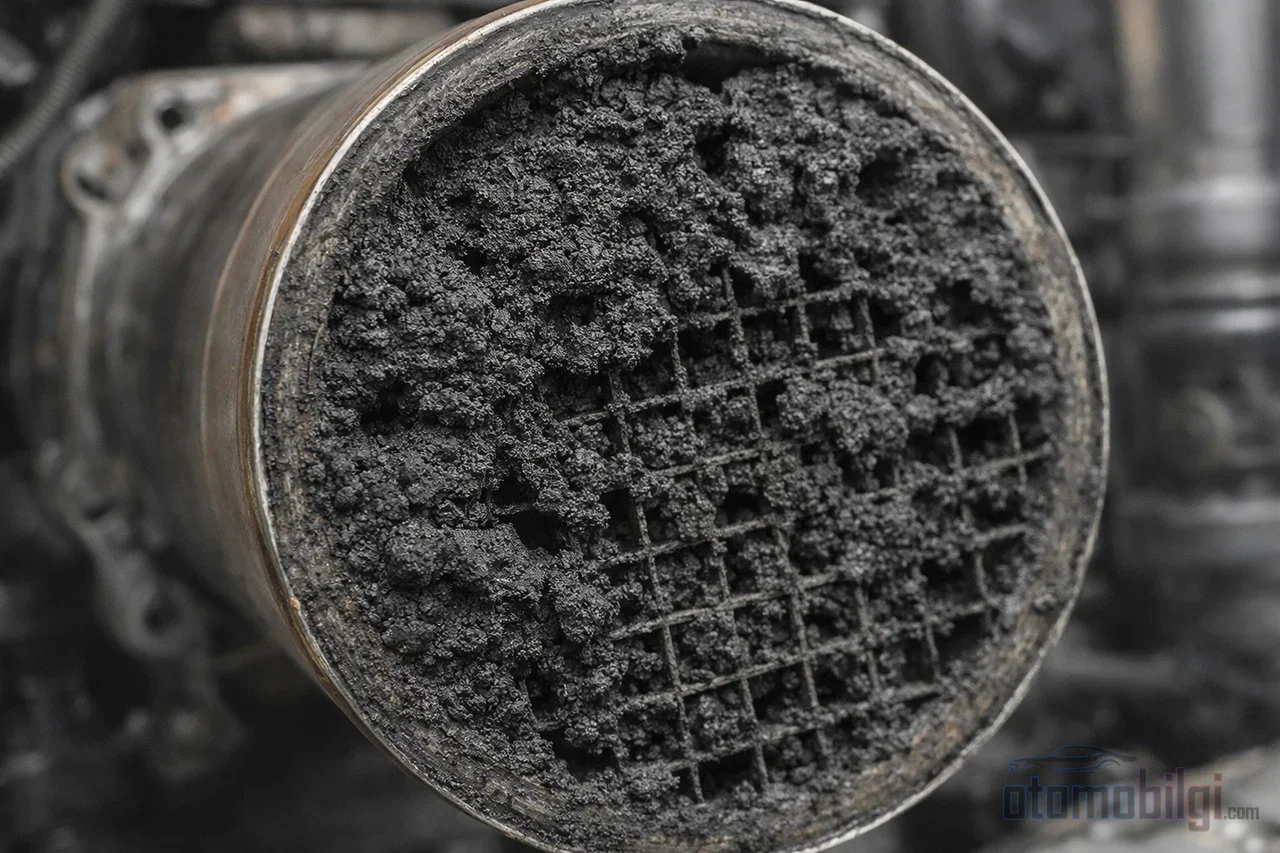
The fault light silencing hack actually leaves behind a silent bill, with permanent marks on the warranty, insurance, and resale value.
The Real Cost of Removing DPF and EGR
Deniz Erkan16 October 2026

Canceling the DPF, EGR, or AdBlue/SCR system (colloquially known as a "delete") silences the warning light, but in return it leaves permanent traces in the engine computer, risk of detection at the periodic technical inspection, loss of warranty and …

Read More
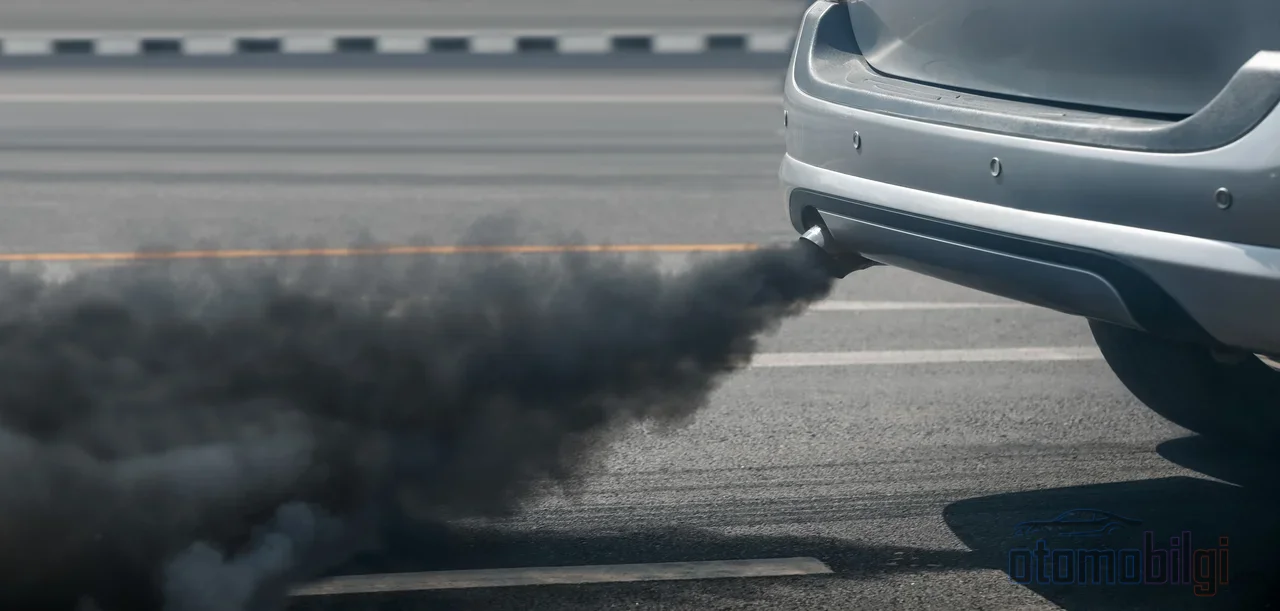
Of the 24 tons of carbon a mid-segment gasoline car emits over its lifetime, only one third comes from the exhaust; the rest is hidden from production to scrap.
The Environmental Cost of the Internal Combustion Engine and the Next 20 Years
Deniz Erkan15 October 2026

An internal combustion car's environmental cost doesn't end at the exhaust pipe; it is the sum of a chain stretching from the production line to the fuel refinery, and from the 150,000 kilometers it spends on the road to the scrapyard where it ends u…

Read More
During the Euro 6 era, your diesel vehicle's exhaust is only allowed to emit 80 milligrams of nitrogen oxides per kilometer - everything beyond that is prohibited.
What Does the Euro 6 Emission Standard Actually Require from Your Car?
Deniz Erkan14 October 2026

Euro 6 is the standard that defines the exhaust emissions of new passenger cars and light commercial vehicles sold in the EU and the United Kingdom since 2014, setting a nitrogen oxide (NOx) limit of 80 mg/km for diesel vehicles and 60 mg/km for petr…

Read More
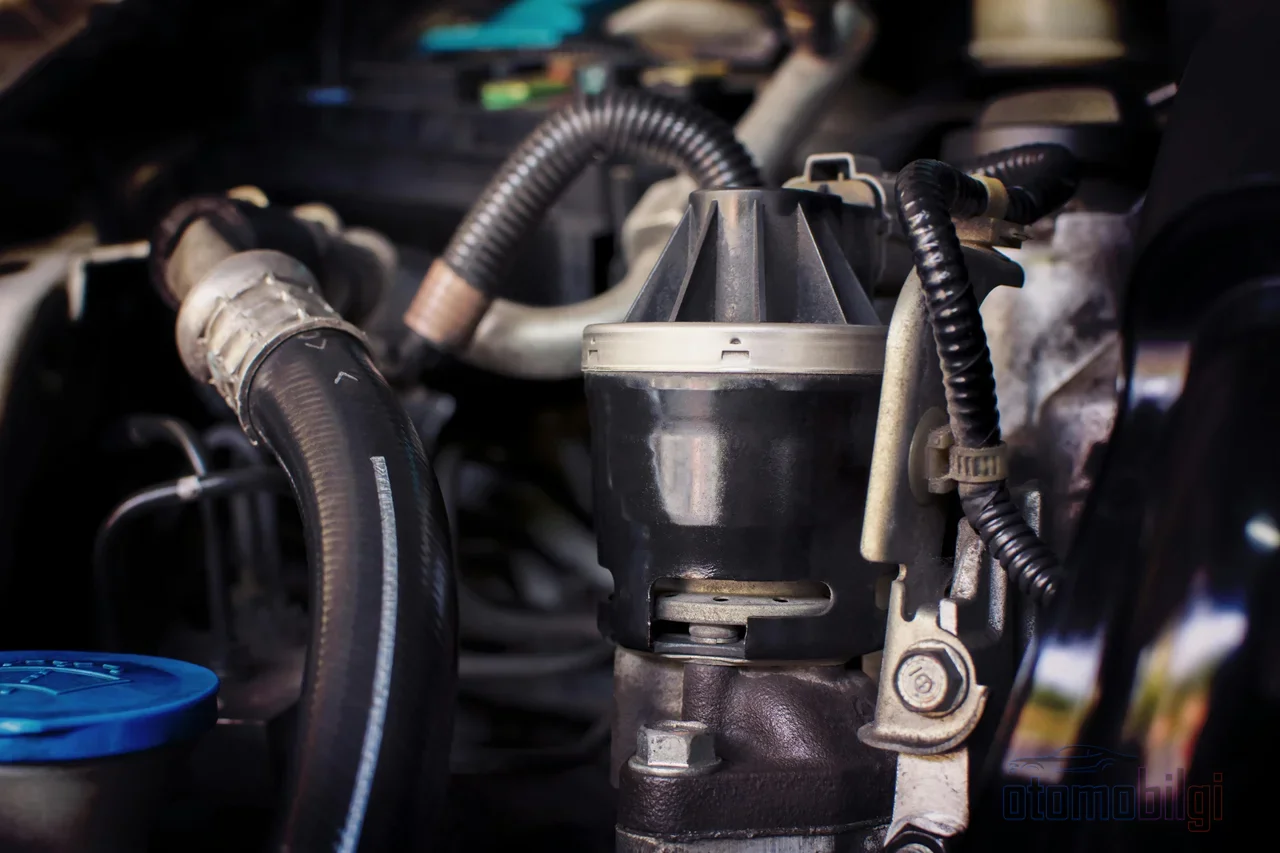
When the EGR valve, which lowers combustion temperature by up to 150°C, gets clogged, everything from loss of power to fuel consumption goes wrong.
What Is the EGR Valve For and What Happens If It Gets Clogged?
Deniz Erkan13 October 2026

The EGR valve is an emissions control component that lowers combustion temperature by recirculating a small portion of exhaust gas back into the cylinders, thereby preventing the formation of nitrogen oxides (NOx). In spark-ignition engines, approxim…

Read More
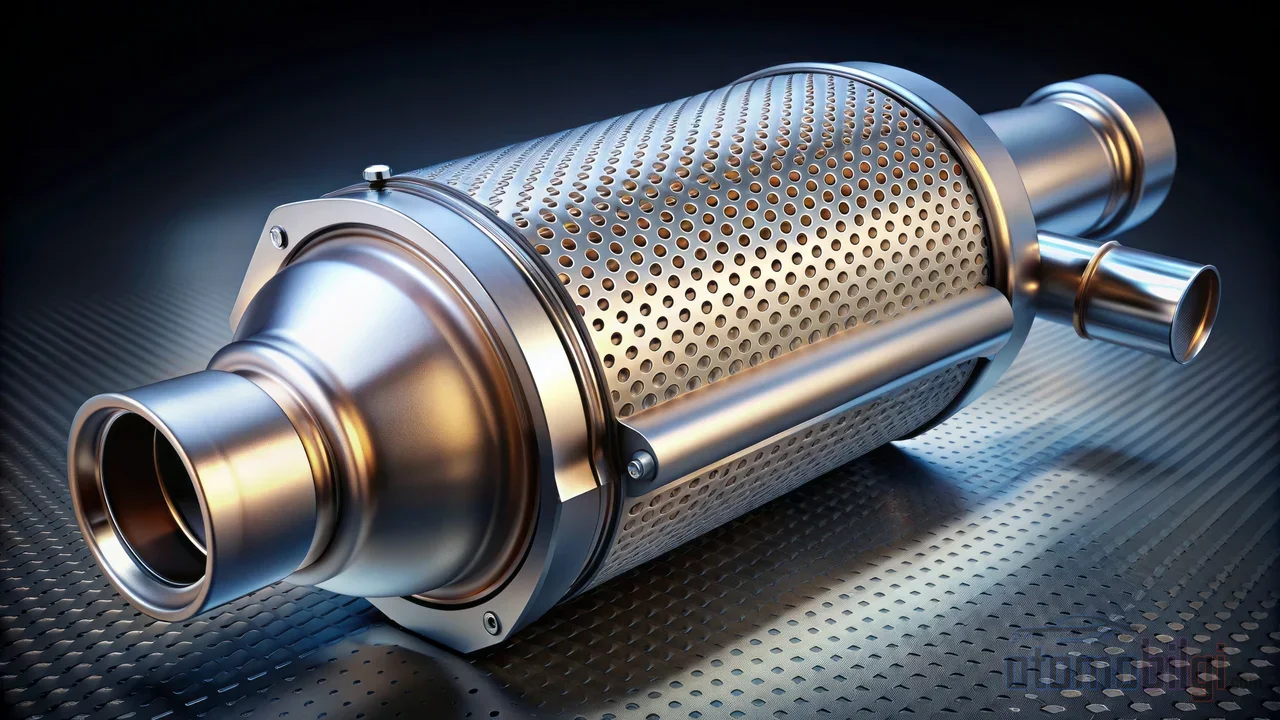
Short-distance city driving never lets the exhaust temperature reach the regeneration threshold, so the diesel particulate filter is, in short, destined to clog.
When Does DPF Regeneration Work, and In Which Situations Does It Not?
Deniz Erkan12 October 2026

DPF regeneration is the process of burning the soot accumulated in the diesel particulate filter once the exhaust temperature exceeds a certain threshold, converting it into carbon dioxide and expelling it from the filter as gas. This process operate…

Read More
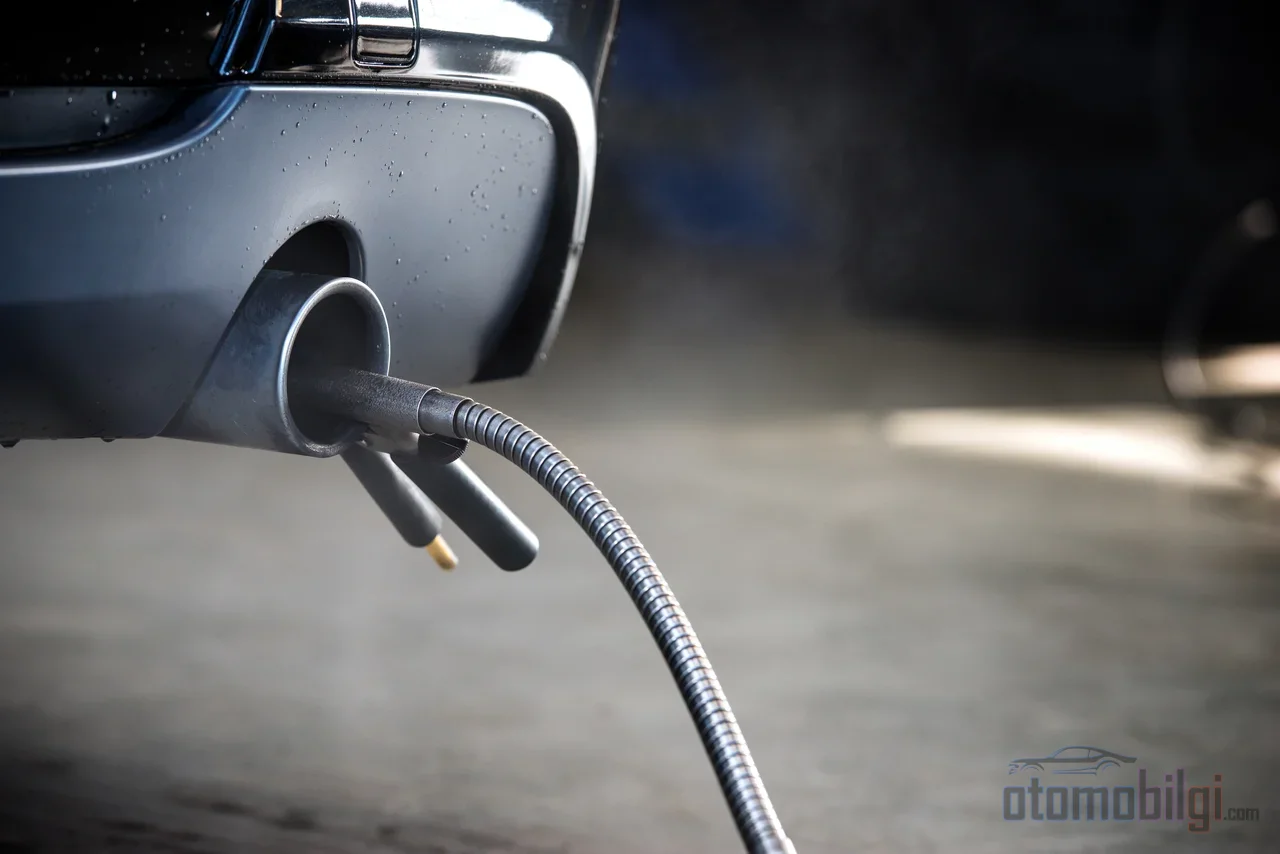
A driver who reads the fault correctly doesn't pour money into unnecessary part replacements; even a single sensor can throw the CO value at the inspection off track.
Why Does Exhaust Emission Testing Fail and What Does It Reveal?
Deniz Erkan12 October 2026

Exhaust emission measurement is the process of measuring the gases emitted from a vehicle's exhaust with certified equipment and comparing them against legal limits; if CO, HC and, in diesels, smoke opacity exceed these limits, the vehicle cannot pas…

Read More

In Europe, it's no longer your car's age but the Euro standard it carries that matters: in London, a non-compliant vehicle can cost you 12.50 pounds a day.
From London to Paris: Low Emission Zones Entering Cities
Deniz Erkan12 October 2026

Low emission zones in Europe's major cities are areas that ban or charge entry for vehicles below a certain Euro emission class. Whether your vehicle can enter depends less on its model year than on the Euro standard it meets; in London, the threshol…

Read More
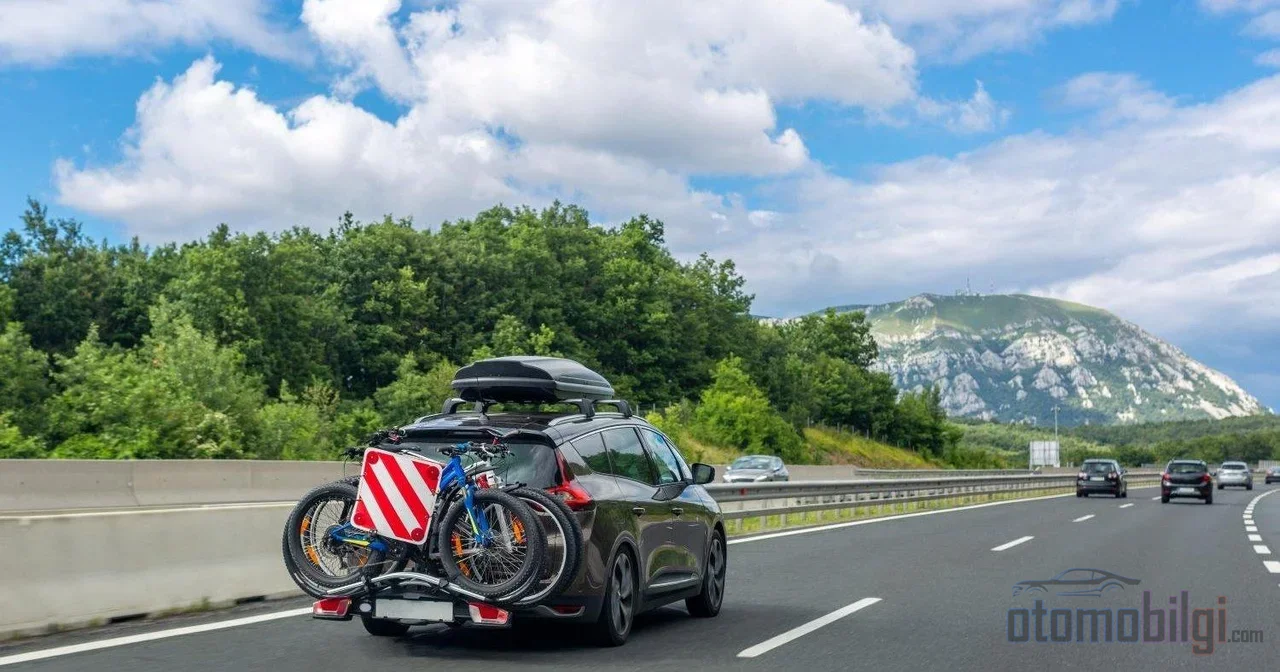
Euro 7, for the first time also regulating particles from brake and tire wear, requires 200,000 kilometers of durability.
The Implementation of Euro 7 and New Rules
Deniz Erkan11 October 2026

Euro 7 is the European Union's new-generation vehicle emissions standard: It largely maintains Euro 6-level exhaust gas limit values, while adding brake and tire wear particle emissions, tighter evaporative emission limits, a particle number measurem…

Read More
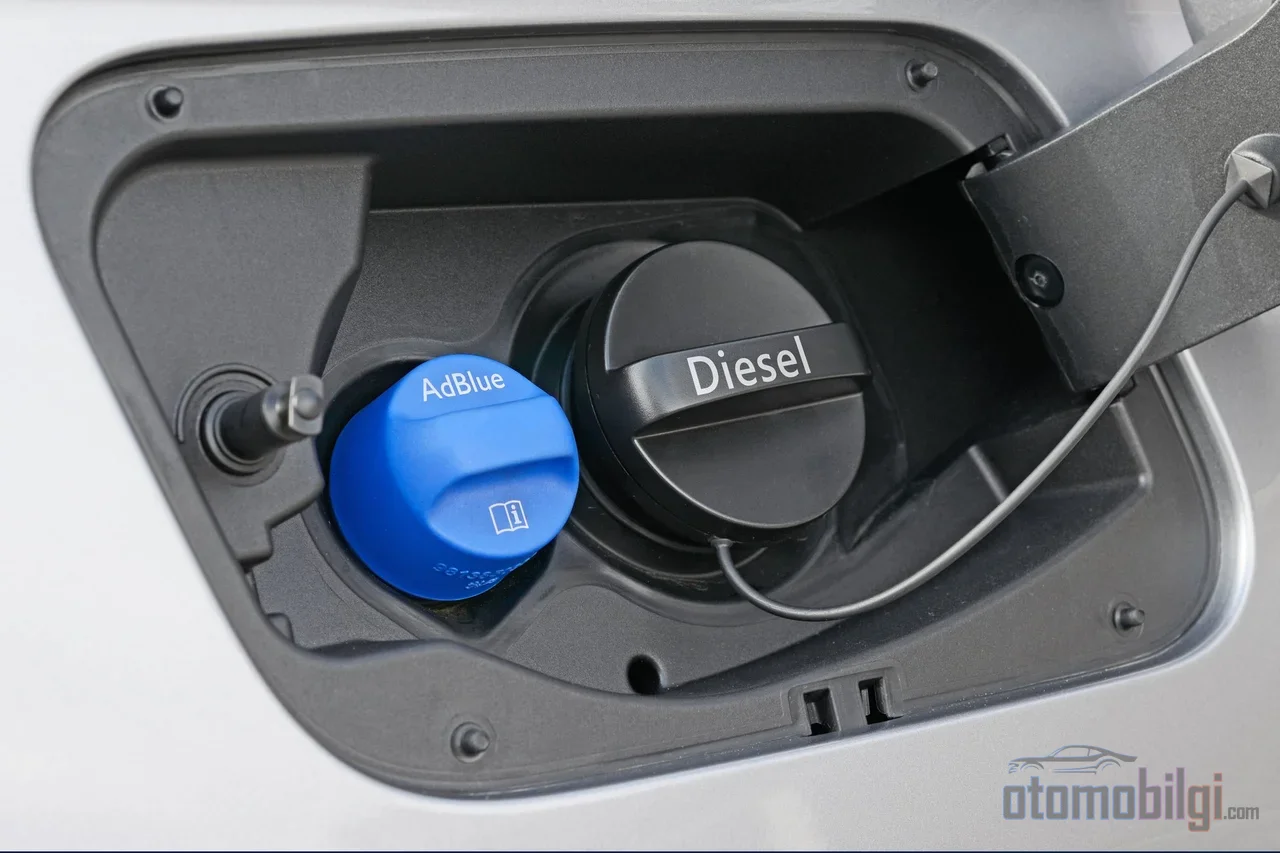
The toxic nitrogen oxides emitted from the exhaust are converted, with the help of a 32.5% urea solution, into nitrogen, a natural component of air, and water.
What You Need to Know About AdBlue and SCR Systems
Deniz Erkan11 October 2026

AdBlue is an aqueous solution consisting of 32.5% urea and 67.5% demineralized water, injected into the SCR (selective catalytic reduction) system to reduce nitrogen oxides (NOx) in diesel exhaust. Using the ammonia produced by the decomposition of t…

Read More
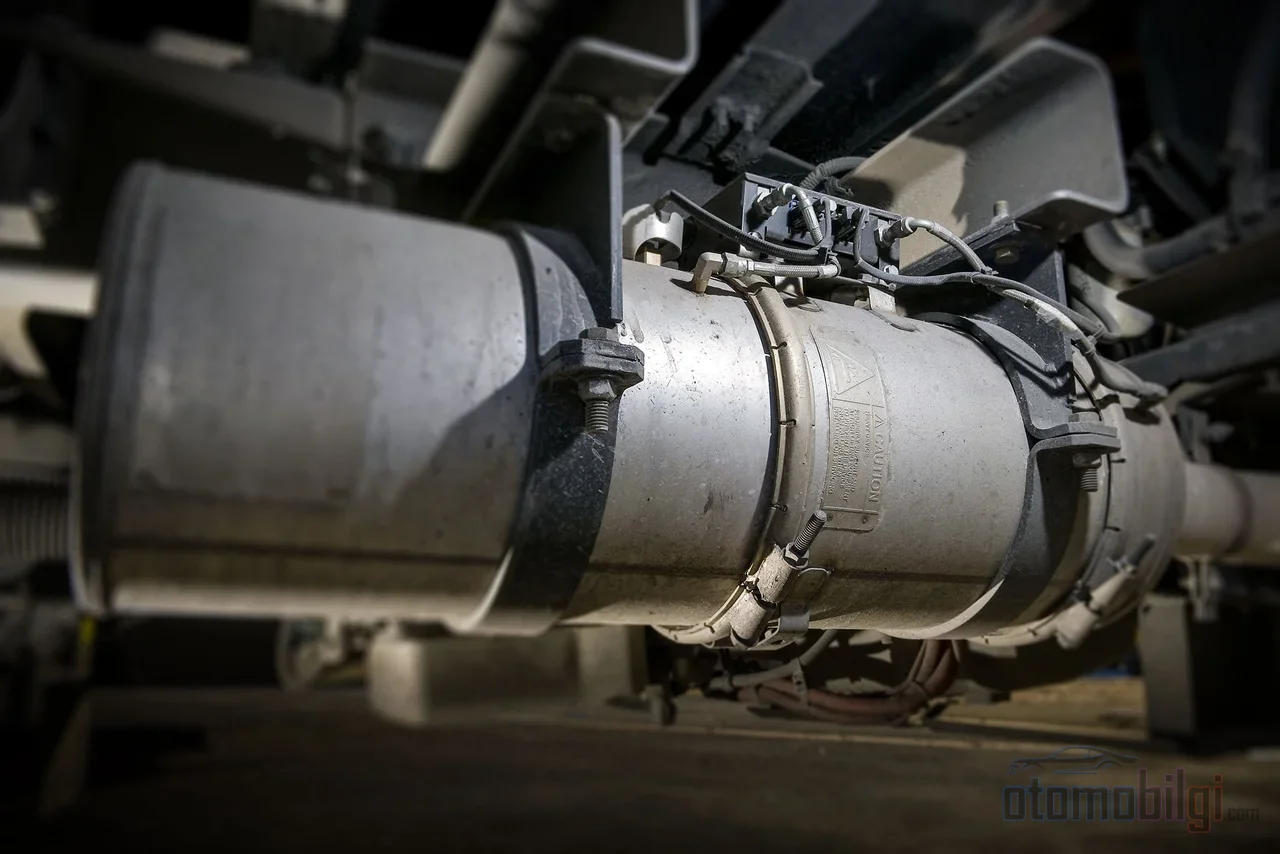
The diesel particulate filter traps soot in the exhaust gas while cleaning itself through regular regeneration and preventing clogging.
DPF and Catalytic Converter Guide
Deniz Erkan11 October 2026

The diesel particulate filter (DPF) is a filter that physically traps soot and particulate matter in the exhaust gas; the catalytic converter, on the other hand, converts carbon monoxide, hydrocarbons and nitrogen oxides into harmless gases through c…

Read More
  • Previous
  • 1
  • 2

Category Editor

Deniz Erkan

Deniz Erkan

One of the most important habits my profession as a mechanical engineer has given me is looking not only at a system's outcome, but also at how and why it works. My interest in automobiles is also fueled by this perspective. For me, a car is not just design, performance, or comfort; it is a holistic system where mechanics, electronics, software, and engineering come together.

Over time, I combined my engineering background with software development. The intersection of these two fields has allowed me to look at modern automobiles from a more integrated perspective. I follow the world of automobiles, from engines and suspension to driver assistance systems and software technologies, through the eyes of both an engineer and a car enthusiast.

My aim at Otomobilgi.com is to explain technical subjects in a language that preserves engineering accuracy and keeps curiosity about cars alive, without drowning them in unnecessary complexity. Because for me, a good car is not merely beautiful or fast; it is a special work that conveys design, technology, and driving character as a whole.

Follow Us on Social Media

Share This Page

Follow Us on Social Media

  • About Us
  • KVKK Disclosure Statement
  • Privacy Policy
  • Contact
Otomobilgi.com
INDEPENDENT AUTOMOBILE CULTURE PLATFORM
Powered by Virgo CMS