Is One Kilometer Cheaper with a Plug-in Hybrid on Electricity, or on Gasoline?

Share This Page
Driving a kilometer on electricity in a plug-in hybrid is cheaper than driving it on gasoline in almost every scenario - with home charging, the cost per kilometer is about $0.04–0.06, while the same distance on gasoline costs $0.10–0.15. However, this gap narrows rapidly in regions where electricity prices are very high and in usage that relies on public fast charging; it can even close entirely. So the real question is not whether electricity or gasoline is cheaper, but which charging habit secures this cheapness for you.
Highlights
- Cost per kilometer with home charging is $0.04–0.06; in a gasoline vehicle it is $0.10–0.15.
- A typical plug-in hybrid offers 32–64 km of electric range; battery capacity ranges between 8–23 kWh.
- Public DC fast charging is 2–3 times more expensive than home charging.
- When the electricity price rises to levels like 35 cents/kWh, the advantage of electric driving becomes debatable.
- A plug-in hybrid that is never plugged in operates more expensively than its hybrid equivalents due to the high battery cost.
Cost Per Kilometer: A Comparison of Two Figures
From an engineer's perspective, the matter is a simple unit cost problem: where and at what price do you buy the energy needed to cover a kilometer? On the electric side, the unit is the kilowatt-hour; on the gasoline side, the liter. The plug-in hybrid is a decision point between the two - gasoline kicks in before the energy in the battery runs out, or vice versa.
Current calculations for the US market show that a plug-in hybrid charged at home spends about $0.04–0.06 per kilometer in electric mode. In the same calculation, a gasoline vehicle falls in the $0.10–0.15 band. The method of the Department of Energy's Alternative Fuels Data Center yields a similar result: assuming an electricity price of 10.7 cents/kWh and a consumption of 27 kWh per 100 miles (160 km), the cost per mile of electric driving is about $0.03. The calculators that make the comparison find savings of $0.03 per mile on average, a difference of about $278 per year.
It is not surprising that these bands are wide; electricity prices vary considerably from region to region. While the cost of a full charge at home is around $8 in some regions, it can exceed $32 in others. In other words, the plug-in hybrid's savings potential is determined less by the vehicle's technical data and more by your electricity tariff and where you charge.
| Scenario | Cost per mile | Note |
|---|---|---|
| Home charging (nighttime tariff) | ~$0.04–0.06 | Cheapest scenario |
| Pure electric vehicle average | ~$0.03 | Assumes 10.7 cents/kWh electricity |
| Public DC fast charging | ~$0.12 | ~$12 for 100 miles |
| Gasoline vehicle | ~$0.10–0.15 | With current gasoline prices |
The conclusion from the table is clear: the electric kilometer retains its price advantage only with home charging. At a fast-charging column, the cost per mile approaches that of gasoline; and may even exceed it in expensive regions.
What Electric Range Is For: Daily Mileage Determinant
The second variable in the cost equation is how much of this cheap electric mileage you can actually use. A typical plug-in hybrid offers 25-55 miles (40-88 km) of electric range; in practice, most models' type-approved range falls in the 30-60 km band. Battery capacities vary between 8-23 kWh. For example, the Renault Captur Plug-In, with a 9.8 kWh battery and approximately 50 km of WLTP range, can sustain electric driving at speeds of up to 135 km/h.
Real-world usage data paints a critical picture: plug-in hybrid drivers typically cover only 5,000-10,000 km per year on electricity. Models with a range above 80 km, however, produce noticeably more electric mileage. The practical takeaway is this - as your electric range approaches your daily routine distance, the 0.10-0.15 dollar per mile you pay for the gasoline engine shrinks into an ever smaller slice.
This is also why the two different fuel economy figures manufacturers provide both matter: one is for electric mode, the other for gasoline mode. For example, the Hyundai Tucson PHEV offers 33 miles of electric range but settles for 31 mpg once the charge runs out; the Toyota Prius PHEV has a 39-mile range, but its efficiency in gasoline mode falls below that of the ordinary Prius (51 mpg) at 43 mpg. Battery weight becomes a burden that slows you down in the mode where it is inefficient.
At How Many Cents per kWh Does Electricity Lose Its Advantage?
There is no ready-made formula for the threshold question, but a chain of logic can be built from the numbers. Even at a relatively high residential average like 20 cents/kWh, electric mileage remains cheaper than gasoline. The gap begins to disappear when the electricity price rises significantly. In examples from some parts of California where residential electricity prices have reached 35 cents/kWh, plug-in hybrid owners report that the savings become murky; when charging is done during the expensive hours of the day or at a public column instead of charging overnight at home, the calculation becomes almost equal to gasoline.
If we derive a rough practical threshold: while gasoline costs are in the 0.10 dollar per mile band, the kilowatt-hour price needs to be roughly around 15-25 cents for electric mileage to stay in the 0.04-0.06 dollar band. Tariffs and fast-charging fees that rise above this level squeeze the economics of electric driving toward gasoline. That is why, in regions with high electricity prices, the advantage a plug-in hybrid offers is highly sensitive to what source and at what hour the charging is done.
Public Charging: A Useful but Expensive Insurance
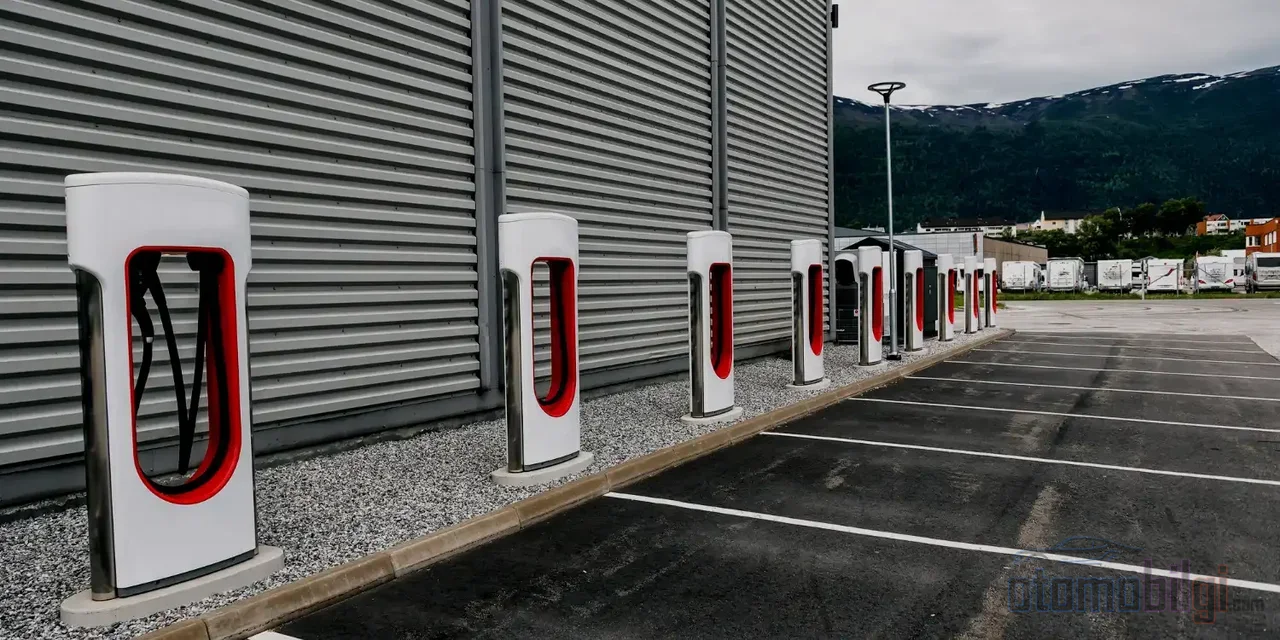
Public DC fast charging costs 2-3 times as much as home charging. Covering 100 miles on electricity at home costs about $3.75, while the same distance at a fast-charging station comes to around $12 - a level that comes very close to gasoline. Even so, some comparisons show that even when used entirely on paid fast charging, the total fuel-energy expense remains below that of a gasoline car; the gap narrows but never disappears entirely.
On the plug-in hybrid side, the picture is a bit more comfortable: since these vehicles carry smaller batteries, the weekly charging need usually stays in the 30-60 kWh range, and covering that at home means a modest weekly expense of $5-15. Also, it should not be forgotten that some public Level 2 stations are free; a standard outlet or wall unit (wallbox) at work is enough to cover your daily range entirely on electricity without ever resorting to fast charging.
The Purchase Premium: The Real Variable That Breaks the Math
So far, the picture has been drawn of what electric mileage gains. However, an honest cost analysis must also factor in the total written on the price tag. Plug-in hybrids are noticeably more expensive than equivalent gasoline models: The Tucson PHEV sells for $8,525 more than its gasoline counterpart, and the Prius PHEV for $5,505 more than the regular Prius. This premium can only be recouped through fuel savings in the long term; in some scenarios, paying back the difference takes 12 years, and with inexpensive electricity tariffs even periods exceeding 40 years.
The interesting part is that regular hybrids are a very strong competitor in this calculation. The Tucson Hybrid is about $7,000 cheaper than the plug-in version and more efficient than a Tucson PHEV with a depleted battery (35 mpg versus 31 mpg). Compared to the gasoline model, it pays for itself in less than 4 years. That is why the cost logic of a plug-in hybrid comes down to a single question: Can you plug in at home, and is your daily routine within the electric range? If both are true, electric miles start paying back the premium; otherwise, the battery cost you paid becomes just a component that adds weight and takes up space under the seats.
Additionally, plug-in hybrids that are never plugged in carry question marks on the reliability front as well: plug-in hybrids and electric vehicles report on average 80% more problems than gasoline cars, while traditional hybrids report 15% fewer problems. For a driver who pays the high battery cost but never uses electric driving, a summary adapted from the phrase used in the technical literature is: you get the worst of both worlds.
Practical Ways to Reduce the Cost
Turning the math in your favor is not a complicated strategy; a few disciplined habits are enough:
- Charge at home at every opportunity, especially at night. Night tariffs and home charging provide the lowest cost per mile.
- Keep DC fast charging as an exception. The 2-3x price difference turns short-term comfort into a long-term expense.
- Accelerate gently and make full use of regenerative braking. Gradual braking recovers kinetic energy back to the battery and directly extends electric range.
- Keep maintenance up to date. Filter and spark plug condition determine the gasoline-mode efficiency of a plug-in hybrid with a depleted charge.
- Take temperature into account. In cold weather both electric range and hybrid efficiency drop; plan your charging schedule accordingly.
Treating the battery well is also an indirect saving: waiting a few minutes for the battery to cool down before starting a charge right after a long trip can extend battery life. When it comes to replacement cost, a healthy battery is the biggest unknown item in a vehicle's total cost of ownership.
Conclusion: The Numbers Aren't in the Book, They're in Your Charging Habits
To the question of whether it's cheaper to drive on electricity or gasoline, the data clearly favors electricity: with home charging, the per-kilometer cost leaves gasoline behind by at least half. But this advantage depends on three conditions - cheap and accessible home charging, daily routine-compatible electric range, and a reasonable electricity tariff. If you have all three, a plug-in hybrid is a vehicle that lowers your costs; if you don't, the battery premium on the price tag remains a debt that fuel savings never close. Do the math before buying, using your own electricity price and daily kilometers - the two numbers there are more decisive than all the tables in this article.
Sources
- Will a Plug-In Hybrid Save You Money? - Consumer Reports
- Electricity vs Gasoline Calculator - ZETA
- Charging Electric Vehicles at Home - AFDC
- Electric & Plug-In Hybrid Electric Vehicles - US EPA
- Real-world usage of plug-in hybrid electric vehicles - ICCT
- EnerGuide labels for plug-in hybrid electric vehicles - Natural Resources Canada
- Consumption in PHEV rechargeable hybrid cars - Renault Group
- EV Charging Costs by State (2026) - ElectricChoice
- EV Charging Costs in 2026 - Qmerit
- PHEV Charging at Home - Greenlancer
- Cost to Charge an Electric Car or Plug-in Hybrid? - JustEnergy
- Electric vs Hybrid Vehicles: Which Should You Buy in 2026? - Cardomemi
- AAA Study Reveals Temperature Impacts on EV and Hybrid Performance
- Plug-in Hybrid-Electric Cars - DriveClean.ca.gov
- Hybrid vs. Plug-in Hybrid Cars - Edmunds
- Hybrid vs. Plug-In Hybrid vs. Electric - US News
- Driving on Electricity Is Cheaper Than Gas in All 50 States - Plugless Power
- Electric and Plug-In Hybrid EV Best Practices - IL-ACT